How to catch walleye on the John Day River
You've heard the whispers, seen the pictures, and maybe even tried your hand at it only to come up short: catching walleye on the John Day River can feel like trying to find a needle in a haystack for many anglers. It's a unique fishery with its own set of challenges, often leaving even seasoned fishers scratching their heads. This guide is here to cut through the confusion, offering a deep dive into the specific tactics, gear, and local knowledge you'll need to successfully target those elusive, toothy predators in one of Oregon's most iconic rivers.
Understanding the John Day River Walleye Fishery
The John Day River, winding through its rugged canyons and vast landscapes, holds a secret that's become increasingly popular with anglers: a thriving population of walleye. Unlike some other parts of Oregon where walleye are an introduced species, their presence here, particularly in the lower stretches and the impounded waters near the Columbia River confluence, provides a distinct and often challenging fishing experience. For those unfamiliar, walleye are freshwater predators known for their excellent table fare and their tendency to be a bit finicky, especially in clear river systems like the John Day.
The Walleye's Habitat and Habits in the John Day
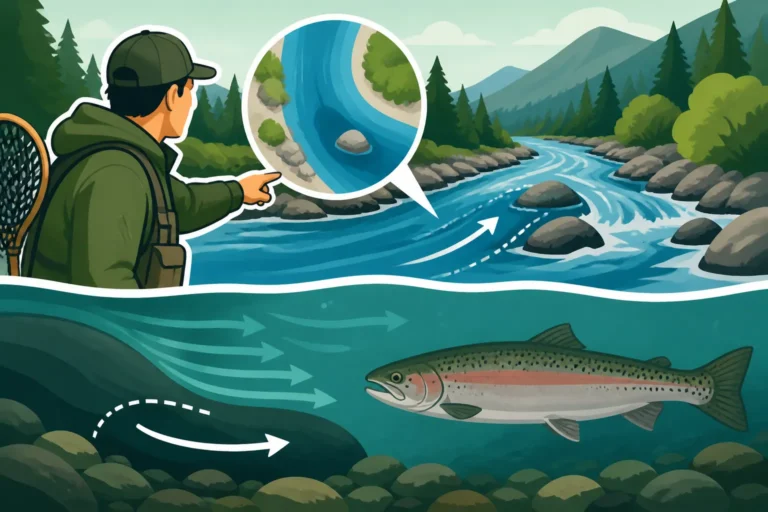
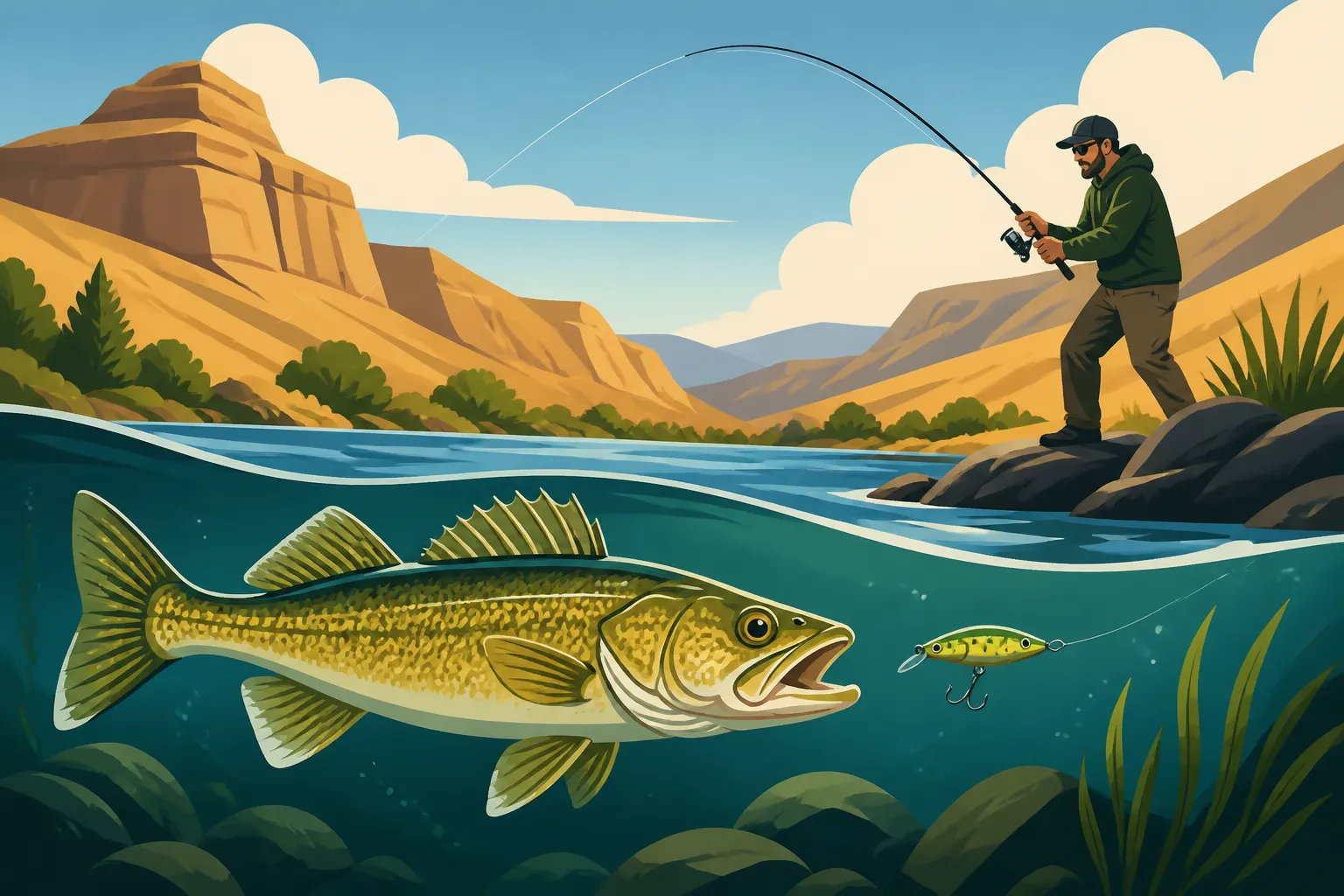
Walleye in the John Day River aren't just lounging around; they're actively hunting, and understanding their preferred hangouts is half the battle. These fish are masters of ambush, preferring areas where they can hide and wait for unsuspecting prey. Think about rocky points, submerged timber, current breaks, and the seams where faster water meets slower eddies. The river's unique geology, with its basalt cliffs and varying depths, creates an abundance of such structures. They're particularly drawn to areas with a gravel or rocky bottom, often congregating in deeper holes during the day and moving into shallower feeding flats as light fades.
The turbidity of the water also plays a significant role. Walleye have excellent low-light vision, giving them an advantage during dawn, dusk, and even cloudy days. If the John Day is running a bit colored from recent rains, don't despair – this can actually improve your chances as it makes the walleye feel more secure to feed in shallower water throughout the day. Conversely, crystal clear conditions might mean you need to fish deeper or during prime low-light hours. Pay close attention to current flow; walleye are efficient hunters and will position themselves to conserve energy while waiting for food to be delivered by the current.
Seasonal Movements and Best Times to Target
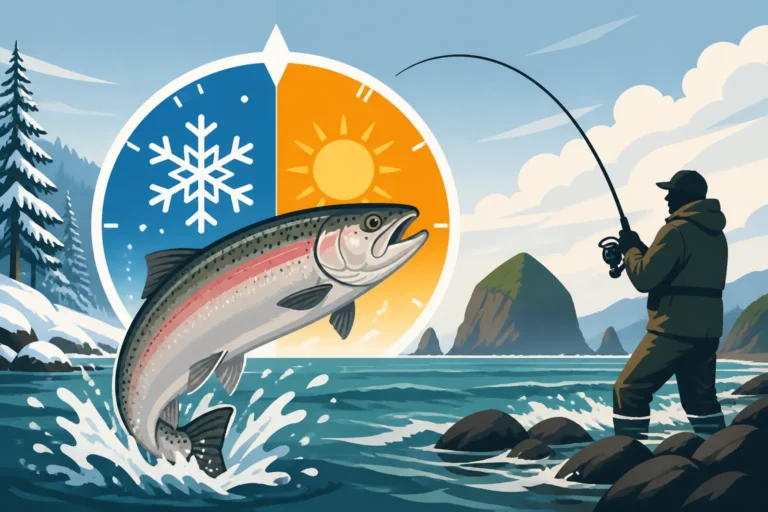
Just like us, walleye have a seasonal routine, and knowing when and where to find them can drastically improve your odds. Spring is often considered prime time, particularly from March through May, as walleye move upstream from the Columbia River to spawn. During this period, they'll congregate in shallower, warmer sections of the river, making them more accessible. Look for areas with gravel bottoms and moderate current, as these are ideal spawning grounds. As the water warms, their metabolism kicks into high gear, and they become more aggressive feeders.
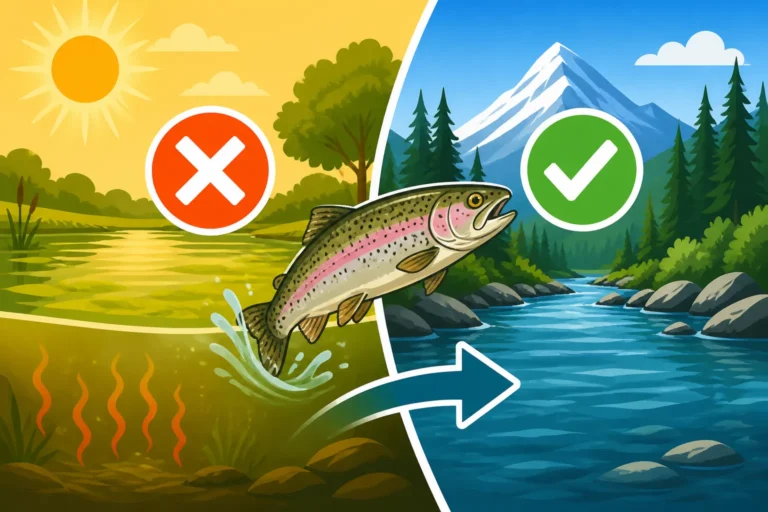
Summer fishing can still be productive, but the fish often retreat to deeper, cooler holes during the heat of the day. Early morning and late evening become critical windows. By late summer and into fall, as water temperatures begin to drop, walleye become very active again, aggressively feeding to build up reserves for winter. This is a fantastic time for larger fish, as they're often gorging themselves before the colder months set in. Even winter, while less popular, can yield success for dedicated anglers willing to brave the cold, particularly in the deeper, slower stretches where fish might hold over. For a broader perspective on Oregon Fishing Season Dates and Limits, it's always wise to check the ODFW regulations, as these general timelines can vary slightly year to year based on environmental factors.
Essential Gear for John Day Walleye
Fishing for walleye on the John Day isn't a "one-size-fits-all" scenario when it comes to gear. The dynamic nature of the river, from its strong currents to its rocky bottom, demands specific equipment that can handle the challenges while still offering the sensitivity needed to detect those subtle walleye bites. Having the right tools won't just make your experience more enjoyable; it will directly impact your success rate.
Rods, Reels, and Line Choices
When it comes to your rod, a medium-light to medium-heavy power rod, typically 6'6" to 7'6" in length, is a great all-around choice. If you're primarily jigging from a boat, a slightly shorter, more sensitive rod around 6' to 6'6" can offer better control. For casting or trolling, a longer rod provides better line pick-up and shock absorption. Graphite rods are usually preferred over fiberglass due to their increased sensitivity, which is crucial for feeling those often faint walleye bites, especially when fishing deeper or in current. Brands like Fenwick, St. Croix, or even some of the more affordable options available on Amazon, offer excellent rods tailored for walleye fishing.
Pair your rod with a reliable spinning reel in the 2500-3000 size range, or a baitcasting reel with a good drag system if you prefer. Smooth drag is paramount, as walleye can make surprising runs, and you don't want to snap your line. For line, many John Day walleye anglers swear by braided line, usually 10-20 lb test, due to its no-stretch properties and incredible sensitivity. This allows you to feel everything that's happening at the end of your line, from the lightest tap to your lure bumping bottom. However, since walleye have keen eyesight, it’s almost always advisable to tie on a fluorocarbon leader (6-12 lb test, 3-6 feet long) to your main braided line. Fluorocarbon is nearly invisible underwater and offers good abrasion resistance against the river's rocky structure. If you're strictly bait fishing or prefer monofilament, a 10-12 lb test clear monofilament can also work, though you'll sacrifice some sensitivity.
Key Lures and Baits for Success
This is where the real fun begins – and often, the most frustration if you're not using what the walleye want! John Day River walleye can be picky, but a few consistent performers typically stand out.
- Jigs: Jigs are arguably the most versatile and effective walleye lures. A ¼ to ½ ounce jig head, tipped with a soft plastic grub, curly tail, or a live minnow, is a go-to. Colors like chartreuse, white, orange, and various natural baitfish patterns are excellent starting points. Experiment with different tail designs – paddle tails create more vibration, while grub tails offer a more subtle action. You can find a huge variety of jig heads and soft plastics on Amazon, perfect for experimenting.
- Bottom Bouncers & Spinners: When covering water, especially from a boat, bottom bouncers paired with spinner rigs are incredibly effective. A bottom bouncer helps keep your bait in the strike zone without constant snagging, while the spinner blade adds flash and vibration. Tip these rigs with a nightcrawler, a piece of worm, or even a plastic imitation. This setup mimics a struggling baitfish, drawing in curious walleye.
- Crankbaits: Trolling or casting crankbaits can be deadly, particularly for actively feeding fish. Look for medium-diving crankbaits that can get down to 10-15 feet. Rapala Shad Raps, Berkley Flicker Shads, and Walleye Nation Creations Shiver Minnows are popular choices. Match your lure size and color to the prevalent baitfish in the river – often smallmouth bass, shad, or juvenile salmon. Natural patterns are great in clear water, while brighter colors like firetiger or chartreuse shine in stained conditions. For a deep dive into Oregon Bait and Lure Guide, there are resources that can provide even more options.
- Live Bait: There's no denying the effectiveness of live bait for walleye. Fathead minnows, shiners, or nightcrawlers rigged on a plain hook (size 4-2/0) or under a slip bobber can be incredibly productive, especially when the bite is tough. Always check Oregon Fishing Regulations Explained for any specific bait restrictions on the John Day River, as rules can change.
| Lure Type | Best Use Case | Typical Weight/Size | Preferred Colors | Notes |
|---|---|---|---|---|
| Jigs | Vertical jigging, casting, slow drifting | 1/4 – 1/2 oz | Chartreuse, White, Orange, Natural | Tip with soft plastics or live minnows |
| Bottom Bouncers | Trolling, drifting from boat | 1/2 – 2 oz (river dependent) | Varies by spinner attached | Paired with spinner rigs and live bait/plastics |
| Crankbaits | Trolling, casting actively feeding fish | Medium diving (10-15 ft) | Firetiger, Chartreuse, Natural Baitfish | Match to local baitfish, good for covering water |
| Live Bait | Slow bite, finesse fishing | N/A (Hook size 4-2/0) | N/A | Minnows, nightcrawlers. Check regulations! |
Proven Techniques for John Day Walleye
Once you've got your gear sorted, it's time to talk tactics. Walleye fishing on the John Day often requires a combination of patience, persistence, and a willingness to adapt. The river's currents, depths, and structures mean you can't just cast and reel. You need to understand how to present your bait or lure effectively to these discerning predators.
Trolling and Drifting Strategies
Trolling and drifting are incredibly effective methods for covering large sections of the John Day River and finding active walleye, especially when you're unsure of their exact location.
Trolling: When trolling, your goal is to present your lure at the walleye's eye level while moving at a slow, consistent speed. Crankbaits are a staple for trolling. Experiment with different depths by choosing lures with varying diving capabilities or by using lead-core line or downriggers if fishing deeper pools. A common technique involves trolling upstream or downstream along current breaks, drop-offs, or submerged points. Maintain a speed that gives your chosen crankbait its optimal action – usually between 1.0 and 2.5 mph. It’s a bit of an art to feel the lure working just right. Pay attention to your line angle and ensure your lure isn't dragging bottom too much, or conversely, running too high in the water column. Often, the subtle changes in direction or speed as you navigate the river's contours can trigger a strike. For more general advice on Trolling Techniques for Oregon Reservoirs, some principles can be adapted for river fishing, especially in wider, slower sections of the John Day.
Drifting: Drifting is a more subtle approach, particularly useful in slower to moderate current. This involves letting your boat drift with the current while presenting jigs, live bait, or bottom bouncers. The key is to control your drift speed, often by using a drift sock or by intermittently using your trolling motor to slow down or even back-troll. This allows your bait to tumble naturally along the bottom, mimicking natural forage. When drifting, focus on maintaining bottom contact with your lure or weight without constantly snagging. A "lift-and-drop" or "drag-and-stop" retrieve with a jig or a bottom bouncer rig can be highly effective. This technique allows you to cover fish-holding structures like rock piles, ledges, and current seams in a very natural way. Consider using a small boat with a quiet trolling motor to navigate these sections effectively, especially during dawn and dusk. For similar concepts, you might explore techniques like How to drift fish for steelhead, as many river fishing strategies share common principles.
Jigging and Casting from Shore or Boat
Whether you're fishing from the bank or a boat, jigging and casting are bread-and-butter techniques for John Day walleye, allowing for precise presentations to specific structure or feeding lanes.
Jigging: Vertical jigging is incredibly effective for walleye holding in deeper holes, around submerged timber, or along sharp drop-offs. From a boat, position yourself directly over the suspected walleye-holding structure. Drop your jig to the bottom, then use a series of short, sharp lifts and drops. The goal is to make the jig "dance" just above or on the bottom, kicking up puffs of sediment to attract attention. Vary the cadence and height of your lifts until you find what the fish prefer. Often, the bite will come on the fall, so pay close attention to any subtle slack in your line or a sudden "thump." Tipping your jig with a live minnow or a scented soft plastic can significantly increase your strike rate.
Casting: Casting jigs or crankbaits from shore or from a boat allows you to target shallower flats, current breaks, or rocky points that might not be suitable for trolling or drifting. When casting, aim for areas where walleye might ambush prey, such as the edges of weed beds, submerged rocks, or where an eddy meets the main current. For jigs, a "fan casting" approach, covering different angles, followed by a slow, bottom-bouncing retrieve is often best. Let the jig sink to the bottom, then hop it along with gentle lifts of your rod tip. For crankbaits, a steady retrieve with occasional pauses or twitches can entice a strike. Experiment with retrieve speeds and depths until you find the sweet spot. When targeting specific points or breaks, accurate casting can make all the difference. Remember, walleye often hug the bottom, so ensure your lure is getting down there. The John Day River Fishing Guide can offer more specific location insights that are perfect for these casting techniques.
Navigating Regulations and Conservation
Fishing for walleye on the John Day River isn't just about catching fish; it's also about understanding and respecting the rules to ensure this valuable fishery remains healthy for future generations. Oregon, like most states, has specific guidelines in place, and being informed is part of being a responsible angler.
John Day River Walleye Regulations and Limits
The Oregon Department of Fish and Wildlife (ODFW) sets the rules, and it’s crucial to check their current regulations before you head out. Generally, walleye in the John Day, especially closer to its confluence with the Columbia River, fall under the Columbia River Basin regulations for warmwater species. These regulations can be different from those for salmon or steelhead. Typically, there is no closed season for walleye, and often, the bag limits are quite generous, or in some cases, there might be no bag limit at all in an effort to manage non-native populations. This is part of a broader strategy, as walleye are not native to the Pacific Northwest and can sometimes impact native fish populations like juvenile salmon and steelhead.
However, always double-check the latest Oregon Daily Bag Limits Explained for walleye on the John Day River, as well as any length restrictions. Some areas might have slot limits (where you can only keep fish within a certain size range), though this is less common for walleye in the John Day. You’ll also need a valid Oregon fishing license and potentially any required endorsements, depending on where exactly you’re fishing on the river. These are not just recommendations; they are legal requirements, and enforcement is present to ensure compliance.
Practicing Responsible Walleye Fishing
Even if regulations allow for generous harvest, practicing responsible fishing goes a long way. If you plan to keep fish, only take what you will eat and properly care for your catch to ensure good quality table fare. Walleye are excellent eating, but letting fish spoil is a waste. Bring a cooler with ice, and dispatch fish quickly and humanely.
For fish you plan to release, handle them with care. Wet your hands before touching the fish to protect its slime coat, which is vital for disease prevention. Use pliers or a dehooking tool to remove hooks quickly, especially if the fish has swallowed the lure deeply. If the fish is bleeding excessively or looks distressed, it's often best to keep it if within legal limits, rather than releasing it only for it to die. Avoid dragging fish on rocks or subjecting them to prolonged periods out of water. The goal is to leave the fishery as healthy, or healthier, than you found it. By following the rules and practicing good ethics, you're not just ensuring your own future fishing opportunities, but also contributing to the overall health of the John Day River ecosystem.
Disclaimer
Please remember that fishing regulations, seasons, and licensing requirements can change. Always consult the most current Oregon Department of Fish and Wildlife (ODFW) regulations before planning any fishing trip. This guide is for informational purposes only and should not replace official ODFW publications.