How weather fronts affect Oregon fishing
We've all been there: you plan a fantastic fishing trip, scouting out your favorite river or lake, only to wake up to a sudden shift in the weather. Maybe a storm rolled in overnight, or the air suddenly feels heavy and still. It's incredibly frustrating when your carefully laid plans seem to unravel because the fish have seemingly vanished or stopped biting. The truth is, weather fronts can dramatically impact fish behavior, and understanding these shifts can be the key to turning a challenging day into a successful one. This guide is all about demystifying how these atmospheric changes influence Oregon's diverse fisheries, helping you predict the bite and adapt your strategy.
Understanding the Basics: What Are Weather Fronts Anyway?
Before we dive into how fish react, let's get a handle on what exactly a "weather front" is. You hear the term tossed around by meteorologists all the time, but for us anglers, it's more than just jargon – it's a critical piece of the puzzle. At its core, a weather front is simply the boundary between two different air masses. These air masses have distinct temperatures and humidity levels, and when they meet, things start to happen. The way they interact dictates the type of weather we experience, and crucially, the barometric pressure.
The Role of Barometric Pressure
Barometric pressure, also known as atmospheric pressure, is essentially the weight of the air pressing down on us and, more importantly, on the water. Fish, like us, are sensitive to these changes. Their swim bladders, which help them maintain buoyancy, are directly affected by the pressure around them. When the pressure changes, they have to adjust, and this adjustment can influence their comfort, their metabolism, and their willingness to feed.
Think of it like this: when the pressure is stable, fish are generally more comfortable and active. They might be cruising in shallower waters, more inclined to chase prey. But when the pressure starts to drop rapidly, indicating an approaching storm, they can feel it. This often makes them seek deeper water or denser cover, and their feeding activity might slow down or become more aggressive as they try to feed before the worst of the weather hits. Conversely, a rapidly rising pressure after a storm can also make them sluggish for a time as they re-acclimate. It’s a delicate balance that dictates their mood, much like our own!
Different Types of Fronts and Their Characteristics
Not all fronts are created equal, and each one brings its own set of atmospheric changes that ripple down to the watery world beneath. Knowing the difference can help you anticipate the conditions you'll face.
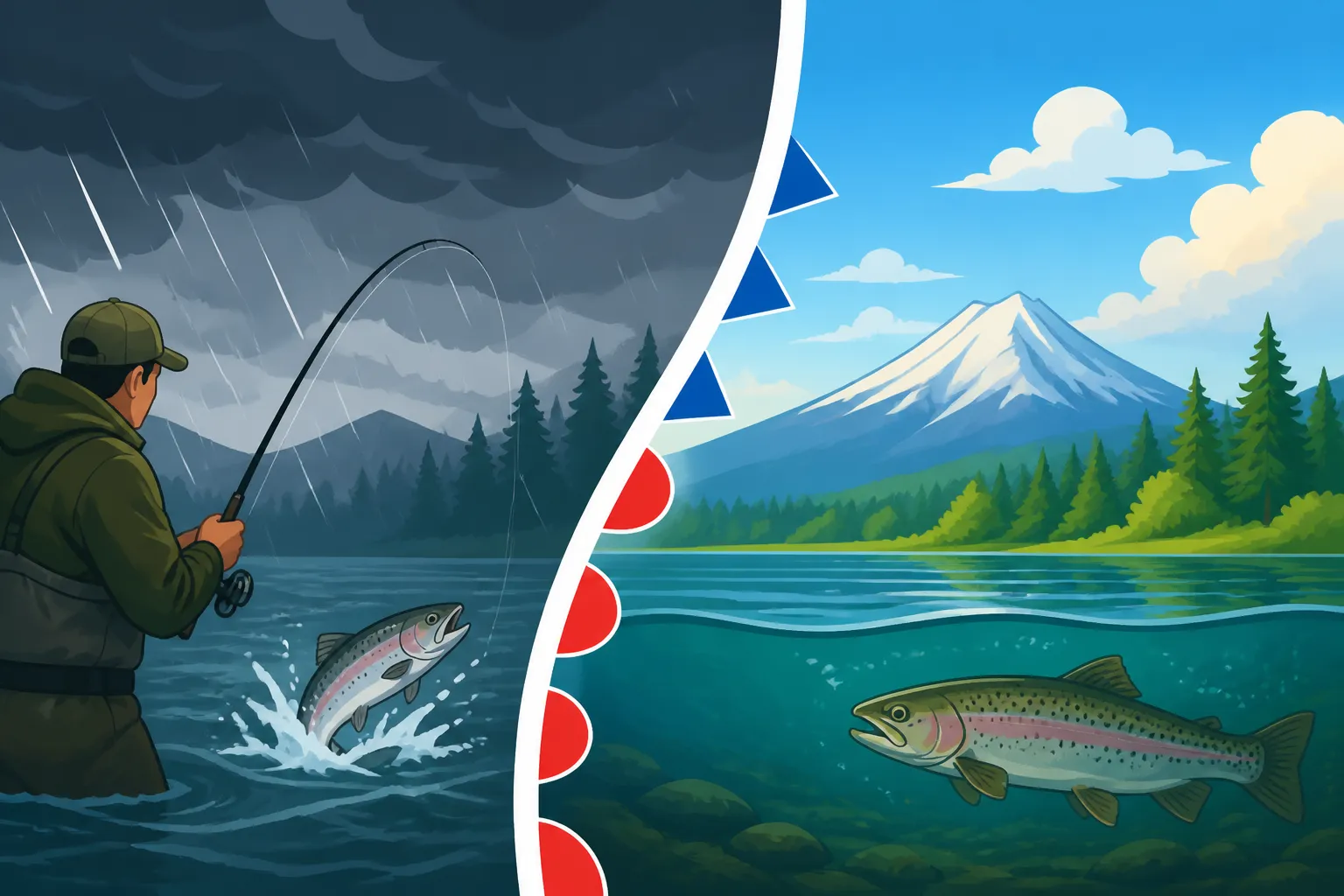
- Cold Fronts: These are often the angler's nemesis. A cold front occurs when a colder, denser air mass pushes into a warmer air mass. What you'll typically notice first is a sharp drop in barometric pressure as the front approaches, often bringing strong winds, rain, or even thunderstorms. Once the front passes, the pressure usually rises quickly, the skies clear, and temperatures drop. This rapid change can really shut down the bite, especially in the immediate aftermath.
- Warm Fronts: Less dramatic than cold fronts, warm fronts occur when a warmer air mass overtakes a colder one. The pressure tends to drop gradually before a warm front, bringing with it a slow build-up of clouds, steady rain, and often increasing temperatures. After the front passes, the weather becomes warmer and more humid. This gradual change is often less disruptive to fishing than a cold front, and the pre-front conditions can sometimes trigger a good bite.
- Stationary Fronts: When two air masses meet but neither is strong enough to push the other out, you get a stationary front. The weather associated with these fronts can be prolonged and unpredictable, often featuring several days of cloudy skies, light rain, or drizzle. Barometric pressure tends to stay relatively stable but low. Fishing during a stationary front can be hit or miss, as fish may get accustomed to the stable low-pressure conditions over time.
- Occluded Fronts: These are a bit more complex, occurring when a cold front catches up to a warm front. They often bring a mix of weather, starting with conditions similar to a warm front, then transitioning to those of a cold front. Barometric pressure will often drop, then rise. These fronts can be particularly tricky, creating very unpredictable fishing conditions.
The Impact on Fish Behavior: How Fronts Affect the Bite
Now that we know the different types of fronts, let's talk about the real meat and potatoes: how these atmospheric shifts truly affect the fish you're targeting. It’s not just about comfort; it's about their entire survival instinct. Their feeding, their location, and their energy levels are all on the line.
Pre-Front Conditions: The Golden Window
One of the most widely accepted "rules" in fishing is that the bite can be excellent right before a major cold front hits. Why? As a cold front approaches, the barometric pressure typically begins to drop. This falling pressure often signals to fish that a change is coming, and instinct tells them to feed aggressively while the feeding is good. They know a storm means disruption, potentially colder water, and less active prey. This pre-front period can be a fantastic time to be on the water, whether you're targeting trout in a mountain lake or salmon in a coastal river.
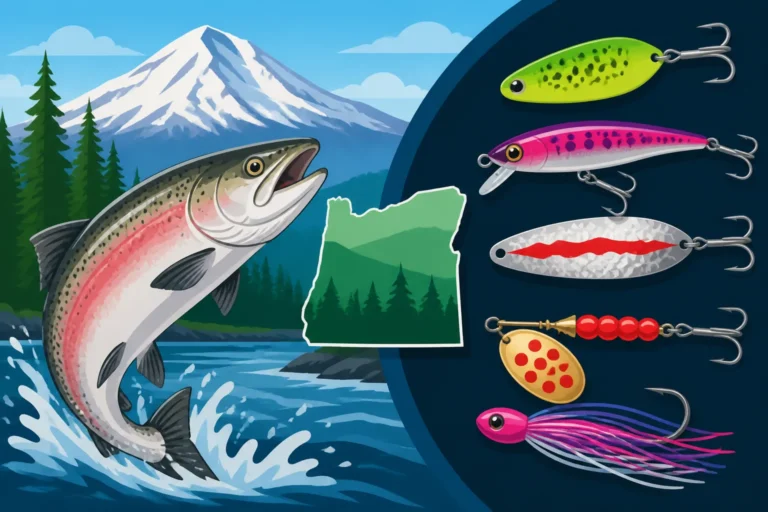
During this "golden window," fish often move into shallower water, closer to shore or structure, and are generally more willing to strike a bait or lure. They might be less wary and more focused on gorging themselves. This is when your favorite crankbaits, spinnerbaits, or even simple bait presentations might shine. It's also a good idea to bring a variety of gear, as sometimes aggressive fish will hit anything, but other times they're looking for something specific. You can find a fantastic selection of versatile lures on Amazon that can cover various scenarios.
During the Front: Tough Sledding
Once a cold front actually arrives and passes, fishing often becomes notoriously difficult. The rapid drop in temperature, strong winds, and heavy precipitation (like what you might experience during an intense Oregon winter steelhead run) can make for miserable conditions for both angler and fish. After the front passes, the skies usually clear, the wind dies down, and the temperature plummets, often accompanied by a sharp rise in barometric pressure.
This post-front period is when fish often become lethargic and seek deeper, more stable water or dense cover. Their metabolism slows, and they're less inclined to chase or actively feed. They might move to the bottom of deep pools, hug submerged logs, or bury themselves in weed beds. Your typical aggressive retrieve might be ignored. This is when you really need to slow down your presentation. Think subtle, slow, and precise. Many anglers find success with finesse techniques, presenting smaller baits or jigs very slowly, right on the fish's nose. Consider exploring some ultra-light tackle options on Amazon to feel those subtle bites when the fish are barely mouthing the bait. This might also be a time to consider your Oregon Catch-and-Release Rules to ensure you're handling stressed fish with extra care.
Warm Fronts and Stable Pressure
Warm fronts tend to be less disruptive. The gradual drop in pressure and steady, often light, precipitation that precedes a warm front can sometimes lead to consistent, if not spectacular, fishing. Fish might remain active, though perhaps not with the frantic aggression seen before a cold front. After a warm front passes, the warmer, more stable air mass can lead to a period of good fishing as temperatures rise and conditions stabilize.
If you're out during a stable period of low pressure, say, during a prolonged warm front, fish might still be active but perhaps more selective. This is when paying attention to water temperature and clarity, or looking at the Best Bait for Oregon Trout Fishing or Best Lures for Oregon Salmon Fishing, becomes even more crucial.
| Front Type | Barometric Pressure Trend | Expected Weather | Typical Fish Behavior (General) |
|---|---|---|---|
| Approaching Cold | Falling Rapidly | Increasing wind, rain/storms | Very active, aggressive feeding |
| Passing Cold | Rising Rapidly | Clearing skies, colder temps | Inactive, seek deep cover |
| Approaching Warm | Falling Gradually | Clouds, steady light rain | Active, consistent feeding |
| Passing Warm | Stabilizing Higher | Warmer, humid, steady | Steady activity, less aggressive |
| Stationary | Stable, Often Low | Prolonged clouds, drizzle | Variable, can adapt to low pressure |
Practical Strategies for Anglers: Fishing Before, During, and After a Front
Knowing what happens isn't enough; you need to know what to do about it. Adapting your strategy to the prevailing weather front conditions is what separates the consistently successful anglers from those who just get lucky. This means thinking about everything from where you cast your line to the very tackle you're using.
Before a Front: Seize the Opportunity!
If you know a cold front is on its way (and thanks to modern weather apps, it’s easier than ever to get this intel!), you need to get out there. This is often your best shot at catching actively feeding fish.
- Be Aggressive: Don't be shy with your presentation. Use faster retrieves, larger baits or lures, and cover a lot of water. Fish are often looking to fill their bellies quickly.
- Target Active Areas: Look for fish in shallower water, near current breaks, weed lines, or structure where they would normally ambush prey. They’re less likely to be hiding in the deepest holes.
- Versatile Tackle: Make sure your tackle box is well-stocked. Have a range of options, from loud, flashy lures to natural baits. You might find that one specific thing triggers them more than others. A well-organized tackle box, perhaps with some versatile multi-species lures you can find on Amazon, will serve you well.
- Safety First: While the fishing might be good, an approaching front can also bring strong winds and heavy precipitation. Always prioritize safety, especially if you're out on a boat. Keep an eye on the sky and be ready to pack it in if conditions become too dangerous. This is particularly true for Oregon Ocean Charter Fishing where conditions can change rapidly.
During and Immediately After a Cold Front: Slow Down and Go Deep
This is when you earn your stripes as an angler. The fish are often in a funk, and you need to adjust dramatically.
- Slow it Down: Forget fast retrieves. Think slow, methodical, even dead-sticking your bait or lure. The fish aren't actively chasing; you need to put the food right in front of them and give them plenty of time to decide to take it. This is a great time to practice Drift Fishing Techniques for Oregon Rivers.
- Go Deep and Find Cover: Fish will often seek thermal refuge and stability in deeper water, or hide in dense cover like logjams, undercut banks, or thick aquatic vegetation. Your electronics can be invaluable here for finding those hidden holding spots.
- Downsize Your Presentation: Smaller baits, smaller jigs, and lighter line can sometimes coax a bite out of wary fish. They might be willing to pick at something small rather than commit to a large meal.
- Light Bites: The strikes will often be incredibly subtle. Pay close attention to your line for any twitch, slack, or unnatural movement. This is where a sensitive rod can make all the difference. You might find a great selection of sensitive rods designed for finesse fishing on Amazon.
- Patience is Key: This isn't the time for a quick limit. It's a time for patience, persistence, and celebrating every single fish you hook.
Prolonged Periods of Stable Pressure: Find the Rhythm
During stationary fronts or extended periods of stable high or low pressure, fish tend to settle into a more predictable routine.
- Observe and Adapt: Pay close attention to current conditions: water temperature, clarity, and flow. Fish will find their comfort zones based on these factors. This knowledge is key for understanding How River Flow Affects Steelhead Fishing or What water temperature is best for salmon fishing.
- Pattern Fishing: If you find a pattern that works – a specific lure, depth, or retrieve – stick with it until it stops producing. Fish are likely to be distributed in similar ways across the water body.
- Early Morning/Late Evening: During stable conditions, the traditional "prime times" of dawn and dusk often become even more productive as fish move from deeper holding areas to shallower feeding grounds under lower light. Don't forget to check Oregon fishing hours restrictions after dark if you plan to extend your session.
Local Oregon Considerations: Fronts and Our Unique Fisheries
Oregon is a state of incredible angling diversity, from high mountain lakes to vast coastal estuaries and powerful rivers. While the general principles of how weather fronts affect fishing remain the same, their specific manifestations can vary wildly depending on your chosen environment.
Coastal Rivers and Salmon/Steelhead Runs
Oregon's coastal rivers, like the Nestucca, Wilson, or Alsea, are famous for their salmon and steelhead runs. These rivers are highly susceptible to weather changes, particularly rain. A warm front bringing steady, light rain can be a blessing, increasing river flow and attracting fresh fish into the system, making it an ideal time for Oregon Salmon Fishing Techniques or Oregon Steelhead Fishing Techniques. However, a sudden, heavy downpour from a powerful cold front can blow out rivers, making them high and muddy, and almost impossible to fish effectively for days. Conversely, prolonged dry, stable high pressure can lead to very low, clear water, making fish extremely wary.
Anglers targeting these anadromous species often become amateur meteorologists, constantly checking forecasts and river gauges. The perfect scenario is often a rising but clearing river after a period of rain, indicating fish are moving and visibility is improving. This also plays into knowing the Oregon Fishing Season Dates and Limits for specific species, as weather can affect run timing.
High Lakes and Trout Fishing
The high Cascade lakes and reservoirs, like Odell Lake, Paulina Lake, or Crane Prairie, offer fantastic trout and kokanee fishing. Here, weather fronts can be particularly dramatic. An approaching cold front can whip up intense winds and create dangerous boating conditions, but the period just before it can trigger an epic bite for cruising trout. After the front, the clear, cold, high-pressure conditions often send fish deep, requiring different tactics, perhaps trolling deep with downriggers or jigging.
During the warmer months, high-pressure systems can lead to very warm surface temperatures, driving trout deeper into cooler waters. A sudden cold front can briefly cool surface temperatures, activating fish. Understanding Oregon Trout Fishing Techniques in these varied conditions is crucial.
The Columbia River and Sturgeon/Walleye/Salmon
The mighty Columbia River, with its vastness and varying water conditions, presents its own set of challenges and opportunities. For sturgeon, which are bottom dwellers, major surface weather events might have less of an immediate impact than river flow and tide. However, the associated barometric pressure changes can still affect their metabolism and feeding patterns. A stable, rising pressure after a period of instability might make them more active. For species like walleye or bass, particularly in the lower river or backwaters, fronts can have a more pronounced effect.
For salmon and steelhead in the Columbia, particularly during the famous Buoy 10 Fishing Guide season, ocean fronts moving inland play a huge role. Ocean temperature breaks, strong winds, and heavy rainfall can all influence where fish stage and how aggressively they bite. Always remember to check How to check Oregon emergency fishing closures, as intense weather can lead to sudden changes in regulations or access, especially on major rivers like the Columbia.
Final Thoughts: Becoming a Weather-Wise Angler
Ultimately, becoming a weather-wise angler in Oregon means more than just checking the forecast. It means understanding the why behind the what. It’s about recognizing the subtle cues that indicate a shift in barometric pressure, observing how those changes might affect the fish's natural instincts, and then being prepared to adapt your strategy accordingly.
It's about having that extra rain gear from Amazon when a warm front brings unexpected drizzle, or packing those extra heavy weights for when a cold front pushes fish into deeper, faster water. It’s a lifelong learning process, and Oregon's diverse fisheries offer endless opportunities to hone your skills. So next time you're planning a trip, don't just look at the temperature – consider the whole atmospheric picture. It might just be the edge you need to land that trophy fish.
Disclaimer
This article is for general informational purposes only and does not constitute professional advice. Laws, prices and regulations vary by location and change over time. Consult a qualified professional for guidance on your specific situation.