When do high Cascade lakes become ice-free
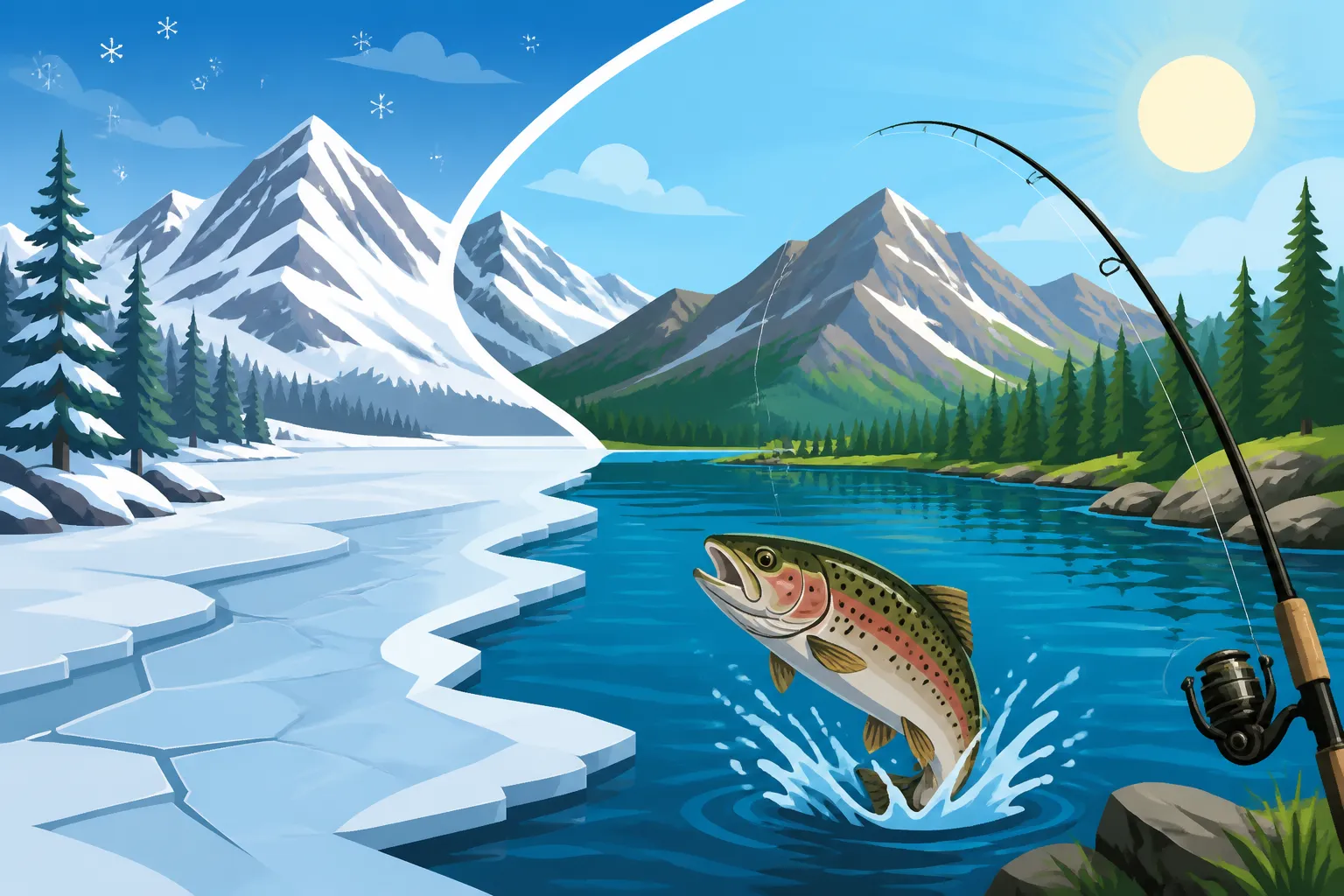
Ah, the annual anticipation! You've got that itch, don't you? That longing to escape the valley heat, leave the crowds behind, and cast a line into those crystal-clear, serene waters nestled high up in Oregon's magnificent Cascade Mountains. But there's always that frustrating question: "When, oh when, will the ice finally melt?" It feels like forever, and the information can be surprisingly scarce or contradictory. This guide is here to cut through the guesswork and help you understand the magic (and the science) behind when those breathtaking high Cascade lakes finally become ice-free and ready for your first casts of the season.
The Dance of Winter and Spring: Factors Influencing Ice-Off in High Cascade Lakes
Predicting the exact moment a high mountain lake shrugs off its icy blanket is less about marking a specific calendar date and more about understanding the complex interplay of several natural forces. It's a dance between the lingering grip of winter and the encroaching warmth of spring and early summer. If you want to be successful at high lake fishing, knowing these factors can give you a significant advantage in planning your trips.
Elevation's Role: The Higher, The Later
This might seem obvious, but it's the absolute cornerstone of predicting ice-off. Simply put, the higher the elevation of the lake, the longer it will typically hold onto its ice. Lakes nestled at, say, 4,000 to 5,000 feet might see their ice break up weeks, if not a month or more, before those hidden gems tucked away at 6,000 or 7,000 feet. It's a direct correlation: higher up means more sustained cold, deeper snowpack, and a slower thaw.
Think about the difference between a relatively accessible lake just off a main mountain pass, like one you might find near Santiam Pass, compared to a remote, unnamed tarn deep in the Three Sisters Wilderness. The lower lake might be accessible by late May or early June, while that high alpine beauty could still be locked solid well into July. This is why knowing the specific elevation of your target lake is the first piece of the puzzle. You can often find this information on topographical maps or through online resources dedicated to hiking and fishing in these areas.
Snowpack and Temperature: The Twin Engines of Thaw
Beyond elevation, the two most critical drivers of ice-off are the depth of the winter snowpack and the sustained temperatures of spring and early summer. These two work hand-in-hand, either accelerating or delaying the grand thaw. A winter with an exceptionally heavy snowpack means a thicker layer of ice and more insulating snow on top of that ice, effectively prolonging winter's chill.
Then comes temperature. It's not just about a few warm days; it's about sustained warmth. Days with strong sunshine and overnight temperatures that stay above freezing really kickstart the melting process. Solar radiation penetrates the ice, softening it from within, while warm air eats away at the surface. Conversely, a spring filled with cool, cloudy, and rainy weather can significantly delay ice-off, even after a moderate winter. Don't underestimate the wind either! A strong, warm wind can literally break up and push large sheets of ice around, especially on larger lakes, aiding in the final stages of the thaw.
Lake Characteristics: Size, Depth, and Aspect
Not all lakes are created equal when it comes to shedding their winter coat. The physical characteristics of the lake itself play a notable role. Generally, smaller, shallower lakes will warm up and become ice-free faster than larger, deeper bodies of water. Think of it like a puddle versus an ocean; the puddle heats up and freezes faster. A deeper lake has a much greater volume of water (thermal mass) that needs to warm up before the ice completely vanishes. It can take a long time for all that cold water to reach a point where it can no longer support the ice cover.
Another subtle but important factor is the lake's "aspect," or which direction its shores and surrounding topography face. A lake with a wide-open south-facing shoreline will receive more direct sunlight throughout the day compared to one tucked into a north-facing cirque, perpetually in shadow. This increased solar exposure often means that the southern shores or specific coves might open up first, offering early fishing opportunities even if the rest of the lake is still icy. Keep these subtle differences in mind as you scan those maps and plan your high-country adventures.
Navigating the Calendar: Typical Timelines for Ice-Off in Oregon's High Lakes
While every year is different due to the factors we just discussed, there are some general timelines that can help you anticipate when various high Cascade lakes in Oregon typically become ice-free. Think of these as a starting point, not a hard-and-fast rule, because Mother Nature always holds the final say. But having an idea of when things usually thaw can really dial in your planning for those coveted mountain trips. This is all part of understanding the broader Oregon Fishing Seasons Explained.
Early Bloomers: Lower Elevation Lakes
For those of us eager to get into the high country as soon as possible, the lower elevation Cascade lakes are usually the first to beckon. These are generally lakes found in the 4,000 to 5,000-foot range. You can often expect these "early bloomers" to start becoming ice-free anywhere from late May to mid-June. In a low snow year with a warm spring, you might even find some accessible and open by Memorial Day weekend.
These are often the lakes with relatively easier trail access or sometimes even drive-up access, making them popular choices for early-season trout fishing. They're great for shaking off the winter rust and enjoying the crisp mountain air without having to wait until mid-summer. Just remember that even if the lake is open, the access roads or trails might still have lingering snow patches, especially on north-facing slopes.
Mid-Summer Gems: Moderate Elevation Lakes
Moving a bit higher, into the 5,000 to 6,500-foot elevation band, you'll find the "mid-summer gems." These lakes typically shed their ice sometime between mid-June and early July. This window is when many of the most popular and scenic high Cascade lakes truly become accessible and fishable. This includes many of the lakes in areas like the Mount Jefferson Wilderness, the central Cascades near Bend, or those requiring a moderate hike.
The fishing around this time can be absolutely spectacular, as the trout are often very active after being under the ice for so long. The weather is usually more stable, and the wildflowers start to pop, adding to the allure. For many anglers, this mid-summer period offers the ideal balance of accessibility, good weather, and prime fishing conditions for those seeking the Best high mountain lake fishing near Bend or other similar locales.
Late Summer Rewards: High Alpine Basins
Finally, for the most adventurous among us, are the true high alpine basins. These are the pristine, often barren, lakes perched above 6,500 feet, sometimes even nearing 8,000 feet. They are the last to give up their ice, often remaining frozen until mid-July, and in heavy snow years, sometimes even into August. These are the destinations that require significant hiking, often across lingering snowfields and challenging terrain. If you're looking for the ultimate solitude and a true wilderness experience, these are your targets.
The fishing window in these highest lakes can be relatively short, sometimes only lasting a couple of months before the threat of early fall snows begins. However, the rewards can be immense: truly wild trout, breathtaking scenery, and a sense of accomplishment. Planning a trip to these spots requires even more diligence in checking conditions, as access roads and trails might be completely impassable until well into summer. This is truly when you're looking for the Best alpine lake fishing in the Cascades.
Here's a general table outlining typical ice-off periods for Oregon's high Cascade lakes:
| Elevation Range | Typical Ice-Off Period | Characteristics |
|---|---|---|
| 4,000 – 5,000 feet | Late May – Mid-June | Early access, smaller snowpack, popular. |
| 5,000 – 6,500 feet | Mid-June – Early July | Moderate snowpack, prime summer fishing, scenic. |
| 6,500 – 8,000+ feet | Mid-July – Early August | Heaviest snowpack, remote, shorter season, wild fish. |
Remember, these are averages. A particularly warm, dry spring could push these dates earlier, while a cold, wet spring following a heavy winter could delay them significantly. Always be prepared for variability. For more general guidance on the best times to experience the high country, check out our guide on the Best Time of Year to Fish in Oregon.
Staying Informed: How to Monitor Ice Conditions and Plan Your Trip
So, you've got a general idea of the timelines, but how do you get the most up-to-date information for your specific destination? Relying solely on historical averages can lead to disappointment or, worse, a dangerous situation. Being a smart angler means being an informed angler, especially when heading into the unpredictable high country.
Online Resources and Local Intel
Your absolute best friend in planning these trips is information. Start with the official sources. The Oregon Department of Fish and Wildlife (ODFW) website is invaluable. While they might not post daily ice-off reports for every single high lake, they often have current news, stocking reports (especially for easily accessible lakes), and general conditions for various fishing zones. Checking their district offices' updates or specific lake pages can yield crucial intel.
Beyond official channels, tap into the wealth of knowledge from the angling community. Online fishing forums, local tackle shops (especially those in towns near the Cascades like Bend, Sisters, or Oakridge), and guide services are goldmines of real-time information. These folks are often on the ground, or know someone who is, and can give you a true picture of road conditions, trail accessibility, and yes, ice status. Don't be shy about calling a local shop – they love to talk fishing! Additionally, some tech-savvy anglers use satellite imagery apps to literally see ice cover from space, though this can lag a few days behind real-time conditions.
The Art of the Reconnaissance Trip
Sometimes, the best way to know is to go, or at least go partially. If your target lake is accessible via a forest road or trail, consider a reconnaissance trip. This doesn't mean hiking all the way in with your gear, but rather driving as far as you safely can on forest roads to check snow levels. Are the roads clear? Are there huge drifts blocking access points? This kind of firsthand observation can be incredibly helpful.
When you do get close, always exercise extreme caution. Lingering snowfields can hide treacherous holes or thin ice. Never walk out onto ice that isn't completely solid, especially near inlets or outlets where currents can thin it from below. Look for open water near shorelines, stream inlets, or areas exposed to the most sun. Sometimes, just seeing open water along the edges is enough to confirm that the lake is actively thawing and your fishing window is approaching. Remember, safety should always be your top priority in the backcountry.
Gear Up for the Thaw: Preparing for High Lake Fishing After Ice-Off
Once you've determined your chosen high Cascade lake is ice-free (or nearly there!), it's time to shift your focus to preparation. Fishing right after ice-off means dealing with cold water, unpredictable mountain weather, and often very hungry, but sometimes finicky, trout. Having the right gear and employing the right techniques will make all the difference between a memorable trip and a miserable one.
Essential Gear for Cold Water Angling
When you head to the high country, think layers, layers, layers! The weather can change on a dime, going from sunny and pleasant to a cold, windy downpour in a matter of minutes. Start with moisture-wicking base layers, add insulating fleece or wool, and always, always have a waterproof and windproof outer shell. Insulated, waterproof hiking boots are a must, as you'll likely encounter wet trails, mud, and possibly lingering snow patches. Having a good quality pair of Best waders for cold water steelhead fishing might seem like overkill for a lake, but if you're exploring shorelines or need to wade out a bit to cast, they can be a lifesaver from the icy chill. You can find excellent options for all these items on platforms like Amazon, often with reviews that speak to their performance in real-world outdoor conditions.
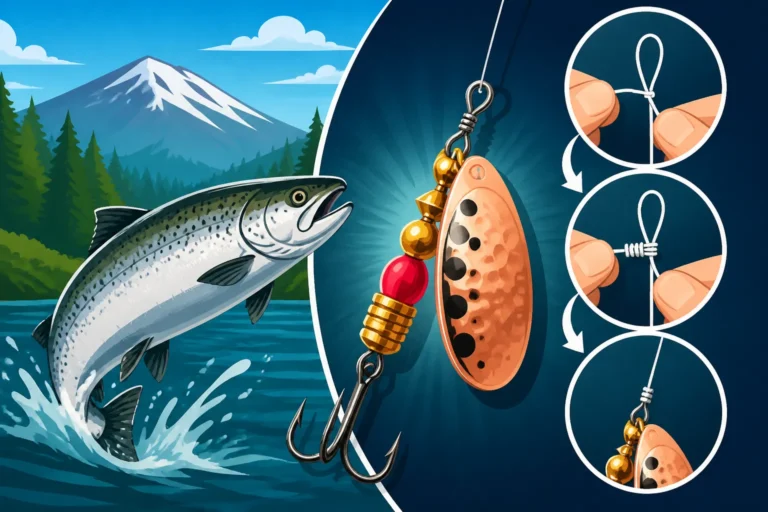
As for fishing gear, light tackle is generally the way to go for high lake trout. A sensitive spinning rod in the 6-7 foot range with a light action is perfect for casting small lures or bait. Pack an assortment of small spinners (Mepps, Rooster Tail, Panther Martin), spoons (Kastmaster, Little Cleo), and soft plastic baits. For bait anglers, PowerBait, worms, or even cured salmon eggs can be incredibly effective on recently thawed lakes. If you're a fly angler, a 3 to 5-weight rod with a floating line and a selection of nymphs (Prince Nymph, Hare's Ear), small streamers (Woolly Bugger), and perhaps some emerger patterns are essential. Many high lakes are stocked with Oregon Trout Species Guide like rainbow trout, which can be eager biters.
Techniques for Post-Ice-Off Success
Trout in recently thawed lakes are often hungry, but they can be lethargic in the cold water. The key is often a slow, deliberate presentation. Fish tend to congregate in shallower areas that warm up faster, especially near inlets where fresh water flows in, or at the lake's outlet. These areas often have more oxygen and food sources stirring up. Try casting near submerged logs, rocky points, or any structure that might offer cover.
For spin fishing, a slow retrieve with occasional pauses can entice a strike. Don't be afraid to let your lure or bait sink a bit before starting your retrieve. If using bait, a simple bobber or slip-sinker rig can keep your offering right in the strike zone. Fly anglers should focus on nymphing techniques, using an indicator to detect subtle takes, or slowly stripping small streamers. As the water warms through the day, you might see some insect activity and opportunities for dry flies, but nymphs and subsurface patterns are usually the most productive right after ice-off. For a deeper dive into techniques, our guide on Oregon Trout Fishing Techniques has more detailed advice. Understanding How to read water for trout fishing is also crucial, even in still waters, to identify those key feeding lanes and holding spots.
Safety First: Navigating Spring Conditions
Heading into the high Cascades after winter's long reign carries inherent risks that every angler must respect. Even if the lake is ice-free, the surrounding trails and access points can still be hazardous. Expect lingering snowfields, especially on north-facing slopes and in shaded areas, which can make trails difficult to follow or obscure hazards. Stream crossings can be swollen and dangerous due to snowmelt, and bank conditions can be muddy and slippery.
Always tell someone your exact itinerary, including your route, destination, and expected return time. Carry a map and compass (or a reliable GPS device) as trail markers might be buried or washed out. Pack extra layers, a first-aid kit, a headlamp, a fire starter, and plenty of food and water. The water in these lakes is still dangerously cold, so take precautions to avoid cold water immersion. Consider whether Do you need waders for Oregon river fishing? and if they will provide adequate protection. Even if you're only planning a day trip, be prepared for an unexpected overnight stay. The mountains are beautiful, but they demand respect.
Disclaimer
This article is for general informational purposes only and does not constitute professional advice. Laws, prices and regulations vary by location and change over time. Consult a qualified professional for guidance on your specific situation.