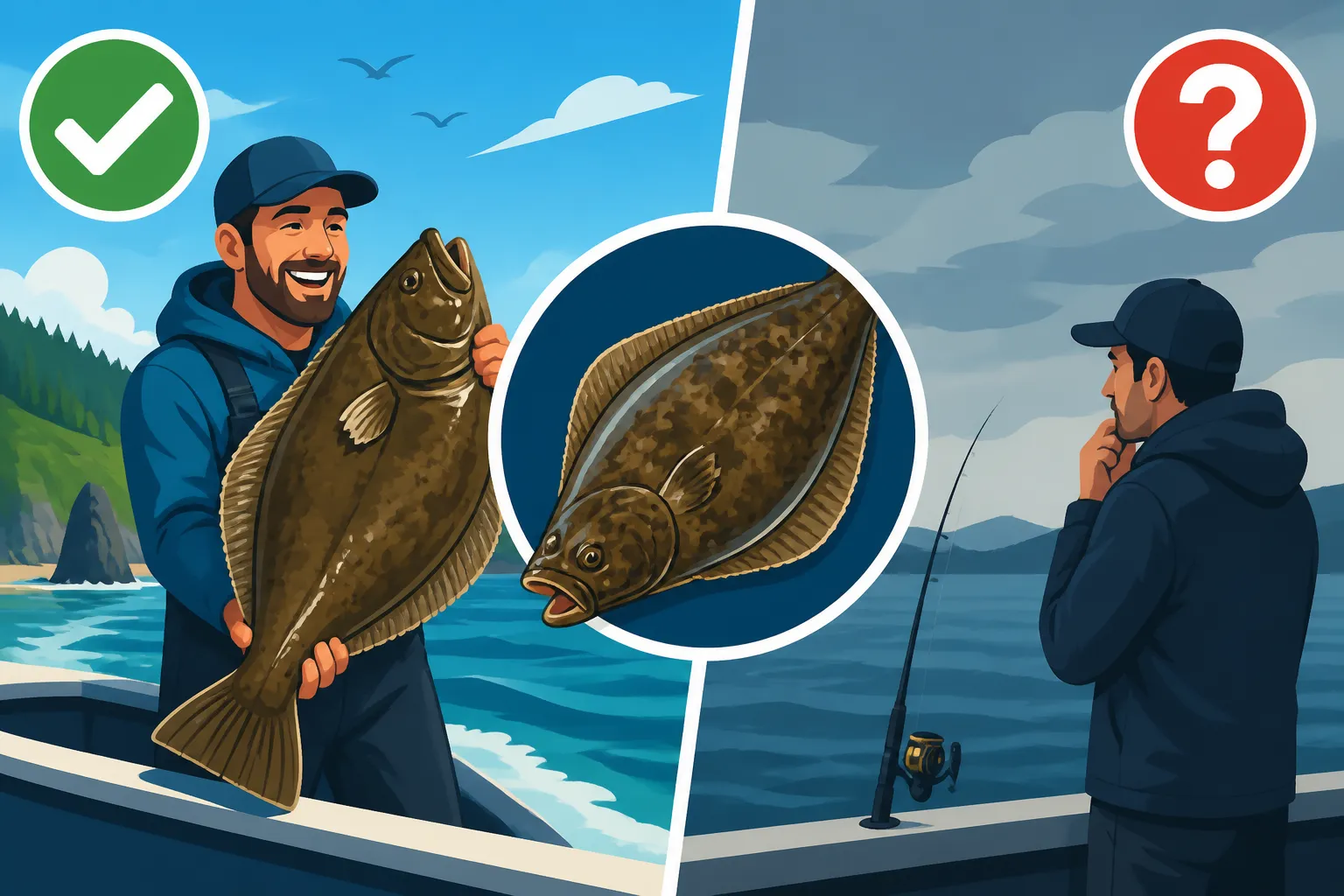
Does a 12 hour halibut charter guarantee a catch?
It's a question many of us ask when we're dreaming of that trophy catch: does booking a long, expensive charter trip, say a 12-hour halibut excursion off the Oregon Coast, actually guarantee you'll land a fish? The honest, if sometimes disappointing, truth is that when you're dealing with wild animals in their natural, vast environment like the Pacific Ocean, there are simply no guarantees. This guide will help you understand why that is, what factors truly play a role in your success, and how you can maximize your chances for a fantastic, and hopefully fruitful, day out on the water.
The Truth About Halibut Fishing: No Guarantees in the Wild Ocean
Let's face it, we all want to bring home dinner, especially when we've invested time, money, and anticipation into a fishing trip. The idea of a 12-hour halibut charter often conjures images of a boat overflowing with big, flat fish. While that's certainly the dream, it’s crucial to understand that fishing, particularly for deep-sea species like Pacific halibut, is not like buying groceries from a store where the product is guaranteed. You're entering the fish's world, and their behavior, the environment, and a myriad of unpredictable elements are ultimately in charge.
Understanding the "No Guarantee" Principle
Imagine going on a safari to see a lion. You might spend all day driving through the savanna, and while the guides are experts and know the usual haunts, there's no way they can promise a lion will appear right on cue. Fishing is remarkably similar. Halibut are wild, migratory creatures with their own instincts and routines, which are constantly influenced by factors we can't control. They don't have a schedule for feeding or being caught.
This isn't to say that charter captains aren't highly skilled. Quite the opposite! Oregon Fishing Charter Guide services and their crews dedicate their lives to understanding these patterns, the best spots, and the most effective techniques. They work incredibly hard to put you on fish, using years of experience, sonar technology, and real-time knowledge of fishing reports. However, even with all that expertise, the ocean can be fickle. A change in current, a sudden drop in water temperature, an abundance of natural food sources, or even just the fish being in a "mood" can mean a slower bite than expected. It's part of the challenge and the allure of the sport, accepting that every trip is an adventure with an unknown outcome.
The Nature of Halibut and Their Habitat
Pacific halibut are fascinating creatures, known for their immense size and delicious white flesh. They are also incredibly adept at camouflaging themselves on the ocean floor, blending in perfectly with sandy or gravelly bottoms. These bottom-dwellers prefer deeper, cooler waters, often congregating around underwater structures, ledges, and drop-offs. Their movements are influenced by complex ocean currents, food availability, and spawning cycles.
Consider the sheer vastness of the Pacific Ocean off the Oregon Coast. Even with GPS coordinates for known halibut "holes" and sophisticated fish finders, locating a scattered population of bottom-dwelling fish in thousands of acres of water is a monumental task. A 12-hour trip gives you more time to cover ground, try different spots, and wait out a bite, but it doesn't fundamentally change the wild nature of the quarry. Sometimes, despite all efforts, the fish simply aren't biting in that particular area, or they've moved on to new feeding grounds. Understanding this helps manage expectations and allows you to appreciate the pursuit itself, rather than solely focusing on the fish in the cooler.
Key Factors Influencing Your Halibut Charter Success in Oregon
While no catch is guaranteed, many elements contribute significantly to your chances of success on an Oregon halibut charter. These aren't just about luck; they're about informed decisions, preparation, and the hard work of your charter crew.
Weather, Tides, and Ocean Conditions
If there's one thing that dictates a successful day of deep-sea fishing more than anything else, it's the weather and ocean conditions. Anyone who's spent time on the Oregon Coast knows how quickly the weather can change. Calm, sunny mornings can give way to choppy seas and strong winds in a matter of hours. Halibut prefer stable conditions, and extreme changes can affect their feeding behavior and where they decide to hold.
- Swell and Wind: Large swells and strong winds make it incredibly difficult to fish effectively. The boat drifts too fast, making it hard for your bait to stay on the bottom. It also makes it less comfortable, and potentially unsafe, for anglers. Charters will often reschedule or focus on more sheltered areas if conditions are rough.
- Tides and Currents: Halibut are sensitive to current. While some current is good for dispersing bait and encouraging feeding, too much can make it impossible for your bait to reach the bottom or stay put. Experienced captains understand the tidal swings and current patterns that are most conducive to halibut fishing in specific areas off the coast, from Newport to Depoe Bay. They'll plan their fishing strategy around these natural rhythms, often targeting slack tide periods or areas with more moderate currents.
The Expertise of Your Charter Captain and Crew
This is perhaps the biggest factor you can control when booking a trip. A great captain and crew are your absolute best asset on a halibut charter. They aren't just boat drivers; they are marine meteorologists, navigators, fish behavior experts, and skilled anglers rolled into one. When you're looking for a Halibut Charter Trips off Newport or elsewhere along the coast, ask about the captain's experience.
- Local Knowledge: A seasoned captain has spent countless hours on the water, mapping out the ocean floor in their mind. They know where the halibut tend to hold during different times of the year, which structures are most productive, and how the fish react to varying conditions. This intimate knowledge of the local fishing grounds is invaluable, especially for a bottom-dwelling species like halibut.
- Adaptability: The ocean is dynamic. A good captain constantly monitors sonar, currents, and even the "feel" of the bite. If a spot isn't producing, they won't hesitate to pull up and move to another. They'll also adjust techniques, bait, and tackle based on what the fish are telling them. This adaptability significantly increases your chances, as they're not just sticking to a predetermined plan but reacting to real-time conditions.
- Angler Guidance: For many, a halibut charter is a new experience. The crew will show you how to properly drop your lines, work your bait, and most importantly, how to fight a big halibut when it bites. Their encouragement and advice can make all the difference in turning a nibble into a landed fish.
Timing Your Trip: Seasons and Fishing Pressure
Halibut fishing off Oregon is highly regulated to ensure the sustainability of the fishery, meaning there are specific seasons and quota limits. The timing of your trip within these windows can heavily influence your success. For detailed information, always check When does Oregon halibut season open and the latest regulations.
- Peak Season vs. Early/Late Season: While halibut can be caught throughout their open season, there are often peak periods when the fish are more concentrated or actively feeding. This might be influenced by spawning cycles, migration patterns, or bait availability. Booking during these historically productive times, if possible, can give you an edge.
- Quota Management: Oregon's halibut fishery often operates under a quota system, which means the season can close suddenly once the allocated poundage of fish has been caught. This can create a rush during early season dates, leading to higher fishing pressure on the fish. Later in the season, if quota remains, the pressure might ease, but the fish might also be more dispersed.
- Weekdays vs. Weekends: Like many popular fisheries, weekdays often see less boat traffic than weekends. Less pressure on the fish can sometimes lead to better fishing. If your schedule allows, a mid-week trip might be worth considering.
| Factor | Impact on Catch Guarantee | Description |
|---|---|---|
| Wild Fish Behavior | No Guarantee | Halibut are wild animals. Their feeding patterns, migrations, and willingness to bite are unpredictable and influenced by countless natural variables. |
| Ocean Conditions | Significant Influence | Weather, swell, wind, and currents directly affect fishing comfort, bait presentation, and fish activity. Bad conditions can shut down a bite or make it impossible to fish effectively. |
| Captain's Expertise | High Influence | A skilled captain with local knowledge can significantly increase your chances by finding productive spots, adapting to conditions, and guiding anglers. |
| Season & Regulations | High Influence | Halibut fishing is highly regulated with specific seasons and quotas. Fishing during prime seasons within these regulations offers better prospects, but intense pressure can also affect outcomes. |
| Angler Participation | Moderate Influence | Listening to the crew, actively working your gear, and proper technique can make a difference between missing a bite and landing a fish. |
| 12-Hour Trip Duration | Increases Opportunity | More time on the water allows for traveling further, trying more spots, and waiting out slow periods, thereby increasing the opportunity for a bite, but still no guarantee. |
Strategies to Boost Your Odds for a Halibut Catch
So, if there are no guarantees, what can you do to stack the odds in your favor and make that 12-hour halibut charter as successful as possible? Plenty! It starts before you even step foot on the boat.
Researching and Booking the Right Charter
Choosing your charter is the single most important decision you'll make. Not all charter operations are created equal, and their reputation often speaks volumes about their commitment to putting clients on fish. You'll want to ensure you're booking a reputable service that specializes in halibut.
- Read Reviews and Ask for Recommendations: Look for charters with consistent positive reviews regarding their success rates, the professionalism of their crew, and the quality of their equipment. Websites like FishingBooker are excellent resources for finding and comparing charters, reading reviews from past customers, and seeing what other anglers experienced. Ask friends, local tackle shops, or fishing forums for personal recommendations.
- Inquire About Experience: Don't hesitate to ask how long the captain has been fishing for halibut in the specific area you'll be targeting. Experience matters immensely in deep-sea fishing. A captain who has spent decades learning the nuances of a particular fishery will have an advantage.
- Understand What's Included: Clarify what the charter price covers. Does it include bait, tackle, and fish cleaning? Most do, but it's good to confirm. Remember, you'll still need your Oregon Fishing License Guide and the specific Oregon Ocean Endorsement to legally fish for halibut. Some charters might offer assistance with this, but it's ultimately your responsibility to have them ready.
Preparing for Your Day on the Water
Once you've booked your charter, your preparation before the trip can significantly enhance your comfort and ability to fish effectively. A miserable angler is rarely a successful one.
- Dress in Layers: The Oregon Coast can be chilly and damp, even on what seems like a nice day. Layering allows you to adjust to changing temperatures. Think waterproof outer layers, warm base layers, and good non-slip shoes. Check out What should I bring on an Oregon fishing charter for a more complete packing list.
- Combat Seasickness: If you're prone to seasickness, this is critical. A 12-hour trip on the open ocean can be rough, and getting sick will ruin your day and diminish your ability to fish. Start taking preventative medication like Dramamine or Bonine the night before, or at least two hours before departure. There's also ginger, acupressure bands, and patches, but consult with your doctor about what's best for you. Don't underestimate the ocean's power; read Is seasickness common on Oregon ocean charters? for more insights.
- Eat and Hydrate: Have a good, non-greasy breakfast, and bring plenty of water and snacks for the day. Staying hydrated and fueled will keep your energy up for those long hours of fishing.
- Get Your License and Tags: Double-check that you have your valid Oregon fishing license, including the required ocean endorsement. For halibut, you'll also need to be aware of any specific tag requirements. This is a must for legal fishing and avoids unnecessary penalties.
Mastering the Fishing Technique (or at least following instructions)
Even with the best captain and gear, your own engagement as an angler plays a role. You don't need to be an expert, but being attentive and receptive to instruction is key.
- Listen to the Crew: The deckhands and captain will provide instructions on how to drop your line, detect a bite, and reel in a halibut. These instructions are based on their extensive experience and are designed to maximize your chances. Follow them carefully! They'll show you How to Fish for Halibut off the Oregon Coast effectively.
- Stay Engaged: Deep-sea fishing for halibut often involves waiting. Don't let your mind wander too much. Pay attention to your rod tip. Halibut bites can sometimes be subtle, a slight tap or a gentle bend in the rod, before they really commit. If you're holding your rod, feel for those slight changes. If you're using a rod holder, keep an eye on the tip for any unusual movement.
- Be Ready to Work: When a halibut bites, it can be a serious fight. They are powerful fish. Be prepared to reel steadily, pump the rod, and follow the crew's directions on how to bring the fish to the surface. It's exhilarating and requires physical effort, but the reward is worth it! Familiarize yourself with how big Pacific Halibut off Oregon can get, and you'll understand why it's a battle.
The Fuller Experience of an Oregon Halibut Charter: More Than Just the Catch
While landing a halibut is certainly the highlight for most anglers, focusing solely on the "guarantee" of a fish can cause you to miss out on the other incredible aspects of an Oregon fishing charter. A 12-hour trip is an immersive experience in itself, offering opportunities far beyond just filling the cooler.
Beyond Halibut: Other Species You Might Encounter
Even if the halibut bite is slow, the ocean is a vibrant ecosystem teeming with other fascinating fish. Many charters will pivot to other species if halibut aren't cooperating, or if clients express interest in a mixed bag. This adds another layer of excitement and opportunity to your trip.
- Rockfish and Lingcod: The waters off Oregon are rich in various species of rockfish (such as Black Rockfish, Vermilion Rockfish, and Copper Rockfish) and lingcod. These fish are delicious, put up a respectable fight, and are often found in similar areas as halibut, around rocky reefs and structures. Many charters will offer "combo" trips where you target both halibut and bottom fish, ensuring you have a good chance of taking something home. The Oregon Daily Bag Limits Explained will cover these species too.
- Tuna, Salmon, or Crabs (Seasonally): Depending on the time of year and specific regulations, some charters might offer opportunities for other highly prized species. During late summer and early fall, albacore tuna can be abundant offshore, providing an incredibly fast-paced, action-packed fishery. Oregon Salmon Fishing Techniques are popular in other areas. Some charters might even drop crab pots, allowing you to go home with fresh Dungeness crab in addition to your fish. Always clarify these options when booking, as they are often separate trips or require specific timing.
Appreciating the Adventure and Marine Environment
An Oregon halibut charter is an adventure into one of the most rugged and beautiful coastlines in the world. Taking a moment to soak it all in, regardless of what's bending your rod, can make the trip truly memorable.
- Stunning Scenery: The view from miles offshore is breathtaking. You'll see the iconic Oregon coastline, often dotted with lighthouses and dramatic cliffs, from a unique perspective. Keep an eye out for marine wildlife, too! Whales, dolphins, seals, and a variety of seabirds are common sights and add another layer of wonder to your day.
- Learning and Experience: A charter trip is an incredible learning opportunity, especially if you're new to deep-sea fishing. You'll gain hands-on experience with specialized gear, learn about fish behavior, and pick up valuable techniques from seasoned professionals. Even without a trophy halibut, the knowledge and skills you acquire are priceless.
- Shared Company: Whether you're with family, friends, or fellow anglers you just met, a day on the water fosters camaraderie. There’s something special about facing the elements together, sharing stories, and celebrating each other’s successes. The bonds formed on a fishing boat can last long after the trip is over.
- The Thrill of the Unknown: Ultimately, the lack of a guarantee is what makes fishing so exciting. It's the challenge, the anticipation, and the pure joy when that rod finally bends under the weight of a powerful halibut that makes all the effort worthwhile. It’s a testament to the wild, untamed spirit of nature, and being a part of it, even for a day, is a privilege.
So, while a 12-hour halibut charter off the Oregon Coast doesn't guarantee a catch, it absolutely guarantees an incredible experience, an opportunity to learn, and the thrilling possibility of landing one of the ocean's most prized fish. Go with an open mind, be prepared, and let the adventure unfold!
Disclaimer
This article is for general informational purposes only and does not constitute professional advice. Laws, prices and regulations vary by location and change over time. Consult a qualified professional for guidance on your specific situation.