Best charter for a group of six anglers
Gathering a group of friends or family for an epic fishing adventure in Oregon is an exciting prospect, but when that group hits six anglers, the challenge often becomes finding a charter boat that offers enough space, comfort, and the right experience for everyone. It's not just about fitting on the boat; it's about making sure every person has a shot at catching fish and enjoying the day without feeling cramped or overlooked. This guide will walk you through what to look for, where to go, and how to pick the best charter to ensure your group of six has a truly memorable Oregon fishing trip.
Why Group Size Matters for Oregon Fishing Charters
When you're planning a fishing trip, the number of people in your party is one of the most crucial details. For a group of six, you're right on the cusp where some smaller, more intimate charters might feel a bit snug, while larger "head boats" could mean you lose some of the personalized attention. It's all about striking that perfect balance.
Vessel Capacity and Comfort
Imagine six excited anglers, each with their own rod, tackle box, and perhaps a cooler or backpack, all trying to share a deck. On smaller charter boats designed for four or fewer passengers, this scenario can quickly turn into a tangle of lines and elbows. You want a vessel that offers ample deck space, not just for standing, but for casting, reeling, and moving around comfortably, even when someone hooks into a big one. For a group of six, you're usually looking for a boat that's comfortably rated for 6-8 passengers. This typically means a vessel ranging from 28 to 35 feet or even larger, providing enough beam and length to spread out.
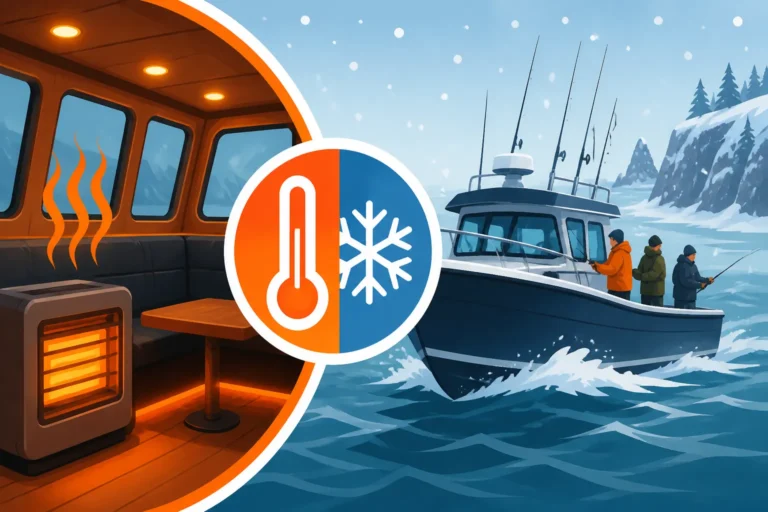
Beyond just physical space, comfort also means having amenities. Does the boat have a heated cabin for cooler mornings or unexpected drizzles? Is there a marine head (toilet) on board, which becomes exponentially more important with more people? These might seem like minor details, but they can significantly impact the overall enjoyment of your group, especially if some members aren't seasoned ocean anglers. A spacious deck also allows for better interaction, so your group can chat, share stories, and celebrate catches together without feeling like they're shouting across a football field or whispering in a closet.
Equipment and Space Considerations
Fishing is an active sport, and when you have six lines in the water, organization is paramount. A good charter for a group of six will have ample rod holders, designated spots for tackle boxes, and enough room at the rail or gunwale for everyone to fish simultaneously without lines crossing. There’s nothing quite as frustrating as constant line tangles because everyone is too close, or having to wait your turn to cast because there simply isn’t enough room. The captain and deckhand on a quality charter will be adept at managing multiple lines and anglers, but even they need enough physical space to work effectively.
Consider the type of fishing you'll be doing. If you're bottom fishing, everyone might be vertical jigging over the side, which requires individual space. If you're trolling for salmon, you'll need room to move around the boat if a fish takes off, potentially crossing behind other lines. For a group of six, you should confirm with the charter how they manage multiple hook-ups and ensure everyone has an equal opportunity to fight their fish without interference. The goal is for everyone to have their own "fishing zone" on deck, minimizing frustration and maximizing the fun.
The Social Aspect of Group Fishing
One of the best parts about fishing with friends or family is the shared experience. The laughter, the friendly competition, the shared excitement of a bite – these moments are what make memories. A cramped boat can unfortunately detract from this social dynamic. When people are squished together, it's harder to move, harder to talk, and can lead to accidental bumping or stepped-on toes.
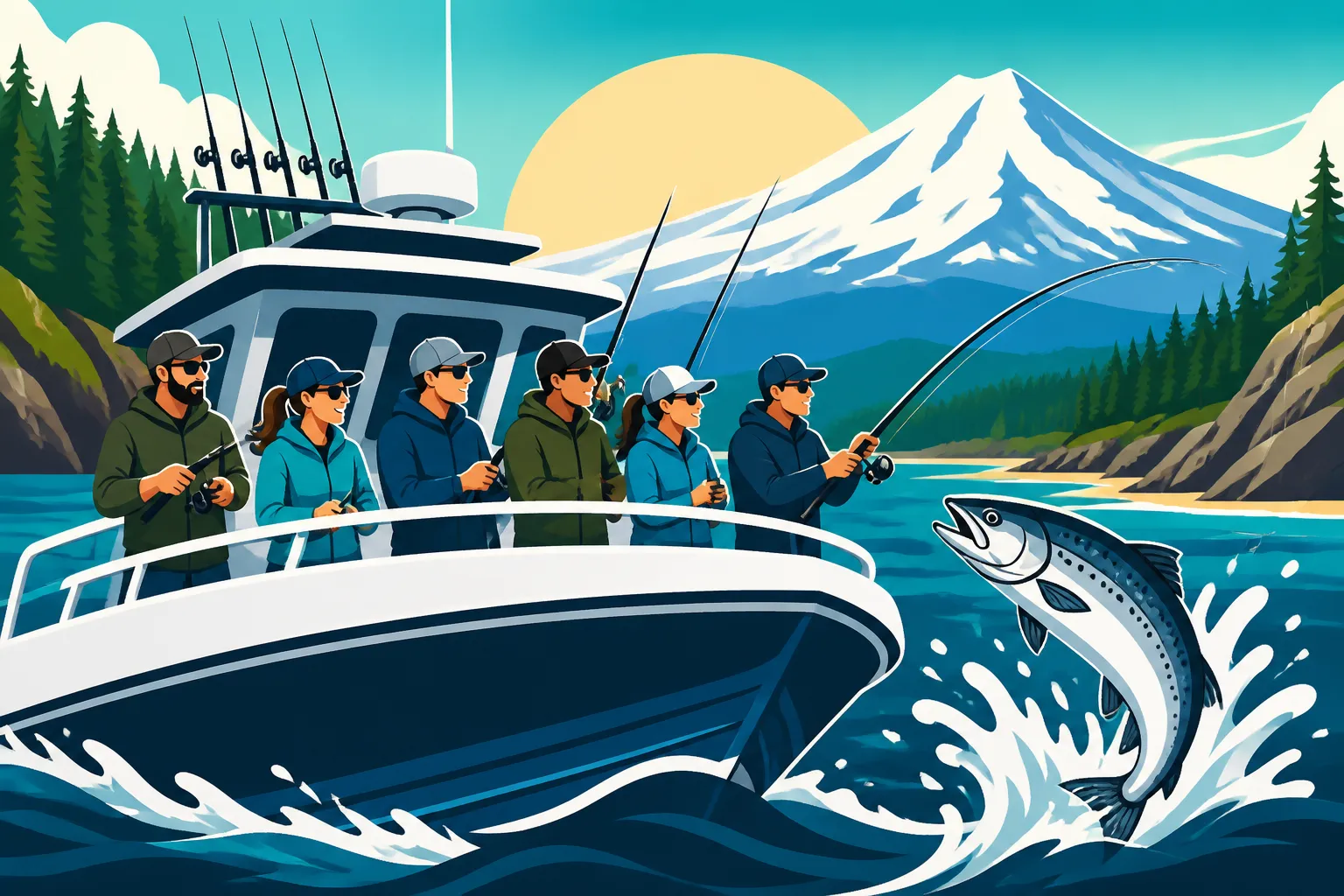
A charter that’s well-suited for six anglers fosters a more relaxed and interactive environment. You want a boat where your group can spread out, enjoy conversations, and have a clear view of the action without jostling for position. It allows for better photo opportunities, too! You'll be able to capture those moments of triumph or even the comical struggles of a first-timer with plenty of room to maneuver. When choosing your vessel, think about the overall flow of the deck and how easily six individuals can comfortably coexist and engage throughout the day.
Key Factors When Choosing a Charter for Six Anglers
Selecting the right charter for your group isn't just about the boat size; it involves a blend of practical considerations, personal preferences, and a little bit of research. For six people, these factors become even more critical to ensure everyone's enjoyment.
Private vs. Open-Load Charters
This is often the first major decision for a group of six.
-
Private Charters: This is generally the sweet spot for a group of your size. When you book a private charter, you're reserving the entire boat and crew for just your group. This means:
- Customization: You often have more say in the target species (within season and limits, of course), the duration of the trip, and even the pace of the day. If your group is really keen on Oregon Salmon Fishing Techniques or How to Fish for Halibut off the Oregon Coast, a private charter can tailor the experience.
- Comfort and Space: As discussed, the entire deck is yours. No strangers, no awkward conversations, and plenty of room for your gear.
- Personalized Attention: The captain and deckhand can focus entirely on your group's needs, offering more coaching to beginners, untangling lines faster, and generally making the experience feel bespoke. If you have varied skill levels within your group, this personalized touch is invaluable.
- Cost Efficiency: While the upfront cost might seem higher than per-person rates on a "head boat," when divided among six people, it often becomes quite comparable, if not a better value, given the exclusive experience.
-
Open-Load (Party Boat/Head Boat) Charters: These boats sell individual spots, meaning you'll share the deck with other anglers you don't know.
- Potential for Crowds: While many party boats are large and can accommodate dozens, six people in a sea of twenty or more can still feel less intimate. Your group might get spread out along the rail.
- Less Customization: The captain operates on a fixed schedule and target species, catering to the collective rather than specific groups.
- Cost: Often cheaper on a per-person basis, but you sacrifice privacy and personalized service.
For a group of six, a private charter almost always offers a superior experience, fostering camaraderie and ensuring everyone gets the most out of the trip. You can easily find options by searching for "private fishing charters Oregon" or using platforms like FishingBooker, which often allow you to filter by boat capacity and type.
Target Species and Trip Type
Oregon offers an incredible diversity of fishing, from battling mighty salmon in the rivers or ocean to jigging for rockfish on rocky reefs, or chasing halibut in deep water. Before you book, it's crucial that your group decides what kind of fishing experience you're after.
- Ocean Salmon: Think Chinook and Coho. This typically involves trolling. Boats need good speed and stability.
- Halibut: Often involves deeper water, heavier gear, and can be a longer trip. Boats need a good fishing platform and robust equipment. If you're interested, you might want to look at Halibut Charter Trips off Newport.
- Bottom Fishing (Rockfish, Lingcod): Usually jigging or bait fishing over reefs. Less demanding on the boat itself, but stability is still key.
- Tuna (Albacore): This is an offshore adventure, requiring faster, larger boats with significant fuel capacity and the ability to handle rougher seas. These are often longer, full-day or even multi-day trips.
- River/Bay Fishing (Sturgeon, Salmon, Crabbing): While this guide focuses on charters, if your group is interested in river experiences, know that smaller, specialized drift boats or jet boats are common for river salmon and steelhead. For crabbing, you might look into Crabbing Charter Trips in Oregon.
Each of these trip types requires a different kind of boat, gear, and captain's expertise. Make sure the charter you choose specializes in the type of fishing your group wants to do. A charter known for excellent bottom fishing might not be the best for an offshore tuna run, and vice versa. Discussing Oregon Fishing Seasons Explained can help align expectations about what species are available.
Reputation and Crew Experience
When you’re entrusting your group’s safety and enjoyment to a charter, the captain and crew’s reputation is paramount. A skilled captain not only knows where the fish are but also how to ensure a safe, efficient, and enjoyable trip for everyone on board.
- Safety First: A reputable charter prioritizes safety. Look for captains who are licensed and insured, and whose boats are well-maintained and equipped with all necessary safety gear. Don't hesitate to ask about their safety protocols.
- Fishing Expertise: An experienced crew knows the local waters, tides, and fish behavior. They'll know which baits and lures are working, how to read the sonar, and how to put your lines in the best possible position. For a group of six, having a skilled deckhand is almost as important as the captain, as they'll be helping with baiting hooks, untangling lines, gaffing fish, and assisting multiple anglers simultaneously.
- Customer Service: Beyond just catching fish, the crew's attitude and ability to interact positively with your group are crucial. Are they patient with beginners? Do they engage with the group? Read reviews on platforms like FishingBooker or Google to get a sense of how past clients have rated their experience. Look for comments that specifically mention how the crew handled groups or first-time anglers. A good crew makes everyone, from the seasoned veteran to the complete novice, feel welcome and successful.
Cost Considerations for a Group
Budgeting for a group of six requires clear communication among everyone involved. Charter costs can vary significantly based on location, trip duration, target species, and whether it's a private or open-load trip.
Generally, private charters for six will involve a single price for the boat, which you then divide among your group. This can often work out to be a very reasonable per-person cost for the exclusive experience. Make sure you understand what’s included in the price:
- Basic Trip Fee: This covers the boat and crew for the agreed-upon duration.
- Gear & Bait: Most charters include rods, reels, tackle, and bait, but always confirm.
- Fish Cleaning: Some charters offer basic cleaning and filleting as part of the service, while others might charge a small additional fee or expect you to do it yourself post-trip.
- Licenses & Endorsements: Crucially, your Oregon Fishing License Guide and any necessary endorsements (like the Oregon Ocean Endorsement for ocean fishing or Oregon Columbia River Basin Endorsement for certain areas) are almost always not included in the charter price. Each angler must purchase these separately before the trip.
- Gratuity: Tipping the captain and deckhand is customary for good service, usually 15-20% of the total trip cost. This should be factored into your group's budget.
Have an open discussion with your group about the total expected cost per person, including licenses and tips, to avoid any awkward moments at the dock.
Top Oregon Locations for Group Charters
Oregon's coastline and major rivers offer fantastic fishing opportunities, but some locations are better suited than others for accommodating a group of six on a charter.
Newport: A Hub for Diverse Ocean Charters
Newport, situated on the central Oregon coast, is arguably one of the most popular and well-equipped towns for ocean fishing charters. Its large, protected bay (Yaquina Bay) provides excellent moorage and easy access to diverse offshore fisheries.
- Species Variety: From Newport, your group can target spring and fall Chinook salmon, a variety of bottom fish like lingcod and rockfish (a favorite for groups as the action can be consistent), and during specific seasons, the highly sought-after Pacific halibut. These diverse options mean you can often find a trip that appeals to everyone in your group. If one species isn't biting, there's usually a plan B. Many charters here also offer combo trips – like bottom fishing in the morning and crabbing on the way back in, which can be a huge hit with a group.
- Charter Fleet: Newport boasts a substantial fleet of charter boats, ranging from smaller vessels perfect for your group of six to larger party boats. This means more options for private charters that can accommodate your group comfortably. You’ll find experienced captains who know the local hotspots and can adapt to changing conditions.
- Amenities: Newport is a full-service coastal town with plenty of accommodations, restaurants, and other attractions, making it a great destination for a multi-day trip for your group. Newport Oregon Fishing Charters are plentiful, and they are generally well-versed in handling groups of all experience levels.
Astoria and the Columbia River Mouth: Fall Chinook Galore
If your group's ultimate goal is to hook into a trophy fall Chinook salmon, then Astoria and the mouth of the Columbia River (specifically the renowned "Buoy 10" fishery) should be at the top of your list.
- Fall Chinook Focus: During late summer and early fall, millions of salmon stack up at the mouth of the Columbia before heading upstream. This creates one of the most prolific salmon fisheries in the world. Charters in Astoria specialize in this fishery, using techniques like trolling with various lures and baits.
- Boat Size & Type: The Columbia River requires larger, stable boats capable of handling the strong currents and potential chop. Many charters here are perfectly sized for six anglers, often with spacious decks designed for multiple lines in the water simultaneously.
- Timing is Key: The Fall Chinook Season Timing on the Columbia is specific, typically running from August through early September. Booking well in advance is crucial for this popular fishery. While the focus is heavily on salmon, some charters might also offer sturgeon fishing trips in the lower Columbia, especially for catch-and-release opportunities. Exploring Astoria Oregon Fishing Charters will give you a good idea of the specialized guides available.
Depoe Bay, Garibaldi, and Other Coastal Towns
While Newport and Astoria are major hubs, don't overlook other fantastic coastal towns that offer excellent group charter options.
- Depoe Bay: Known as the "Whale Watching Capital," Depoe Bay also has a strong charter fleet specializing in ocean fishing, particularly for halibut and bottom fish. It offers quick access to offshore waters due to its unique harbor. Depoe Bay Oregon Fishing Charters are a solid choice, often with a slightly more boutique feel.
- Garibaldi: Located on Tillamook Bay, Garibaldi is excellent for bay and ocean fishing. It's a prime spot for crabbing and offers good access to ocean salmon and bottom fishing. Its charters often combine a bit of everything. Your group could have a fantastic day trying to fill crab pots and then heading out for some rockfish. Check out Garibaldi Oregon Fishing Charters for more.
- Winchester Bay & Charleston: Further south, towns like Winchester Bay and Charleston (near Coos Bay) offer charters specializing in ocean salmon, halibut, and bottom fishing, often with less crowded launch ramps and fishing grounds. Winchester Bay Oregon Fishing Charters and Charleston Oregon Fishing Charters provide access to some fantastic southern Oregon fisheries.
Each of these locations has its unique charm and specialties. When choosing, consider not just the fishing but also the overall experience and amenities the town offers for your group.
Preparing Your Group for a Successful Trip
A successful group fishing trip isn't just about the charter boat or the fish. A little bit of pre-planning and communication within your group can make all the difference, ensuring everyone has a smooth and enjoyable day on the water.
Communication is Key Pre-Trip
Before you even step foot on the boat, make sure everyone in your group is on the same page about expectations and logistics.
- Trip Details: Clearly communicate the departure time, meeting location, and estimated return. Emphasize the importance of punctuality – a charter boat waits for no one!
- What to Bring: Provide a comprehensive list of essentials:
- Fishing Licenses & Tags: Remind everyone that they must have their valid Oregon fishing license and any required endorsements (like an ocean endorsement) before the trip. Many charters cannot legally take you if you don't have these. They can often be purchased online, sometimes even the night before, but it's best to do it well in advance. Consider linking to Where to Buy an Oregon Fishing License.
- Food and Drink: While some charters provide coffee or water, it's generally a bring-your-own affair for snacks, lunch, and non-alcoholic beverages. Pack enough for the duration of the trip.
- Appropriate Clothing: Dress in layers! Oregon's weather can change quickly, especially on the ocean. Waterproof outerwear, warm hats, and gloves are often critical, even in summer. Good non-slip footwear is also a must.
- Sun Protection: Sunglasses, sunscreen, and a brimmed hat are vital, as the sun's glare off the water can be intense.
- Coolers: Bring one for your catch (labeled clearly!) and another for your food and drinks if you want to keep them separate.
- Seasickness Medication: If anyone in your group is prone to motion sickness, advise them to take preventative medication before boarding, as it's far less effective once symptoms start.
- Trip Type & Target Species: Reiterate what kind of fishing you’ll be doing. If some members of your group aren't comfortable with certain techniques or fishing for particular species, this is the time to address it.
- Cost Breakdown: Confirm everyone understands their share of the charter cost and the expected gratuity for the crew. Decide whether you’ll collect funds beforehand or handle it at the dock.
Onboard Etiquette for Six Anglers
Once you’re on the water, a little bit of shared understanding about boat etiquette can make the experience smoother for everyone.
- Listen to the Crew: The captain and deckhand are in charge of your safety and fishing success. Their instructions are paramount. Pay attention to safety briefings, fishing instructions, and any rules about moving around the boat.
- Mind Your Space: Even on a spacious boat, six anglers require conscious effort to respect each other's personal space. When casting, look around to ensure your hook isn't going to snag a fellow angler. If someone hooks a fish, be prepared to reel in your line if the crew asks you to, to avoid tangles and give the fighting angler room.
- Tangling Lines: It happens to everyone. The key is to alert the deckhand immediately and calmly, rather than trying to fix it yourself and making it worse.
- Waste Management: Boats have limited trash storage. Pack out what you pack in, and use designated receptacles for garbage. Never toss anything overboard.
- Patience and Humor: Fishing can have its slow moments. Encourage good spirits, conversation, and a sense of humor, especially when dealing with tangles or missed bites. It’s a group experience, and positive energy is contagious.
Post-Trip Fish Handling and Sharing
The trip isn't over when the lines come in! How you handle your catch and divide it among your group is an important final step.
- Cleaning and Filleting: Clarify with your charter ahead of time if they offer fish cleaning and filleting services, and if there's an extra charge. If they do, they'll usually do it at the dock after the trip. If not, make sure someone in your group is prepared to do it, or research local fish processing options.
- Dividing the Catch: Before the trip, discuss how your group will divide any fish caught. Will it be an even split, or will the person who caught the fish keep it? For salmon or halibut, it's often easiest to split the fillets evenly by weight. For bottom fish, which can yield many smaller fillets, it's usually a simpler matter to divide them up. Having this conversation beforehand prevents any awkwardness or disputes at the end of a successful day.
- Cooler Management: Ensure you have enough ice in your coolers to keep your catch fresh for the drive home. Proper handling immediately after cleaning is essential for maintaining fish quality.
By addressing these points upfront, your group of six can focus less on logistics and more on the thrill of the catch and the joy of sharing an incredible Oregon fishing adventure together.
Charter Type Comparison for a Group of Six
| Feature | Private Charter for Six Anglers | Open-Load (Party Boat) Charter for Six Anglers |
|---|---|---|
| Boat Occupancy | Exclusive to your group of six (plus crew) | Shared with other paying customers (may total 20+ anglers) |
| Cost Structure | Fixed price for the entire boat; divided by group | Per-person rate for each angler |
| Privacy & Intimacy | High; ideal for fostering group camaraderie | Low; your group will be dispersed among strangers |
| Customization | High; often can choose target species, trip duration (within limits) | Low; fixed schedule, predetermined target species & fishing style |
| Personalized Attention | High; crew focuses entirely on your group's needs & skill levels | Lower; crew divides attention among all anglers on board |
| Deck Space & Comfort | Typically very comfortable with ample room for six | Can feel crowded, especially during peak season or multiple hook-ups |
| Ideal For | Families, close friends, groups with varied skill levels, special events | Budget-conscious anglers, those who don't mind sharing the experience |
| Booking | Requires booking the entire boat in advance | Book individual spots, can often be last-minute (if available) |
Disclaimer
This article is for general informational purposes only and does not constitute professional advice. Laws, prices and regulations vary by location and change over time. Consult a qualified professional for guidance on your specific situation.