Charleston Oregon Fishing Charters
If you've ever dreamt of heading out onto the open ocean, rod in hand, with the salty spray on your face and the promise of a big catch, but felt overwhelmed by where to start, you're not alone. The sheer number of choices, the different types of fish, and the regulations can be a real head-scratcher. This guide is here to untangle the complexities of Charleston, Oregon, fishing charters, helping you understand your options and prepare for a truly memorable angling adventure on the stunning southern Oregon coast.
Why Choose Charleston for Your Fishing Charter?
Charleston, Oregon, isn't just another pretty coastal town; it's a true gem for anglers. Tucked away on the southern coast, this charming harbor offers a unique blend of easy access to prime fishing grounds and a welcoming, less-frenetic atmosphere compared to some of the larger, busier ports. It’s a place where the ocean truly feels within reach, offering a more intimate connection with the marine environment.
Strategic Location on the Southern Oregon Coast
What makes Charleston so special from an angling perspective is its fantastic location within Coos Bay. This natural, protected harbor provides calmer waters for launch and return, which is a huge relief when you're anticipating a day on the Pacific. You don't have to battle massive swells just to get out of the marina. Once you pass the jetties, you're quickly into productive ocean waters, making the most of your charter time. Plus, its position on the southern coast means it often benefits from slightly milder weather patterns compared to its northern counterparts, though coastal weather is always a wild card. This prime spot acts as a gateway to both offshore deep-sea adventures and excellent nearshore opportunities.
Diverse Fishery and Species
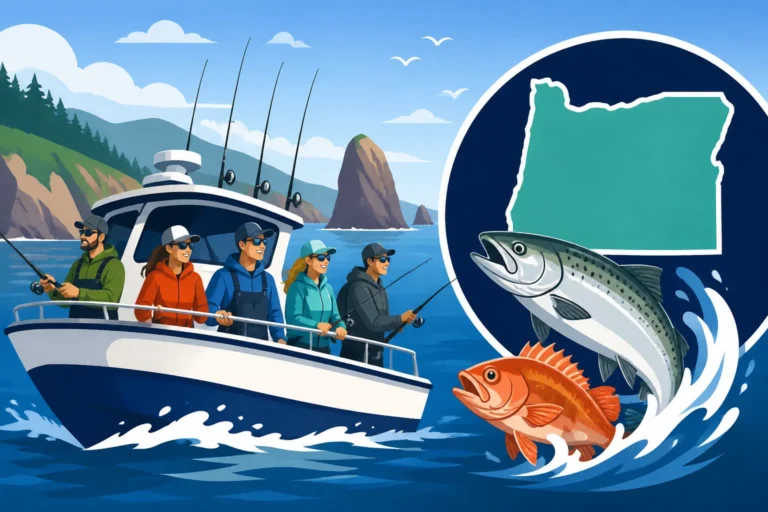
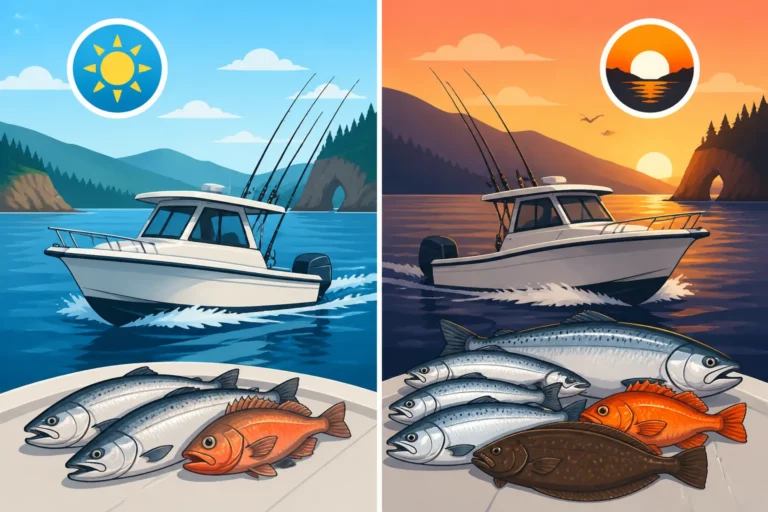
Charleston boasts an incredibly diverse fishery, making it an exciting destination for anglers of all skill levels. You're not just limited to one type of fish here. The waters off Charleston teem with various species, from the hard-fighting salmon that make their migratory journeys along the coast to the abundant rockfish and lingcod that call the rocky reefs home. You might find yourself jigging for delicious snapper one moment and trolling for a powerful Chinook salmon the next. This variety means that no matter the season or current conditions, there’s usually something biting, offering a dynamic and engaging fishing experience. Oregon Fishing Season Dates and Limits will give you a good overview of when certain species are more active.
Shelter from Rough Seas
One of the often-underestimated benefits of fishing out of Charleston is the natural shelter provided by Coos Bay. The bay itself is expansive, and while the Pacific Ocean can be notoriously temperamental, the harbor's layout means that boats typically have a smoother ride out to the fishing grounds compared to ports directly exposed to the open ocean swells. This can be a huge factor, especially for those prone to seasickness or for families with younger anglers. While you'll still experience the ocean's motion, the initial and final portions of your trip are often more comfortable, allowing you to save your sea legs for when the real fishing action begins. This built-in protection is a significant draw for many who seek a more pleasant and reliable charter experience.
Types of Fishing Charters Available in Charleston
When you're looking to book a charter out of Charleston, you'll find a fantastic array of options tailored to different fishing preferences and target species. It's not a one-size-fits-all situation, and understanding what each type of charter offers can help you choose the perfect trip for your angling dreams.
Ocean Bottom Fishing Charters
Bottom fishing is arguably the most popular and reliable charter option in Charleston, and for good reason. These trips primarily target delicious groundfish like rockfish (often called snapper) and the formidable lingcod. You'll typically head out to rocky reefs, submerged structures, and kelp beds, dropping jigs or baited hooks to the ocean floor. The action can be fast and furious, with multiple hookups common, making it an excellent choice for families, beginners, or anyone who just wants to ensure they bring home a cooler full of fresh fillets. The fishing grounds are often relatively close to shore, which translates to less travel time and more fishing time, a definite plus for many anglers. If you're looking for consistent action and tasty table fare, a bottom fishing charter is a fantastic choice. How to Fish for Lingcod and Rockfish in Oregon covers these species in more detail.
Salmon Fishing Charters
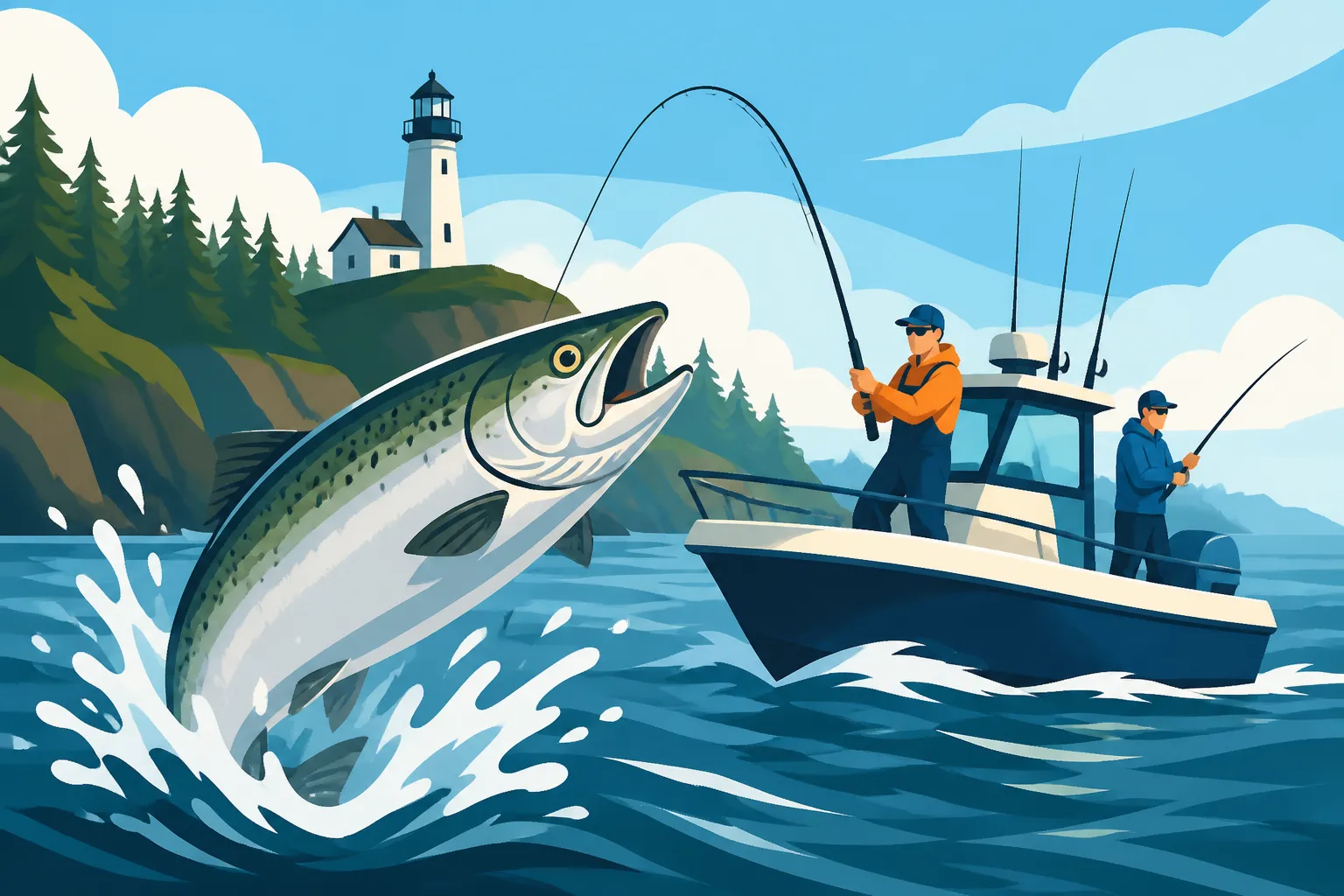
For many, the allure of salmon fishing is undeniable, and Charleston offers fantastic opportunities for both Chinook (King) and Coho (Silver) salmon. These trips are typically seasonal, aligning with the salmon's migratory patterns as they return to their spawning grounds. Salmon charters usually involve trolling with downriggers, using bait like herring or anchovies, or various artificial lures. The thrill of a salmon strike, followed by their powerful runs and acrobatic leaps, is an experience every angler should have. While salmon fishing can sometimes be more challenging and less predictable than bottom fishing, the reward of landing a magnificent ocean-bright salmon is truly unparalleled. Be aware that salmon seasons are highly regulated and can change based on forecasts, so it's always wise to check current regulations before booking. Oregon Salmon Fishing Techniques might be helpful if you're keen on this experience.
Halibut and Tuna Expeditions
For the more adventurous angler seeking a true deep-sea challenge, Charleston also serves as a launching point for halibut and tuna expeditions, primarily during the warmer months. Halibut fishing involves heading further offshore, often to depths of several hundred feet, to target these enormous, flat-bodied fish. It's a game of patience and strength, but the reward is a huge amount of delicious white meat. Tuna, specifically albacore, requires even longer runs offshore, often 20-60 miles or more, to find the warmer, pelagic waters where these schooling fish feed. Tuna trips are high-octane, fast-paced affairs, with multiple rods bent over when a school is found. These trips are generally longer in duration, often 10-12 hours or even multi-day adventures, and are best suited for those with a strong stomach and a desire for big game. Pacific Halibut off Oregon and Albacore Tuna Fishing Season offer more insights into these exciting fisheries.
Crabbing and Shellfishing Trips
While not strictly "fishing" in the traditional sense, many Charleston charters also offer crabbing trips, and sometimes even combine them with bottom fishing for a truly diverse day on the water. Dungeness crab is the primary target, and dropping pots in the bay or just outside the jetties can yield incredibly rewarding results. It's a fantastic, hands-on activity, especially fun for families, as everyone can participate in pulling traps and measuring the catch. Some guides might even offer opportunities for clamming during favorable low tides, though this is less common on organized boat charters. Imagine enjoying fresh crab for dinner that you helped catch yourself – it doesn't get much better than that!
What to Look For in a Charleston Fishing Charter
Choosing the right fishing charter can make or break your trip. It's not just about finding the cheapest option; it's about finding a reputable, safe, and enjoyable experience that aligns with your expectations. Don't be afraid to ask questions; a good captain will be happy to provide the answers. Websites like FishingBooker are a great resource for comparing options and reading reviews from other anglers, giving you a comprehensive look at what's available and what to expect from different operators in Charleston.
Licensing, Safety, and Vessel Information
First and foremost, safety should be your top priority. Always ensure that any charter you consider is properly licensed and insured. In Oregon, charter boat captains are required to hold a U.S. Coast Guard license, and their vessels must undergo regular safety inspections. Don't hesitate to ask about their safety procedures, emergency equipment on board (life jackets, first aid, radios), and the overall condition of their boat. A well-maintained vessel is a sign of a professional operation. Ask about the boat's size and amenities – will it be comfortable for your group? Is there a marine head (toilet) on board? These details, while small, can significantly impact your comfort, especially on longer trips. Understanding Licensed Oregon Fishing Guide Requirements can help you verify credentials.
Experience and Reputation of the Captain
A great fishing captain is more than just a boat driver; they're a guide, a teacher, and an expert in local waters and fish behavior. Look for a captain with extensive experience fishing the waters off Charleston. Their knowledge of local currents, tides, fishing spots, and seasonal patterns is invaluable. Reputable captains often have a long history of successful trips and positive reviews. Check online platforms, testimonials, and word-of-mouth recommendations. A captain with a good reputation is likely to prioritize your experience, ensuring you have the best possible chance of catching fish while also enjoying the journey itself. They should be friendly, communicative, and passionate about fishing.
Trip Duration and Inclusions
Charter trips come in various lengths, typically ranging from half-day (4-5 hours) to full-day (8-10 hours) or even multi-day excursions for tuna. Consider what fits your schedule and endurance level, especially if you're new to ocean fishing. Longer trips generally mean more time on the fishing grounds and a better chance at more distant, larger fish. Crucially, clarify what's included in the price. Does it cover bait, tackle, and rods? What about fish cleaning and filleting at the end of the trip? Are snacks and drinks provided, or should you bring your own? Remember that your Oregon fishing license and any necessary endorsements (like the Oregon Ocean Endorsement) are almost always your responsibility, not included in the charter fee, so plan accordingly.
Booking and Communication Practices
A professional charter operation will have clear booking policies, including deposit requirements, cancellation policies (especially for weather), and payment options. Good communication before your trip is a strong indicator of a reliable service. The captain or booking agent should be responsive to your questions, provide clear instructions for meeting times and locations, and offer advice on what to bring. Don't be shy about asking specific questions, like "What happens if the weather turns bad?" or "What's the typical catch for this type of trip?" A charter that communicates openly and transparently will reduce stress and help you feel more confident about your upcoming adventure. You can often filter for options and read detailed descriptions on platforms like FishingBooker before even making contact.
Preparing for Your Charleston Fishing Adventure
A successful and enjoyable fishing charter in Charleston isn't just about what happens on the boat; it's also about how well you prepare beforehand. A little planning goes a long way in ensuring your comfort, safety, and overall enjoyment on the water.
Essential Gear and Clothing Checklist
The Oregon coast weather is famously unpredictable – it can change from sunny to foggy and back again in a matter of minutes. Layers are your best friend! Even on a warm summer day, the ocean breeze can be chilly. Start with a base layer, add a warm fleece or sweater, and always, always have a waterproof and windproof outer shell (jacket and pants) readily accessible. You'll thank yourself when a sudden squall rolls in. Non-slip, waterproof shoes are also a must for safety on a wet deck. Don't forget a hat for sun protection, sunglasses, and sunscreen. While most charters provide fishing gear, bringing a small backpack with personal items, snacks, and water is always a good idea. Consider a camera to capture those trophy moments, but make sure it's protected from water.
Understanding Licenses and Endorsements
This is one of the most common areas where anglers get tripped up. In Oregon, anyone 14 years or older needs a valid Oregon fishing license. For ocean fishing, you'll also need an Oregon Ocean Endorsement. If you plan to retain certain species like salmon, steelhead, or sturgeon, a Combined Angling Tag is required, even for catch-and-release of those species in some areas. These licenses and tags must be purchased before your trip and are not typically provided by the charter. You can buy them online through the Oregon Department of Fish and Wildlife (ODFW) website, or at many sporting goods stores and tackle shops. Ensure you have your physical license or a digital copy accessible on your phone, as game wardens can and will check. Don't let a missing license ruin your day – always double-check the requirements for your chosen species and location.
Battling Seasickness and Staying Comfortable
Seasickness can turn a dream trip into a nightmare, but there are steps you can take to prevent or mitigate it. If you're prone to motion sickness, consider taking an over-the-counter medication like Dramamine or Bonine the night before your trip, and again a couple of hours before departure. Eating a light, non-greasy meal before you leave can also help. On the boat, try to stay on deck in the fresh air, focus on the horizon, and avoid reading or looking at your phone excessively. Hydration is key, but avoid excessive alcohol or sugary drinks. Some people find relief with ginger candies or acupressure wristbands. Communicate with your captain if you start feeling unwell; they can often offer advice or help you find a spot on the boat where you might feel better. Remember, even experienced anglers can get seasick under the right (or wrong) conditions, so don't feel embarrassed if it happens.
Understanding Charleston's Fishing Seasons and What to Expect
Oregon's fishing scene is incredibly dynamic, with opportunities shifting throughout the year based on species migration, weather patterns, and specific regulations. Charleston is no exception, offering distinct angling experiences depending on when you plan your visit. Knowing what to expect each season can help you decide the best time for your charter.
Spring Fishing Outlook
As winter storms subside and the days grow longer, spring brings a renewed sense of anticipation to Charleston. March through May can be a fantastic time for bottom fishing, with rockfish and lingcod becoming more active as water temperatures begin to rise. The weather can still be a bit hit-or-miss, with calm, sunny days interspersed with windy, rainy ones, so flexibility and warm layers are still crucial. Often, the early spring also sees the start of halibut season, usually a limited quota fishery that opens up briefly. Spring Chinook salmon might also begin to show up as they migrate towards the Columbia River, though these are typically targeted further north or in the main river systems. For consistent action close to shore, bottom fishing is your best bet in the spring out of Charleston.
Summer Peak Season
Summer, typically June through September, is prime time for fishing out of Charleston. The weather is generally calmer, the days are long, and a wider variety of species are available. This is when salmon fishing really heats up, with both Chinook and Coho salmon making their presence known in the nearshore waters. Bottom fishing remains excellent, often with expanded limits for certain species, and lingcod are aggressive. Summer also marks the peak season for halibut, with more opportunities (though still regulated). For the truly adventurous, this is the window for albacore tuna expeditions, as the warm water currents push these pelagic predators closer to the coast. Expect more boat traffic and busier docks, so booking your charter well in advance, perhaps through a platform like FishingBooker, is highly recommended during this popular period. Best Time of Year to Fish in Oregon can provide more general context.
Fall Opportunities
As summer fades into autumn, September through November, Charleston continues to offer excellent fishing opportunities, often with the added bonus of fewer crowds. Fall Chinook salmon runs can be incredibly strong, especially in September and early October, offering some of the best big salmon fishing of the year. Coho salmon are also abundant. Bottom fishing remains productive, and often the ocean conditions can be incredibly pleasant, with less wind than in spring. Tuna season can extend into early fall if warm water persists, but it becomes less reliable. As the fall progresses, fishing for bottom fish remains solid, but the weather becomes increasingly unpredictable, with the potential for rougher seas as winter approaches. This is a great time to target those trophy salmon if you hit the right weather window.
Winter Challenges and Rewards
Winter fishing out of Charleston, from December to February, is definitely for the more dedicated and hardy angler. Ocean conditions can be notoriously rough, leading to frequent cancellations of offshore charters. However, on calm weather windows, bottom fishing for rockfish and lingcod can still be productive. These fish don't go anywhere; it's just harder to get to them safely. Some charters might shift focus to crabbing within the protected waters of Coos Bay when ocean fishing isn't feasible. Winter can also be a time for impressive winter steelhead runs in nearby coastal rivers, though this would typically involve a river guide rather than an ocean charter out of Charleston. While challenging, a successful winter trip can be incredibly rewarding for those who brave the elements. Oregon Winter Fishing Options delves deeper into opportunities during the colder months.
Charleston Fishing Charter Options Comparison
To help you visualize the different types of charters available from Charleston, here's a quick comparison:
| Charter Type | Primary Target Species | Typical Duration | Best Season | Experience Level | Key Advantages |
|---|---|---|---|---|---|
| Bottom Fishing | Rockfish, Lingcod, Cabezon | Half-day to Full-day | Year-round (weather permitting), excellent in Spring/Summer | Beginner to Experienced | Consistent action, good table fare, less travel |
| Salmon Fishing | Chinook, Coho | Full-day | Summer, Early Fall | Intermediate to Experienced | Thrill of the fight, trophy fish |
| Halibut Expedition | Pacific Halibut | Full-day to Long Full-day | Spring, Summer | Intermediate to Experienced | Large fish, delicious meat |
| Albacore Tuna Trip | Albacore Tuna | Long Full-day to Multi-day | Summer (warm water dependent) | Experienced | Fast-paced, high volume, challenging |
| Crabbing | Dungeness Crab | Half-day or Combo | Year-round | All ages | Fun, hands-on, fresh crab for dinner |
This table provides a general overview, but remember that specific offerings and seasonality can vary between charter operators and depend heavily on prevailing conditions and regulations.
Disclaimer
This article is for general informational purposes only and does not constitute professional advice. Laws, prices and regulations vary by location and change over time. Consult a qualified professional for guidance on your specific situation.