Best tuna charter length for beginners
Deciding to go on your first tuna charter off the Oregon coast is incredibly exciting, but it can also feel a bit daunting, especially when you're faced with different trip lengths and don't know what's truly best for a newcomer. Many folks worry about seasickness, endurance, or simply not knowing what to expect, making the choice of charter length a real head-scratcher. This guide will walk you through the various tuna charter lengths available and help you figure out which one is the perfect fit for your inaugural offshore adventure.
Understanding Tuna Charters: What's Different for Beginners?
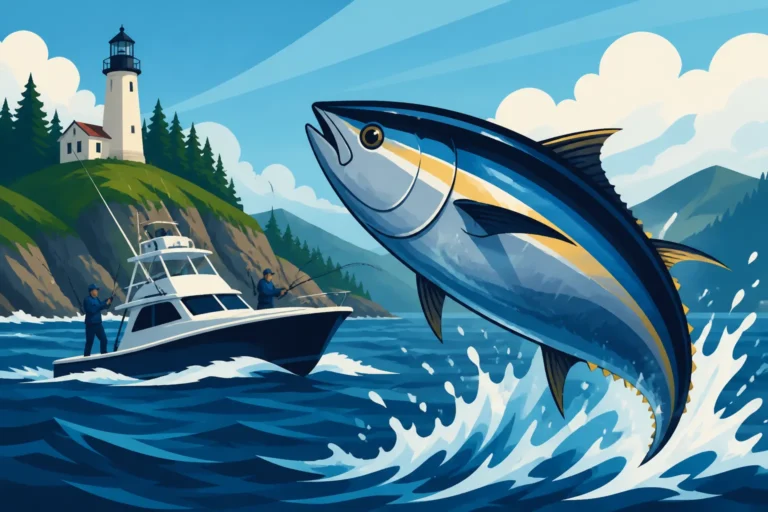
Tuna fishing off the Oregon coast isn't your average lake fishing trip. We're talking about heading far offshore, sometimes 30 to 60 miles or more, into the open Pacific Ocean, chasing highly migratory albacore tuna. These trips are an incredible experience, but they come with unique considerations that are especially important for beginners to understand.
The Offshore Experience: It's a Different World
When you sign up for an Oregon tuna charter, you're signing up for an adventure in a vast, dynamic environment. Unlike fishing calmer bays or rivers, the ocean can be unpredictable. You'll be on a boat that's designed for open water, but even the best vessels will experience swells and movement. For beginners, this often means confronting potential seasickness, which is a very real concern for many. It's not a sign of weakness; it's simply how some bodies react to constant motion. Understanding this upfront helps you prepare, perhaps by taking preventative medication or focusing on the horizon. The thrill of catching these powerful fish is worth it, but managing discomfort is key to enjoying your trip.
Furthermore, tuna fishing requires a certain level of physical endurance. You're often standing, bracing against waves, and when a tuna hits, it's a battle! These fish are strong, fast, and can put up a fight for a good 15-30 minutes, sometimes more, especially if you hook a larger one. It's a full-body workout, and while the crew is there to assist, you'll be doing a lot of the heavy lifting. This is why knowing your own stamina is crucial when considering how long you want to be out there.
Typical Operations on a Tuna Charter
Most Oregon tuna charters operate similarly once they're out on the fishing grounds. The primary method is usually trolling, where the boat moves at a slow speed, pulling multiple lines with lures behind it. When a tuna strikes, the crew will often shout "Fish on!" or "Hook up!" and it's all hands on deck. You'll be handed a rod and instructed on how to fight the fish. Sometimes, if the tuna are schooling, they'll switch to a "stop-and-go" or "jigging" technique, where the boat stops, and anglers cast and retrieve jigs, mimicking baitfish. This can be fast and furious action, with multiple fish hooked at once, often called a "foam-up" when the tuna are boiling on the surface.
The crew on a good charter is essential, especially for beginners. They're there to help you understand the gear, teach you how to fight a fish properly, gaff or net your catch, and handle all the cleaning and filleting back at the dock. They manage the lines, keep an eye on weather and fish activity, and ensure everyone has a safe and enjoyable time. This is where a reputable operation, perhaps found through platforms like FishingBooker, truly shines, as experienced guides can make all the difference for a beginner.
Comparing Charter Lengths: Short Trips vs. Long Hauls for Novices
When you look into tuna charters, you'll generally find a few standard lengths: typically half-day (shorter), full-day (standard), and sometimes extended or even multi-day trips. For a beginner, the length of the trip is a critical decision, impacting everything from your comfort to your chances of success. Let's break down what each length typically entails and what makes them suitable (or not) for someone just starting out.
Shorter Charters (e.g., 5-8 Hours)
While true "half-day" tuna charters are rare for offshore albacore in Oregon due to the travel time to the fishing grounds, some operators might offer a slightly shorter full-day trip, perhaps 8 hours dock-to-dock, especially if the tuna are closer to shore. These shorter trips often mean less time actually fishing but can be an excellent option for beginners.
Pros for Beginners:
- Less Exposure to Seasickness: If you're prone to motion sickness or unsure how you'll react to open ocean swells, a shorter trip reduces the time you're exposed to the conditions. This can significantly improve your overall experience and prevent a miserable day.
- Lower Physical Demand: Fighting tuna is exhilarating but exhausting. A shorter trip means less cumulative time spent reeling in fish, which is great if your stamina isn't quite where it needs to be for a marathon session.
- Good Introduction to the Experience: It gives you a taste of offshore tuna fishing without the full commitment. You can learn the ropes, get comfortable with the gear, and decide if this type of fishing is for you before investing in a longer, more arduous trip. It's like a sampler platter of deep-sea adventure.
- Potentially Lower Cost: While not always significantly cheaper given the fuel and crew costs, shorter trips can sometimes come with a slightly lower price tag, which might be appealing for a first-timer.
Cons for Beginners:
- Limited Fishing Time: The biggest drawback is that a good portion of a shorter trip is spent traveling to and from the fishing grounds. This leaves less "lines in the water" time, reducing your opportunities to hook up, especially if the fish are scattered or further out.
- Higher Chance of "Skunking": Tuna fishing can be feast or famine. With less time to locate schools and work the fish, a shorter trip might mean you come back with fewer fish, or in rare cases, none at all. This can be disappointing for a beginner hoping for action.
- Less Flexibility for Captain: A shorter window means the captain has less time to adapt to changing conditions, move to new spots, or wait out a lull in the bite. Their options are more constrained, which can affect catch rates.
Standard Full-Day Charters (e.g., 10-14 Hours)
This is the most common length for an Oregon albacore tuna charter, and for good reason. It strikes a balance between travel time and actual fishing time, giving you a comprehensive experience.
Pros for Beginners:
- Optimal Balance of Travel and Fishing: A full-day trip allows sufficient time to reach productive fishing grounds, spend a good 6-8 hours actively fishing, and make the return journey. This maximizes your chances of encountering fish and getting plenty of hook-ups.
- More Opportunity to Learn: With more time on the water, you'll have ample opportunities to practice fighting fish, learn different techniques, and ask questions of the crew. This extended learning curve can be very beneficial for solidifying your skills and confidence.
- Higher Chance of Success: More time on the water generally translates to a better chance of finding the tuna and filling the cooler. For a beginner, the satisfaction of bringing home a good catch can be a huge motivator for future trips.
- Experiencing the Full Tuna Hunt: You get to witness the full rhythm of a tuna day – the early morning run out, the search for signs of fish (like birds working or bait balls), the excitement of a bite, and the camaraderie with fellow anglers. It’s a complete immersion into the world of offshore tuna fishing.
- Oregon Salmon Fishing Techniques and Oregon Trolling and Boat Fishing Techniques can give you a head start on what to expect.
Cons for Beginners:
- Increased Risk of Seasickness/Fatigue: Being on the ocean for 10-14 hours is a significant commitment. If seasickness hits, it can be a long, uncomfortable day. The physical exertion can also accumulate, leading to exhaustion by the end of the trip.
- Mental Endurance: Beyond the physical, there's a mental endurance component. Staring at the water for hours, especially during lulls, can test patience. For some, the sheer length of the day can be draining.
- Higher Cost: Naturally, a longer trip comes with a higher price tag due to more fuel, more crew time, and greater logistical demands.
Extended or Overnight Charters (e.g., 18+ Hours or Multi-Day)
These are serious commitments, usually aimed at experienced anglers or those looking for an epic adventure. They push further offshore, stay out longer, or even fish for multiple species.
Pros for Beginners:
- Access to More Remote Grounds: Extended trips can reach tuna schools that are further offshore and less pressured, potentially leading to bigger fish or hotter bites.
- Multiple Fishing Opportunities: You get more actual fishing time, often including prime low-light hours, which can be fantastic for tuna. Multi-day trips allow for diverse fishing (tuna one day, bottom fishing another).
- Deep Immersion: For those who truly fall in love with the experience, an extended trip offers a deeper, more profound connection to the ocean and the hunt.
Cons for Beginners:
- Not Recommended for First-Timers: This is generally not the best choice for a beginner. The risks of severe seasickness, extreme fatigue, and mental strain are significantly amplified over such a long duration.
- Highest Cost: These trips are considerably more expensive due to the extended time, fuel, and provisions required.
- Intense Physical and Mental Demand: You need to be in good physical condition and have a strong stomach to truly enjoy an extended trip. It's a test of endurance.
- Oregon Ocean Charter Fishing and Oregon Salmon Charter Guide generally cater to these longer trips and more experienced anglers.
| Charter Length | Typical Duration | Beginner Pros | Beginner Cons | Ideal Beginner Profile |
|---|---|---|---|---|
| Shorter Charters | 5-8 Hours | Less seasickness exposure, lower physical demand, good introduction, potentially lower cost | Limited fishing time, higher chance of fewer fish, less captain flexibility | Cautious, prone to seasickness, tight schedule |
| Standard Full-Day | 10-14 Hours | Optimal balance, more learning, higher chance of success, full experience | Increased seasickness/fatigue risk, mental endurance required, higher cost | Eager to learn, moderate stamina, wants a full experience |
| Extended/Overnight | 18+ Hours | Access to remote grounds, multiple opportunities, deep immersion | Not recommended for first-timers, highest cost, intense physical/mental demand | Experienced angler, high endurance, no seasickness issues |
Factors Beyond Length: Picking the Right Charter Experience
While trip length is a major consideration for beginners, it's certainly not the only one. Many other factors play a huge role in ensuring your first tuna charter is a memorable and positive experience, rather than a frustrating one. Paying attention to these details will help you choose a charter that aligns with your comfort level and expectations.
Boat and Crew: Your Floating Classroom and Guides
The boat itself and, more importantly, the crew, are paramount for a beginner. A comfortable, well-maintained boat with good amenities can make a long day much more bearable. Look for charters that boast spacious decks, a clean head (restroom), and perhaps a heated cabin if you're fishing in cooler months. Larger boats tend to handle ocean swells better, which can reduce motion sickness for some. When you're browsing options, for instance on platforms like FishingBooker, pay attention to the boat's size and features.
The crew, however, is your lifeline. For a beginner, an experienced, patient, and friendly crew is invaluable. They should be willing to teach, answer questions, and offer assistance without making you feel like a burden. A good crew will actively communicate what's happening, explain techniques, and ensure everyone on board, regardless of experience, feels involved and supported. Don't hesitate to read reviews or ask direct questions about the crew's approach to novice anglers before booking. You want a crew that's passionate about fishing and teaching.
Amenities and Inclusions: What's Covered?
Understanding what's included in your charter price is important, especially for first-timers. Most charters will provide all the necessary fishing gear – rods, reels, tackle, and bait. However, some might have extra charges for certain things. Always confirm if your Oregon fishing license and any required endorsements (like an Oregon Ocean Endorsement) are included, or if you need to purchase them beforehand. Many charters will offer fish cleaning and filleting services, which is a huge bonus after a long day of fishing. Clarify if this is part of the package or an additional fee.
Beyond fishing essentials, consider comfort amenities. Will there be snacks and drinks provided, or should you pack your own? Is there a cooler for your catch, or do you need to bring one? Small details can make a big difference in how prepared and comfortable you feel on the day of your trip. Don't be shy about asking these questions when you book.
Cost Considerations: Value vs. Price
Let's be real, tuna charters aren't cheap. There's a significant investment in fuel, boat maintenance, insurance, and paying a professional crew. While it's tempting to go for the cheapest option, remember that "value" isn't always about the lowest price. A slightly more expensive charter might offer a more experienced crew, a better boat, more inclusions, or a reputation for catering to beginners – all of which can drastically improve your first experience. Think of it as an investment in a great memory.
Always inquire about deposits, cancellation policies, and what happens if the weather forces a reschedule. Reputable charter operations will have clear policies and good communication, which is especially reassuring for first-timers who might be nervous about unforeseen circumstances. Getting a clear breakdown of costs upfront prevents any surprises later. You might find some helpful details when researching Oregon Fishing Charter Costs.
Making the Most of Your First Tuna Trip
So, you've chosen your charter length and booked your trip – awesome! Now, it's time to prepare yourself for an incredible experience. Even the "best" charter length won't guarantee a good time if you don't take a few steps to get ready. These tips are designed specifically for beginners to ensure your first Oregon tuna charter is as enjoyable and successful as possible.
Preparing for the Unexpected: Seasickness and Weather
This is probably the number one concern for most first-time offshore anglers. Even seasoned fishermen can have an off day, so don't feel embarrassed if you're worried about seasickness. The best defense is a good offense:
- Preventative Medication: Consider taking over-the-counter motion sickness medication (like Dramamine or Bonine) the night before and again in the morning, well before you board the boat. Consult with your doctor or pharmacist first.
- Scopolamine Patch: For those with severe issues, a prescription scopolamine patch can be very effective, but again, discuss this with your doctor.
- Stay Hydrated and Eat Light: Avoid greasy or heavy foods the night before. Opt for light, bland meals. Stay hydrated but avoid excessive alcohol.
- Focus on the Horizon: Once on the boat, try to stay on deck in the fresh air and keep your eyes fixed on the horizon. Avoid reading or looking at your phone.
- Ginger: Some people swear by ginger candies, chews, or ginger ale.
Oregon weather, especially on the coast, can change on a dime. Dress in layers, even on a sunny day. It can be significantly cooler offshore, and a rogue wave or spray can leave you soaked. Waterproof outer layers (jacket and pants) are non-negotiable. Bring a warm hat, gloves, and waterproof boots. Oregon Winter Fishing Options might offer good advice on cold-weather gear, even if you're not fishing in winter.
What to Pack and What to Expect
Beyond your foul-weather gear and seasickness remedies, here's a quick packing list for your first tuna trip:
- Oregon Fishing License & Tags: Ensure you have all necessary licenses and endorsements. Check out the Oregon Fishing License Guide to make sure you're covered.
- Sun Protection: Sunscreen (even on cloudy days!), sunglasses (polarized are great for spotting fish), and a wide-brimmed hat. The sun's reflection off the water can be intense.
- Food and Drink: Bring plenty of water, and snacks or a packed lunch. Even if the charter provides some, it's good to have your favorites.
- Cooler: A personal cooler with ice to take your fillets home. The boat usually has a place for your catch, but you'll need one for transport.
- Camera: To capture those epic moments, but make sure it's secure or waterproof.
- Positive Attitude: This is the most important item! Go into it ready to learn, have fun, and enjoy the experience, regardless of the catch.
When you get on the boat, listen carefully to the captain and crew's safety briefing. They'll show you where life jackets are, how to move safely on deck, and what to do in case of an emergency. Don't be afraid to ask questions. Most importantly, trust your crew. They are professionals and their priority is your safety and a successful trip. The excitement of your first tuna trip is unmatched, and with a little preparation, you'll be well on your way to reeling in some delicious albacore.
Disclaimer
This article is for general informational purposes only and does not constitute professional advice. Laws, prices and regulations vary by location and change over time. Consult a qualified professional for guidance on your specific situation.