How much does a Deschutes River fly fishing guide cost per day
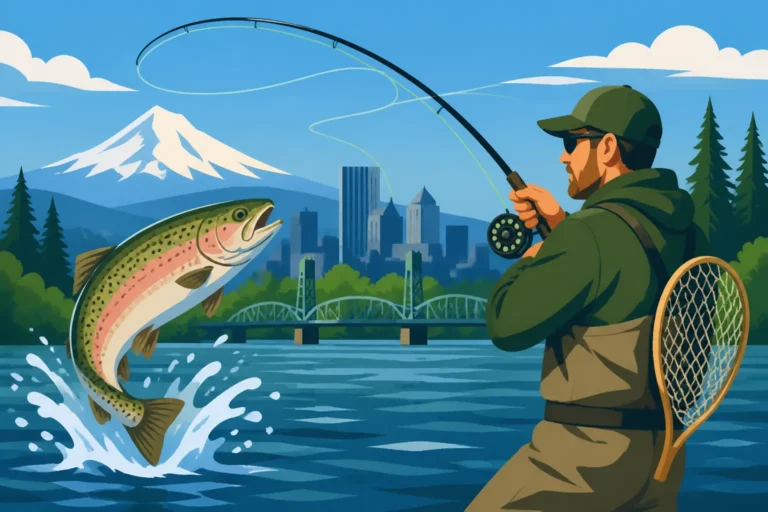
Planning a fly fishing trip on Oregon's legendary Deschutes River is incredibly exciting, but the question of how much a guide costs can feel like you're trying to land a trophy trout with ultralight gear – a bit daunting and uncertain. Many anglers, especially those new to guided trips or fly fishing, worry about hidden fees or not getting their money's worth. This guide is here to untangle the complexities of Deschutes River fly fishing guide costs, breaking down what influences the price, what you can expect for your investment, and how to choose the right experience for your budget and angling goals.
Decoding the Daily Cost of a Deschutes River Fly Fishing Guide
When you start looking into booking a fly fishing guide on the Deschutes, you'll quickly realize there isn't one single price. It's not like buying a carton of eggs. The cost is a dynamic figure, influenced by a multitude of factors that can swing the price up or down. Understanding these elements is the first step in setting realistic expectations and planning your adventure.
What Influences the Price Tag?
Think of a guided trip like a custom-tailored suit; many variables go into the final cut and price. On the Deschutes, the length of your trip is often the primary driver. A half-day trip, which might last four to six hours, will naturally be less expensive than a full-day excursion, typically eight to ten hours long. Some guides even offer multi-day packages, which can offer a per-day discount but require a larger upfront commitment. These longer trips give you more time to explore different sections of the river, adapt to changing conditions, and deepen your skills with sustained instruction.
Beyond duration, the time of year plays a significant role. The Deschutes River boasts incredible fishing opportunities year-round, but certain seasons, like the famed salmonfly hatch in late spring or the peak of the summer steelhead run, are in extremely high demand. Guides often charge a premium during these peak periods due to limited availability and the sheer popularity of the fishing. Conversely, shoulder seasons or the colder winter months might see slightly lower rates, making them attractive for budget-conscious anglers or those seeking solitude.
A guide's experience and reputation are also major factors. Highly sought-after guides with decades of experience on the Deschutes, a proven track record of putting clients on fish, and glowing testimonials will command higher rates. They often have unparalleled knowledge of the river's intricate currents, insect hatches, and fish behavior, providing an invaluable advantage. Newer guides, while still skilled and often enthusiastic, might offer slightly more accessible prices as they build their client base and reputation. When considering a guide, it's worth weighing the investment in an experienced pro against a potentially more affordable option. It's often true that you get what you pay for in terms of local expertise and on-the-water instruction.
Typical Price Ranges You Can Expect
While specific figures are always subject to change and depend entirely on the individual guide and their offerings, we can certainly talk about general ranges. For a full-day guided fly fishing trip on the Deschutes River, you should generally expect costs to fall into the range of several hundred dollars per day. This usually covers one or two anglers, with an additional charge for a third if the guide's boat can accommodate it. Half-day trips will naturally be less, often starting from a few hundred dollars. Remember, these are broad estimates, and the actual price will be confirmed directly with your chosen guide or outfitter.
These costs often reflect the intense preparation, expert knowledge, and long hours that guides put in, both on and off the water. They're constantly scouting conditions, maintaining equipment, and planning the logistics for a successful day. When you see a price, it’s not just for the time spent actively fishing; it encompasses years of learning the river, investment in top-tier gear, and the dedication to ensure you have a memorable experience. Platforms like FishingBooker can give you a good snapshot of what various Deschutes River guides are currently charging, allowing you to compare options and see what's included with each listing. Be sure to check what's covered in the base rate, as some guides bundle more into their standard package than others.
What's Included in Your Deschutes River Fly Fishing Guide Fee?
One of the biggest anxieties people have about booking a guided trip is not knowing what they're actually paying for. It’s completely understandable! You want to make sure you’re not just getting a ride down the river but a comprehensive experience that sets you up for success and enjoyment. Let's break down the common inclusions and those sneaky extras you might need to budget for.
Standard Inclusions for a Smooth Trip
Most reputable Deschutes River fly fishing guides will include several key items and services in their daily fee to ensure you have a comfortable and productive day on the water. Foremost, you're paying for the guide's expert knowledge and experience. This includes their ability to navigate the river safely, identify productive fishing spots (which can change daily!), understand current hatches, and provide valuable instruction on casting techniques, fly presentation, and fish fighting. Their insights into the nuances of the Deschutes River Fishing Guide can be truly invaluable.
The use of high-quality gear is another standard inclusion. This typically means rods, reels, lines, and an array of flies specifically chosen for the day's conditions and target species. Having access to appropriate, well-maintained equipment means you don't have to invest in specialized gear yourself, which is a huge bonus, especially for those new to How to Fly Fish in Oregon. Your guide will usually have extra leaders, tippet, and essential tools like nippers and hemostats, ensuring you're always ready for action.
Many full-day trips also include a packed lunch, snacks, and non-alcoholic beverages. This is a fantastic convenience, allowing you to stay fueled and hydrated without needing to pack your own provisions. Imagine enjoying a riverside lunch, soaking in the stunning scenery of the Deschutes Canyon, all while your guide regales you with stories of epic battles with trout or steelhead. Transportation in a drift boat or similar vessel is also a given, providing access to prime spots that are often inaccessible from shore. Guides are experts at maneuvering these boats, ensuring your safety and maximizing your fishing opportunities.
Potential Extras and Hidden Costs
While a good guide tries to make their services as all-inclusive as possible, there are always a few items that typically aren't covered in the base fee and require separate consideration. The most important of these is your Oregon fishing license and any necessary endorsements, such as an Oregon Combined Angling Tag Guide for salmon or steelhead. These are legally required for every angler, and it's your responsibility to purchase them beforehand. Many guides can point you to local vendors or online resources where you can acquire them quickly. Without a valid license, you simply cannot legally fish, and a guide cannot take you out.
Gratuities for your guide are another significant "extra" to consider. Tipping is customary in the guiding industry, much like in restaurants or other service professions. A typical tip range for an excellent full-day trip is often a percentage of the trip cost, reflecting your satisfaction with the guide's hard work, expertise, and effort. While never mandatory, a generous tip is a fantastic way to show appreciation for a truly memorable day.
Other potential costs could include specialized flies or lures that the guide might recommend but not stock as part of their standard kit, especially if you're pursuing a particular technique or species. Waders and wading boots are also usually not included, as these are highly personal items requiring a proper fit. While some guides may have a limited supply of loaner waders, it's best to bring your own if you have them, or inquire about rental options if you don't. Transportation to and from the guide's meeting point, which could be a specific boat ramp or a local fly shop, will also be your responsibility. Finally, don't forget personal items like sunscreen, sunglasses, rain gear, and appropriate layers for varying weather conditions – the high desert can see dramatic temperature swings!
Making the Most of Your Investment: Tips for Booking and Budgeting
Booking a guided fly fishing trip on the Deschutes is an investment, both financially and in your time on the water. To ensure you get the most bang for your buck and avoid any unpleasant surprises, a little preparation goes a long way. It's about finding the right fit for your angling aspirations and being clear about expectations from the outset.
Finding the Right Guide for Your Budget and Style
The Deschutes River is a world-renowned fishery, attracting a fantastic array of talented guides. This means you have options, but it also means you need to do a bit of homework to find the perfect match. Start by clarifying your own goals for the trip: Are you a complete beginner hoping to learn the basics? Are you an experienced angler targeting a specific species or technique, like Oregon Salmon Fishing Techniques or Oregon Steelhead Fishing Techniques? Do you prefer a patient instructor or someone who focuses purely on putting fish in the net?
Once you have a sense of your goals, begin your research. Online reviews and testimonials are a great starting point, offering insights into a guide's personality, teaching style, and success rates. Word-of-mouth recommendations from fellow anglers can also be incredibly valuable. Many reputable guides have their own websites detailing their services, rates, and availability. Don't hesitate to reach out to several different guides or outfitters directly. This allows you to compare not just prices, but also what each guide specializes in and their overall approach.
Consider using online platforms designed to connect anglers with guides, such as FishingBooker. These sites often provide detailed profiles, customer reviews, and easy booking interfaces, making it simpler to compare options side-by-side. When you contact a guide, be upfront about your experience level and what you hope to achieve. This helps the guide tailor the trip to your needs and ensures a more productive and enjoyable experience for everyone involved. Remember, a good guide-client relationship starts with clear communication.
Smart Budgeting and What to Ask Before You Book
Once you've narrowed down your choices, it’s time to finalize your budget and clarify all the details. Don't be shy about asking questions! A professional guide will appreciate your thoroughness and be happy to provide clear answers. Always ask for a complete breakdown of what is included in the daily rate and what is not. This will help you identify any "hidden" costs, like those license and gratuity considerations we discussed earlier.
Inquire about cancellation policies, especially if you're booking well in advance. Life happens, and understanding the terms for rescheduling or refunds can save you a lot of headache down the line. Ask about payment methods and when deposits or full payments are due. Some guides prefer cash for the remaining balance on the day of the trip, while others are set up for electronic payments.
It’s also wise to ask about specific gear recommendations. While most gear is provided, knowing if you should bring your own waders, rain jacket, or even specific types of flies can optimize your comfort and success. For example, if you're planning a multi-day trip, clarify if the same guide will be with you for the entire duration or if different guides might be involved. Understanding these details will allow you to budget accurately and arrive fully prepared for an incredible day on the Deschutes, free from financial surprises.
Beyond the Dollar Amount: The Value of a Guided Experience on the Deschutes
It’s easy to focus solely on the monetary cost of a guided trip, but the true value extends far beyond the numbers. A day spent with a professional guide on the Deschutes River offers an unparalleled opportunity for learning, adventure, and creating lasting memories, regardless of how many fish you end up catching.
Why a Guide is Worth It, Especially for Beginners
For those new to fly fishing, or even just new to the unique challenges of the Deschutes, a guide is truly worth their weight in gold. Think about it: this river is vast and complex, with different sections presenting unique challenges and opportunities. A guide possesses intimate, real-time knowledge of these waters, knowing exactly where to go based on recent conditions, water levels, and fish activity. This means less time aimlessly wandering and more time fishing in productive areas. They understand the intricacies of Oregon Fishing Regulations Explained, ensuring you're always compliant with local laws and seasons.
Beyond location, a guide is an invaluable instructor. They can teach you proper casting techniques, how to "read" the water to identify prime fish habitat, and the nuances of presenting a fly effectively. For many, just mastering the basic roll cast or learning how to mend line in a challenging current makes the trip worthwhile. You'll gain practical skills that would take months or even years to develop on your own, significantly accelerating your learning curve. Imagine having someone patiently demonstrate how to set the hook on a subtle strike or explain why a particular fly pattern is effective at a specific time of day. This hands-on, personalized instruction is something you just can't get from a book or video.
Safety is another critical, often overlooked, benefit. Navigating rivers, especially from a drift boat, requires skill and experience. Your guide is trained in river safety, first aid, and handling unexpected situations, allowing you to relax and focus on the fishing. They know the currents, the rocks, and the safest wading paths. This peace of mind, knowing you're in capable hands, makes the experience far more enjoyable, particularly for families or those venturing into unfamiliar territory. It's truly about getting the most out of your precious time on the water.
Creating Unforgettable Memories
Ultimately, the goal of any fishing trip is to create lasting memories, and a guided trip on the Deschutes is designed to deliver just that. It's not always about the number of fish you catch, but the entire experience. Picture floating down a pristine river, surrounded by towering basalt cliffs and Ponderosa pines, with a chance to spot osprey, deer, or even a wild bighorn sheep. Your guide isn't just a fishing expert; they're often a passionate storyteller, sharing insights into the local ecosystem, the river's history, and tales of past angling triumphs and blunders.
Even if the fish aren't biting aggressively, the opportunity to learn, hone your skills, and immerse yourself in the natural beauty of Central Oregon is priceless. A guided trip provides a unique perspective of the Deschutes, often reaching remote sections that are difficult for unguided anglers to access. You'll experience the camaraderie, the quiet moments of anticipation, and the thrill of a hard-fought battle with a wild rainbow or steelhead. These are the moments that stick with you, the stories you'll tell for years to come. Many people find that the convenience of having everything handled – from boat navigation to fly selection and lunch preparation – allows them to fully disconnect and truly enjoy the fishing experience, free from the usual stresses of planning and logistics. Investing in a guided trip is investing in an adventure, an education, and a memory that will endure long after the ripples from your last cast have faded.
Disclaimer
This article is for general informational purposes only and does not constitute professional advice. Laws, prices and regulations vary by location and change over time. Consult a qualified professional for guidance on your specific situation.