Bluegill Fishing
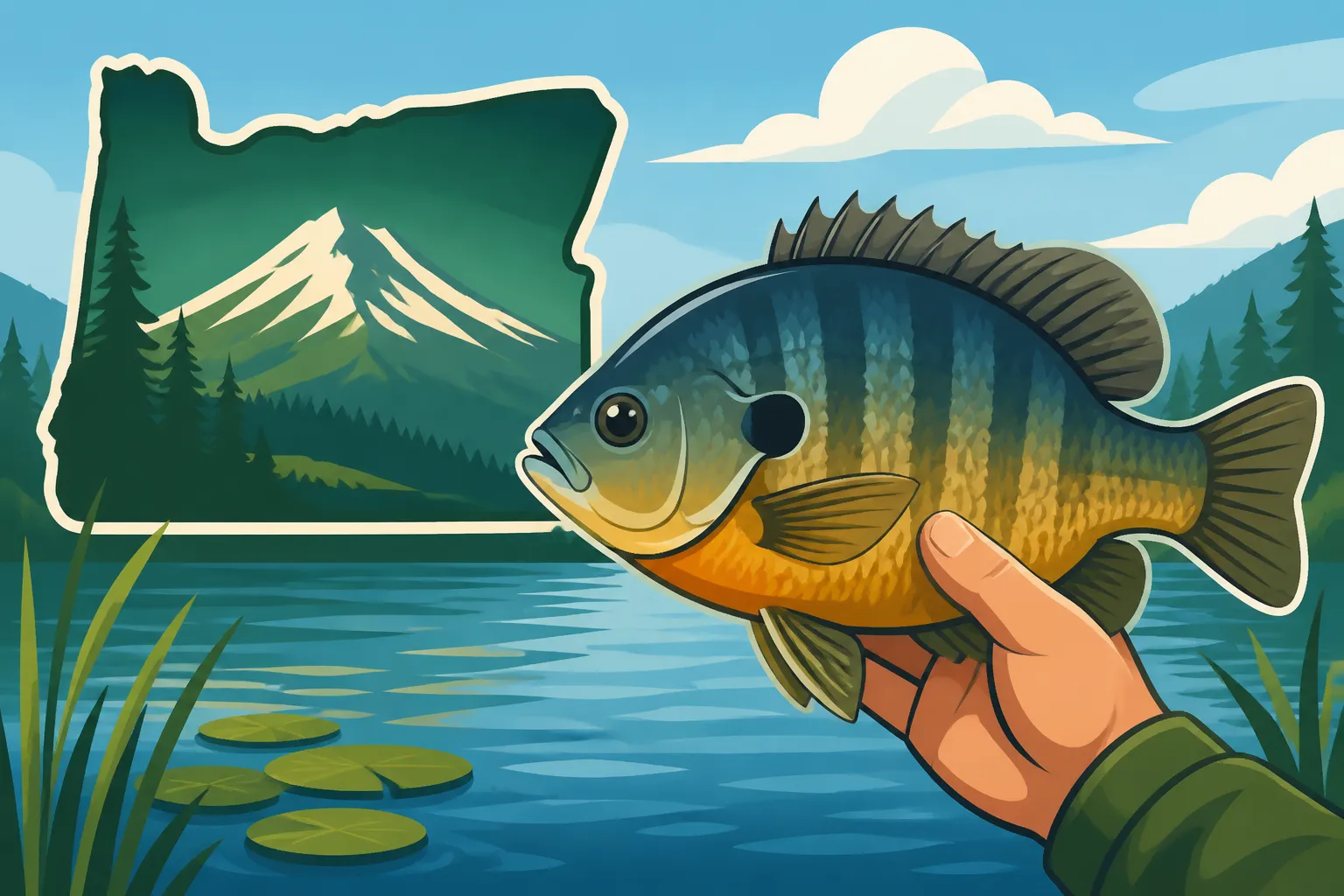
Bluegill fishing often gets pigeonholed as just a "starter" activity for little ones, something to keep them busy while the serious anglers chase salmon or steelhead. But let me tell you, that's selling these feisty little panfish way short! While they absolutely excel at introducing newcomers to the thrill of the bite, bluegill offer a fantastic, action-packed experience for anglers of all ages and skill levels, right here in Oregon. They're abundant, relatively easy to catch, and surprisingly delicious, making them a perfect target for a relaxing day on the water. This guide is all about embracing the simple joy of bluegill fishing in Oregon, from finding them to reeling them in, and maybe even bringing a few home for dinner.
Why Bluegill are the Ultimate Family Fish in Oregon
There's a special kind of magic that bluegill bring to a fishing trip, especially when you're out with family or friends. They're not just a fish; they're an experience waiting to happen, fostering memories and igniting a passion for the outdoors. Forget the long, patient waits often associated with larger, more elusive species. Bluegill deliver consistent action, and that's exactly what makes them so universally loved.
The Joy of Easy Catches for All Ages
The number one reason bluegill are a family favorite is their eagerness to bite. You don't need fancy gear or years of experience to hook into a bluegill. Their aggressive feeding habits mean that if you put a tempting morsel in front of them, chances are they're going to strike. This instant gratification is priceless, especially for children who might lose interest quickly if the fish aren't cooperating. Watching a bobber dip and hearing the squeal of excitement as a kid reels in their first fish is a memory that truly lasts a lifetime. It’s not about the size of the catch; it’s about the joy of the catch, and bluegill deliver that in spades.
It's not just kids who appreciate this. For seasoned anglers looking for a low-pressure day, or those simply wanting to introduce a friend to the sport, bluegill provide a relaxing and rewarding experience. You can easily spend an afternoon catching dozens of these vibrant fish, practicing your casting, or simply enjoying the peaceful rhythm of the water. Their abundance means you're almost guaranteed to get some action, making for a truly enjoyable outing every time.
Abundance and Accessibility in Oregon Waters
One of the great things about bluegill in Oregon is how widespread and accessible they are. You don't need a high-powered boat or a remote wilderness trek to find them. Bluegill thrive in a variety of warmwater habitats, including ponds, slow-moving sections of rivers, reservoirs, and many of our smaller, calmer lakes. This means that no matter where you are in Oregon, you're likely not too far from a great bluegill fishing spot. Public parks, community ponds, and many state recreation areas often feature waters teeming with these panfish.
This accessibility makes bluegill fishing a spur-of-the-moment possibility, not just a meticulously planned expedition. You can often pack a simple rod and a container of worms and be fishing within minutes of arriving at a local pond. This ease of access significantly reduces the barriers to entry for fishing, encouraging more people to get out and enjoy Oregon's aquatic resources. Plus, these calmer waters are generally safer for families, especially those with young children, adding another layer of appeal. You can learn more about general fishing spots in our guide on Best Places to Fish in Oregon.
Delicious Table Fare
While catching them is a blast, bluegill also offer a delightful bonus: they are fantastic eating! Don't let their small size fool you; these fish have firm, white, flaky meat with a mild, sweet flavor that’s perfect for pan-frying. Many anglers consider them one of the best-tasting freshwater fish, often preferring them over larger, more esteemed species. If you're looking to fill a cooler for a delicious family meal, bluegill are an excellent choice.
Cleaning bluegill is also a relatively straightforward process, even for beginners. While they do have small scales, a quick scaling or filleting technique makes quick work of them. Fried bluegill fillets, perhaps with a crispy cornmeal crust, are a classic outdoor meal that truly completes the fishing experience. It's a fantastic way to teach kids about the full cycle of fishing, from catch to plate, and appreciate the bounty that our Oregon waters provide. If you're curious about the culinary aspects, check out Are bluegill good to eat?.
Finding Your Bluegill Honey Hole in Oregon
Knowing where and when to find bluegill can turn a good fishing trip into a great one. While they are abundant, these little sunfish do have their preferences when it comes to habitat and timing. Understanding their habits will significantly increase your chances of success and help you pinpoint those secret spots where the action is consistent.
Typical Habitats and Structure
Bluegill are creatures of comfort, and they love structure. When you're looking for them, think about areas that offer them shelter from predators, protection from strong currents, and a plentiful food supply. Prime bluegill habitat almost always includes some form of cover. This could be thick weed beds, lily pads, submerged logs, brush piles, or even the shadows cast by docks and piers. These features provide a safe haven and ambush points for insects and small aquatic creatures, which make up the bulk of a bluegill's diet.
Look for water that is relatively shallow and warm, especially in ponds and the backwater sections of rivers. Bluegill often congregate in depths of 2 to 10 feet, depending on the time of year and water temperature. The edge of a weed line, where open water meets thick vegetation, is almost always a hotspot. Pay attention to changes in bottom structure as well; a gradual slope that suddenly drops off can hold concentrations of fish. Finding these "fishy" spots can be a fun challenge, and it really teaches you to observe the water around you.
Top Oregon Lakes and Ponds for Bluegill
Oregon is dotted with countless bodies of water that hold healthy populations of bluegill. While specific, named trophy bluegill lakes might be kept secret by local anglers, many public waters are known for their panfish action. Generally, you'll find excellent bluegill fishing in many of the smaller, shallower lakes and reservoirs throughout the Willamette Valley, Southern Oregon, and Central Oregon's lower elevation waters. Look for waters designated as "warmwater fisheries" by the state fish and wildlife department. These often have active management for species like bass, crappie, and bluegill.
Community ponds and small municipal lakes are often fantastic spots, as they are typically stocked or have self-sustaining populations of panfish. Areas like Henry Hagg Lake near Forest Grove, Fern Ridge Reservoir near Eugene, and some of the smaller impoundments in parks around Portland or Salem are known to hold good numbers of bluegill. Remember, the key is often finding waters that get good sun exposure and aren't too deep, allowing the water to warm up quickly. Consulting a local fishing guide or bait shop can often reveal specific, lesser-known spots. Our broader guides on Best Lakes to Fish in Oregon and Oregon Panfish Guide can offer more insights into general locations and species.
Seasonal Movements and Best Times to Fish
Bluegill behavior, and thus their location, changes throughout the year, largely dictated by water temperature and spawning cycles. Understanding these seasonal shifts can significantly improve your catch rates.
Spring (Pre-Spawn & Spawn): This is arguably the best time to target bluegill. As water temperatures rise into the mid-60s (Fahrenheit), bluegill move into shallow, protected areas to build their spawning beds. These beds look like clusters of circular depressions on the bottom and are often visible in clear water. Look for them in sandy or gravelly areas, often near docks, reeds, or submerged brush. During this time, they are very aggressive and protective of their nests, making them easy targets. This period typically occurs from late spring through early summer, depending on your specific location in Oregon.
Summer (Post-Spawn & Warm Water): After spawning, bluegill will often spread out a bit, but they still prefer areas with cover and structure. As the water gets very warm, they might move slightly deeper to find cooler temperatures, but they won't abandon the shallow, food-rich zones entirely. Early mornings and late evenings are often the most productive times during the peak of summer, as bluegill feed actively when the sun is less intense. Midday can still be good if you target shady spots or deeper edges of weed beds.
Fall (Cooling Water): As fall arrives and water temperatures begin to drop, bluegill will often form larger schools and move to slightly deeper water, though still associated with structure. They are actively feeding to put on weight for winter, so fishing can still be excellent. Look for them along the deeper edges of weed lines or around submerged humps.
Winter (Cold Water): Bluegill become much less active in cold winter waters. They'll typically move to the deepest parts of their habitat, often suspending in schools near the bottom or around significant underwater structure like deep brush piles or drop-offs. Ice fishing, where available and safe, can be productive for bluegill in Oregon's colder regions. Otherwise, a slow, subtle presentation in deep water is key. Generally, bluegill fishing is an excellent choice for a Oregon Warmwater Fish Species angler.
Gear Up for Bluegill Success: Simple and Effective Setups
One of the beautiful things about bluegill fishing is that you don't need a massive investment in high-end gear. In fact, some of the most effective setups are also the simplest and most affordable, making it perfect for budget-conscious anglers or those just starting out. The key is thinking "light" – light rod, light line, small hooks.
The Humble Rod and Reel: Keeping it Light
For bluegill, an ultralight spinning rod and reel combo is absolutely perfect. A rod in the 4.5 to 6-foot range with a fast or moderate action will give you plenty of sensitivity to feel those light bites and enough backbone to handle a feisty panfish. Pair it with a small spinning reel (size 500 or 1000) spooled with 2 to 4-pound test monofilament line. This light line is crucial because bluegill can be surprisingly line-shy, especially in clear water, and it allows for better casting of tiny baits and lures.
Don't underestimate the power of a simple cane pole either! For dock fishing or still-fishing from the bank, a 10-12 foot cane pole with a fixed line is an incredibly effective and fun way to catch bluegill, especially for kids. There’s something wonderfully nostalgic about it. You can often find great beginner combos or even complete fishing kits for kids on retailers like Amazon, which often include a basic rod, reel, and some terminal tackle to get started.
Bait & Lures: What Bluegill Can't Resist
Bluegill aren't particularly picky eaters, which is another reason they're so much fun to catch. You have a wide array of options when it comes to bait and lures.
Natural Baits:
- Worms: Red wigglers, nightcrawlers (pinched in half), or garden worms are absolute bluegill magnets. Thread a small piece onto a tiny hook.
- Crickets/Grasshoppers: These insect baits are irresistible, especially in warmer months when bluegill are feeding on surface insects.
- Corn: Believe it or not, a kernel or two of canned corn on a hook can be incredibly effective, especially in heavily fished ponds where bluegill might be accustomed to it.
- Mealworms/Waxworms: These are readily available at bait shops and are a perfect bite-sized treat for bluegill.
Artificial Lures:
- Small Jigs: Think 1/64 to 1/16 ounce jigs, often tipped with a tiny plastic grub, tube, or a feather tail. Colors like chartreuse, white, or black are often productive.
- Tiny Spinners: Lures like a Mepps Aglia or a Rooster Tail in 1/32 or 1/16 ounce sizes can be deadly, especially when bluegill are aggressive.
- Flies: If you enjoy fly fishing, small wet flies, nymphs, or even dry flies in sizes 12-18 can be fantastic for bluegill, especially during insect hatches. Our guide on Best Bait for Oregon Trout Fishing can offer crossover ideas, as many baits are effective for both species.
Whatever you choose, remember to use small hooks, typically size 8 to 12, to match the bluegill's small mouth.
Essential Accessories for a Comfortable Day
While the core gear is simple, a few accessories can make your bluegill fishing trip much more enjoyable and productive.
- A Bucket or Cooler: If you plan on keeping some bluegill for dinner, a bucket with an aerator or a cooler with ice will keep your catch fresh. Even if you're catch-and-release, a bucket of water can be handy for temporarily holding fish for pictures or for reviving them before release.
- Small Tackle Box: A compact box to hold your hooks, sinkers, bobbers, and a few small lures. You don't need much, but having it organized makes a big difference. Many basic tackle boxes are available on Amazon and are quite affordable.
- Pliers/Forceps: Essential for removing hooks quickly and safely, especially from those smaller mouths.
- Sun Protection: A wide-brimmed hat, sunglasses, and sunscreen are crucial for any extended time outdoors, even on cloudy days.
- Insect Repellent: Depending on the time of year and location, bugs can be an annoyance.
- Fishing License: Always, always have your current Oregon fishing license! You can't fish legally without one, even for bluegill. Check out our Oregon Fishing License Guide for details.
- Snacks and Drinks: Keep hydrated and energized, especially if you're spending a few hours out there.
With just a handful of these items, you'll be well-equipped for a fantastic day of bluegill fishing.
Master the Technique: Angling for Oregon Bluegill
Catching bluegill isn't complicated, but understanding a few basic techniques will drastically improve your success. Whether you're a seasoned angler introducing a youngster or simply enjoying a relaxing day yourself, these methods are proven bluegill getters.
Bobber Fishing: The Classic Bluegill Method
This is hands-down the most popular and effective way to catch bluegill, especially for beginners and kids. It’s incredibly visual and exciting, as watching a bobber dance and then disappear underwater is an unmistakable sign of a bite.
Here’s a basic setup:
- Attach a bobber: Slide a small, sensitive bobber onto your main line. Some bobbers clip on, while others have a spring that allows you to adjust depth.
- Add a sinker: About 6-12 inches below the bobber, pinch on one or two small split-shot sinkers. You want just enough weight to cast easily and to help your bait sink, but not so much that it pulls your bobber completely underwater.
- Tie on a hook: At the very end of your line, tie on a small hook (size 8-12).
- Bait up: Thread a piece of worm, a mealworm, or a kernel of corn onto the hook, making sure the hook point is exposed.
Presentation: Cast your rig out near structure – the edge of a weed bed, a submerged log, or under a dock. The key is to let your bait drift naturally. The bobber should be set so your bait is suspended a foot or two off the bottom, or at the depth you believe the fish are holding. Watch the bobber intently. A bluegill bite is usually a subtle dip, a twitch, or a slow drag before the bobber fully submerges. When it goes down, give a gentle tug to set the hook! It's an easy, intuitive method that yields constant action, making it perfect for those learning Oregon Fishing Techniques for Beginners.
Light Tackle Lure Presentation
For anglers who prefer a more active style of fishing, or when bluegill are particularly aggressive, small lures can be incredibly effective. This method requires a bit more finesse but can be very rewarding, especially if you're targeting larger bluegill.
Setup: Use your ultralight spinning rod and reel spooled with light line. Tie on a small jig (1/64 to 1/16 ounce) tipped with a tiny plastic grub or tube, or a small inline spinner.
Presentation: Cast your lure out and let it sink to your desired depth – often near the bottom or mid-water column around structure. The key is a slow, steady retrieve with occasional pauses or slight twitches. Bluegill don't typically chase down fast-moving baits, so a subtle, enticing presentation is best.
- Jigs: Slowly retrieve, adding small upward flicks of the rod tip to imitate a struggling insect or minnow. You can also fish them vertically under a bobber or by jigging directly under the boat or off a dock.
- Spinners: A slow, consistent retrieve is usually all it takes to get the blade spinning and attract attention. Cast parallel to weed lines or along drop-offs.
Experiment with retrieve speeds and depths until you find what the bluegill are keying into that day. This active approach can be incredibly satisfying when you feel that solid thump of a bluegill hitting your lure.
Safe Handling and Catch & Release or Keeping Your Catch
Whether you plan to release your bluegill or take them home for dinner, proper handling is important for both the fish's welfare and your safety.
Catch & Release:
- Wet Hands: Always wet your hands before handling a fish. Dry hands can remove the fish's protective slime coat, making it vulnerable to disease.
- Minimize Air Exposure: Try to keep the fish in the water as much as possible, especially during warmer weather.
- Gentle Grip: Hold the fish gently by supporting its belly, avoiding squeezing its internal organs.
- Quick Hook Removal: Use needle-nose pliers or forceps to quickly and carefully remove the hook. If the fish is deeply hooked, it’s often best to cut the line as close to the hook as possible, as the hook will eventually rust out.
- Revive if Necessary: If the fish seems sluggish, hold it gently in the water, facing into a slight current, until it swims away under its own power.
Keeping Your Catch:
- Dispatch Humanely: If you intend to keep bluegill, dispatch them quickly and humanely. A swift blow to the head is typically recommended.
- Cool Immediately: Get your catch on ice as soon as possible. This preserves the quality of the meat and makes for a much better-tasting meal. A cooler filled with ice is indispensable for this.
Remember, always be mindful of Oregon Daily Bag Limits Explained and any specific regulations for the water body you are fishing. It's important to respect the resource, whether you're keeping a limit for the frying pan or releasing them to fight another day.
Oregon Regulations for Bluegill Anglers
Even though bluegill are often seen as a casual fish, it's absolutely crucial to understand and follow Oregon's fishing regulations. These rules are in place to ensure healthy fish populations for everyone to enjoy, both now and in the future. Ignoring them can lead to fines and a less enjoyable experience for everyone.
Understanding General Freshwater Rules
For most bluegill fishing in Oregon, you'll be primarily concerned with the general statewide freshwater fishing regulations. The most fundamental rule, and one that cannot be stressed enough, is that anyone 14 years or older needs a valid Oregon fishing license to fish. There are exceptions for certain youth and during designated Oregon Free Fishing Days, but generally, if you're casting a line, you need a license. This applies whether you're fishing a small pond in a city park or a sprawling reservoir. It's not just about what you're fishing for; it's about the act of fishing itself.
These general rules also cover things like the number of rods you can use, bait restrictions (though bluegill are usually not subject to special bait rules), and general fishing hours. While bluegill aren't often subject to the same strict regulations as salmon or steelhead, they still fall under the umbrella of broader fishing laws designed to protect Oregon's aquatic environments. Always assume general regulations apply unless you see specific exemptions. Our comprehensive Oregon Fishing Regulations Explained article provides a deeper dive into the overall framework.
Daily Bag Limits and Size Restrictions
One of the great things about bluegill is that their abundance often translates into very generous, if any, specific bag limits. Unlike many other game fish that have strict daily and even annual limits, panfish like bluegill are often managed under a more liberal "warmwater game fish" category. This means you can typically keep a good number of them, making them excellent candidates for a fish fry. In many Oregon waters, the daily bag limit for warmwater game fish (which includes bluegill, crappie, and perch) is quite high, or sometimes there isn't a specific individual limit for bluegill, instead falling under a general "any warmwater game fish" aggregate limit.
Furthermore, bluegill rarely have size restrictions. While you might encounter minimum or maximum size limits for species like bass or trout, bluegill are generally fair game at any size. This is partly due to their prolific breeding and rapid growth in ideal conditions. However, always double-check the specific regulations for the body of water you intend to fish. Sometimes, in certain managed ponds, there might be specific rules to encourage the harvest of smaller fish to promote growth in the remaining population. For more details on these limits, be sure to read Oregon Daily Bag Limits Explained.
Where to Find the Most Up-to-Date Information
Oregon's fishing regulations are dynamic, meaning they can change from year to year, and sometimes even within a season due to emergency closures or special openings. Relying on outdated information is a surefire way to run into trouble.
The absolute best and most reliable source for current Oregon fishing regulations is the official Oregon Department of Fish and Wildlife (ODFW) website. They publish a new Angling Regulations booklet annually, which is available both online as a downloadable PDF and in print at license vendors. This booklet is your bible for fishing in Oregon. It details statewide rules, then breaks down specific regulations by zone and even by individual water body.
Before every fishing trip, especially if you're exploring a new area, take a few minutes to:
- Check the current ODFW Angling Regulations: Pay close attention to the general freshwater rules and any specific rules for the lake, pond, or river section you plan to visit.
- Look for Emergency Closures or Updates: ODFW often posts urgent updates on their website regarding unexpected closures, rule changes, or special seasons that aren't in the printed booklet.
- Consult Local Bait and Tackle Shops: These local experts are usually very knowledgeable about current conditions, recent regulation changes, and what's biting in their area.
Remember, ignorance of the law is not an excuse. Taking the time to understand the rules ensures you have a legal, safe, and enjoyable day on the water. This also applies to understanding if Do kids need a fishing license in Oregon? or if specific tags like a Oregon Combined Angling Tag Guide are required for certain species, although bluegill typically don't fall into those categories.
Disclaimer
This article is for general informational purposes only and does not constitute professional advice. Laws, prices and regulations vary by location and change over time. Consult a qualified professional for guidance on your specific situation.