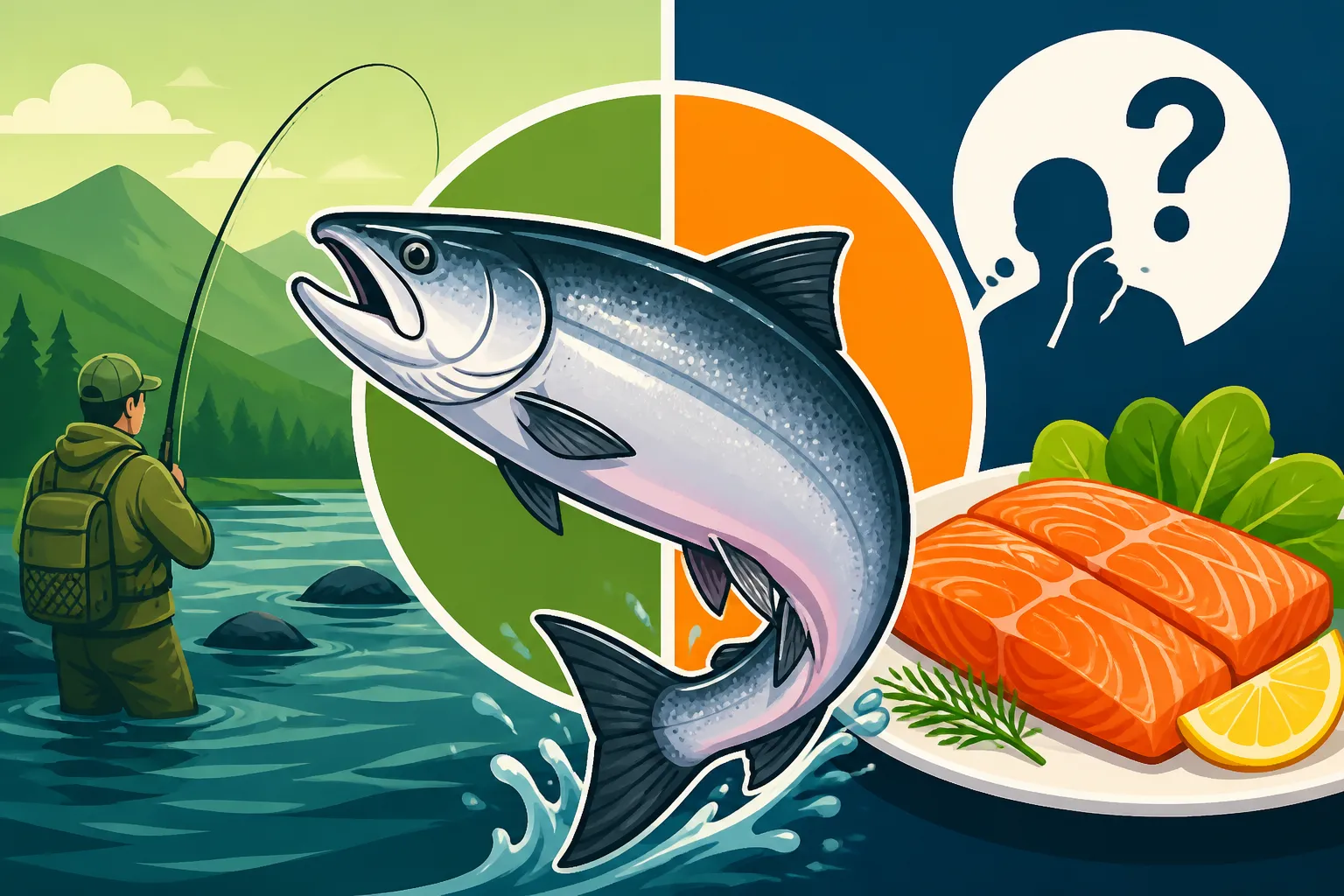
Are coho salmon good to eat?
Oh, the age-old question that sparks many a fireside chat among Oregon anglers: "Are coho salmon good to eat?" It’s a completely valid question, especially when you consider the sheer variety of salmon out there, each with its own reputation. You might have heard whispers that coho aren't as prized as, say, a magnificent Chinook, or maybe you've just never had the chance to try one fresh from our pristine Oregon waters. Well, let me tell you, dismissing coho salmon would be a huge disservice to your taste buds. This guide is here to settle the debate once and for all, diving deep into what makes coho a delicious and healthy choice for any table.
The Distinctive Flavor and Texture of Coho Salmon
When people talk about the "goodness" of a fish, they're usually talking about its flavor and texture. And coho salmon, sometimes called "silver salmon" for their brilliant, chrome-like scales when fresh from the ocean, have a truly unique profile that stands out. It’s not just a matter of "good" or "bad," but more about what you prefer and how you prepare it.
A Balance of Flavor and Firmness
Unlike the famously rich, buttery texture of a King (Chinook) salmon, coho offers a leaner, firmer flesh. This isn't a bad thing at all; in fact, it's what many anglers and foodies adore about it. The meat is typically bright orange-red, and when cooked, it flakes into large, moist pieces. The flavor itself is milder than Chinook or Sockeye, possessing a clean, delicate "salmon" taste without being overwhelmingly oily. This makes it incredibly versatile for a wide array of cooking methods and flavor pairings, which we’ll get into shortly.
If you’ve ever found some salmon to be a bit too intense or fatty for your liking, coho might just be your new favorite. It strikes a beautiful balance, providing that classic salmon experience without being quite as heavy. This delicate nature means it can absorb marinades and seasonings wonderfully without its natural flavor being completely masked.
Wild vs. Hatchery Coho: Is There a Difference in Taste?
Here in Oregon, we're fortunate to have both wild and hatchery coho. For many fish species, there's often a perceived difference in flavor or quality between wild-caught and hatchery-raised fish. With coho, however, the distinction in taste is often subtle, if noticeable at all, for the average consumer. Both wild and hatchery coho are grown in the same ocean environments, feeding on similar prey, which contributes to their consistent quality.
Wild coho tend to have a slightly more varied diet, which can sometimes result in a richer or more nuanced flavor, but this is highly dependent on where and when they were caught. Hatchery coho, on the other hand, are often very consistent in their fat content and flavor due to more controlled early-life environments. From a culinary perspective, you're likely to have a fantastic eating experience with either. The key is freshness, regardless of origin. So, whether you're bringing one home from a river after a successful day out, or picking one up from a local fishmonger, freshness is king for optimal flavor.
Nutritional Powerhouse: The Health Benefits of Coho Salmon
Beyond taste, the nutritional value of coho salmon is another huge reason to make it a staple in your diet. Like all salmon, coho is packed with essential nutrients that support overall health, making it not just delicious, but incredibly good for you.
Rich in Omega-3 Fatty Acids
When you hear "salmon," you probably think "Omega-3s," and for good reason! Coho salmon is an excellent source of these beneficial fatty acids. While they may have a slightly lower fat content overall compared to a Chinook, they still deliver a significant dose of EPA and DHA, the types of Omega-3s that are crucial for heart health, brain function, and reducing inflammation throughout the body.
Regular consumption of Omega-3s has been linked to lower risks of heart disease, improved cognitive function, and even better mood regulation. For many, integrating healthy fats into their diet can be a challenge, but enjoying a delicious piece of coho makes it easy and enjoyable. It's a fantastic way to nourish your body while savoring a delightful meal.
A Bounty of Vitamins and Minerals
Coho salmon isn't just about Omega-3s; it's also a treasure trove of other vital nutrients. You'll find a good amount of high-quality protein, which is essential for muscle repair and growth, keeping you feeling full and energized. It's also rich in Vitamin D, a nutrient many people are deficient in, especially during the darker months, and which plays a key role in bone health and immune function.
Beyond that, coho provides a healthy dose of B vitamins (especially B12, B6, and niacin), which are crucial for energy production and nerve function. Minerals like selenium, which acts as an antioxidant, and potassium, important for blood pressure regulation, are also present. Eating coho is truly a comprehensive way to boost your nutrient intake. When you’re thinking about what to put on your plate, it’s hard to beat the nutritional punch that coho salmon delivers. If you’re ever curious about other species, check out our Oregon Salmon Species Guide.
Preparing and Cooking Coho Salmon for Optimal Enjoyment
Okay, so coho salmon is delicious and nutritious. Now for the fun part: how do you get it from the water (or fish counter) to your plate in the most mouth-watering way possible? Its relatively lean profile and firm texture make it incredibly forgiving and versatile in the kitchen.
Versatile Cooking Methods
Because of its moderate fat content, coho salmon shines with a variety of cooking methods. You want to choose techniques that highlight its delicate flavor and prevent it from drying out.
- Grilling: This is often a favorite, especially in the warmer months. A cedar plank can work wonders here, infusing a smoky aroma and helping to keep the fish moist. You can find excellent cedar planks on Amazon, often bundled in packs. Just soak the plank beforehand, place your seasoned coho fillet on top, and grill over indirect heat.
- Baking: Simple and foolproof. A little olive oil, lemon, fresh herbs, and salt and pepper are all you need. Bake at a moderate temperature (around 375°F or 190°C) until it flakes easily with a fork. This method is great for locking in moisture.
- Pan-Searing: For a crispy skin and tender interior, pan-searing is fantastic. Start skin-side down in a hot pan with a little oil, then flip to finish. This creates a delightful contrast in texture.
- Smoking: If you’re into home smoking, coho takes beautifully to it, resulting in a rich, flaky product perfect for appetizers, salads, or even just by itself. Look for smoking chips or pellets on Amazon that complement fish, like alder or applewood.
When you're handling the fish, remember that coho is relatively delicate. A good fish spatula is an unsung hero in the kitchen, making it much easier to flip and serve without breaking up those beautiful flakes. Again, Amazon has a wide selection of kitchen tools designed specifically for fish.
Pairing Flavors and Avoiding Common Pitfalls
The mild flavor of coho makes it a fantastic canvas for various culinary explorations. It pairs well with bright, acidic flavors like lemon, lime, and white wine. Fresh herbs such as dill, parsley, and chives are classic companions. For a little kick, a light soy-ginger marinade or a touch of garlic and paprika can elevate the dish without overpowering it. Consider a side of roasted asparagus, wild rice, or a crisp green salad to round out your meal.
One common pitfall when cooking coho, or any leaner fish for that matter, is overcooking. Because it has less fat than, say, a Chinook, it can dry out more quickly if left on the heat too long. Keep an eye on it! The ideal doneness is when the thickest part of the fish just barely starts to flake and the center is still slightly translucent. A meat thermometer inserted into the thickest part should read around 125-130°F (52-54°C) for medium-rare, or 135-140°F (57-60°C) for medium. Pull it off the heat just before it reaches your desired temperature, as it will continue to cook slightly from residual heat.
Sourcing and Sustainable Coho Fishing in Oregon
Enjoying coho salmon is even better when you know where it comes from and that it’s caught responsibly. Oregon is a fantastic place for both commercial and recreational coho fishing, and understanding how and where to get this delicious fish is part of the experience. You might also want to look into Oregon Fishing Regulations Explained for more details on local rules.
Where to Find Fresh Oregon Coho
For many, the ultimate way to enjoy coho is to catch it yourself! Oregon’s coastal rivers, like the Nestucca, Siletz, and Alsea, are renowned for their fall coho runs. The Columbia River also sees significant coho returns, offering excellent opportunities for boat and bank anglers alike. Checking the Oregon Fishing Season Dates and Limits is crucial before you head out, as seasons can vary by location and year. If you're looking for How to Fish for Coho Salmon in Oregon, there are plenty of resources and guides available.
If angling isn't your thing, don't worry! You can often find fresh, locally-caught coho salmon at farmers' markets along the coast, specialty seafood markets in cities like Portland or Astoria, and even some larger grocery stores that prioritize sourcing local seafood. Asking your fishmonger where their coho comes from can help ensure you're getting a fresh, high-quality product.
The Importance of Sustainable Practices
The health of our salmon populations, including coho, is a top priority for Oregon fisheries management. Coho salmon populations can fluctuate, and responsible fishing practices are essential to ensure these magnificent fish return year after year. When purchasing coho, looking for labels that indicate sustainable harvesting practices, such as those from certified sustainable fisheries, is a great way to support conservation efforts.
Anglers also play a vital role. Adhering to bag limits, season dates, and specific gear restrictions helps protect vulnerable stocks. For instance, understanding Oregon Daily Bag Limits Explained is key to ethical fishing. Catch-and-release practices for certain populations, especially wild coho in specific river systems, are often encouraged or mandated to help boost future returns. By being mindful consumers and responsible anglers, we can all contribute to the long-term health and availability of delicious Oregon coho salmon for generations to come. This commitment to sustainability is part of what makes our Oregon fishing heritage so special.
So, the answer to "Are coho salmon good to eat?" is a resounding YES! With its delightful flavor, firm texture, impressive nutritional profile, and versatility in the kitchen, coho salmon is truly a culinary gem from the Pacific Northwest. Don't hesitate to give it a try—you might just find your new favorite fish!
| Coho Salmon Attribute | Description | Culinary Benefit |
|---|---|---|
| Flavor Profile | Mild, clean, distinct "salmon" taste | Versatile, doesn't overwhelm, takes well to seasonings |
| Texture | Firmer, lean, flakes into large, moist pieces when cooked | Holds up well to various cooking methods, satisfying chew |
| Fat Content | Moderate; leaner than Chinook, fattier than pink salmon | Good for grilling, baking, pan-searing; less prone to greasiness |
| Color | Bright orange-red flesh | Visually appealing on the plate |
| Nutritional Value | High in Omega-3s, protein, Vitamin D, B vitamins, selenium, potassium | Excellent for heart, brain, and overall health |
| Availability | Good during fall runs in coastal rivers and Columbia River; fresh at markets | Readily accessible to anglers and consumers in Oregon |
Disclaimer
This article is for general informational purposes only and does not constitute professional advice. Laws, prices and regulations vary by location and change over time. Consult a qualified professional for guidance on your specific situation.