Yellow Perch in Oregon
For many anglers, the thought of fishing immediately conjures images of mighty salmon leaping, elusive steelhead battling currents, or trophy trout rising to a perfectly presented fly. But let's be honest, not every fishing trip needs to be an epic quest for a giant. Sometimes, the most fulfilling and downright fun days on the water come from pursuing a species that might be considered humble, yet offers consistent action and delicious rewards: the yellow perch. If you've overlooked these feisty little panfish in Oregon, you're truly missing out on a fantastic angling opportunity that's perfect for all ages and skill levels, promising a full stringer and a happy stomach.
What Exactly Are Yellow Perch?
Let's clear up any confusion right off the bat. When we talk about yellow perch in Oregon, we're talking about a distinct, identifiable fish that's a true joy to catch. They might not have the flash of a chrome steelhead, but they have their own charm.
Distinguishing Features and Habitat
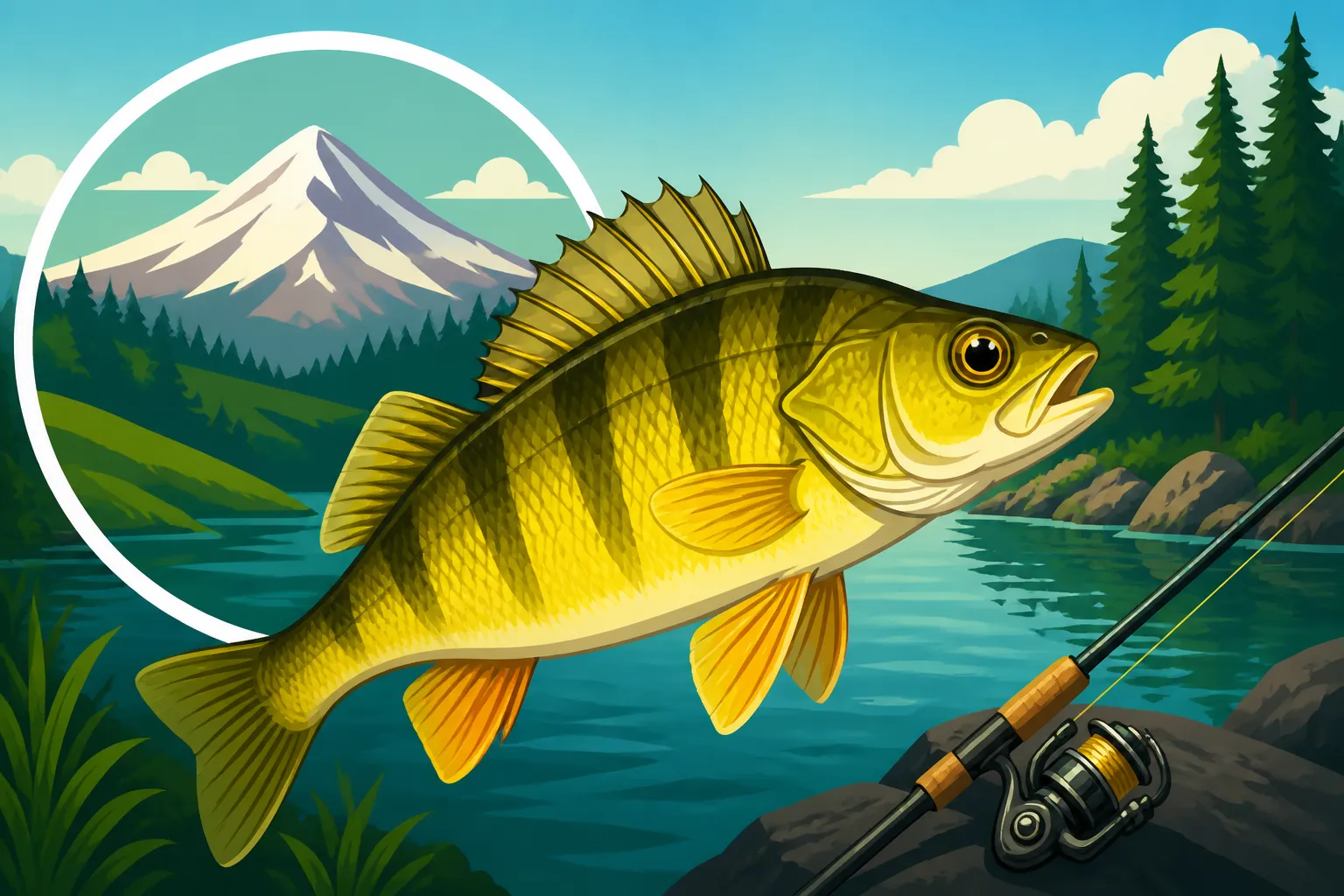
Yellow perch (Perca flavescens) are easily recognized by their striking appearance. They typically have a brassy-yellow to golden-green body, adorned with 6 to 8 dark, vertical bars along their sides, which give them a somewhat tiger-striped look. Their fins, especially the lower ones, often have an orange or reddish hue, adding to their vibrant coloration. They possess two dorsal fins; the first is spiny, and the second is softer-rayed.
Size-wise, most yellow perch you'll encounter in Oregon will be in the 6 to 10-inch range, with some of the real beauties pushing 12 to 14 inches, sometimes even larger in certain waters. They're not built for speed, but their compact, slightly compressed bodies are surprisingly strong, making them feisty fighters on light tackle.
As for their habitat, yellow perch are incredibly adaptable. They prefer cooler, clear waters with plenty of vegetation, whether it's submerged weeds, lily pads, or even fallen timber. These areas provide both ambush points for feeding and cover from predators. They're often found in schools, sometimes quite large ones, which means if you find one, you're likely to find many more. This schooling behavior is a huge part of what makes them such a popular target – the action can be non-stop!
Where Yellow Perch Thrive in Oregon
Oregon is blessed with a fantastic array of lakes and reservoirs where yellow perch absolutely flourish. While they aren't native to the Pacific Northwest, they've been successfully introduced into many waters across the state and have established thriving populations.
Some of the perennial hotspots for yellow perch include:
- Henry Hagg Lake (Scoggins Valley Park): This reservoir near Forest Grove is perhaps one of the most famous perch fisheries in Oregon. It’s easily accessible from the Portland area and consistently produces good numbers of yellow perch, often with some impressive sizes mixed in. You'll find them holding around submerged timber, brush piles, and weed beds. For many, Henry Hagg Lake fish species list is practically synonymous with perch fishing.
- Tenmile Lakes (Lakeside): Down on the Southern Oregon Coast, the Tenmile Lakes system (which includes North and South Tenmile) offers excellent perch fishing, particularly in the shallower, weedy areas. It's a beautiful setting and a real gem for panfish anglers.
- Thompson Reservoir: Located in Lake County in southeastern Oregon, Thompson Reservoir is known for its cold, clear waters and healthy populations of various fish, including yellow perch. It's a bit more off the beaten path but can be incredibly rewarding.
- Prineville Reservoir: In Central Oregon, Prineville Reservoir provides a fantastic warmwater fishery, and yellow perch are a significant part of that. They'll often school up in deeper channels or around structure.
- Siltcoos and Tahkenitch Lakes: These coastal lakes south of Florence are also known for decent perch populations, offering another option for anglers exploring that region.
While these are some of the most popular, yellow perch can be found in many other smaller lakes and ponds throughout Oregon. The key is looking for waters with good submerged vegetation or structure, and a relatively healthy ecosystem for warmwater species. If you're wondering Where to find yellow perch in Oregon, these locations are a great starting point, but always check local regulations for specific water bodies.
Why You Should Target Yellow Perch in Oregon
Alright, so you know what they are and where they live. But why dedicate a day of your precious fishing time to these striped little fighters? The answer, my friends, is simple: they offer a perfect blend of exhilarating action and delicious reward, making them an ideal target for any angler, regardless of experience.
The Fight and the Feast
Let's talk about the fight. For their size, yellow perch are incredibly aggressive and put up a surprisingly spirited battle, especially on appropriate light tackle. They hit baits and lures with gusto, often providing that satisfying thump on your line that gets your heart racing. Once hooked, they'll pull and dive, making for a genuinely fun experience, especially when you're hitting a school and getting a fish on nearly every cast. It's the kind of fast-paced action that can keep even the most restless angler engaged.
But the real kicker? Yellow perch are delicious. Seriously, they're some of the finest eating freshwater fish you can catch. Their meat is flaky, white, and mild, with a delicate flavor that stands up well to a variety of cooking methods. Fried perch fillets, lightly breaded and pan-fried to a golden crisp, are a culinary delight that rivals even the most prized game fish. Many anglers consider them a top-tier table fish, and a successful day of perch fishing often means a fantastic dinner. This combination of an exciting catch and an amazing meal is truly hard to beat.
A Great Option for Beginners and Families
One of the most appealing aspects of targeting yellow perch is their accessibility. You don't need a fancy boat or highly specialized gear to have a successful day. In fact, many excellent perch spots in Oregon are accessible from the bank, docks, or even small kayaks and float tubes. This makes them an absolutely fantastic choice for beginners, young anglers, or families looking for a relaxed, fun day outdoors.
Imagine taking your kids or grandkids out to a local lake. Instead of hours of waiting for a bite that might never come, with perch, the action can be almost immediate. Their willingness to bite means beginners get frequent opportunities to practice casting, feel a fish strike, and learn the basics of reeling one in. This consistent engagement is crucial for building confidence and fostering a lifelong love for fishing. Plus, the sheer joy on a child's face when they land a brightly colored perch is priceless. It's a low-pressure, high-reward fishing experience that creates lasting memories and delicious meals. If you're just starting out, or looking for something easy and fun, check out Oregon Fishing Techniques for Beginners.
Essential Gear for Yellow Perch Fishing
One of the beautiful things about chasing yellow perch is that you don't need to break the bank on highly specialized equipment. In fact, much of what you likely already have for trout or panfish will work just fine. However, dialing in your gear just a little can make a big difference in your success and enjoyment.
Rods, Reels, and Line Choices
When it comes to yellow perch, lighter is definitely better. This isn't just about sporting fun; it's also practical. Perch have relatively delicate mouths, and heavy-handed hooksets or overly stiff rods can easily tear the hook free.
- Rods: Opt for a light to ultralight spinning rod, typically 5 to 6.5 feet long. A fast or moderate-fast action will give you enough sensitivity to feel those subtle perch bites and enough backbone to set the hook without being overly rigid. This lighter rod also makes even a 6-inch perch feel like a champion fighter!
- Reels: Pair your ultralight rod with a small spinning reel (size 500 to 1000). These reels are designed for light lines and offer a smooth drag, which is important when a school of aggressive perch decides to put up a fight. You can often find great deals on these smaller items, even some multi-packs, on sites like Amazon.
- Line: Spool your reel with 2 to 6-pound test monofilament or fluorocarbon line. Monofilament is a popular choice due to its stretch (which helps cushion the hookset) and affordability. Fluorocarbon offers less stretch and better sensitivity, which can be an advantage in deeper water or when bites are light. Some anglers even prefer a braided main line with a fluorocarbon leader for ultimate sensitivity and abrasion resistance. The lighter line is key for better bait presentation and detecting those subtle nibbles.
Bait and Lure Selection for Perch
Yellow perch aren't particularly picky eaters, which is another reason they're so much fun to target. However, having a few go-to options in your tackle box will definitely increase your chances of success.
- Live Bait: This is often the undisputed king for perch. Small live minnows (if legal in your fishing spot, always check Oregon Fishing Regulations Explained), worms (nightcrawlers cut into pieces, red wigglers), and even maggots or wax worms are highly effective. These natural offerings are irresistible to perch. You can often buy bait from local tackle shops or even order specific types of live bait online from retailers that ship directly.
- Soft Plastics: Tiny soft plastic grubs, tubes, and micro-finesse baits (1 to 2 inches) fished on a small jig head (1/32 to 1/8 ounce) can be incredibly productive. Colors like chartreuse, white, pumpkinseed, and motor oil are perennial favorites. The subtle action of these plastics mimics small minnows or aquatic insects. Again, a quick search on Amazon will reveal a vast array of choices, perfect for stocking up on a variety of colors and styles.
- Small Lures: Crappie jigs, small inline spinners (like a Rooster Tail or Panther Martin in 1/16 to 1/8 ounce), and tiny spoons can also entice aggressive perch. Experiment with retrieve speeds and depths until you find what they're hitting. For similar species, you might find some crossover ideas in Best Bait for Oregon Trout Fishing.
Must-Have Accessories
Beyond your rod and reel, a few key accessories will make your perch fishing experience much more enjoyable and efficient.
- Small Tackle Box: A compact box with multiple compartments for jig heads, hooks, swivels, and split shots. Organization is key when dealing with small baits.
- Forceps or Pliers: Perch have small mouths, and sometimes they swallow the hook deep. A good pair of long-nosed pliers or fishing forceps will help you safely remove hooks without harming the fish or your fingers.
- Tape Measure or Ruler: While perch don't typically have strict size limits, it's always good practice to know the length of your catch, especially if you're keeping them for dinner. Plus, it's fun to see how big that "jumbo" perch really is! Oregon's Oregon Daily Bag Limits Explained will give you the most current info on regulations.
- Small Landing Net: While not strictly necessary for every perch, a small, fine-mesh net can be handy for safely landing larger perch, especially when fishing from a boat or dock.
- Sun Protection: Hat, sunglasses, and sunscreen are essential for any day spent on the water, regardless of the target species. Oregon sun can be intense, even on cloudy days.
| Bait/Lure Type | Ideal Conditions | Pros | Cons |
|---|---|---|---|
| Live Worms | All-around, especially slow bites | Highly attractive, readily available | Can be messy, smaller fish may steal bait |
| Live Minnows | Active fish, targeting larger perch | Excellent for bigger perch, highly natural | Availability restrictions, can be expensive |
| Soft Plastic Grubs | Versatile, active to moderate bites | Durable, wide color range, compact for travel | Requires jigging action, less natural scent |
| Small Inline Spinners | Aggressive fish, covering water, clear water | Flash and vibration attracts fish from afar | Can cause line twist, not ideal for still fishing |
| Small Spoons | Deeper water, aggressive fish, ice fishing | Good flash, weighted for casting | Less action on slow retrieve |
Top Techniques for Landing Yellow Perch
Once you've got your gear sorted, it's time to talk tactics. Yellow perch are pretty cooperative, but understanding a few key techniques will put more fish in your net. They respond well to both passive and active presentations, depending on their mood and the conditions.
Still Fishing with Bait
This is arguably the most classic and effective method for yellow perch, especially when they are schooled up or for beginners. It involves presenting a natural bait to the fish and letting them come to it.
- Bobber Fishing: This is a fantastic and highly visual technique. Attach a small bobber or float to your line, then a small split shot or two a foot or so above a small hook (size 8 or 10, often a J-hook or Aberdeen style). Tip the hook with a piece of nightcrawler, a red wiggler, or a couple of maggots/wax worms. Adjust the depth so your bait is just off the bottom or suspended in the middle of a weed bed where perch are likely to be hiding. When the bobber dips, twitch the rod tip gently, then set the hook with a smooth upward sweep. This is incredibly effective around docks, weed edges, or submerged timber.
- Bottom Fishing (Carolina Rig): When perch are holding tight to the bottom in deeper water, a simple Carolina rig can be very effective. Slide a small sliding sinker (1/8 to 1/4 ounce) onto your main line, followed by a small bead, and then tie on a barrel swivel. To the other end of the swivel, tie a 12-18 inch leader of lighter fluorocarbon line (e.g., 4-pound test) and a small hook. This setup allows the fish to pick up the bait without feeling the weight of the sinker, and the bait remains on the bottom where perch often feed. This works well from boats or deeper banks.
Jigging and Lure Presentation
When perch are more active, or you want to cover more water to find schools, active lure presentation can be incredibly productive. This is where those small soft plastics and tiny jigs really shine.
- Vertical Jigging: This technique is fantastic from a boat, kayak, or even a dock. Drop a small jig (1/32 to 1/8 ounce) tipped with a soft plastic grub or a small piece of worm straight down to the bottom. Once it hits, lift your rod tip a foot or two, then let the jig flutter back down on a semi-slack line. Many bites occur on the fall. Vary the speed and height of your lifts until you find what the perch respond to. Sometimes a sharp snap, other times a slow, subtle twitch is all it takes. This is also a primary method for ice fishing for perch during colder months when lakes freeze over.
- Casting and Retrieving: For covering shallower flats or working along weed lines from the bank, casting a small jig or spinner is the way to go. Cast out, let your lure sink to the desired depth (or just below the surface for spinners), then retrieve with a steady pace, adding occasional twitches or pauses. Pay close attention to your line; perch often hit as the lure pauses or changes direction. Experiment with different retrieve speeds until you find what triggers a strike.
Ice Fishing for Perch Seasonal
While Oregon isn't known for extensive ice fishing opportunities compared to some other states, certain high mountain lakes and shallower reservoirs do freeze over sufficiently in colder winters, offering a unique chance to target perch.
- Hole Drilling and Depth Finding: The first step is safe ice, of course! Once you have that, use an auger to drill holes. A small, portable fish finder (flasher or LCD unit) is invaluable for locating submerged structure and, more importantly, schools of perch. Perch often school tightly under the ice, so finding them is half the battle.
- Vertical Jigging with Tiny Baits: Ice fishing for perch almost exclusively involves vertical jigging. Tiny jigs (1/64 to 1/16 ounce), often called "ice jigs," tipped with a single maggot, wax worm, or a small piece of plastic, are lowered to the depth where fish are detected. Subtle jigging motions – short lifts, shakes, and pauses – are usually most effective. The key is patience and persistence, moving from hole to hole until you find an active school. Remember, always prioritize safety on the ice, and be aware of Oregon Fishing Season Dates and Limits for specific regulations that may apply to ice fishing.
Best Time of Year and Day to Fish for Yellow Perch in Oregon
Knowing when to fish for yellow perch can be just as important as knowing how and where. While they can be caught year-round in many Oregon waters, certain seasons and times of day offer higher chances of success.
Seasonal Sweet Spots
Yellow perch fishing in Oregon really has its peak times, and understanding these can drastically improve your catch rates.
- Spring (Pre-Spawn and Spawn): This is often considered prime time for perch, especially from late March through May, depending on water temperatures. As water temperatures rise into the 45-55°F range, perch move into shallower areas to spawn. They'll be feeding aggressively beforehand to bulk up for the spawning process, and then remain in these shallower areas during and immediately after, making them more accessible to bank anglers. This can be some of the easiest fishing of the year.
- Summer: Perch are still very catchable during the summer months, but they tend to move deeper to find cooler water and more oxygen. You'll often find them around deeper structure, submerged weed beds in deeper sections, or drop-offs. Early mornings and late evenings are generally the most productive times during summer, as the water is cooler and perch may move shallower to feed.
- Fall: As water temperatures begin to cool in September and October, perch once again become highly active. They move back into shallower to mid-depths, often schooling up tightly and feeding aggressively to prepare for winter. This can be another fantastic time for consistent action, similar to the spring bite. They're often putting on weight, so you might even catch some of the fattest perch of the year.
- Winter (Ice Fishing): For waters that reliably freeze over, winter can provide exceptional yellow perch fishing, as mentioned earlier. Perch congregate in large schools in specific areas, and once you locate them, the action can be phenomenal. However, open water winter fishing for perch can be slower, as their metabolism slows down, and they become less active. Always check for Oregon Fishing Season Dates and Limits as specific rules can vary by water body.
Daily Activity Patterns
Just like us, perch have their preferred meal times. While you can catch them throughout the day, focusing on these periods can give you an edge.
- Early Morning and Late Evening: These twilight hours are often the most productive for yellow perch, especially during the warmer months of summer. As the sun rises or sets, light levels are lower, and water temperatures are typically cooler. This encourages perch to move into shallower feeding grounds, making them more accessible and active. If you're planning a trip to a popular spot like Henry Hagg Lake, getting there at dawn can really pay off.
- Mid-Day (with caveats): In spring and fall, when water temperatures are moderate, perch can remain active throughout the day, particularly if it's overcast or breezy. During bright, sunny summer days, however, the mid-day bite often slows down significantly as perch retreat to deeper, cooler, and shadier areas. If you're fishing mid-day in summer, focus on deeper water, shaded spots, or dense cover.
- Cloud Cover and Weather: Overcast days can extend the productive bite window for perch, as the reduced light penetration makes them feel more comfortable in shallower water for longer periods. A light chop on the water from a breeze can also be beneficial, as it breaks up the surface and makes it harder for perch to be spooked, while also stirring up baitfish. However, extreme weather changes, like a sudden cold front, can sometimes shut down the bite temporarily.
Regulations and Conservation for Yellow Perch
While yellow perch are often abundant and robust, it's still crucial to be aware of and adhere to Oregon's fishing regulations. Responsible angling ensures that these fun and delicious fish remain a vibrant part of Oregon's fisheries for years to come.
Understanding Bag and Size Limits
Oregon fishing regulations are set by the Oregon Department of Fish and Wildlife (ODFW) and can vary depending on the specific water body. For yellow perch, the rules are generally quite generous, often encouraging harvest due to their non-native status and prolific breeding habits in many systems.
- Daily Bag Limits: In many Oregon waters, especially lakes and reservoirs where they are abundant, there is no daily bag limit for yellow perch. This means you can keep as many as you'd like, which is great news for those planning a big fish fry! However, it is absolutely critical to check the current ODFW regulations for the specific lake or reservoir you plan to fish. You can usually find these online or in the annual printed fishing regulations booklet. A general guide to Oregon Fishing Regulations Explained will point you in the right direction, but always get the specifics for your chosen location.
- Size Limits: Similarly, many waters in Oregon do not have a size limit for yellow perch. This means you can keep fish of any legal size. Again, always double-check the local regulations to ensure you're in compliance. This often contrasts with highly regulated game fish species. For quick reference, checking What is the daily limit for yellow perch in Oregon directly is always a good idea.
The reason for these liberal limits is often tied to management goals. In many lakes, yellow perch can become overpopulated, leading to stunted growth due to competition for food. Encouraging harvest helps to thin out the population, allowing the remaining fish to grow larger and healthier.
Responsible Angling Practices
Even when targeting a species with generous limits, practicing responsible angling is paramount. It's about respecting the resource and ensuring a positive experience for everyone.
- Proper Identification: Before you keep any fish, make absolutely sure it's a yellow perch. While they are distinctive, sometimes in poor light or for new anglers, confusion can occur with other panfish. When in doubt, release it.
- Handling Fish: If you plan to release perch, handle them as little as possible. Wet your hands before touching them to protect their protective slime coat. Use forceps or needle-nose pliers to quickly and gently remove hooks.
- Harvesting Responsibly: If you are keeping fish for the table (and you absolutely should, they're delicious!), dispatch them quickly and humanely. Keep them on ice or in a cooler to preserve freshness. Only take what you can reasonably use or share; while there might not be a numerical limit, there's always an ethical limit.
- Leave No Trace: Pack out everything you pack in, including any discarded fishing line, bait containers, or food wrappers. Leave your fishing spot cleaner than you found it.
- Respect Other Anglers: Share the water and be courteous to others. Whether it's a quiet bank angler or a boater, everyone is out there to enjoy Oregon's fantastic fishing opportunities.
By understanding the nature of yellow perch, equipping yourself with the right gear, employing effective techniques, and fishing responsibly, you’re not just catching fish; you’re building memories and enjoying one of Oregon's most underrated angling experiences. So next time you're wondering what to chase, grab your ultralight rod and go find some of those delightful, delicious yellow perch!
Disclaimer
This article is for general informational purposes only and does not constitute professional advice. Laws, prices and regulations vary by location and change over time. Consult a qualified professional for guidance on your specific situation.