Best technique for panfish in farm ponds
There's something wonderfully nostalgic and accessible about fishing a local farm pond. For many of us, it was our very first taste of angling adventure – a place where the stakes felt low, but the excitement of a bobber dipping was incredibly high. But if you've ever spent an afternoon with nary a nibble, you know that even these seemingly simple waters require a bit of know-how. This guide is all about equipping you with the best techniques to consistently hook into those feisty panfish, turning frustrating quiet days into memorable catches.
Understanding Oregon's Farm Pond Panfish
Before we even think about casting a line, it's really helpful to understand who our finned friends are and what makes them tick in these smaller, often self-contained environments. Farm ponds in Oregon, while not always teeming with the same wild diversity as a sprawling river, are often home to a fantastic array of panfish that are eager to bite and provide endless entertainment, especially for beginners or those seeking a relaxed day on the water.
Common Panfish Species in Oregon Ponds
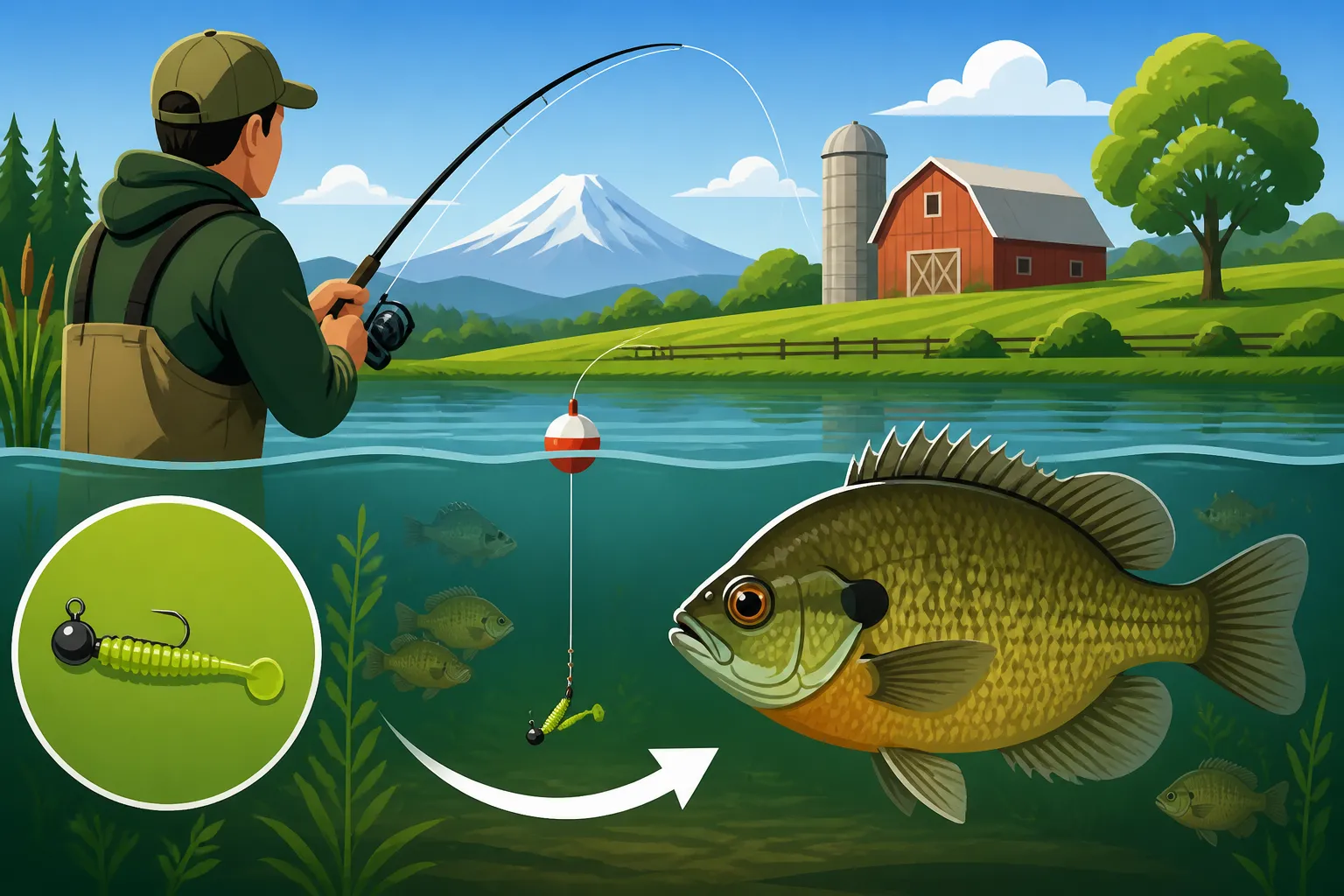
When we talk about "panfish," we're generally referring to a collection of smaller, often round-bodied fish that are, quite literally, perfect for fitting in a frying pan! In Oregon's farm ponds, you're most likely to encounter a few key players. The king of the panfish, especially for sheer numbers and willingness to bite, is often the bluegill. These little guys are known for their vibrant colors and feisty fight, even on light tackle. They love to hang around submerged structure, lily pads, and weed beds.
Then there are crappie, both black and white varieties, though black crappie tend to be more prevalent in many Oregon waters. Crappie are a bit more elongated than bluegill and are renowned for their delicate, delicious meat. They often school up, especially around submerged brush, timber, or artificial structures like old Christmas trees sunk by the pond owner. If you find one crappie, you've often found a whole bunch!
Yellow perch are another common farm pond resident. These fish have distinctive vertical stripes and can grow to a respectable size, offering a good fight. They tend to prefer slightly cooler water than bluegill or crappie, often staying in deeper sections of the pond during warmer months but moving shallower to feed. These species, along with occasional small largemouth bass or brown bullhead catfish, make up the bulk of what anglers typically target. Understanding their preferred habitats and feeding habits is the first step to success. You can dive deeper into specific species with our comprehensive guide, "Oregon Panfish Guide."
Panfish Behavior and Habitat in Ponds
Panfish are highly influenced by their environment. In a farm pond, which is often shallower and warms up faster than a large lake or river, their activity levels can fluctuate quickly with water temperature and time of day. During cooler mornings and evenings, especially in summer, panfish like bluegill and crappie will often move into shallower water to feed on insects, small minnows, or aquatic vegetation. As the sun climbs and the water heats up, they tend to retreat to deeper, cooler areas or seek shade under docks, overhanging trees, or dense weed beds.
Structure is key for panfish. They are ambush predators and also seek protection from larger fish and birds. This means any underwater feature – a fallen log, a rocky patch, a stand of cattails, even a small drop-off in the pond bottom – can be a panfish hotspot. Learning to "read" the water and identify these potential hideouts is crucial. Observing where insects are active on the surface or where minnows might be schooling can also give clues about where panfish are lurking below. Small ponds, while intimate, can still have complex underwater topographies that attract fish.
| Panfish Species | Typical Habitat in Ponds | Preferred Forage | Best Time to Catch |
|---|---|---|---|
| Bluegill | Weeds, lily pads, docks, brush piles, shallow flats | Insects, larvae, worms, small minnows | Morning, evening, overcast days |
| Crappie | Submerged timber, brush piles, deeper structure, open water schools | Minnows, small crustaceans, insects | Early morning, late evening, night |
| Yellow Perch | Deeper areas, weed lines, gravel bottoms | Minnows, insect larvae, worms | Daytime, especially cooler parts |
| Small Bass | Drop-offs, edges of weed lines, larger structure | Minnows, frogs, large insects | Dawn, dusk, overcast days |
| Brown Bullhead | Soft, muddy bottoms, low light, deep holes | Scavengers, worms, cut bait | Night, dark conditions |
Essential Gear for Farm Pond Panfish Success
One of the great joys of panfishing is that you don't need a boatload of expensive, heavy-duty gear. In fact, lighter tackle often makes the experience more fun and effective! We're talking about gear that allows you to feel even the most delicate nibble and offers a thrilling fight from a fish that might only weigh a few ounces.
Rods, Reels, and Line: Keeping it Light
For farm pond panfish, the mantra is "ultralight." A good ultralight spinning rod, typically 5 to 6 feet in length, with a fast or moderate-fast action, is absolutely ideal. This type of rod will have a sensitive tip to detect subtle bites, but enough backbone to handle a decent-sized crappie or bass if you happen to hook into one. Paired with a small spinning reel (something in the 500 or 1000 series size), you'll have a perfectly balanced setup. These smaller reels are lightweight and designed for lighter lines, making them a joy to cast all day. You can find excellent options for both rod and reel on platforms like Amazon that are budget-friendly and perfect for this kind of fishing.
When it comes to fishing line, light monofilament or fluorocarbon is the way to go. Forget the heavy stuff you might use for salmon or steelhead. For panfish, 2 to 4-pound test line is usually plenty. Monofilament is more forgiving, with a bit of stretch, making it good for fighting spirited fish on light tackle and is generally cheaper. Fluorocarbon is less visible underwater and more sensitive, which can be an advantage when bites are subtle. Braided line, while super sensitive, might be overkill and often requires a fluorocarbon leader for stealth, as panfish can be line-shy.
Hooks, Sinkers, and Bobbers: The Small Details
The devil, or rather, the panfish, is in the details when it comes to terminal tackle. You'll want to use small hooks, appropriate for their small mouths. Sizes ranging from #8 to #12 are typically perfect for bluegill, crappie, and perch. Aberdeen hooks are popular for panfish because their thin wire makes them less likely to damage live bait and they bend easily to free snagged hooks, preventing line breakage. Circle hooks can also be effective, promoting jaw hooks and making release easier if you're practicing catch-and-release.
Split shot sinkers are your best friend for getting your bait down to the desired depth. A few small split shot crimped a foot or so above your hook are usually enough. Avoid using too much weight, as it can make your presentation unnatural and spook wary fish.
Bobbers are classic for a reason – they provide visual indication of a bite, which is incredibly satisfying! Small clip-on bobbers or slip bobbers are both effective. Slip bobbers allow you to fish at a precise depth, which is great if the fish are holding deep, as you can adjust the bobber stop on your line. For shallow water or when teaching kids, a simple clip-on bobber works wonderfully. You can purchase assortments of these essential small items easily, with many convenient fishing kits available on Amazon.
Baits and Lures: Tempting the Panfish Palate
Panfish aren't usually picky eaters, which is another reason they're so much fun to target! For bait, live options like red worms, mealworms, or waxworms are absolute gold. Crickets are also a fantastic choice, especially in late summer. A small piece of nightcrawler works well, too. For artificial baits, Berkley PowerBait offers various doughs and nuggets that can be very effective, especially for stocked trout that sometimes share ponds with panfish. You can learn more about general bait preferences in our guide to "Best Bait for Oregon Trout Fishing."
When it comes to lures, smaller is better. Tiny jigs (1/32 to 1/16 ounce) tipped with a small plastic grub, a piece of live bait, or a crappie nibble are incredibly versatile. Micro spinners, like those from Rooster Tail or Mepps, in sizes #0 or #1, can also entice aggressive strikes from bluegill and crappie, especially if they're actively feeding. Small spoons, such as Kastmasters or Little Cleos, in micro sizes, can imitate small baitfish. You can also get creative with soft plastics, using tiny tubes, grubs, or creature baits. For specific panfish like crappie, "How to catch crappie in Oregon reservoirs" offers excellent insights into lure choices.
Top Techniques for Catching Panfish in Farm Ponds
Now that we've got our gear sorted, let's talk about the fun part: getting that hookup! There are a few tried-and-true techniques that consistently produce results when targeting panfish in farm ponds. Each has its advantages depending on the conditions and the specific panfish you're after.
Bobber Fishing: The Classic Approach
This is probably the most iconic and beloved method for panfish, especially for families and beginners. It’s incredibly simple, highly effective, and provides that delightful visual cue when a fish decides to take your bait.
How to do it:
- Rigging: Thread your line through a bobber. If using a clip-on, simply attach it to your line. For a slip bobber, first thread on a bobber stop, then a small bead, then the bobber, then a small split shot, and finally your hook.
- Depth Setting: Adjust your bobber so your bait hangs anywhere from 1 to 4 feet below the surface. If you see fish activity in shallower water or around weeds, set it shallower. If you suspect fish are deeper, adjust accordingly.
- Baiting: Impale a small live worm, mealworm, or a piece of artificial bait onto your small hook. Don't overdo it; a small, natural presentation is best.
- Casting: Cast your rig out towards areas of interest – near weed beds, fallen logs, docks, or where you see surface activity.
- Watching and Waiting: Let the bobber sit. Watch it intently. When a panfish bites, the bobber will usually twitch, jiggle, or slowly pull under the water. Sometimes it'll just disappear!
- Setting the Hook: Once the bobber goes down, give a gentle but firm tug upwards with your rod tip to set the hook. Remember, panfish have delicate mouths, so a hard yank isn't necessary and can pull the hook out.
When it's best: Bobber fishing excels in calmer waters, when fish are actively feeding in the water column (not necessarily on the bottom), and when you're looking for an easy, relaxing method. It's particularly effective for bluegill and smaller crappie.
Bottom Fishing: Reaching the Deeper Dwellers
Sometimes, especially during the heat of the day or in deeper ponds, panfish retreat to the bottom where the water is cooler and there's often more food. This is when bottom fishing comes into its own.
How to do it:
- Rigging: This technique doesn't typically use a bobber. Instead, tie your small hook directly to your main line or a light leader. About 6-12 inches above the hook, crimp on one or two split shot sinkers, or use a small sliding sinker above a swivel tied to a leader.
- Baiting: Again, a small worm or similar live bait works wonders. You want the bait to sit right on the pond bottom.
- Casting: Cast your rig out and let it sink to the bottom. Keep a slight tension on your line as it sinks to feel for any bites on the drop.
- Detecting Bites: This requires more feel than bobber fishing. Watch your rod tip closely. You might feel a subtle tap, a slight bend in the rod, or see the line twitch or move sideways. Keep your rod tip pointed slightly down towards the water.
- Setting the Hook: When you feel or see a bite, give a gentle upward sweep of the rod to set the hook.
When it's best: This technique is fantastic for targeting yellow perch, larger crappie that are suspended just off the bottom, or even the occasional brown bullhead catfish, which often prefer to forage along the pond floor. It's also great when conditions are windy and a bobber would be hard to see.
Jigging and Lure Fishing: Active Angling
For those who prefer a more active approach, or when panfish are particularly aggressive, jigging small lures can be incredibly effective. This technique allows you to cover water and actively seek out feeding fish.
How to do it:
- Lure Selection: Choose a small jig (1/32 to 1/16 oz) with a plastic grub, tube, or a small spinner or spoon. You can also tip your jig with a small piece of worm for added enticement.
- Casting and Retrieving: Cast your lure out and let it sink to the desired depth. For bluegill, you might fish it shallow. For crappie or perch, you might let it sink deeper.
- The Jigging Action: Once it's at depth, reel slowly while imparting small twitches or lifts with your rod tip. This makes the lure "swim" or "hop" in the water, mimicking a minnow or insect.
- Slow Retrieve: A steady, slow retrieve works well for spinners and spoons.
- Lift and Drop: For jigs, lift your rod tip a foot or so, then let the jig fall on a semi-slack line. Many bites occur on the fall.
- Pause and Go: Experiment with pauses in your retrieve. Sometimes a stationary lure can trigger a hesitant fish.
- Feeling the Bite: Bites can range from a solid thunk to a subtle weight on your line. Your ultralight rod and light line will help you detect these subtle takes.
- Setting the Hook: A quick, gentle snap of the wrist is usually all it takes.
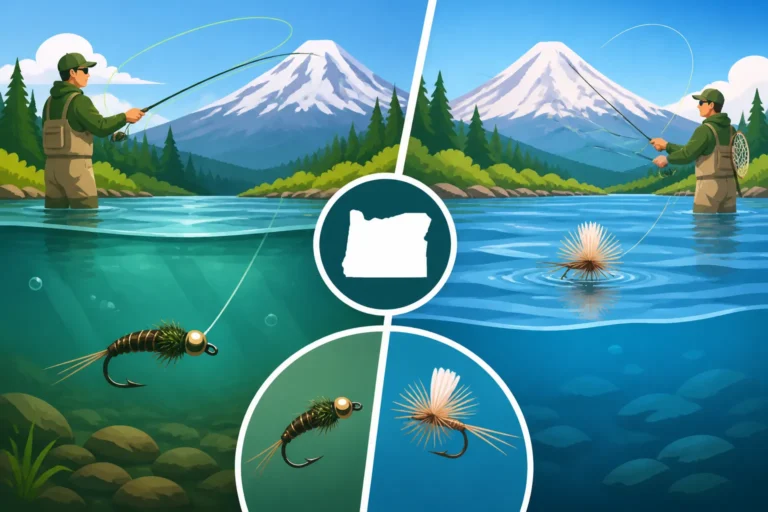
When it's best: Jigging and lure fishing are excellent for covering more water, finding active schools of crappie or perch, and when you want to feel the immediate connection to the fish. It's a very dynamic way to fish and can be incredibly rewarding. If you're into fly fishing, tiny wet flies or nymphs can also be jigged or stripped slowly for panfish, an elegant approach that can be extremely productive in calm waters, similar to some "Oregon Trout Fishing Techniques."
Tips for Maximizing Your Panfish Catch
Beyond the basic techniques, there are a few golden nuggets of advice that can truly elevate your farm pond panfishing game. These tips revolve around understanding the fish's environment and behavior, and making smart choices about when and where you cast your line.
Time of Day and Weather Conditions
Just like us, fish have preferred times to be active. For most panfish in farm ponds, the "golden hours" are typically dawn and dusk. In the early morning, before the sun gets too high and the water heats up, panfish move into shallower areas to feed. The same applies to late evening as the sun begins to set. During these cooler periods, their activity levels are often at their peak.
On hot, sunny days, mid-day fishing can be tough. The fish will often retreat to deeper, cooler water or seek refuge in dense shade. If you must fish during these times, focus on those deeper areas or spots with significant overhead cover. Overcast days can be a panfish angler's best friend. The reduced sunlight often means fish will remain active in shallower water throughout the day, as they don't feel the need to hide from the sun or predators. A light drizzle can also sometimes trigger a feeding frenzy, washing insects and other food into the water. However, be cautious of sudden cold fronts or rapidly dropping barometric pressure, as these can put fish off the bite.
Reading the Pond: Structure and Cover
A farm pond, no matter how small, is never just a uniform bowl of water. It has features, and those features are where the fish live. Learning to "read" the pond for structure and cover is paramount to consistent success.
- Weed Beds and Lily Pads: These are prime real estate for bluegill and small bass. They offer shelter, ambush points, and a buffet of insects. Cast to the edges of these beds, or even carefully drop your bait into small openings within them.
- Fallen Trees and Brush Piles: Crappie, in particular, absolutely love submerged timber. Old logs, tree limbs, or even intentional brush piles sunk by the pond owner are magnets for these schooling fish. Jigging small lures or suspending a bait with a bobber just above or within these structures can be deadly.
- Docks and Piers: Any man-made structure provides shade and cover. Fish often congregate under docks. Skipping a small jig or bait under a dock where the shade is deep can often result in a hook-up.
- Drop-offs and Depth Changes: While shallow areas are good for feeding, panfish will often retreat to deeper water when spooked or during bright daylight. Use a weighted lure or a simple depth finder (even a stick tied to a string with a weight) to map out deeper holes or sudden drop-offs. Fish often hold right along the edge where shallow water transitions to deep.
- Inflow/Outflow Areas: If the pond has an inlet (like a small stream or drain pipe) or an outlet, these areas can be good. Inflows can bring in fresh water and food, while outflows can concentrate fish in certain areas.
Stealth and Presentation
Even in a small farm pond, panfish can be surprisingly wary. Your approach can make a difference. Avoid stomping loudly on the bank or casting heavy weights that create a big splash. A quiet, gentle approach is always best. Use light line, small hooks, and natural baits to make your presentation as subtle as possible.
Remember to keep your bait fresh and lively if using live bait. A dead worm isn't nearly as enticing as one wiggling seductively on the hook. For lures, experiment with different retrieve speeds and jigging actions until you find what the fish are responding to on that particular day. Sometimes a slow, methodical retrieve is best, other times a more erratic, aggressive action will trigger a strike.
Finally, always be mindful of local regulations. While many private ponds have relaxed rules, it's always smart to check. And if you're fishing on private property, always get permission from the landowner first. For rules on fishing private waters, you might want to read "Do you need a license to fish on private ponds in Oregon?." Also, ensure that if there are young anglers with you, they understand the basics, and check out "Oregon fishing license age requirements" to make sure everyone is covered.
Disclaimer
This article is for general informational purposes only and does not constitute professional advice. Laws, prices and regulations vary by location and change over time. Consult a qualified professional for guidance on your specific situation.