Do you need a license to fish on private ponds in Oregon?
It’s a common scenario, isn't it? You get an invitation to a friend’s property, a family reunion at a secluded cabin, or maybe you even own a piece of land with a beautiful pond, and the thought immediately pops into your head: "Do I actually need an Oregon fishing license to cast a line here?" It feels like it should be simpler, more straightforward, a little perk of being on private property. But the truth is, in Oregon, the answer isn't always as simple as "yes" or "no." This guide is here to untangle that knot of confusion, helping you understand the nuances of fishing private ponds without inadvertently breaking any rules.
Understanding What Makes a Pond "Public" in Oregon's Eyes
When it comes to fishing regulations, the Oregon Department of Fish and Wildlife (ODFW) doesn't just look at whether the land around the water is private; they scrutinize the water body itself. This is where a lot of the confusion stems from, because what seems like a totally private pond to you might actually be considered "public water" under state law. It's a critical distinction that can make or break whether you need that Oregon Fishing License Guide or not.
The Connectivity Conundrum: Inlets and Outlets
The biggest factor in determining if a pond is truly private, from a licensing perspective, is its connection to other waterways. If your pond has any natural inlet or outlet that connects it to a stream, river, or larger lake – even if it's just a tiny trickle for part of the year – it's generally considered public water. This means any fish swimming into or out of that pond are considered part of the larger, public fishery resources of Oregon.
Think about it: many seemingly isolated ponds are actually fed by small springs or drain into seasonal creeks that eventually lead to major rivers like the Willamette, the Deschutes, or even the Pacific Ocean. Fish, especially migratory species like salmon and steelhead, don't recognize property lines. If they can get in or out, that water becomes part of their habitat, and thus, falls under ODFW's jurisdiction. This also applies to non-migratory species that might move between connected water bodies. The state's interest is in managing the overall fish population, not just the ones residing within your fence line.
Who Stocked the Fish? ODFW's Role in Pond Management
Another key element is who put the fish in the pond to begin with. If the ODFW has ever stocked the pond, even if it’s entirely on private property and has no discernible connection to other waterways, a fishing license is almost certainly required. ODFW stocks countless ponds and lakes across the state, and sometimes these include private waters where public access is granted, or where special agreements are in place for youth fishing events or conservation efforts.
If your private pond was stocked by the ODFW, those fish are still considered public resources. This means that anyone fishing for them, regardless of their connection to the property, would typically need an Oregon Annual Angling License and any other necessary tags or endorsements. This helps the state manage fish populations and fund future stocking programs. It’s important to clarify the history of stocking for any private pond you plan to fish, as this detail can completely change the licensing requirements.
The Truly Private Pond: A Rare Exemption
While most ponds in Oregon, due to their hydrological connections or stocking history, fall under public water regulations, there are indeed some rare instances where a fishing license is truly not required. These are the elusive "truly private" ponds that are the stuff of angler dreams – no license, no crowds, just you and the fish. But meeting the criteria for this exemption is far more stringent than most people realize.
Defining the "Truly Private" Pond for License Exemption
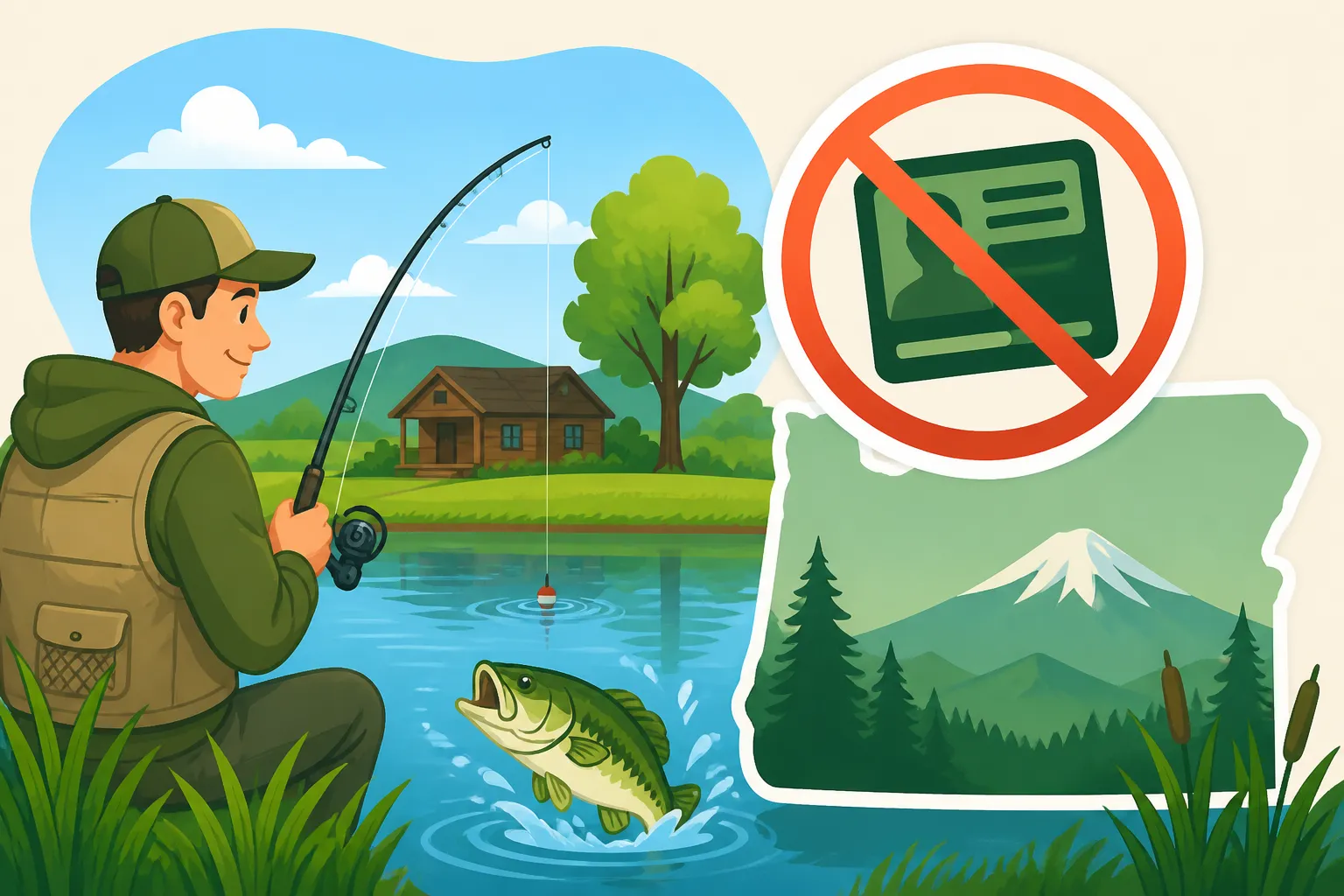
For a pond to be genuinely exempt from Oregon fishing license requirements, it must meet very specific, strict criteria. First and foremost, it absolutely cannot have any natural inlet or outlet that connects to any other natural waterway. This means it can’t be fed by a stream, nor can it drain into a creek, even seasonally. It must be completely isolated, often fed only by groundwater, rain, or a well.
Secondly, and just as critically, the fish in the pond must have been legally acquired from a private source and never have been provided by the ODFW. This typically means the landowner purchased fingerlings or adult fish from a licensed private hatchery or fish farm. If the ODFW has ever stocked the pond, or if there's any chance that wild, migratory fish could have entered the pond at any point, then it automatically defaults back to requiring a license. If you're unsure about the history of the fish, it’s always best to assume a license is needed or to verify with the property owner and then with ODFW.
Guest Privileges vs. Landowner Responsibilities
Even if a pond qualifies as truly private, the landowner still holds a significant responsibility. If a landowner allows others to fish their private, exempt pond, those guests are generally covered by the landowner's exemption as long as they are fishing with the landowner's permission and the pond truly meets all the private water criteria. However, this doesn't extend to fishing in any other public waters on or near the property. For example, if your friend has a private pond, but also a river runs through their land, you'd need a license to fish the river, but potentially not the pond.
It's also important for landowners to be fully aware of Oregon Fishing Regulations Explained even for their private waters, especially concerning species that might accidentally enter, or if they plan to introduce new species. Unlawfully introducing fish into Oregon waters can carry significant penalties. If you're planning a trip to such a unique spot, clarifying these details beforehand is crucial. For instance, if you're bringing kids along, you'd want to ensure they're covered by any exemption, though it's often a good idea to know the Oregon Fishing Rules for Kids and Seniors regardless.
Practical Steps to Avoid Penalties and Enjoy Your Fishing
Navigating the rules around private ponds can feel like walking a tightrope, but it doesn't have to be intimidating. By taking a few proactive steps, you can ensure your fishing trip is both enjoyable and legal, avoiding any unpleasant surprises from a game warden.
When in Doubt, Buy the License
This is perhaps the most crucial piece of advice for any angler in Oregon: if you're unsure whether a fishing license is required, just buy one. An Oregon 1-Day Fishing License or an annual license is a small investment for peace of mind, especially when compared to the potential fines and legal troubles associated with Fishing Without a License Penalties in Oregon. The cost is minimal, and it guarantees you're covered for most situations, even if your "private" pond unexpectedly turns out to be public.
Purchasing a license is incredibly easy these days. You can often get one online through the ODFW licensing system, or visit a local sporting goods store like Bi-Mart or a variety of bait and tackle shops. You can even find information on Where to Buy an Oregon Fishing License through a quick search, and many places allow you to print it right at home or carry it on your phone. It's truly a no-brainer for eliminating uncertainty.
Consulting ODFW Directly for Specific Pond Questions
If you own a pond or are frequently fishing one that you suspect might be truly private, the best course of action is to contact the Oregon Department of Fish and Wildlife directly. They are the ultimate authority on these regulations. You can reach out to your local ODFW district office, describe the pond's location, its connectivity (or lack thereof), and its stocking history.
Having detailed information about the pond, including aerial maps if possible, can greatly assist them in making a determination. Don't be afraid to ask; wildlife officials are there to help educate and ensure compliance, not just to enforce rules. Getting a definitive answer directly from ODFW can save you a lot of worry and ensure you're on the right side of the law. They can also clarify any specific requirements related to Oregon Fishing License Types Explained for different species.
Key Considerations for Landowners
For landowners with ponds, it's a good idea to be as clear as possible about the status of your water. If your pond is truly private and exempt from licensing, you might consider posting signs to that effect. This not only informs your guests but also helps explain the situation to any curious passersby or, in rare cases, a game warden who might be investigating.
Conversely, if your pond is connected to public waters or was stocked by ODFW, consider posting signs indicating that a license is required. Clear communication helps everyone, and it demonstrates your responsibility as a landowner. Also, remember that even for private ponds, ethical angling practices are paramount. Don't overharvest, and consider catch-and-release practices to maintain a healthy fish population.
Here's a quick reference table to help clarify common scenarios:
| Pond Characteristic | Connectivity to Public Water | ODFW Stocked? | License Required? | Explanation |
|---|---|---|---|---|
| Pond with stream inflow/outflow | Yes | No/Yes | Yes | Even if on private land, fish can move freely to/from public waterways. Falls under ODFW jurisdiction for resource management. |
| Isolated pond, but stocked by ODFW | No | Yes | Yes | ODFW-stocked fish are public resources. Landowner typically agrees to allow public access or adheres to specific rules. |
| Spring-fed pond, no connections, landowner purchased fish | No | No | No (usually) | This is the rare "truly private" exception. Fish are privately owned, water is isolated. Guests still need landowner's explicit permission. Always verify with ODFW. |
| Pond on private land, unknown history | Unknown | Unknown | Yes (safest bet) | When in doubt, it's always safest to assume a license is needed. The cost of a license is far less than a potential fine. |
| Man-made reservoir, no natural connections, public access | No | Yes/No | Yes | If public access is permitted (e.g., city park pond), a license is required, even if fish were privately stocked, unless explicitly stated otherwise by ODFW (e.g., Free Fishing Days). |
Equipping for Private Pond Fishing and Ethical Angling
Once you've navigated the licensing labyrinth and confirmed whether you need an Oregon Fishing License or not, it's time to focus on the fun part: the fishing itself! Even on private waters, having the right gear and practicing responsible angling are essential for a successful and sustainable experience.
Essential Gear for Your Pond Adventure
Just because it's a private pond doesn't mean you can skip out on basic fishing essentials. You'll still need a good quality rod and reel setup. For most pond fishing, a light to medium spinning rod with a matching reel spooled with 4-8 pound test line is ideal. This setup is versatile enough for trout, bass, panfish, and other common pond inhabitants. You can find excellent, affordable options on sites like Amazon, making it easy to stock up on reliable gear without breaking the bank.
Beyond the rod and reel, consider your tackle. A selection of hooks, sinkers, bobbers, and swivels will get you started. For bait, worms, corn, powerbait, or even small artificial lures can be highly effective depending on what species you're targeting. Don't forget a pair of pliers for hook removal, a small cooler to keep your catch fresh (if you plan to keep any), and a measuring tape to ensure you're within any applicable size limits (even if the pond is private, state laws may apply to certain species, or the landowner might have their own rules). A small tackle box, readily available from retailers like Amazon, can keep all your bits and pieces organized. If you're looking for ideas on what to use, checking out an Oregon Bait and Lure Guide can give you a great head start.
Practicing Responsible Angling and Pond Stewardship
Even on private property, responsible angling is crucial. Treat the pond and its inhabitants with respect. This means using appropriate gear to minimize harm to fish, especially if you're practicing catch and release. Learn proper fish handling techniques – wet hands, support the fish, and release it quickly. If you plan to keep fish, only take what you will eat, and adhere to any limits the landowner has set, even if they're more conservative than state limits (which you'd follow if a license is required under Oregon Fishing Season Dates and Limits).
Beyond the fish, remember you're on someone else's property. Pack out everything you pack in, including fishing line, bait containers, and any other trash. Leave no trace of your presence except perhaps a few ripples on the water. Be mindful of the surrounding environment, including any wildlife or vegetation. Your courteous behavior helps ensure you'll be invited back to enjoy this special spot again. For general tips on starting out, you might want to review Oregon Fishing Techniques for Beginners for helpful pointers.
Beyond the License: Other Local Rules and Advisories
While the license is a primary concern, don't forget that other regulations or advisories might still apply, even to a truly private pond. For example, local health advisories about consuming fish from certain water bodies might be in effect due to environmental factors, regardless of ownership. These are often posted by county health departments or ODFW and are crucial for your safety.
Additionally, the property owner might have their own set of rules – for instance, specific fishing hours, types of bait allowed, or areas that are off-limits. Always communicate with the landowner beforehand to understand any property-specific guidelines. A quick chat can clarify any doubts and ensure a smooth, enjoyable fishing experience for everyone involved. Sometimes, a simple waterproof fishing journal, perhaps picked up from Amazon, can help you keep track of these unique rules and what worked best on previous visits.
So, while the idea of fishing a private pond without a license sounds wonderfully simple, Oregon's regulations make it a bit more intricate. The key is understanding water connectivity and stocking history. When in doubt, err on the side of caution and secure an Oregon fishing license. It's the easiest way to ensure your time on the water is stress-free and entirely legal.
Disclaimer
Please note that fishing regulations can change. While every effort has been made to provide accurate and up-to-date information, it is your responsibility to consult the current Oregon Department of Fish and Wildlife (ODFW) regulations before engaging in any fishing activities. This article is for informational purposes only and does not constitute legal advice.