Best time of day to fish for walleye
Oh, the elusive walleye! If you’ve spent any time chasing these finicky fish, you know the frustration of casting diligently for hours only to come up empty-handed. It often feels like you need a secret decoder ring to figure out when they’re actually willing to bite. Well, you're not alone! This comprehensive guide is dedicated to helping you unlock the mysteries of walleye timing, especially focusing on the best time of day to fish for walleye right here in Oregon, so you can make every minute on the water count.
Understanding Walleye Behavior Throughout the Day
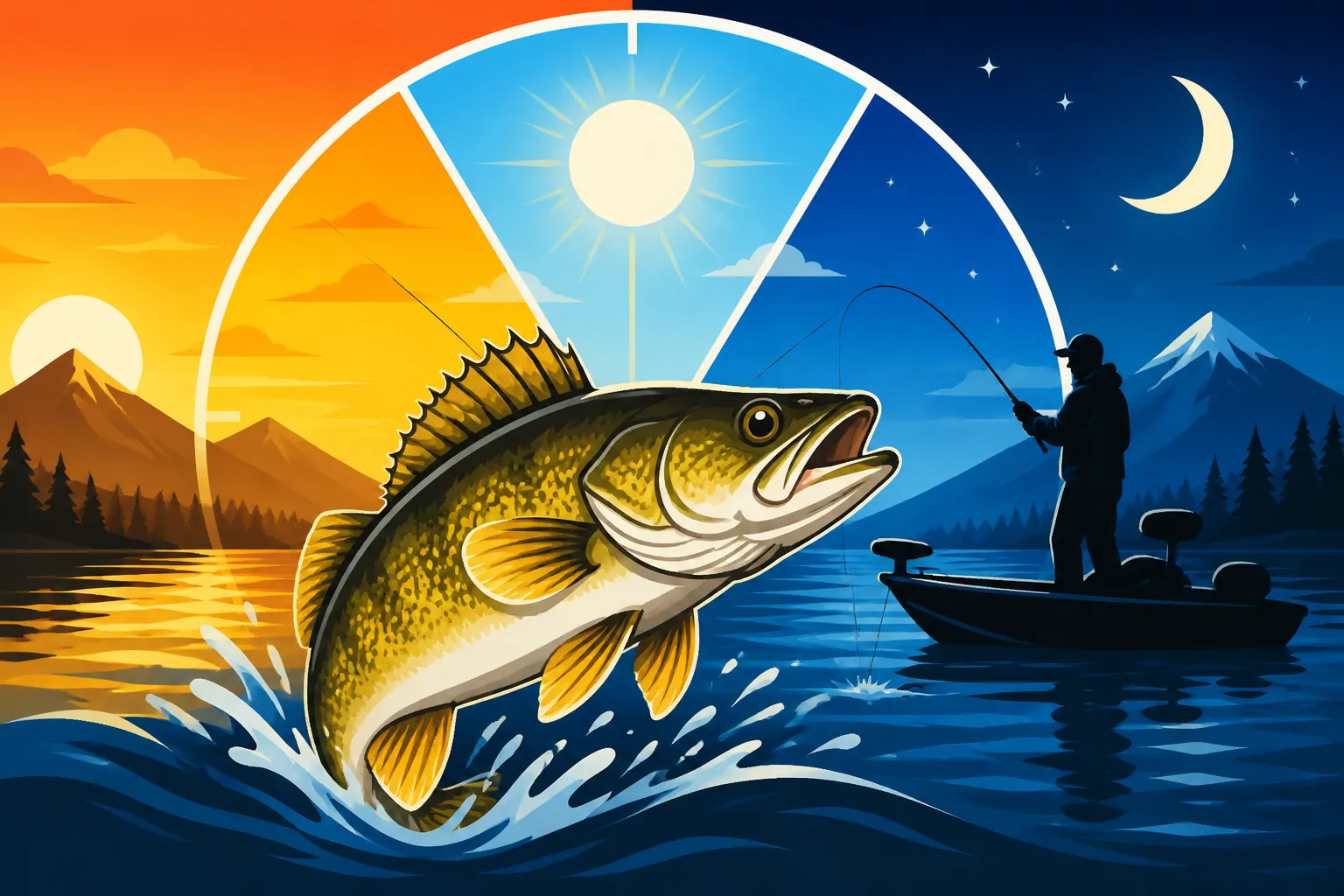
Walleye, those beautiful, golden-eyed predators, are crepuscular, meaning they are most active during periods of low light. This unique characteristic is largely due to their highly developed eyes, which are particularly adept at gathering light in dim conditions, giving them a distinct advantage over their prey (and other fish species) during dawn, dusk, and even nighttime.
The Golden Hours: Dawn and Dusk Dominance
When it comes to walleye fishing, if you hear any experienced angler talk about "the golden hours," they're almost certainly referring to dawn and dusk. This isn't just a romantic notion; it's rooted in pure biology and predator-prey dynamics. As the sun begins to dip below the horizon or just before it peeks over it, light penetration into the water dramatically decreases. This is when walleye truly come alive.
During these low-light periods, walleye will often move from deeper, darker holding areas into shallower feeding grounds. They're opportunistic predators, and the reduced light gives them the upper hand, allowing them to ambush baitfish that might be less agile or visible in the dim conditions. Think of it as their prime hunting window. On a river like the John Day River, which is well-known for its walleye population, you’ll often find them cruising along rocky points, current breaks, or weed lines during these times. They’re actively seeking out an easy meal, making them much more susceptible to your offerings. Many anglers find that starting their day well before sunrise or staying out until after sunset dramatically increases their hook-up rates. It's a commitment, for sure, especially in the colder months, but the rewards are often worth the effort.
Daytime Strategies for Elusive Walleye
Just because walleye prefer low light doesn't mean they're impossible to catch during the bright hours of the day. It simply means you'll need to adjust your tactics and expectations. During midday, especially under a clear, sunny sky, walleye tend to retreat to deeper, darker water. They'll seek out thermal refuges, shady spots, and areas with dense cover to escape the intense light and often warmer surface temperatures.
Your strategy for daytime walleye fishing needs to be about seeking them out in these hiding spots. This means focusing on deeper structure – ledges, drop-offs, submerged timber, and deep holes. You might find them suspended over humps in deeper reservoirs or tucked tight against a shady bank or under fallen trees in a river system. Presenting your lures or bait slowly and methodically is key, as their activity levels will generally be lower. Jigs tipped with live bait like a minnow or a nightcrawler, or even soft plastic baits, worked slowly along the bottom, can be incredibly effective. Consider using a good fish finder to locate schools of baitfish or deeper structure where walleye might be congregating. You might not get the same aggressive strikes you'd find at dawn or dusk, but a slow, subtle presentation in the right spot can still yield excellent results. For those looking to stock up on reliable jigs and soft plastics, checking out options on Amazon can offer a wide selection.
Night Fishing for Walleye: A Different Ballgame
For the truly dedicated walleye angler, the night can be even more productive than the twilight hours. Once the sun has completely set and darkness descends, walleye's superior vision in low light gives them their ultimate advantage. This is when they can become incredibly bold, moving into very shallow waters to hunt.
Night fishing for walleye can be an exhilarating experience, but it requires different considerations. Safety is paramount – always fish with a buddy, have proper lighting (a headlamp with a red-light option is fantastic as it preserves your night vision), and be familiar with your fishing spot in daylight. Many of the same tactics used during dawn and dusk apply, but often with even more success. Trolling crankbaits or casting shallow-diving stickbaits along flats, weed edges, and rocky shorelines can be deadly effective. Their dark lateral lines allow them to detect vibrations in the water, so lures that generate a good thump or wiggle can be particularly attractive. Remember to check local regulations for specific night fishing rules, as some areas may have restrictions. The quiet solitude of night fishing, combined with the often-fierce strikes of a walleye, makes it an unforgettable experience for many.
Seasonal Variations and Their Impact on Walleye Activity
Just as the time of day affects walleye behavior, so too do the seasons. Water temperature, spawning cycles, and the availability of forage all play crucial roles in determining when and where walleye will be most active. Understanding these seasonal shifts is vital for year-round success when fishing for Oregon's walleye.
Spring and Early Summer: Pre-Spawn and Post-Spawn Feeding Frenzy
Spring is a high-anticipation time for many walleye anglers. As ice thaws (in applicable regions) and water temperatures begin to climb, walleye enter their pre-spawn phase, typically when water temperatures hit the mid-40s to low 50s Fahrenheit. During this time, their primary focus is on feeding heavily to build up energy reserves for spawning. They often congregate in shallower staging areas near their spawning grounds, which can be rocky shorelines, reefs, or current breaks in rivers. This is often an excellent time for aggressive strikes, particularly during the middle of the day as the sun warms the shallower waters.
Post-spawn, usually when water temperatures are in the mid-50s to low 60s, walleye are often recuperating but will soon resume aggressive feeding. They spread out from spawning areas, still often frequenting shallower areas to feed on newly hatched baitfish or other abundant food sources. This period can offer fantastic fishing, especially during the early mornings and evenings. As you dial into the patterns, consider techniques like jigging or slow-trolling with minnows. If you're planning a trip, be sure to consult the Oregon Fishing Seasons Explained to align your visit with these productive times.
Mid-Summer Heat: Deep and Shady Retreats
When the dog days of summer hit and water temperatures soar into the 70s and beyond, walleye often become more challenging to locate and catch. The warmer water can reduce oxygen levels and make them sluggish. During this period, walleye will generally retreat to deeper, cooler, and more oxygenated waters. They’ll seek out thermal stratification lines (thermoclines), deep points, offshore humps, and dense weed beds that offer shade and cooler conditions.
During mid-summer, the best time of day often shifts back to the traditional low-light periods of dawn, dusk, and even night fishing. However, even during the bright parts of the day, you can find success by going deep. This is prime time for Trolling Techniques for Oregon Reservoirs, using deep-diving crankbaits or bottom bouncers with worms or spinner rigs. The key is to cover a lot of water at specific depths until you locate active fish. Don't be afraid to experiment with different depths and speeds until you find what triggers a bite.
Fall Cooling: Aggressive Feeding Before Winter
As autumn arrives and water temperatures begin to drop, walleye activity picks up significantly. This is another prime time for anglers. Walleye enter a major feeding period, gorging themselves to build fat reserves for the lean winter months. They become incredibly aggressive and often move into shallower areas, following baitfish that are also moving to warmer, shallower waters.
Fall fishing can be exceptionally good, often providing consistent action throughout the day, though dawn and dusk remain peak periods. Look for them on rocky points, breaks, and around submerged structures. Crankbaits, jigs, and blade baits are all highly effective. The walleye in the John Day River Fishing Guide can be particularly active during this season, providing excellent opportunities for both boat and bank anglers. This is a time when walleye can be found almost anywhere that offers a good ambush point or a congregation of bait.
Winter Chill: Slow and Steady Tactics
For those brave enough to face the cold, winter walleye fishing can be incredibly rewarding, especially through the ice in frozen lakes or in open water on rivers like the Columbia or John Day. Walleye metabolism slows down considerably in cold water, meaning they don't need to eat as often. However, when they do feed, they can be quite concentrated.
During winter, the best time of day might actually be midday, especially on sunny days. While their low-light vision is still an advantage, the sun can slightly warm shallower dark bottom areas, or simply increase overall comfort levels for both fish and angler. The key is to fish slowly and patiently. Light line, small jigs, and subtle presentations are often the most successful. Vertical jigging small spoons or jigging Rapalas through the ice can entice lethargic walleye. Focus on deep humps, channels, and areas where baitfish might be seeking refuge from the cold. Remember to layer up!
Factors Beyond Time of Day Affecting Walleye Bites
While the time of day and season are huge determinants, they aren't the only pieces of the walleye puzzle. Several other environmental factors significantly influence when and how these fish will bite. Ignoring these can lead to a lot of frustration, even if you’re fishing during the "perfect" time.
Water Temperature and Oxygen Levels
Water temperature is arguably the most critical factor influencing walleye metabolism and activity. As mentioned, they have preferred temperature ranges for spawning, feeding, and resting. Understanding the optimal What water temperature is best for salmon fishing can also be applied to walleye – a gradual warming or cooling trend within their preferred range often triggers feeding. Rapid changes, like a sudden cold snap or heatwave, can shut them down.
Equally important are oxygen levels. Cold, flowing water typically holds more oxygen than warm, stagnant water. During hot summer months, walleye will seek out cooler, deeper water layers where oxygen is more abundant, often near springs, current breaks, or the thermocline. Conversely, in winter, open water areas with some current might offer better oxygenation than stagnant, ice-covered spots. A healthy walleye bite usually correlates with good oxygen levels and comfortable water temperatures.
Weather Patterns and Barometric Pressure
The weather, beyond just temperature, plays a huge role. Overcast days, for instance, often extend the "golden hours" of dawn and dusk, allowing walleye to remain active in shallower water for longer periods, even into midday. Conversely, bright, sunny days tend to push them deeper.
Barometric pressure is another factor many seasoned walleye anglers swear by. A stable or slowly falling barometer (indicating an approaching storm or front) often signals increased fish activity, as fish sense the change and feed aggressively. A rapidly falling or very low barometer, however, can often make fish finicky or completely shut them down. After a strong front passes and the barometer is high and stable, the fishing can be tough as fish are often recovering from the weather change. This nuanced understanding of How weather fronts affect Oregon fishing can make a huge difference in your success. Investing in a compact weather station or even just using a reliable weather app can help you predict these shifts.
Structure, Cover, and Forage Presence
Even at the best time of day, if you’re not fishing where the walleye are, you won’t catch them. Walleye are ambush predators, so they relate heavily to structure and cover. This includes rocky reefs, ledges, humps, drop-offs, submerged timber, weed beds, and current breaks. These features provide hiding spots from which they can dart out to intercept prey, and also offer refuge from bright light or strong currents.
The presence of forage (baitfish, crayfish, insects) is also critical. Walleye will always be found in close proximity to their food source. If you locate schools of baitfish, you're likely to find walleye nearby. Using a fish finder to mark both bait and structure can give you a significant advantage. Understanding where the baitfish are at a given time of day or season will often tell you exactly where the walleye will be positioned. For example, during low light, baitfish might move shallower, and walleye will follow. Identifying good Oregon Fishing Spots by Region will often lead you to areas with excellent structure and forage.
Gear and Tactics for Optimal Walleye Fishing
Having the right gear and employing suitable tactics can further enhance your chances of success, especially when aiming to maximize your efforts during those prime walleye feeding windows. You've got the timing down; now let's talk about the tools.
Lures and Baits for Different Times
The best lure or bait can vary depending on the time of day, season, and even specific water conditions. However, some standbys are universally effective for walleye in Oregon.
- Jigs: A staple for walleye. Tipped with live minnows, nightcrawlers, or soft plastic trailers, jigs are incredibly versatile. Lighter jigs (1/8 to 1/4 ounce) are great for shallower water or slow presentations, while heavier jigs (3/8 to 1/2 ounce or more) are essential for deeper water or strong currents. For a comprehensive look at what works, check out an Oregon Bait and Lure Guide.
- Crankbaits: These are fantastic for covering water, especially when trolling or casting along flats and breaks. Deep-diving models are excellent for midday in summer, while shallow-diving or floating models shine during low-light periods and night fishing. Colors often depend on water clarity; natural patterns for clear water, brighter colors for stained water. You can find a huge variety of effective crankbaits on Amazon.
- Live Bait Rigs: Nothing beats a live minnow, nightcrawler, or leeches for enticing reluctant walleye. Using a simple slip-sinker rig or a spinner rig (like a Lindy Rig) can be incredibly effective, especially when fished slowly along the bottom.
- Blade Baits: These vibrating metal lures can be deadly, particularly in colder water or when fish are lethargic. Their intense vibration calls fish in, and their flash can trigger strikes.
Rods, Reels, and Line Considerations
For walleye, a medium-light to medium-power spinning rod, typically 6'6" to 7'6" in length, is a great all-around choice. This rod provides enough sensitivity to detect subtle bites but also enough backbone to handle a good-sized walleye. Paired with a quality spinning reel in the 2000-3000 size range, you'll have a balanced setup that's comfortable to cast all day. For heavier applications like deep jigging or trolling, a baitcasting setup might be preferred.
As for line, 6-10 lb test monofilament or fluorocarbon is common for jigs and live bait. Braided line (10-20 lb test) is a popular choice for its incredible sensitivity and strength, especially when paired with a fluorocarbon leader for stealth. The low stretch of braid allows you to feel even the faintest tap, which is crucial for walleye. Make sure to regularly inspect your line for nicks and abrasions, as sharp rocks or a walleye's raspy teeth can quickly wear it down. A reliable fishing line from brands like Berkley or P-Line can often be found readily on Amazon, ensuring you’re geared up for those prime walleye moments.
Navigational Tools and Other Essentials
Beyond the basic fishing tackle, having a few extra tools can make your walleye expeditions much more successful. A good quality fish finder or sonar unit is invaluable for locating structure, marking fish, and identifying bait schools, especially during the challenging midday hours or in unfamiliar waters. GPS capabilities can help you mark productive spots and navigate safely, particularly during night fishing or in foggy conditions.
For night fishing, a reliable headlamp is a must. One with both white and red light options is ideal, as red light preserves your night vision better. Pliers, a measuring tape, and a net with rubberized mesh (kinder to the fish if you plan to release them, and less likely to tangle hooks) are also essential. And, of course, always have your Oregon Fishing License Guide and up-to-date regulations with you!
| Season | Best Time of Day | Typical Water Temp | Key Tactics | Prime Locations |
|---|---|---|---|---|
| Spring | All day, especially midday | 45-55°F | Jigging, slow trolling, live bait | Shallow staging areas, rocky points, river bends |
| Early Summer | Dawn, Dusk, Night | 55-65°F | Casting crankbaits, jigging, spinner rigs | Weed lines, shallower flats, current breaks |
| Mid-Summer | Dawn, Dusk, Night (Go Deep Midday) | 65-75°F+ | Deep trolling, bottom bouncing, vertical jigging | Deep humps, drop-offs, thermocline, shady cover |
| Fall | All day, especially Dawn/Dusk | 50-60°F | Casting crankbaits, jigs, blade baits, live bait | Rocky points, ledges, main lake/river basins |
| Winter | Midday, consistent pressure | Below 40°F | Slow jigging, dead sticking live bait | Deep holes, channels, current seams (open water) |
Disclaimer
Please remember that fishing conditions and regulations can change rapidly. Always consult the latest Oregon Department of Fish and Wildlife (ODFW) regulations before heading out. This guide provides general information and best practices; however, local conditions may vary. Fish responsibly and safely!