How to Fish for Kokanee in Oregon
There’s a special kind of frustration that comes with targeting kokanee in Oregon. You've heard the stories, seen the pictures of those vibrant, firm-fleshed landlocked sockeye salmon, and you know they're out there. But when you hit the water, whether you're trolling tirelessly or trying to jig them up, it can feel like they're playing hide-and-seek. It’s not just about finding the fish; it’s about presenting something they actually want to bite, often in deep water, and understanding their incredibly finicky nature. This guide is going to peel back the layers of mystery surrounding kokanee fishing in Oregon, offering clear, actionable strategies to help you finally bring those silvery beauties to the net.
Understanding Kokanee: The Landlocked Sockeye
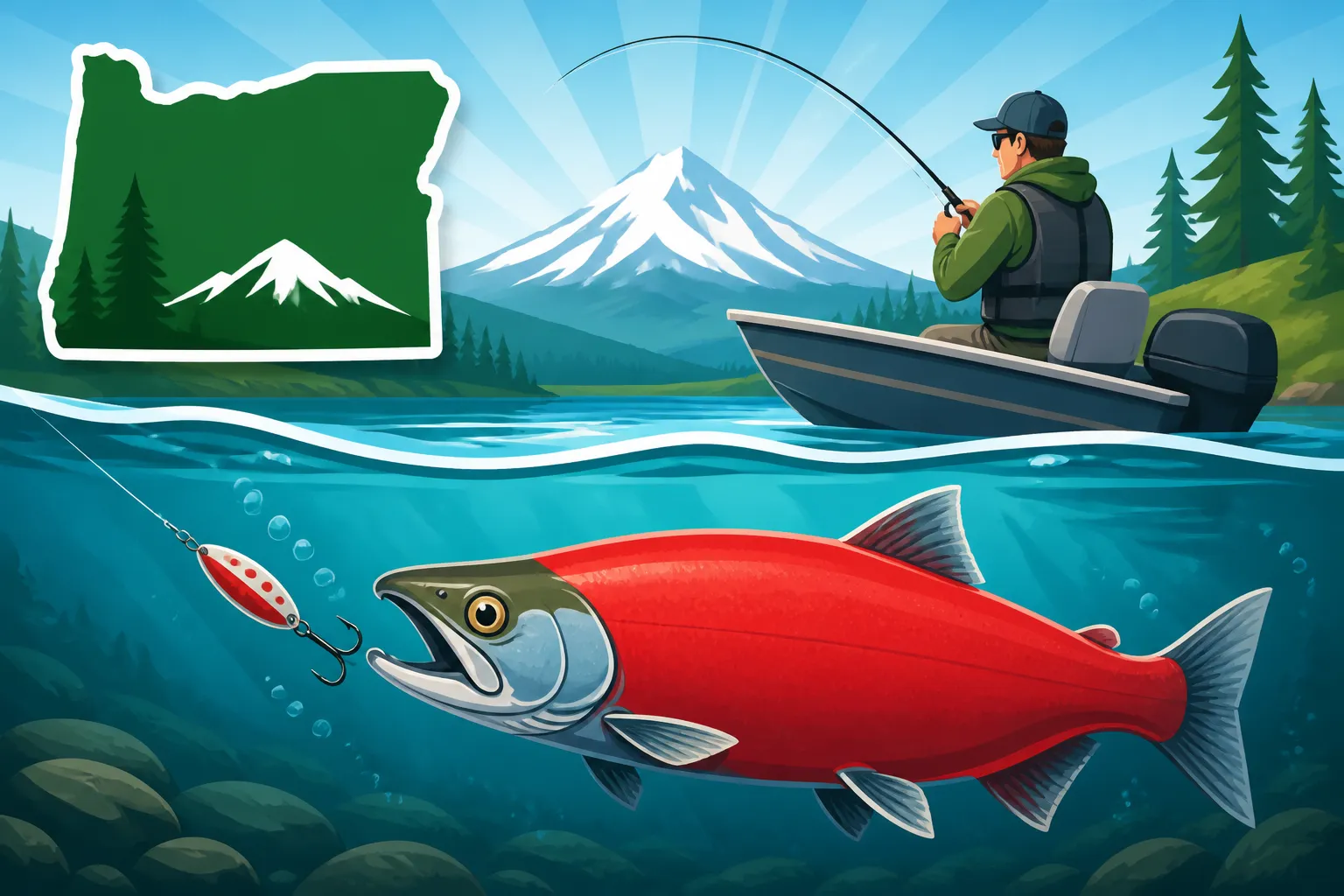
Before we even cast a line, it's crucial to truly understand the creature we're after. Kokanee are essentially sockeye salmon that live their entire lives in freshwater. Unlike their anadromous cousins who journey to the ocean, kokanee adapt to the colder, deeper sections of specific lakes and reservoirs, developing unique feeding habits and behaviors. This distinction is vital because it means you can't approach them like you would a typical trout or even other salmon species. They're a different breed altogether, with a preference for zooplankton and a notorious pickiness when it comes to what they'll strike.
The Elusive Nature of Kokanee
Many anglers feel like kokanee are incredibly elusive, and honestly, they often are! Part of their mystique comes from their primary diet of zooplankton. They're not chasing big minnows or aggressively striking at every flashy lure. Instead, they're filter feeders, accustomed to straining microscopic organisms from the water column. This means our job as anglers is to trick them into thinking our lure is either a juicy anomaly worth investigating or simply something innocuous that happens to be in their feeding lane. It’s a subtle game, often requiring light tackle, precise depth control, and a whole lot of patience.
Another factor contributing to their "elusiveness" is their schooling behavior. Kokanee typically move in large schools, often suspended in the water column at specific depths. If you're fishing above or below them, even by a few feet, you might as well be in a different lake. This makes electronics incredibly important, but even then, finding the right school – the one willing to bite – is often the biggest challenge. They can be stacked up like cordwood on your fishfinder, yet completely ignore everything you throw at them. It's a humbling experience for many anglers, but understanding this behavior is the first step toward cracking the code.
Key Habitats and Preferred Environments
Kokanee thrive in clear, cold, deep lakes and reservoirs with good water quality and a healthy population of zooplankton. They need deep water to retreat to during warmer months when surface temperatures rise, seeking thermal refuge where oxygen levels remain high. This is why you’ll often find them in the deep, clear waters of reservoirs like Lake Billy Chinook or natural lakes such as Wallowa Lake. These environments provide the necessary conditions for their survival and growth.
Throughout the year, their location will shift. In spring and fall, when surface waters are cooler, kokanee might be found shallower, sometimes even within 15-30 feet of the surface. However, as summer progresses and the thermocline develops (the distinct layer separating warm surface water from cold deep water), they'll typically descend, often suspending at depths between 40 and 80 feet, sometimes even deeper. Understanding these seasonal movements and being able to identify the thermocline on your sonar is paramount. They’ll also congregate around underwater structure like old river channels, humps, or submerged timber, but always with an eye on the open water where their food source resides.
Essential Gear for Kokanee Fishing
You might be thinking, "Fishing is fishing, right?" Not entirely when it comes to kokanee. Their delicate mouths, subtle bites, and deep-water habitat demand a specific approach to gear. Trying to catch them with a heavy bass rod or an insensitive trout setup will lead to frustration and missed opportunities. Investing in the right tools makes a monumental difference in your success rate.
Rod and Reel Setup for Sensitivity
When targeting kokanee, sensitivity is king. You need to feel those incredibly light takes, which can sometimes feel like nothing more than a slight tap or even just added weight. For this reason, a lightweight, fast-action rod in the 6-foot to 8-foot range is ideal. Many anglers prefer fiberglass or composite rods because they offer a softer tip action, which helps absorb the head shakes of a kokanee without tearing the hook out of their delicate mouths. A good kokanee rod will bend almost parabolically, acting as a shock absorber. Brands like Lamiglas and Okuma offer excellent purpose-built kokanee rods that you can often find on Amazon.
Pair your sensitive rod with a small, lightweight spinning reel or a low-profile baitcasting reel. A reel in the 1000-2500 size range for spinning, or a casting reel with a smooth drag system, is perfect. Spool it with 6-10 lb test monofilament or fluorocarbon line. While braided line offers superior sensitivity, its lack of stretch can sometimes be detrimental with kokanee's soft mouths. Many anglers opt for a monofilament mainline with a fluorocarbon leader for a good balance of stretch and invisibility. Don't forget, light line is crucial, especially in clear waters where kokanee are notoriously line-shy. For deeper insights into other species, you might also be interested in our guide on Oregon Trout Fishing Techniques.
Terminal Tackle: Dodgers, Flashers, and Lures
This is where kokanee fishing gets really specific and often, a little colorful! Kokanee fishing almost always involves some form of attractor followed by a small lure.
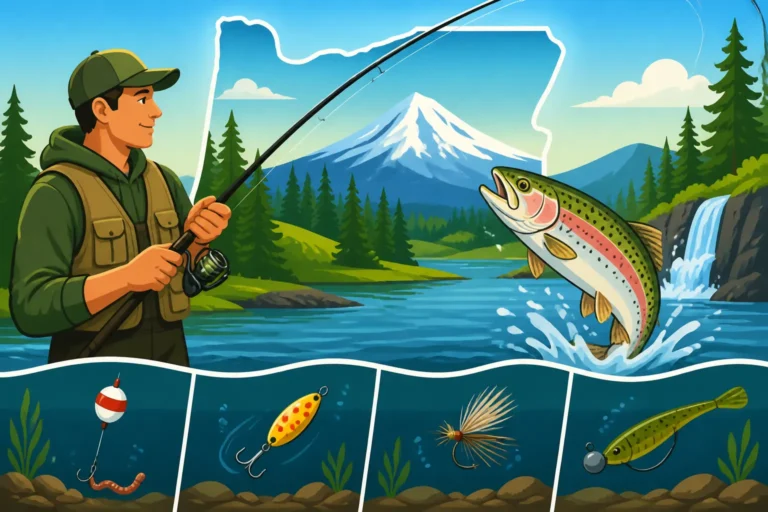
- Dodgers and Flashers: These are designed to create flash, vibration, and erratic movement in the water, mimicking schools of baitfish or simply attracting curious kokanee from a distance. Dodgers have a wide, sweeping action, while flashers rotate. Popular dodger colors include silver, gold, pink, orange, and chartreuse, often with reflective tape patterns. Brands like Sling Blade and Shasta Tackle's Kokanee Killers are well-regarded. The size of your dodger or flasher should match the size of your lure – generally smaller is better for kokanee, typically 4 to 6 inches.
- Lures: The actual "lure" for kokanee is usually a very small, brightly colored hootchie (squid skirt), a wedding ring spinner, or a small spoon. Common colors are pink, orange, green, and chartreuse, often with UV or glow features. These lures are typically trolled 8 to 24 inches behind the dodger or flasher. The idea is that the dodger/flasher grabs their attention, and the small lure behind it looks like an easy meal. Many anglers carry a variety of lure colors and styles because kokanee can be incredibly particular about what they'll hit on any given day. You'll often find excellent assortments of these on Amazon, making it easy to experiment.
- Leader Material: Always use fluorocarbon leader between your dodger/flasher and your lure. Fluorocarbon is nearly invisible underwater, which is a huge advantage when dealing with spooky kokanee. A 10-15 lb test leader is common, usually 8-24 inches long.
Scent and Bait: The Kokanee Attractors
If there's one "secret weapon" in kokanee fishing, it's scent. Kokanee have an incredible sense of smell, and incorporating scent into your presentation is almost mandatory for consistent success. Common scents include Anise, Garlic, Bloody Tuna, and Krill.
- Corn: The most popular bait for kokanee is white Shoepeg corn, dyed and soaked in your chosen scent. Many anglers prepare their corn days in advance, letting it marinate to fully absorb the scent. You thread 2-3 kernels onto the hooks of your small lure. The corn adds a visual attractor (especially dyed bright colors) and a potent scent trail. It's truly amazing how effective this simple addition can be.
- Scent Dispensers/Pads: Some dodgers and lures have small scent pads or chambers where you can add liquid or gel scent for a continuous release. This is a great way to keep a fresh scent trail going without constantly re-baiting.
- PowerBait: While not as universally used as scented corn, some anglers have success tipping their hooks with small pieces of Gulp! Maggots or PowerBait, especially when jigging. The key is to keep it small and subtle. For more detailed information on a broader range of bait and lures, check out our Oregon Bait and Lure Guide.
Mastering Kokanee Fishing Techniques
Successfully catching kokanee isn't just about having the right gear; it's about knowing how to use it. Their schooling behavior and preference for deep, open water make specific techniques far more effective than others.
Trolling for Success: Speed, Depth, and Pattern
Trolling is hands down the most popular and effective method for kokanee fishing. It allows you to cover large areas of water, presenting your lures to numerous schools of fish until you find the active ones.
- Trolling Speed: This is a critical factor. Kokanee usually prefer slow speeds, typically between 0.8 and 1.8 miles per hour. However, their preference can change daily, sometimes even hourly. Start at the lower end and gradually increase your speed until you find what triggers bites. Use a GPS or fishfinder with a speed indicator to maintain precise control.
- Depth Control: This is perhaps the most important aspect. Kokanee are often suspended at a very specific depth, and being just a few feet off can mean the difference between a full cooler and an empty one. Downriggers are the gold standard for maintaining precise depth. They allow you to run your lures exactly where the fish are showing on your sonar. If you don't have downriggers, lead-core line or specialized trolling weights (like cannonball weights or diving planes) can help get your gear down. Remember to monitor your fishfinder constantly; the fish will tell you their preferred depth. Our guide on Oregon Trolling and Boat Fishing Techniques delves deeper into these methods.
- Patterns and Turns: Don't just troll in a straight line. Incorporate S-turns, figure-eights, and speed changes. The turns will cause your lures on the inside of the turn to slow down and sink, while those on the outside will speed up and rise. These changes in action can often trigger strikes from following fish. When you get a bite, mark the spot on your GPS and make another pass through the same area; you likely hit an active school.
Vertical Jigging: An Alternative Method
While trolling dominates the kokanee scene, vertical jigging can be a surprisingly effective alternative, especially when you find tightly packed schools that are difficult to reach with standard trolling gear or when fish are holding very deep. It's also a great technique for anglers without a boat or those fishing from a dock if the water is deep enough.
- Jig Selection: Small, heavy jigs in the 1/8 to 1/2 ounce range are perfect. Look for jigs designed for ice fishing or small spoons like Cripplures or Swedish Pimples. Again, pink, orange, green, and chartreuse are excellent color choices. Tipping the jig with scented corn or a small piece of Gulp! Maggot is crucial for added attraction.
- Technique: Drop your jig down to the depth where you're seeing fish on your sonar. Once at depth, impart a gentle lift-and-drop motion, often just a few inches. The idea is to make the jig flutter and flash, mimicking a dying insect or a small, struggling zooplankton concentration. Kokanee bites are often incredibly subtle, so watch your line carefully for any twitch, slack, or hesitation, and be ready to set the hook with a swift, upward sweep of the rod. It takes practice, but once you get the feel for it, jigging can be incredibly rewarding.
Reading Your Electronics: Finding the Schools
Your fishfinder is your best friend when kokanee fishing. These fish are almost always suspended, and without good electronics, you're essentially fishing blind.
- Identifying Fish: Kokanee schools will appear as dense clouds or individual arches on your sonar screen. Pay attention to the depth at which they're holding.
- Thermocline: Your fishfinder can often display the thermocline as a distinct band on the screen. This is a crucial depth to target, as kokanee often congregate just above or within this cooler water layer.
- Bait Balls: Sometimes you'll see massive schools of what appears to be bait. These are often concentrations of zooplankton, and kokanee will be feeding in and around these areas. If you find these, you’ve found their dinner table.
- Downrigger Control: Modern fishfinders often integrate with downriggers, showing the depth of your weights and lures directly on the screen, making it incredibly easy to put your offering right in front of the fish's nose. Take the time to learn your unit inside and out before hitting the water.
Top Kokanee Fishing Lakes in Oregon
Oregon is blessed with several fantastic kokanee fisheries, each with its own unique characteristics and challenges. Knowing where to go and what to expect can significantly increase your chances of success. It's always a good idea to check the latest Oregon Fishing Season Dates and Limits and specific regulations for each body of water before heading out.
Central Oregon Hotspots
Central Oregon is a prime destination for kokanee enthusiasts, boasting some of the state's most popular and productive fisheries.
- Lake Billy Chinook: This massive reservoir, formed by the confluence of the Deschutes, Crooked, and Metolius rivers, is arguably Oregon's premier kokanee fishery. It holds large populations of robust kokanee that can reach impressive sizes, often exceeding 16-18 inches. The fish here are known for their strong fights and excellent table fare. Fishing typically starts strong in spring in shallower depths (30-50 feet) and moves deeper as summer progresses (50-100+ feet). Standard trolling techniques with dodgers and hootchies in pink, orange, or green are highly effective. Don't forget to tip your hooks with scented corn! You might also find bull trout here, so be aware of those specific regulations. For a deeper dive, check out the Lake Billy Chinook Fishing Guide.
- Prineville Reservoir: While often overshadowed by Billy Chinook, Prineville Reservoir offers a fantastic kokanee fishery, especially for anglers looking for a slightly less crowded experience. The kokanee here are typically a bit smaller than Billy Chinook, but they are plentiful and eager biters. Depths here can range from 20-60 feet depending on the season. Trolling with small dodgers and wedding ring spinners or small spoons often yields good results. Scented corn is, of course, a must.
Eastern Oregon Gems
Moving further east, you'll find other excellent kokanee opportunities, often in stunning high desert or mountain settings.
- Wallowa Lake: Nestled in the picturesque Wallowa Mountains, this deep glacial lake offers not only breathtaking scenery but also a thriving kokanee fishery. The fish in Wallowa Lake are often vibrant and healthy. Early in the season, you might find them shallower, but they quickly move to deeper water (40-80 feet is common in summer). Anglers often use small dodgers paired with pink or orange hootchies or small spoons. Because of the lake's incredible clarity, light line and long fluorocarbon leaders are absolutely essential. If you're planning a trip, our dedicated Wallowa Lake Kokanee Fishing guide offers even more localized tips.
- Owyhee Reservoir: While known for its smallmouth bass, Owyhee Reservoir also harbors a good population of kokanee. These fish are often found in the deeper sections of the reservoir. Success here usually comes from trolling at depths similar to Prineville, with similar tackle choices. It’s a great option for anglers looking to combine kokanee fishing with other species.
High Cascade Lakes
Oregon's Cascade Mountains are home to numerous lakes, many of which are stocked with trout, but a select few also offer rewarding kokanee opportunities. These lakes often require a bit more effort to access but provide a unique, tranquil fishing experience.
- Odell Lake: A large, deep lake near Crescent Lake, Odell Lake is famous for its large Mackinaw (lake trout), but it also has a significant kokanee population. These kokanee are often targeted by anglers using downriggers, trolling at depths ranging from 30 to over 100 feet. The fish here can grow quite large, providing a fantastic fight. Standard kokanee tackle applies, with a focus on deep-water presentation.
- Crescent Lake: Also in the Cascade Lakes region, Crescent Lake offers a healthy kokanee fishery. Like Odell, this is a deep, cold lake where kokanee thrive. Anglers targeting kokanee here will employ similar deep trolling strategies. Both Odell and Crescent are popular spots for those looking for a diverse high-lake fishing experience, potentially catching kokanee alongside other trout species. Remember that for all these locations, current regulations can change, so consulting the Oregon Fishing Regulations Explained is always a good practice.
| Lake Name | Region | Typical Depth Range (Summer) | Recommended Lure Colors | Key Feature/Tip |
|---|---|---|---|---|
| Lake Billy Chinook | Central Oregon | 50-100+ feet | Pink, Orange, Green | Large, aggressive kokanee; strong currents. |
| Wallowa Lake | Eastern Oregon | 40-80 feet | Pink, Orange, Silver | Very clear water; light line essential. |
| Prineville Reservoir | Central Oregon | 20-60 feet | Pink, Chartreuse, Gold | Plentiful fish; good for consistent action. |
| Odell Lake | High Cascades | 30-100+ feet | Pink, Red, Green | Large kokanee possible; also Mackinaw. |
| Crescent Lake | High Cascades | 30-80 feet | Pink, Chartreuse, Orange | Consistent kokanee; stunning mountain backdrop. |
Timing Your Kokanee Trip: Seasons and Conditions
Just like any other fish, kokanee behavior is heavily influenced by the time of year, water temperature, and prevailing conditions. Understanding these factors will help you plan your trips for maximum success. This isn't just about general seasons; it's about pinpointing the sweet spots. For broader context on when various species are active, check out Best Time of Year to Fish in Oregon.
Seasonal Kokanee Behavior
Kokanee, like all salmon, have a life cycle that dictates their movements and feeding patterns throughout the year.
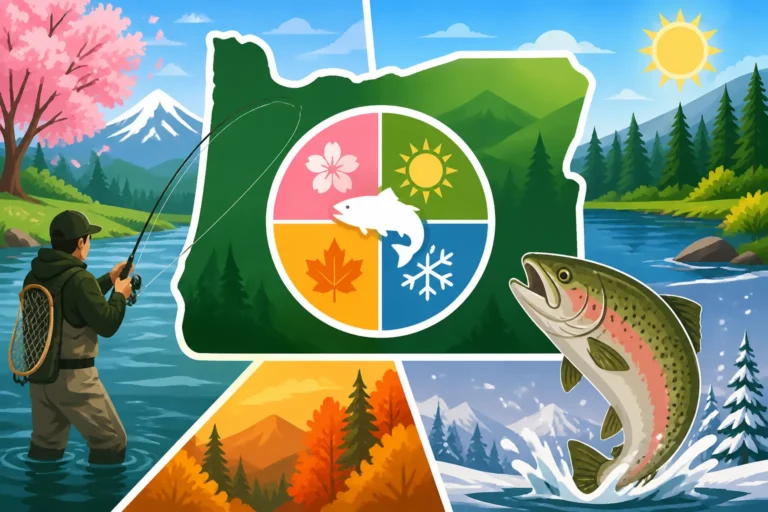
- Spring (April-May): As ice melts and water temperatures begin to rise, kokanee become more active and start feeding aggressively. They can often be found shallower during this time, sometimes as high as 15-30 feet, making them easier to access for anglers. This is a fantastic time for consistent action, as the fish are actively seeking food after the colder winter months. Look for areas where inflowing rivers or streams bring nutrients into the lake, as these can be kokanee magnets.
- Summer (June-August): This is the peak season for many kokanee fisheries, but it's also when they go deep. As surface water warms, kokanee will migrate to the thermocline, seeking cooler, oxygen-rich water. Depths of 40-80 feet (and sometimes over 100 feet) are common. This requires good depth control with downriggers or heavy weights. While they are deep, they are still actively feeding, so if you can get your lure in their strike zone, you're in for some great fishing.
- Fall (September-October): As water temperatures cool down, kokanee may start to move shallower again. This is also the time when they begin their spawning run. Mature kokanee will develop their distinctive red spawning colors and begin to stage near spawning grounds (inflowing rivers or shallow gravel areas). During this time, they often stop feeding aggressively as their focus shifts to reproduction. While they can still be caught, the action might slow down considerably, and their flesh quality diminishes as they prepare to spawn and die. It’s also crucial to respect the spawning fish and avoid targeting them heavily.
Understanding Water Temperature and Depth
Water temperature is the single biggest driver of kokanee location. They are a cold-water species, preferring temperatures typically in the range of 45-55°F (7-13°C). Any warmer than that, and they become stressed, seeking refuge in deeper, cooler water.
- Thermocline Importance: The thermocline acts like an invisible floor and ceiling for kokanee in summer. Above it, the water is too warm; below it, oxygen levels can drop significantly in some lakes, making the water uninhabitable. Therefore, kokanee will suspend in or just above the thermocline. Using a fishfinder that can clearly delineate the thermocline (often appearing as a dense, blurry band on your screen) is incredibly helpful.
- Depth Adjustment: Throughout the day and certainly throughout the season, the kokanee's preferred depth can change. Factors like light penetration (they'll go deeper on bright, sunny days) and even boat pressure can influence where they hold. Always start by checking your electronics and then making small depth adjustments until you start getting bites. Many seasoned kokanee anglers will run multiple rods at slightly different depths until they pinpoint the sweet spot.
Troubleshooting Common Kokanee Challenges
So, you've got the right gear, you're on a known kokanee lake, and you're trolling at the right speed, but still, nothing. It's a common scenario that can be incredibly frustrating. Don't throw in the towel just yet! There are several reasons why kokanee might be ignoring your offerings, and often, small adjustments can make all the difference.
Adjusting Your Presentation
Sometimes, the smallest change can turn a slow day into a productive one. Kokanee are notoriously finicky, and what worked yesterday might not work today.
- Color Changes: If your usual pink hootchie isn't getting any love, try switching to orange, green, chartreuse, or even purple. Reflective tape patterns on your dodger also matter. Have a wide array of colors and patterns at your disposal. Sometimes, a subtle shift from a bright, flashy dodger to a more subdued, matte finish can be the key. This applies to your lures too – don't be afraid to experiment with different shades.
- Scent Variations: Are you using garlic-soaked corn? Try anise. If that's not working, switch to a krill or bloody tuna scent. Kokanee's sense of smell is highly developed, and their preferences can change based on water conditions or even what their natural food source smells like on a given day. Always re-apply scent regularly to ensure a potent trail.
- Leader Length: A common mistake is running your lure too close or too far from your dodger/flasher. Start with 12-18 inches and then experiment. Sometimes, extending the leader to 24 inches gives the lure more natural action behind the dodger; other times, shortening it to 8 inches can be the trick.
- Lure Action: Check your lure's action frequently. Is it spinning properly? Is there any debris on the hook? Even a single kernel of corn incorrectly placed can kill the action.
- Speed Tweaks: If you're trolling at 1.2 mph and not getting bites, try bumping it up to 1.5 mph, or slowing down to 0.9 mph. Small, incremental speed changes can be surprisingly effective. The action of your dodger and lure changes significantly with even minor speed variations, and kokanee are sensitive to this.
Dealing with Finicky Biters
Some days, kokanee just seem to have lockjaw, even when they're stacked up on your fishfinder. These are the days that test your patience and your tackle box.
- Downsizing: If the fish are showing on sonar but not biting, try downsizing everything. Go to a smaller dodger, a tiny hootchie or spoon, and lighter line. Sometimes, a more subtle, less aggressive presentation is what they want.
- Silent Trolling: If you’re in a boat with a noisy outboard, try switching to an electric trolling motor for a quieter approach, especially in calmer conditions. Sound travels far underwater, and excessive noise can put off sensitive kokanee.
- Light Sensitivity: On bright, sunny days, kokanee might shy away from very flashy presentations. Try more natural or subdued colors, or fish deeper where light penetration is less intense. Conversely, on overcast days or in stained water, brighter, UV-enhanced colors can really stand out.
- Patience and Persistence: Perhaps the most important tool when dealing with finicky kokanee is sheer persistence. Keep changing colors, scents, depths, and speeds. Eventually, you’ll hit on the combination they want. Pay close attention to what the successful boats around you are doing (if any). Sometimes, a quick chat with a fellow angler can reveal a key insight. Remember, catching them isn't always easy, but the reward of those chrome-bright fish is always worth the effort!
Disclaimer
Fishing conditions, regulations, and fish behavior can change rapidly. Always consult the official Oregon Department of Fish and Wildlife (ODFW) regulations before heading out. Information in this guide is for general informational purposes only and should not be considered legal or definitive guidance. Tight lines and stay safe out there!