Klamath Lake fishing spots
Finding the best fishing spots on a massive, complex body of water like Klamath Lake can feel like searching for a needle in a haystack, especially when you're looking for those elusive trophy trout or a hot bass bite. This guide is here to cut through the confusion, offering a realistic, in-depth look at where to cast your line, what you can expect to catch, and the essential strategies to make your next Klamath Lake fishing trip a memorable one.
Understanding Klamath Lake's Unique Fishing Landscape
Klamath Lake, particularly Upper Klamath Lake, is unlike many other bodies of water in Oregon. Its sheer size, shallow nature, and nutrient-rich waters present both incredible opportunities and significant challenges for anglers. You're not just dropping a line into a typical mountain lake; you're entering a vast, dynamic ecosystem that demands a bit of homework to truly unlock its potential. Many folks hear "Klamath Lake" and think of the huge, wild redband trout, but often underestimate the effort and local knowledge required to consistently find them.
The Sheer Scale and Ecosystem Challenges
Upper Klamath Lake is the largest freshwater lake by surface area in Oregon, stretching over 90,000 acres. That's a lot of water to cover! It's also remarkably shallow, with an average depth of only 8 to 14 feet, which means water temperatures can fluctuate wildly, especially in summer. This shallow, nutrient-rich environment leads to significant algae blooms, particularly in late summer, which can impact water clarity and fish behavior. It’s not uncommon to encounter thick mats of green algae, which can be frustrating if you're not prepared to navigate them or fish through them. Understanding these conditions is crucial, as they dictate not only where fish might hold but also what techniques will be most effective.
Prime Species to Target
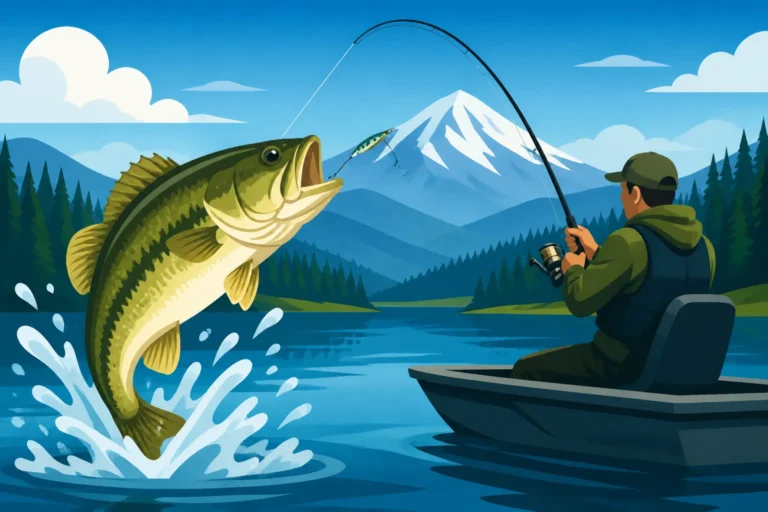
While Klamath Lake is perhaps most famous for its giant, native wild redband trout – often exceeding 20 inches, with some pushing true trophy sizes – it's also home to a diverse array of other species. You'll find healthy populations of yellow perch, brown bullhead catfish, and several species of sucker. Smallmouth bass have also established themselves, particularly in the lower lake and Link River areas. If you're coming for the "big one," the redband trout are your primary focus, but don't overlook the potential for a fun day chasing panfish or battling a feisty bass. For those interested in the broader range of fish available across the state, our comprehensive Oregon Trout Species Guide and Oregon Bass Fishing Guide offer even more details on what you can expect.
Navigation and Access Considerations
Given its size, navigating Klamath Lake can be daunting for newcomers. A reliable boat with a good motor is almost a necessity for effectively covering water and reaching the most productive fishing grounds, especially if you're after those elusive redbands. There are several public boat ramps available, including those at Rocky Point, Moore Park, and the Collier State Park area on the Williamson River arm. However, be aware that the shallow nature of the lake means prop wash and navigating through weed beds can be challenging. For anglers without a boat, shore access is more limited but not impossible, especially around specific points and park areas. Always check local conditions and ramp depths before heading out, especially during low water periods.
Top Klamath Lake Fishing Spots and Their Secrets
Knowing the general characteristics of Klamath Lake is one thing, but knowing where to go is the real key to success. This lake has distinct areas, each with its own charm and challenges, and understanding these can dramatically improve your chances of a successful outing. Forget just randomly driving to the nearest ramp; strategic planning based on known hotspots will save you a lot of frustration.
Upper Klamath Lake Hotspots
This is where the legendary redband trout reside. These fish are strong, acrobatic, and can grow to impressive sizes.
- Rocky Point Area: Located on the western side of Upper Klamath Lake, Rocky Point is a perennial favorite. The deeper channels and weed lines here provide excellent cover and feeding lanes for redband trout. It's also where the crystal-clear waters of the Upper Klamath and Agency Lakes meet, creating a natural funnel for fish. Anglers often find success trolling here, especially near the resort and surrounding marshy areas. The mix of open water and sheltered bays makes it a versatile spot.
- The Mouths of Major Tributaries (Williamson & Wood Rivers): These rivers are critical spawning grounds for the redband trout. While fishing directly in the rivers has specific regulations (check the current Oregon Fishing Regulations Explained), the areas where these rivers empty into Upper Klamath Lake are absolute magnets for staging and feeding trout, especially during non-spawning periods. The cooler, oxygenated water and influx of nutrients and baitfish make these confluence zones incredibly productive. Focus on the currents and eddy lines where fish might hold.
- Wocus Bay: A large, shallow bay on the eastern side, Wocus Bay is known for its extensive weed beds. While challenging to fish due to the vegetation, these weed beds hold massive amounts of baitfish and insect life, attracting large trout. This area is often best fished with specific techniques designed for dense cover, such as weedless lures or fly fishing with large streamers. It's a spot that rewards persistence and a willingness to adapt.
Link River and Lower Klamath Lake Opportunities
The Link River connects Upper Klamath Lake to Lake Ewauna, eventually flowing into the Klamath River. This short, navigable river section, along with Lake Ewauna (often considered part of Lower Klamath Lake), offers different fishing dynamics.
- Link River: While brief, the Link River can be a fantastic spot for smallmouth bass and even some trout that move between the lakes. The currents here create natural holding lies, and the rocky bottom provides excellent habitat for bass. Bank access is often easier here than on the main lake, making it a good option for anglers without a boat. Expect a more riverine fishing experience, with smaller craft or wading being effective.
- Lake Ewauna (Lower Klamath Lake): This section, just below the Link River, is generally shallower and can be even warmer than Upper Klamath. It's an excellent area for warmwater species like yellow perch and brown bullhead catfish. While redband trout are less common here, the sheer numbers of panfish can make for a fun day, especially for families or those looking for consistent action. Look for submerged structure, docks, and weed edges. This area might not offer the trophy trout of the upper lake, but it's great for filling a cooler with tasty panfish.
Tributary Mouths and Shallow Bays
Beyond the major rivers, numerous smaller streams and creeks feed into Klamath Lake. Their mouths, particularly during periods of higher flow, can concentrate fish.
- Sheltered Bays: Areas like Ball Bay, Recreation Creek, and other smaller, sheltered bays along the shoreline, especially on the western side, can offer good fishing. These areas provide protection from wind and waves, and often have a mix of weed beds and deeper pockets where fish feed. These are also good places to target yellow perch and other panfish using Oregon Bait and Lure Guide favorites like worms or small jigs.
- Spring-Fed Areas: Keep an eye out for any noticeable springs entering the lake, particularly those with clear, cold water. These pockets of cooler water can be lifesavers for trout during warm summer months, providing a refuge when the main lake becomes too warm and oxygen-depleted. They might not be obvious, but seasoned locals know these hidden gems. If you're exploring the lake, consider consulting a local map or even checking out a guide service found on platforms like FishingBooker to pinpoint these less obvious but highly productive zones.
Essential Techniques and Gear for Klamath Lake Success
You can know all the best spots, but without the right approach, you might still struggle. Klamath Lake's unique characteristics demand specific fishing techniques and a mindful choice of gear. It’s not just about what you cast, but how and when you present it. For a general overview of methods, our Oregon Fishing Techniques for Beginners can be a great starting point, but let’s get specific to Klamath.
Targeting Trophy Trout: Trolling and Still Fishing
The redband trout in Klamath Lake can be incredibly elusive, but two techniques tend to stand out for their effectiveness.
-
Trolling: This is arguably the most popular and productive method for covering the vast expanse of Upper Klamath Lake and finding those large trout.
- Gear: A good trolling setup typically involves a medium-action rod (7-9 feet) paired with a baitcasting or large spinning reel spooled with 10-15 lb monofilament or braided line. Downriggers or planer boards can be invaluable for presenting lures at precise depths away from the boat, especially in shallower water where fish might spook.
- Lures: Popular choices include classic spoons like[!Oregon Trolling and Boat Fishing Techniques Cowbells, Wedding Rings, or Cripplures. Large streamers or imitation baitfish flies trolled behind an action disk or dodger are also highly effective, mimicking the lake's abundant population of baitfish. Many anglers use a combination of these, experimenting with color and depth until they find what the fish are hitting.
- Strategy: Pay close attention to your depth finder and look for transitions in depth, submerged weed lines, or areas with active baitfish. Trolling speeds typically range from 1.5 to 3 mph, but experiment to find the preferred speed of the day. Early mornings and late evenings often provide the best trolling opportunities, particularly in warmer months.
-
Still Fishing / Anchoring: While less common for covering vast areas, anchoring in known trout holding spots can be very effective, especially during specific times of year or when trout are concentrated.
- Gear: A simple medium-action spinning rod with 8-10 lb line is usually sufficient.
- Bait: PowerBait, worms, or even dead baitfish (where legal) can be very productive. Suspend your bait off the bottom using a slip-sinker rig or a bobber.
- Strategy: This method is particularly effective around tributary mouths or in deeper channels where trout might be staging or resting. Be patient, as still fishing for redbands often requires waiting for a bite rather than actively seeking it out. It's a great choice if you prefer a more relaxed fishing experience or are targeting a specific, smaller area.
Bass and Panfish Strategies
For a change of pace or when the trout bite is slow, turning your attention to smallmouth bass, yellow perch, and catfish can provide plenty of action.
- Smallmouth Bass: The Link River and some rocky areas of Lower Klamath Lake are prime for smallmouth.
- Lures: Smallmouth are aggressive and will hit a variety of lures. Crankbaits, spinnerbaits, plastic worms, and jigs are all excellent choices. Focus on rocky structure, current breaks, and submerged logs.
- Technique: Cast-and-retrieve methods are standard. Work your lures slowly along the bottom or near structure. Early mornings and late evenings are typically the best times, but bass can be active throughout the day, especially if there's cloud cover. If you’re visiting from out of state and just need a quick rental for a day trip, services like FishingBooker can sometimes link you with local guides who provide all the necessary gear.
- Yellow Perch: These tasty panfish are abundant throughout Klamath Lake, particularly in the shallower bays and Lake Ewauna.
- Bait: Worms, small pieces of cut bait, or even tiny jigs tipped with bait are irresistible to perch.
- Technique: A simple bobber rig or a light bottom rig with multiple hooks works well. Look for schools of perch around weed beds, docks, or submerged timber. They are often schooling fish, so where you catch one, there are likely many more.
- Brown Bullhead Catfish: For evening or night fishing, catfish can offer consistent action.
- Bait: Stink baits, chicken livers, or nightcrawlers fished on the bottom are highly effective.
- Technique: Use a sturdy rod with a simple bottom rig. Cast near drop-offs, deeper channels, or areas with muddy bottoms. Catfish are scavengers and will often find your bait even in murky water.
Seasonal Considerations for Klamath Lake Fishing
Klamath Lake's fishing can change dramatically with the seasons. Planning your trip around the best times of year will greatly influence your success. Our broader guide on the Best Time of Year to Fish in Oregon can offer general context, but here’s how it applies specifically to Klamath Lake.
- Spring (April – June): This is often considered one of the best times for redband trout. As water temperatures begin to warm, trout become more active and move into shallower areas to feed heavily after the winter. The algae blooms haven't usually taken hold yet, meaning clearer water. Tributary mouths can be particularly productive as trout migrate.
- Summer (July – August): This can be the most challenging time for trout fishing due to intense algae blooms and high water temperatures. Trout often retreat to deeper, cooler pockets or become very lethargic. Focus on early mornings, late evenings, or target areas with cooler spring inputs. This is, however, prime time for smallmouth bass and panfish in the shallower, warmer sections of the lake.
- Fall (September – November): As temperatures drop and algae begins to die off, trout fishing can rebound significantly. Trout become active again, feeding aggressively before winter. This is another excellent time for trolling and can offer some of the largest fish of the year. The cooler weather also makes for a more pleasant overall experience.
- Winter (December – March): Ice fishing is not generally safe or common on Upper Klamath Lake due to its size and exposed nature, but fishing from shore or boat can still be possible in some sheltered areas, particularly for brown bullhead catfish or even some very cold-tolerant trout. Always check conditions and safety before venturing out.
| Season | Primary Species Targeted | Recommended Techniques | General Conditions |
|---|---|---|---|
| Spring | Redband Trout, Perch, Bass | Trolling, Still Fishing, Casting | Warming water, clearer; algae not yet dominant |
| Summer | Bass, Perch, Catfish (Trout challenging) | Casting, Bobber Fishing, Bottom Fishing | Warm water, heavy algae blooms; trout seek refuge |
| Fall | Redband Trout, Bass, Perch | Trolling, Still Fishing, Casting | Cooling water, algae receding; trout active |
| Winter | Catfish, some Trout (limited) | Bottom Fishing | Cold water, often slower fishing |
Planning Your Klamath Lake Fishing Adventure
A successful fishing trip to Klamath Lake requires more than just knowing where the fish are; it means understanding the logistics, rules, and best practices to ensure a safe, legal, and enjoyable experience. Being prepared can make all the difference, especially on a large and sometimes challenging body of water like this.
Best Times to Visit
While we touched on seasonal considerations, let's refine this a bit for optimal planning. For dedicated redband trout anglers, late spring (May-June) and fall (September-October) are generally considered the peak windows. During these times, the water temperatures are more favorable, and the trout are actively feeding without the stress of extreme heat or dense algae. For a mixed bag of smallmouth bass, yellow perch, and catfish, the warmer summer months can be fantastic, offering plenty of action, especially for families or those new to fishing. Always check the specific Oregon Fishing Season Dates and Limits for your target species before you go, as regulations can change.
Local Resources and Guides
Klamath Lake's vastness and unique characteristics make local knowledge invaluable. If you're new to the area or specifically targeting trophy redbands, consider hiring a local guide. A good guide will not only put you on fish but also teach you the nuances of fishing this particular lake, from navigating channels to selecting the right lures for current conditions. Many experienced guides operate in the Klamath Basin, often found through word-of-mouth or by searching local guide services on platforms like FishingBooker. They can often provide all the necessary gear and even help with bait, streamlining your trip. You can learn more about Oregon Fishing Guide Services in general to understand what to look for.
Important Regulations to Know
Oregon's fishing regulations are detailed and can be complex, especially when dealing with native species like the Klamath Lake redband trout.
- Licenses and Endorsements: You will absolutely need an Oregon Fishing License Guide, and depending on what and where you're fishing, additional tags or endorsements may be required. For instance, specific regulations might apply to portions of the Williamson or Wood Rivers that flow into the lake.
- Catch Limits and Size Restrictions: Be diligent about checking daily bag limits and any size restrictions for each species. Redband trout often have specific rules regarding wild vs. hatchery fish (if any hatchery fish are present, which is less common for these native strains), and catch-and-release is often encouraged or required for certain populations.
- Gear Restrictions: Certain areas might have restrictions on bait, specific lure types, or even barbless hooks. Always consult the most current Oregon Department of Fish and Wildlife (ODFW) regulations booklet before heading out. Ignorance of the rules is not an excuse, and penalties for violations can be significant, as detailed in our guide on Oregon Fishing Violations and Penalties. Knowing these rules protects both you and the invaluable resource that is Klamath Lake.
Disclaimer
Fishing conditions and regulations in Oregon, particularly on a dynamic water body like Klamath Lake, can change frequently due to environmental factors, fish populations, and management decisions. Always consult the most current Oregon Department of Fish and Wildlife (ODFW) regulations and local advisories before planning and undertaking any fishing trip. This guide is for informational purposes only and should not be considered a substitute for official ODFW publications.