Southern Oregon Fishing Spots
It can feel overwhelming, can't it? You dream of casting a line into pristine waters, pulling out a magnificent trout or battling a strong salmon, but Southern Oregon is a vast, beautiful region, and figuring out where to even begin can be a huge hurdle. All those rivers, lakes, and coastal estuaries – it's enough to make your head spin! This comprehensive guide is here to cut through the confusion, helping you discover the absolute best fishing spots this incredible corner of the state has to offer, tailored to every angler's dream.
The Mighty Rogue River: A Legendary Fishery
When you talk about fishing in Southern Oregon, the Rogue River is usually the first name that comes to mind, and for very good reason. This iconic river, stretching from the Cascade Mountains to the Pacific Ocean near Gold Beach, offers an incredible diversity of angling experiences. It's a true gem, renowned worldwide for its salmon and steelhead runs, and even some fantastic smallmouth bass opportunities in its warmer sections. But it's not just the fish; the scenery is breathtaking, from whitewater rapids to serene stretches, making every trip an adventure.
Upper Rogue River: Trout and Early Steelhead
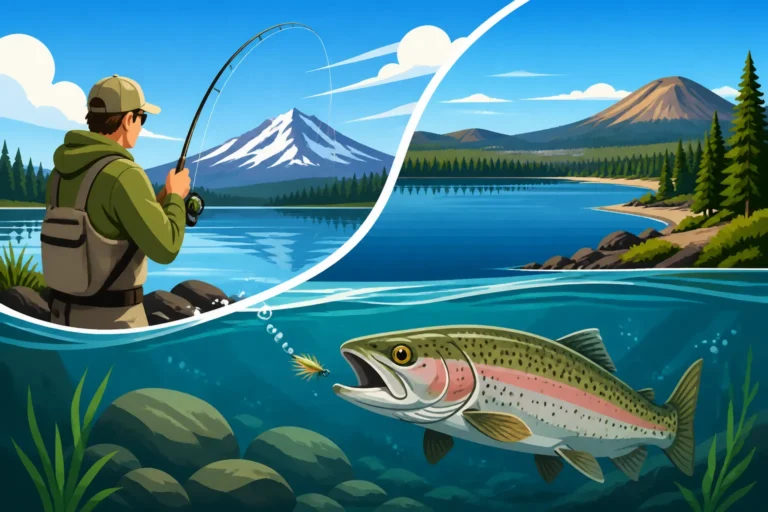
The upper reaches of the Rogue, particularly above Shady Cove and through the wild and scenic section, are a world-class destination for fly anglers seeking trout and early summer steelhead. Here, the river runs cooler and clearer, making it perfect habitat for native rainbow trout and wild cutthroat. Imagine wading into a riffle, the cool mountain air on your face, and presenting a perfectly tied fly to a hungry trout. It’s an experience that connects you deeply with nature.
This section is also where the first waves of summer steelhead begin their journey upstream. While these fish can be elusive, hooking into a chrome-bright summer-run steelhead on a fly rod is often considered the pinnacle of freshwater angling. Access points like those near Shady Cove or Takelma Boat Launch offer great starting points for wading or drift boat trips. Many anglers also appreciate the challenges and rewards of fishing the beautiful but demanding Upper Rogue River. Just be aware that some areas have specific gear restrictions, so always check the latest regulations to ensure you're fishing legally and ethically. It's truly a special place, and taking the time to understand its nuances will greatly enhance your success.
Middle Rogue River: Salmon, Steelhead, and Bass Bonanza
As the Rogue River flows westward, it transitions into its middle section, becoming a powerhouse for various species. From Grants Pass down to the Agness area, you'll find a mix of faster runs and deeper pools, creating ideal holding water for both salmon and steelhead. This stretch is particularly famous for its spring Chinook salmon, which are powerful fighters and highly sought after. Drifting roe, back-bouncing plugs, or even throwing spinners can be incredibly effective when these kings are on the move.
Beyond the anadromous fish, the middle Rogue also boasts an exceptional smallmouth bass fishery. These feisty bronzebacks thrive in the warmer, rockier sections, offering consistent action, especially during the summer months. Fly anglers can have a blast targeting them with poppers and streamers, while conventional gear users will find success with spinnerbaits, crankbaits, and soft plastics. It's a fantastic option for families or those looking for steady bites between salmon runs. Access points are plentiful, from public boat ramps to riverside parks, making it relatively easy to get on the water. For more in-depth guidance on specific techniques, check out our Rogue River Fishing Guide.
Lower Rogue River: Ocean-Fresh Salmon and Sturgeon
Closer to the coast, from Agness to Gold Beach, the Lower Rogue River becomes a major highway for returning salmon and a fantastic spot for sturgeon. This is where you'll find some of the most intense fall Chinook salmon fishing in the state, especially during the popular "Buoy 10" season when fish are stacked up at the mouth. Fishing here often involves trolling spinners or bait from a boat, chasing those fresh, aggressive ocean-run fish. The sheer power of a Lower Rogue Chinook fresh from the ocean is something every angler should experience at least once.
Beyond salmon, the lower Rogue also holds a healthy population of white sturgeon. While most sturgeon fishing here is strictly catch-and-release, it offers an incredible opportunity to battle these prehistoric giants. Imagine hooking into a fish that could be older than you are, feeling the sheer weight and power as it slowly strips line from your reel. It’s a truly humbling experience. When targeting sturgeon, heavy tackle and ample patience are your best friends. Popular spots include the bay near Gold Beach and upriver to Agness. Remember to always use barbless hooks for sturgeon and practice careful handling to ensure their survival.
Klamath Basin: Diverse Lakes and Unique Opportunities
The Klamath Basin, spanning the border with California, is a truly unique fishing destination in Southern Oregon. It's a land of vast, shallow lakes, winding rivers, and stunning high-desert landscapes. While perhaps not as famous for salmon and steelhead as the coastal rivers, the Klamath Basin offers incredible opportunities for trophy trout, kokanee, and a variety of warmwater species. It’s a place where you can find solitude and some truly massive fish.
Upper Klamath Lake: Trophy Redband Trout
Upper Klamath Lake is legendary among trophy trout anglers. This massive, shallow lake is home to a unique strain of native redband rainbow trout that can grow to impressive sizes, often exceeding 10 pounds! These are not your average stocker trout; they are wild, powerful fish that put up incredible fights. The fishing here can be challenging, as the lake is large and often windy, but the rewards are well worth the effort.
Anglers typically target Upper Klamath Lake redbands by trolling large streamer patterns or diving plugs, especially around the weed beds and open water where these fish ambush baitfish. Fly anglers often employ specialized techniques like midge fishing or stripping large leeches. Access is available via several boat ramps around Klamath Falls. While the sheer size of the lake can be daunting, spending time exploring its vastness can lead to unforgettable catches. It's a truly wild fishery, demanding respect and patience, but offering some of the most authentic trophy trout experiences in Oregon. You might even consider booking a local guide through platforms like FishingBooker to maximize your chances and learn the local secrets.
Agency Lake and Link River: Accessible Action
Adjacent to Upper Klamath Lake, Agency Lake offers similar opportunities for redband trout, often with slightly easier access and sometimes calmer conditions. It’s a good alternative when Upper Klamath is too rough. The Link River, which connects Upper Klamath Lake to Lake Ewauna and eventually the Klamath River, is another productive spot, especially during certain times of the year when fish are on the move. While the Link River is relatively short, it can concentrate fish, making for excellent bank angling or short float trips.
Fishing these areas often involves similar techniques to Upper Klamath Lake, focusing on trolling or casting lures that imitate baitfish. For those new to the area, understanding the movements of these large trout can be key. They follow baitfish and seek out areas with optimal water temperatures and cover. These lakes are also known for their populations of yellow perch and other panfish, offering a fun, consistent bite for anglers of all skill levels, especially for families looking for action. A simple worm under a bobber can often yield a stringer full of tasty perch.
Lake of the Woods and Miller Lake: High Mountain Gems
For those seeking a more traditional high-mountain lake experience, the Klamath Basin also boasts beautiful options like Lake of the Woods and Miller Lake. Lake of the Woods, nestled in the Cascade Mountains, is a popular spot for both rainbow trout and kokanee salmon. It’s a larger, deeper lake offering great trolling opportunities, and its scenic setting makes it a fantastic family destination. You can target kokanee with small dodgers and wedding rings, or chase rainbows with powerbait from shore or by trolling spinners.
Miller Lake is famous for its large brook trout, some of which grow to true trophy size. This lake often requires a bit more effort to reach, but the reward of hooking into a brilliantly colored, chunky brook trout in an alpine setting is truly special. Both lakes are subject to seasonal access, typically opening up once the snow melts in late spring. These higher elevation lakes provide a different flavor of fishing compared to the vast, shallow Klamath lakes, appealing to those who love cool, clear mountain waters. Check out our Klamath Lake Fishing Guide for more information on fishing in this unique region.
Umpqua River System: Salmon, Steelhead, and Smallmouth
The Umpqua River system, particularly the Main Umpqua, North Umpqua, and South Umpqua rivers, is a powerhouse fishery known for its incredible diversity. This system offers something for everyone, from world-class fly fishing for wild steelhead to excellent opportunities for salmon and some of the best smallmouth bass fishing in the state. It's a vast watershed, and exploring its different forks and tributaries can keep an angler busy for years.
North Umpqua River: Fly-Fishing Only Steelhead Sanctuary
The North Umpqua River is truly legendary, famous for its wild summer steelhead and strict fly-fishing-only regulations in many of its upper sections. This river draws anglers from around the world who seek the challenge and beauty of swinging flies for chrome-bright steelhead. It's not just about catching fish; it's about the experience, the tradition, and the pristine environment. The river flows through stunning canyons and old-growth forests, creating an unforgettable backdrop for your angling pursuits.
Access to the fly-only water often involves hiking into various spots along the river trail, making it a truly immersive wilderness experience. Drifting flies through perfect runs, feeling that subtle tug of a powerful steelhead, is a moment etched into every fly angler's memory. While challenging, the rewards of hooking a wild North Umpqua steelhead are immense. Even if you're not a fly fisher, visiting this area to witness its beauty and watch expert anglers in action is inspiring. Remember, the North Umpqua has very specific rules; always consult the Oregon Fishing Regulations Explained before you go.
Main and South Umpqua Rivers: Salmon, Steelhead, and Bass
The Main Umpqua and South Umpqua rivers offer a wider range of fishing opportunities, welcoming both conventional and fly anglers. The Main Umpqua is particularly known for its strong runs of spring and fall Chinook salmon, as well as winter and summer steelhead. These sections are more accessible, with numerous boat ramps and bank access points, making them popular for drift boat trips and shore angling. Back-trolling plugs, drift fishing roe, or casting spinners can all be very effective, depending on the season and water conditions.
Beyond the anadromous species, the Umpqua system is also nationally recognized for its exceptional smallmouth bass fishery. In the warmer, slower sections of the Main and South Umpqua, particularly during the summer and early fall, you can experience incredible smallmouth action. These hard-fighting fish are abundant and aggressive, readily taking a variety of lures and flies. It's an excellent option for a fun-filled day of fishing, especially for those looking to keep kids entertained or simply enjoy consistent bites. Floating a section of the river in a raft or pontoon boat, casting to rocky banks and submerged timber, can be an incredibly productive and enjoyable way to spend a day on the Umpqua.
Coastal Southern Oregon: Ocean and Estuary Adventures
Southern Oregon's coastline, from Winchester Bay down to Brookings, offers a completely different set of fishing adventures. Here, the focus shifts to the vast Pacific Ocean and its productive bays and estuaries. From deep-sea charters chasing halibut and tuna to crabbing and clamming in the bays, the coastal region provides a bounty of seafood and thrilling angling experiences. It’s a rugged and beautiful coastline, with dramatic cliffs and charming fishing towns.
Winchester Bay and Umpqua River Mouth: Salmon and Crabbing
Winchester Bay, at the mouth of the Umpqua River, is a bustling hub for coastal anglers. This area is famous for its incredible fall Chinook salmon runs, drawing anglers from all over the Pacific Northwest. During the peak season, the bay and the lower river are alive with boats, all vying for a shot at those ocean-fresh kings. Trolling herring, anchovies, or large spinners is the name of the game here, as these fish are aggressive and eager to bite as they stage before heading upstream.
Beyond salmon, Winchester Bay is also a prime location for Dungeness crabbing. Dropping crab pots in the bay can yield a delicious reward, making for a perfect combo trip: catch some salmon, then pull up a pot full of crabs for dinner. There are several charter services operating out of Winchester Bay that can take you out for both salmon and crabbing, offering a complete coastal experience. Many anglers find using a local guide essential for navigating the dynamic conditions of a river mouth, and you can often find great options on platforms like FishingBooker.
Coos Bay and Charleston: Rockfish, Lingcod, and Halibut
Further south, Coos Bay is one of Oregon's largest natural harbors, offering fantastic opportunities for both bay and ocean fishing. The town of Charleston, located within Coos Bay, is a major port for charter boats heading out into the Pacific. Offshore, you can target a variety of exciting species. Bottom fishing for rockfish and lingcod is consistently good, providing plenty of action and delicious table fare. These trips often involve jigging artificial lures or bait over rocky reefs.
For the adventurous angler, Coos Bay and Charleston are also launch points for Pacific halibut and albacore tuna trips. Halibut fishing requires specific timing and can be a challenging endeavor, but catching one of these massive flatfish is a bucket-list experience. Tuna trips are even more offshore, chasing schools of albacore that migrate through Oregon's waters in late summer, offering fast-paced, high-octane fishing. These trips are typically full-day excursions and require specialized gear, but the reward of fresh tuna is unparalleled. For information on specific ocean species, consult our Oregon Saltwater Fish Species Guide.
Brookings and Chetco River: Winter Steelhead and Ocean Fishing
Right near the California border, Brookings offers a unique blend of coastal river and ocean fishing. The Chetco River, flowing into the ocean at Brookings, is renowned for its incredible winter steelhead runs. These hatchery and wild steelhead grow to impressive sizes in the Chetco, making it a top destination for serious steelhead anglers. Drift fishing bait or lures, side-drifting, or back-trolling plugs are popular methods for targeting these powerful fish. The scenery here is rugged and beautiful, adding to the allure.
From Brookings harbor, anglers can also access excellent ocean fishing. Like Charleston, charters here target rockfish, lingcod, and sometimes halibut. The offshore waters can also be productive for salmon, particularly during specific seasons when baitfish are concentrated near the mouth of the Chetco. Whether you're chasing steelhead in the river or pulling up rockfish from the deep, Brookings offers a fantastic southern Oregon coastal fishing experience.
High Lakes and Reservoirs: Alpine Gems and Family Fun
Southern Oregon isn't just about its famous rivers and coastline; it's also home to a spectacular array of high-mountain lakes and large reservoirs. These waters offer everything from serene alpine trout fishing to action-packed warmwater opportunities, making them perfect for family outings, quiet solitude, or chasing specific species. The scenery alone is often worth the trip, with towering peaks, dense forests, and crystal-clear waters.
Hyatt Lake and Howard Prairie Lake: Trout and Warmwater Mix
Nestled in the Cascade-Siskiyou National Monument, Hyatt Lake and Howard Prairie Lake are popular reservoirs known for their diverse fishing opportunities. These lakes are typically stocked with rainbow trout, offering consistent action for bait anglers and trollers. Imagine setting up camp near the lake, cooking breakfast over a fire, and then heading out for a morning of trout fishing – it’s the quintessential outdoor experience. PowerBait, worms, or small spinners are usually effective for the stocked rainbows.
What makes these lakes particularly interesting is their mix of warmwater species. You'll also find good populations of largemouth bass, smallmouth bass, crappie, and bluegill. This means you can switch gears if the trout aren't biting or if you simply want to try something different. Targeting bass with soft plastics or crankbaits in the submerged timber and weed lines can be very productive, while panfish offer easy action for kids with worms and bobbers. The multiple species make these lakes ideal for families or groups with varied fishing interests.
Applegate Lake: Bass, Trout, and Scenic Beauty
Applegate Lake, located southwest of Ashland in the Rogue River-Siskiyou National Forest, is another fantastic multi-species reservoir. It's perhaps best known for its excellent largemouth and smallmouth bass fishing. The lake's rocky shores, submerged structure, and varying depths create ideal habitats for both species. Anglers can spend hours exploring coves and points, casting jigs, spinnerbaits, or topwater lures, especially during the warmer months. The bass here grow to respectable sizes and put up a great fight.
In addition to bass, Applegate Lake also supports a healthy population of rainbow trout, often stocked by ODFW. Trolling with wedding rings or small spoons, or still-fishing with PowerBait from shore or a anchored boat, are common methods for trout. The lake is set amidst stunning forested hills, offering beautiful views and a peaceful escape. With multiple boat ramps and campgrounds, it’s a convenient and rewarding destination for a weekend fishing trip. Understanding the seasonal patterns of both warmwater and coldwater species here will significantly increase your chances of success.
Lost Creek Lake: Jumbo Crappie and Reservoir Trout
Lost Creek Lake, formed by the Rogue River dam, is a huge reservoir located east of Gold Hill. This expansive body of water is a regional favorite, particularly famous for its jumbo crappie. Anglers flock here in the spring and early summer to target schools of these delicious panfish. Drifting small jigs tipped with crappie nibblers or minnows around submerged trees and brush piles is a highly effective technique. When you find a school, the action can be non-stop!
Like many Southern Oregon reservoirs, Lost Creek Lake is also regularly stocked with rainbow trout, providing consistent fishing throughout the year. Trolling with various lures like Dick Nites or Kokanee Killers, or fishing with bait under a bobber, are popular ways to catch trout. The lake's large size offers plenty of room for anglers to spread out, whether they're fishing from a boat or trying their luck from one of the many accessible shoreline spots. It's a fantastic spot for a mixed bag, and many an angler has left Lost Creek with a cooler full of crappie and trout.
Smaller Rivers and Creeks: Hidden Treasures for Anglers
While the big rivers like the Rogue and Umpqua get all the glory, Southern Oregon is crisscrossed with countless smaller rivers and creeks that offer fantastic, often overlooked, fishing opportunities. These smaller waters can provide a more intimate angling experience, a chance to explore remote areas, and some surprisingly good fishing for trout, and even some smaller runs of salmon and steelhead. They are truly hidden treasures waiting to be discovered.
Illinois River: Wild Trout and Rogue Steelhead Tributaries
The Illinois River, a major tributary of the Rogue, is a wild and scenic river known for its beautiful canyons and excellent fishing. While not as heavily fished as the main stem Rogue, it offers incredible opportunities for native cutthroat and rainbow trout. Many sections are pristine, providing a true wilderness experience. Fly anglers will find plenty of challenges and rewards, casting dry flies or nymphs in the clear, cool waters. It’s a place where stealth and presentation are key.
The lower sections of the Illinois River also see runs of winter steelhead, particularly during peak rain events. These fish are wild, powerful, and notoriously tough to catch, but the reward of landing an Illinois River steelhead is immense. Access can be challenging in some areas, requiring hiking or navigating rough roads, but that also contributes to the wild charm of the place. It's the kind of river where you might go hours without seeing another soul, just you and the fish.
Elk River and Sixes River: Coastal Steelhead and Salmon
On the southern coast, the Elk River and Sixes River near Port Orford are renowned for their incredible runs of large Chinook salmon and winter steelhead. These are smaller, coastal rivers, often fed by winter rains, which can swell quickly and then drop, creating prime fishing conditions. The Elk River, in particular, is known for producing some truly massive Chinook, often exceeding 50 pounds, making it a bucket-list destination for many salmon anglers.
Fishing these rivers typically involves drift fishing roe or lures, side-drifting, or using small boats to back-troll plugs through the deeper holes. When the fish are in, the action can be phenomenal, but you often need to hit the conditions just right. The smaller size of these rivers means fish can be concentrated, but also that they are more sensitive to fishing pressure and water levels. Always check local reports and regulations before heading out. These rivers offer a classic Oregon coastal river fishing experience, with beautiful scenery and the chance at a truly trophy fish.
Planning Your Southern Oregon Fishing Trip: Logistics and Regulations
Successfully planning a fishing trip to Southern Oregon involves more than just picking a spot; it requires understanding the logistics, respecting the environment, and adhering to local regulations. Oregon has specific rules designed to protect its fisheries and ensure sustainable angling for generations to come. Ignoring these can lead to fines and a ruined trip.
Essential Licenses and Endorsements
First and foremost, you absolutely need an Oregon fishing license if you're 12 years or older. This is non-negotiable. Beyond the basic angling license, depending on what and where you plan to fish, you might need additional endorsements or tags. For instance, if you're targeting salmon or steelhead in many rivers, you'll need a Oregon Combined Angling Tag Guide. If you're heading out into the ocean for bottom fish, halibut, or tuna, an Oregon Ocean Endorsement might be necessary.
Shellfish licenses are separate for crabbing and clamming. It's easy to overlook these details, but a game warden can and will check. You can purchase your licenses online through the Oregon Department of Fish and Wildlife (ODFW) website, or at authorized license agents like sporting goods stores and some coastal bait shops. Always carry proof of your license, whether a printed copy or on your phone, as required by law.
Understanding Regulations and Seasons
Oregon's fishing regulations can be complex, varying by species, specific waterbody, and time of year. What's legal on one section of the Rogue River might be illegal just a few miles downstream or in a different river system. Key things to pay attention to include:
- Season Dates: When is a particular species open for retention?
- Bag Limits: How many fish of a certain species can you keep per day or per year?
- Size Limits: Are there minimum or maximum lengths for kept fish?
- Gear Restrictions: Are bait, barbed hooks, or certain types of lures prohibited? (e.g., fly-fishing only sections)
- Catch-and-Release Rules: Some species or wild fish require immediate release.
The best way to stay informed is to obtain the latest Oregon Sport Fishing Regulations booklet, available online on the ODFW website or at license agents. It's a thick booklet, but it's your bible for staying legal. Always review the specific zone and waterbody you plan to fish, as emergency closures or changes can occur. For general timings, our Oregon Fishing Season Dates and Limits can provide a good overview.
| Southern Oregon Fishing Spot | Primary Target Species | Best Time of Year | Key Attraction | Notes |
|---|---|---|---|---|
| Rogue River (Upper) | Trout, Summer Steelhead | Spring, Summer | Fly-fishing, Scenic beauty | Fly-fishing only sections, wild fish |
| Rogue River (Middle) | Salmon, Steelhead, Smallmouth Bass | Spring, Summer, Fall | Diverse fishery, consistent action | Good for drift boats, various techniques |
| Rogue River (Lower) | Fall Chinook Salmon, Sturgeon | Late Summer, Fall | Ocean-fresh salmon, trophy sturgeon | Intense boat fishery, crabbing |
| Upper Klamath Lake | Trophy Redband Trout | Spring, Summer, Fall | Large native trout, unique fishery | Challenging, often windy, best from boat |
| Umpqua River (North Fork) | Wild Summer Steelhead | Summer, Fall | World-class fly-fishing experience | Fly-fishing only, strict regulations |
| Umpqua River (Main/South) | Salmon, Steelhead, Smallmouth Bass | Year-round, seasonal | High numbers of smallmouth, good salmon/steelhead | Good for conventional gear and drift boats |
| Winchester Bay | Fall Chinook Salmon, Dungeness Crab | Late Summer, Fall | Bustling bay fishery, combo trips | Popular charter destination |
| Coos Bay/Charleston | Rockfish, Lingcod, Halibut, Tuna (offshore) | Year-round, seasonal | Ocean bottom fishing, deep-sea adventures | Charter boats highly recommended for offshore |
| Lost Creek Lake | Crappie, Rainbow Trout | Spring, Summer, Fall | Jumbo crappie, family-friendly | Good bank access, consistent trout stocking |
| Applegate Lake | Largemouth Bass, Smallmouth Bass, Trout | Spring, Summer, Fall | Excellent bass fishery, scenic | Multiple species for varied interests |
Essential Gear and Techniques for Southern Oregon Waters
Getting the right gear and understanding effective techniques are crucial for success in Southern Oregon's diverse fisheries. While you don't need to break the bank, having appropriate tackle for the species and water you're targeting will significantly improve your chances and overall enjoyment.
Rod and Reel Setups for Diverse Species
Given the variety of fishing in Southern Oregon, you'll likely need a few different setups if you plan to target multiple species.
- Trout (Lakes & Smaller Streams): A light to medium-light spinning rod (6-7 feet) paired with a 1000-2500 size reel spooled with 4-8 lb monofilament or fluorocarbon is perfect. For fly fishing, a 4-6 weight rod is versatile for most trout situations. This setup is great for casting small spinners, spoons, or bait for stocked rainbows, or presenting flies on smaller streams.
- Salmon & Steelhead (Rivers): This requires more specialized gear. For drift fishing or side-drifting on rivers like the Rogue or Umpqua, a medium-heavy baitcasting or spinning rod (8'6" to 10'6") with a fast action is common, paired with a reel spooled with 15-25 lb mainline and a fluorocarbon leader of 10-20 lbs. For trolling in the lower rivers or bays, a sturdy level-wind reel on a medium-heavy trolling rod (8-9 feet) is ideal, spooled with 30-50 lb braid. Our Oregon Salmon Fishing Techniques and Oregon Steelhead Fishing Techniques articles offer more detail.
- Bass (Lakes & Rivers): A medium-heavy fast-action baitcasting rod (6'6" to 7'6") is a workhorse for bass, capable of handling various lures like jigs, crankbaits, and spinnerbaits. Spool with 12-20 lb fluorocarbon or braid. A medium-light spinning rod can also be valuable for finesse techniques or lighter lures.
- Ocean Bottom Fishing/Halibut: Heavy-duty conventional gear is essential here. Think stout rods (6-7.5 feet) capable of handling 50-100 lb braided line, paired with robust conventional reels like a Penn Fathom or a Shimano Trinidad. You'll be dropping heavy lead and large baits or jigs to the ocean floor, so durability is key.
Effective Baits and Lures
Choosing the right bait or lure can make all the difference. While local knowledge is invaluable, some general principles apply:
- Trout: For stocked lakes, PowerBait, worms, and corn are perennial favorites. Small spinners (like Rooster Tails or Mepps) and spoons work well in both lakes and streams. For fly fishing, common patterns include Woolly Buggers, nymphs (Prince Nymph, Pheasant Tail), and various dry flies depending on the hatch.
- Salmon & Steelhead: Roe (cured salmon eggs), sand shrimp, and prawns are classic baits for drift fishing. Popular lures include Brad's Wiggler, Kwikfish, and various spinners (like Blue Fox or Mepps Flying C). For fly fishing steelhead, large intruder patterns, spey flies, and classic Puget Sound patterns are often effective.
- Bass: Soft plastic worms (Texas-rigged or Wacky-rigged), jigs, crankbaits, spinnerbaits, and topwater lures (frogs, poppers) are all highly effective for bass. Matching the hatch (or the baitfish) is key.
- Ocean Fishing: For bottom fish, cut bait (herring, squid), shrimp, and large artificial jigs (metal jigs, curly tail grubs) are popular. Halibut often prefer large chunks of herring, salmon, or octopus. Tuna are typically caught by trolling cedar plugs, feathers, or various jet lures. For more specific lure choices, check out our Oregon Bait and Lure Guide.
Local Guides and Charters: Enhancing Your Experience
For many anglers, especially those visiting Southern Oregon for the first time or targeting specific, challenging species, hiring a local fishing guide or booking a charter can be an absolute game-changer. These professionals spend countless hours on the water, know the latest patterns, and have all the necessary gear.
- River Guides: A good river guide (often found via platforms like FishingBooker) for the Rogue or Umpqua can put you on fish when you'd otherwise be scratching your head. They provide the boat, tackle, and expertise, often teaching you invaluable techniques along the way. This is particularly true for fly fishing the North Umpqua or chasing elusive steelhead.
- Ocean Charters: For offshore fishing for halibut, tuna, or even bottom fishing, a charter boat out of Newport, Charleston, or Brookings is almost essential. These boats are equipped for safety on the open ocean and have the sonar and gear needed to locate fish. They also typically include all fishing equipment, bait, and often even fillet your catch at the end of the day. Choosing a reputable operator is key; you can often find good reviews on sites like FishingBooker.
While it's an added expense, the knowledge gained and the increased success rate often make a guided trip well worth the investment, especially if your time on the water is limited. It's an investment in a memorable and productive fishing experience.
Disclaimer
Please be aware that fishing regulations, seasons, and access points can change. While every effort has been made to provide accurate and up-to-date information, it is your responsibility to consult the latest Oregon Department of Fish and Wildlife (ODFW) regulations before engaging in any fishing activities. This guide is for informational purposes only and should not be considered legal advice. Always prioritize safety on the water and practice ethical angling.