Clear Lake Oregon fishing access
Oh, the magic of Clear Lake in Oregon! It's one of those spots that truly captures the essence of the Pacific Northwest, with its crystal-clear spring-fed waters and that fascinating submerged ancient forest. But let's be real, finding reliable information on where to actually get on the water and how to best approach fishing it can feel like trying to find a needle in a haystack, especially if you're planning a trip and want to make the most of it. Many anglers arrive eager to cast a line, only to be puzzled by limited shoreline access or specific boat regulations. This guide is here to untangle all those frustrations, offering a detailed breakdown of Clear Lake's fishing access points, the best ways to get your line wet, and what you can expect to catch in this unique Oregon gem.
Navigating Clear Lake's Entrances and Public Access Points
Clear Lake, nestled at the headwaters of the McKenzie River, is renowned for its incredible water clarity and serene beauty. However, its access points, while straightforward once you know them, aren't as abundant as some larger, more developed lakes. Understanding where you can legally and safely get onto the water is the first step to a successful day of fishing. This lake is primarily managed by the U.S. Forest Service, so many of its amenities blend into the natural landscape.
Main Boat Launches and Day-Use Areas
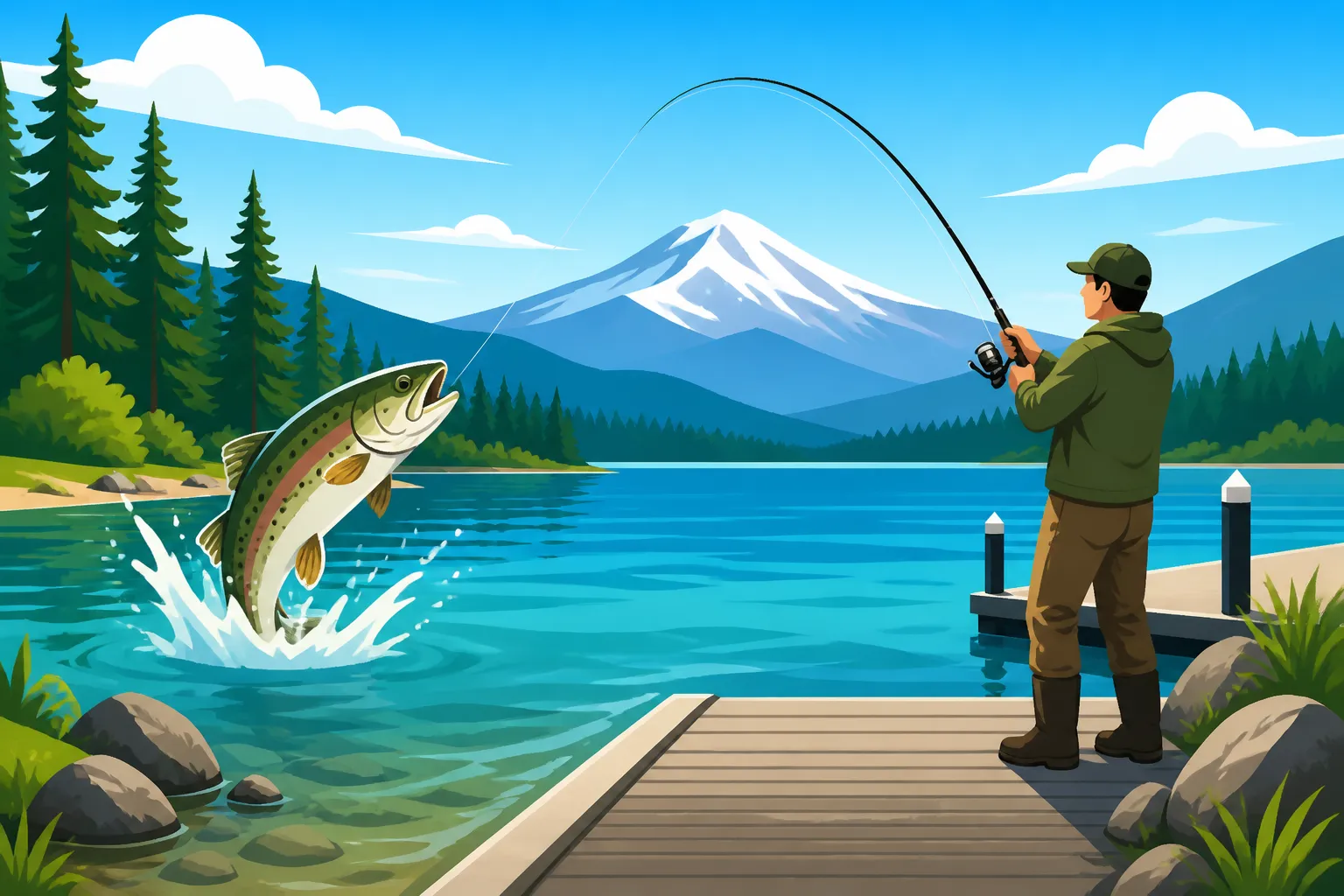
The primary access point for Clear Lake is located at the north end of the lake, directly off Highway 126. This is where most anglers will want to begin their adventure. You'll find a public boat ramp here, complete with ample parking, making it convenient for launching kayaks, canoes, paddleboards, and small electric-motor boats. It’s crucial to remember that internal combustion engines are generally prohibited on Clear Lake to maintain its pristine water quality and peaceful atmosphere. This means it’s a paradise for paddlers and those who appreciate quiet, non-motorized fishing experiences. Many anglers bring their own small fishing boats equipped with electric trolling motors, which are perfectly acceptable and provide excellent mobility around the lake. The nearby Clear Lake Resort also offers boat rentals, including rowboats and kayaks, which can be a fantastic option if you don't have your own vessel or simply want to try fishing Clear Lake without the hassle of transporting your gear. These day-use areas often have picnic tables and restrooms, making them suitable for a family outing. For specific rules on motors and other gear, it's always wise to consult the latest Oregon Fishing Regulations Explained to ensure you're compliant.
Limited Shoreline Opportunities for Bank Anglers
While Clear Lake is a haven for those who enjoy fishing from a boat or personal watercraft, shoreline access for bank anglers is quite limited. The lake is largely surrounded by dense forest, and much of the immediate lakeside property is either steep or privately owned by the Clear Lake Resort. Your best bet for bank fishing will be near the main boat launch area and designated day-use spots, where the terrain is flatter and more accessible. There are a few small, informal pull-offs along the road leading to the resort, but these often require a scramble through brush and may not offer ideal casting conditions.
For the more adventurous angler, sections of the famed McKenzie River Trail run along parts of the lake's eastern shore. While this offers scenic views and a challenging hike, fishing access from the trail can be difficult due to heavy vegetation and sheer drops to the water in many places. You might find a few spots where the trail comes close to the water's edge, allowing for a quick cast, but don't expect expansive, easy-to-reach bank fishing opportunities here. This is why many experienced Clear Lake anglers emphasize the importance of having some form of personal watercraft to truly explore the lake's various coves and the submerged forest, which are largely inaccessible from shore.
Accessibility Considerations and Facilities
The main access points at Clear Lake are generally well-maintained and family-friendly. The paved roads leading to the boat launch and resort make for easy arrival. Restrooms, often vault toilets, are available at the main day-use areas. For those with mobility considerations, the primary boat launch offers a relatively flat approach to the water, making it easier to launch smaller craft or access the short sections of accessible shoreline. While the U.S. Forest Service does an excellent job maintaining these areas, always remember you're in a natural environment. Wear appropriate footwear, bring plenty of water, and be prepared for variable weather conditions.
If you're planning a multi-day trip, there are several U.S. Forest Service campgrounds nearby, such as Coldwater Cove Campground, offering tent and RV sites. These can be great bases for exploring not just Clear Lake, but also other fantastic fishing opportunities in the Central Oregon region. Whether you're bringing your own gear or looking to rent, the facilities around Clear Lake are designed to support a pleasant day on the water, albeit with a focus on quieter, non-motorized recreation.
Understanding Clear Lake's Unique Fishing Opportunities
Clear Lake's unique characteristics, from its bone-chillingly cold, spring-fed waters to its breathtaking submerged forest, create a distinct fishing experience. It’s not just about what you catch, but how you catch it, and what fascinating underwater world you get to observe while doing so.
Primary Fish Species and Stocking Information
The star of Clear Lake's fishing scene is undoubtedly the Rainbow Trout. The Oregon Department of Fish and Wildlife (ODFW) regularly stocks Clear Lake with legal-sized rainbow trout, ensuring a consistent population for anglers. These hatchery-raised fish are often quite active and provide reliable action, especially during peak seasons. Beyond the stocked rainbows, Clear Lake is also home to a healthy population of wild Brook Trout. These beautiful, feisty fish are often found in cooler, deeper sections or near areas where springs feed into the lake. While generally smaller than their rainbow cousins, they offer a rewarding challenge for those seeking a wilder catch.
Less common, but occasionally caught, are native Cutthroat Trout, particularly if you venture closer to the inflowing streams. ODFW's stocking schedule typically makes Clear Lake a great destination for consistent trout fishing throughout the spring, summer, and fall. Knowing the Oregon Trout Fishing Techniques that work best for stocked lakes can certainly give you an edge here. You can usually find the most up-to-date stocking reports on the ODFW website, which helps immensely when planning your trip.
Here's a quick overview of the main species you'll encounter:
| Fish Species | Primary Location | Common Size | Best Season | Key Characteristics |
|---|---|---|---|---|
| Rainbow Trout | Entire lake, especially near access | 10-14 inches (stocked) | Spring, Summer, Fall | Plentiful, aggressive biters, good for beginners. |
| Brook Trout | Deeper, cooler areas, spring inlets | 6-10 inches (wild) | Spring, Fall | Beautiful patterns, can be more elusive, prefers colder water. |
| Cutthroat Trout | Inflowing streams, lake edges | 8-12 inches (wild) | Spring, Fall | Often found near moving water, distinctive red slash under jaw. |
Effective Techniques for Landing Trout in Cold Water
Fishing in Clear Lake’s notoriously cold water (it averages around 40 degrees Fahrenheit year-round due to its spring origin) requires some specific techniques. Trout, while present, can be a bit more lethargic in such temperatures, so presentations need to be enticing and often slow. For bait anglers, traditional favorites like PowerBait (often in brighter colors like chartreuse or rainbow) or nightcrawlers fished off the bottom with a simple slip-sinker rig are highly effective. A small marshmallow or an egg float can help keep your bait suspended just off the bottom, making it more visible.
For those who prefer lures, small inline spinners like a Mepps Aglia or Rooster Tail, or tiny spoons such as a Kastmaster or Dick Nite Spoon, are excellent choices. Varying your retrieve speed and adding pauses can trigger strikes. Bright, flashy colors or those mimicking natural forage are often best. Trolling slowly with an electric motor while dragging these same lures or a Wedding Ring spinner tipped with a piece of worm can be deadly effective, especially for covering more water and finding active fish. If you're new to the lure game, our Oregon Bait and Lure Guide might offer some further inspiration.
Fly fishing at Clear Lake is also a rewarding experience. Nymphs, such as Prince Nymphs, Pheasant Tails, and Hare's Ears, fished under an indicator are very productive, especially when targeting fish cruising deeper near the submerged timber. When conditions are right, dry flies like small caddis or mayfly patterns can work, particularly during hatches in calmer sections of the lake or near the inlets. Streamers, like Woolly Buggers (black or olive), stripped slowly can also entice larger trout. The remarkable clarity of the water means you’ll often be able to see the trout react to your fly, making for some truly exciting visual fishing.
Best Seasons and Times for Success
While Clear Lake can be fished year-round, certain seasons offer better opportunities and more comfortable conditions. Spring (April-June) and Fall (September-November) are generally considered the prime times for trout fishing. In spring, the fish become more active as water temperatures (though still cold) begin to rise slightly, and they are often found cruising closer to the surface or along the lake edges. Fall brings cooler air temperatures, fewer recreational users, and often very aggressive fish as they feed up before winter. Our Best Time of Year to Fish in Oregon article offers a broader perspective on seasonal fishing across the state, but for Clear Lake specifically, these shoulder seasons are often phenomenal.
Summer can still be productive, especially during the early morning hours or late evenings when boat traffic is lower and fish might move into shallower water to feed. During midday in summer, trout tend to retreat to deeper, cooler sections of the lake. Winter offers unparalleled solitude, but fishing can be slower and more challenging due to the extreme cold. Anglers brave enough to venture out will find fish, but they'll likely need to work harder for them and employ very slow presentations. Always check the weather before heading out, as conditions can change rapidly in the Cascade Mountains.
Essential Gear and Local Regulations for Clear Lake
Getting your gear dialed in and understanding the local rules are crucial for an enjoyable and compliant fishing trip to Clear Lake. It's a pristine environment, and respecting its unique ecosystem is part of the experience.
Recommended Equipment for Trout Fishing
Given the primary target species and the cold, clear water, a light to medium-light spinning rod (6-7 feet) paired with a small spinning reel (2000-2500 size) spooled with 4-6 lb test monofilament or fluorocarbon line is ideal for Clear Lake. This setup offers enough sensitivity for detecting subtle bites and sufficient backbone to handle any feisty trout. If you're fly fishing, a 4 or 5-weight fly rod with a floating line is perfect for nymphing or throwing small dry flies and streamers. Leaders should be relatively long (7.5-9 feet) with a light tippet (4x-6x) due to the ultra-clear water, which can make fish line-shy.
Beyond your rod and reel, consider these essentials:
- Waders: While not always necessary for boat fishing, waders can be invaluable if you plan to explore any limited shoreline or wade into shallows to launch your float tube or kayak. The water is cold.
- Polarized Sunglasses: These are a game-changer on Clear Lake. The incredible water clarity allows you to spot submerged structure, weed lines, and even cruising fish, greatly enhancing your ability to target fish effectively.
- Landing Net: A small, rubberized landing net is great for safely landing fish, especially if you plan on catch and release, which is a common practice for wild trout. Our article on Oregon Catch-and-Release Rules has more on this.
- Depth Finder/Fish Finder: For boat anglers, a portable fish finder can help you locate deeper channels, submerged timber, and schools of fish, particularly useful in a lake with such varied underwater topography.
For those considering exploring guided trips in other parts of Oregon, perhaps for salmon or steelhead, platforms like FishingBooker can be an excellent resource. They offer a comprehensive listing of experienced local guides across the state, perfect if Clear Lake's quieter fishing isn't exactly what you're looking for, or if you want to expand your horizons to other species and water types in Oregon.
Key Oregon Fishing Regulations for Clear Lake
Fishing in Clear Lake falls under the general Oregon Fishing License Guide regulations, but it's vital to check the current ODFW Sport Fishing Regulations Synopsis for any specific rules pertaining to this particular lake. These can include:
- Bag Limits: There will be specific daily and possession limits for trout. Pay close attention to whether there are different limits for wild versus hatchery fish, identifiable by a fin clip.
- Size Limits: Sometimes, minimum or maximum size limits are in place for certain species to protect larger breeding fish or allow smaller ones to grow.
- Gear Restrictions: While electric motors are allowed, some specific areas might have tackle restrictions (e.g., single point hooks only, artificial flies and lures only).
- Required Tags/Endorsements: Always ensure you have your basic Oregon angling license. While Clear Lake typically doesn't require additional tags like those for salmon or steelhead, it's always good to double-check. Our guide to Oregon Combined Angling Tag Guide explains when these additional tags might be necessary for other fisheries.
It's your responsibility as an angler to know and follow these rules. The ODFW website and the printed synopsis are your best friends here. Conservation is paramount, especially in a unique ecosystem like Clear Lake's.
Embracing Responsible Angling Practices
Clear Lake is a jewel, and practicing responsible angling helps keep it that way for generations to come. This means:
- Leave No Trace: Pack out everything you pack in, including fishing line, bait containers, and any other trash.
- Handle Fish Carefully: If you're practicing catch and release, minimize handling time, keep the fish in the water as much as possible, and use wet hands. Avoid squeezing or touching the gills.
- Respect Other Users: Clear Lake is popular with kayakers, paddleboarders, and swimmers. Be courteous and share the water responsibly.
- Know Your Limits: Adhere strictly to the daily bag limits and size restrictions to ensure sustainable fish populations.
By understanding the access points, knowing the fish you're targeting, preparing with the right gear, and adhering to regulations, your Clear Lake fishing experience can be truly unforgettable. It's a place that offers both stunning natural beauty and a rewarding challenge for anglers willing to embrace its unique character. If you're planning on fishing with younger family members, don't forget to check the Oregon Fishing License Age Requirements so everyone is properly licensed.
Disclaimer
Please note that fishing regulations and access information can change. Always consult the latest Oregon Department of Fish and Wildlife (ODFW) regulations synopsis and any posted local rules before heading out. This guide is for informational purposes only and does not constitute legal advice.