Cheapest way to fish in Oregon for a weekend
It’s a common dream for so many of us: escaping the daily grind, breathing in that fresh Oregon air, and feeling the tug of a fish on the line. But let’s be real, the thought of a weekend fishing trip can sometimes conjure up images of emptying your wallet faster than a salmon runs upstream. Gear, licenses, travel, bait – it all adds up. If you're wondering how to enjoy a fantastic weekend of fishing in Oregon without breaking the bank, you’ve come to the right place. This guide is all about showing you the most budget-friendly ways to get out on the water and make some memories.
Understanding the Core Costs of an Oregon Fishing Weekend
Before we even cast a line, it's important to understand the basic financial components of a fishing trip. Don't worry, though; we’re not here to just list expenses. We're here to show you how to navigate them smartly and find the cheapest paths possible.
License and Tags: The Non-Negotiables and How to Minimize Them
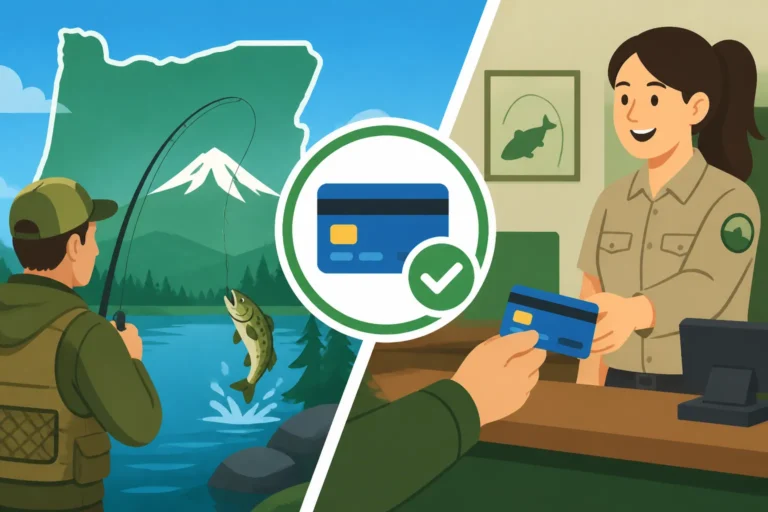
Alright, let's talk about the big one: the fishing license. Unless you're under the age of 12 or fishing during a designated free fishing weekend, you absolutely need an Oregon fishing license. There’s no getting around this, and attempting to do so can lead to hefty fines, spoiling your budget and your weekend. You can find comprehensive details in our Oregon Fishing License Guide.
The good news is, for a weekend trip, you don't necessarily need to spring for an annual license right away. The state of Oregon offers several short-term options that are far more economical for a quick getaway. For example, an Oregon 1-Day Fishing License is your absolute cheapest entry point. If you plan to fish both Saturday and Sunday, you might consider two separate 1-day licenses or look into Oregon Multi-Day Fishing License Options, if a 2-day license is available and provides a slight discount over buying two individual days. For a resident, a one-day angling license is typically around $23, while for a non-resident, it's about $28. This is a far cry from the annual nonresident license which can exceed $100.
Beyond the basic angling license, you might also encounter various "tags" or "endorsements." The most common is the Oregon Combined Angling Tag. This tag is required if you plan to keep certain species like salmon, steelhead, sturgeon, or halibut. If your goal for a budget weekend is simply to catch some abundant trout or panfish, you can happily skip this extra cost, saving yourself around $38. Seriously, just avoiding these species can significantly reduce your upfront expenses. You'll definitely want to review the Oregon Fishing Regulations Explained to be sure what species require what tags.
Another consideration, especially if you're thinking of supplementing your fishing with some crabbing or clamming (which can be a fantastic and affordable way to "fish" for dinner!), is the Oregon Shellfish License. This is a separate license required for harvesting shellfish. For a resident, it's usually around $10, and for non-residents, about $20. Again, weigh whether this activity is a must-do for your budget weekend. However, given the potential for a delicious, free meal, it can be a worthwhile investment. Just remember, even if you’re fishing from a dock or pier, if you're over the age of 12, you'll still need that angling license. This also answers the question, Do you need a fishing license to fish from a dock in Oregon? – yes, you most certainly do.
Essential Gear: Making Smart, Affordable Choices
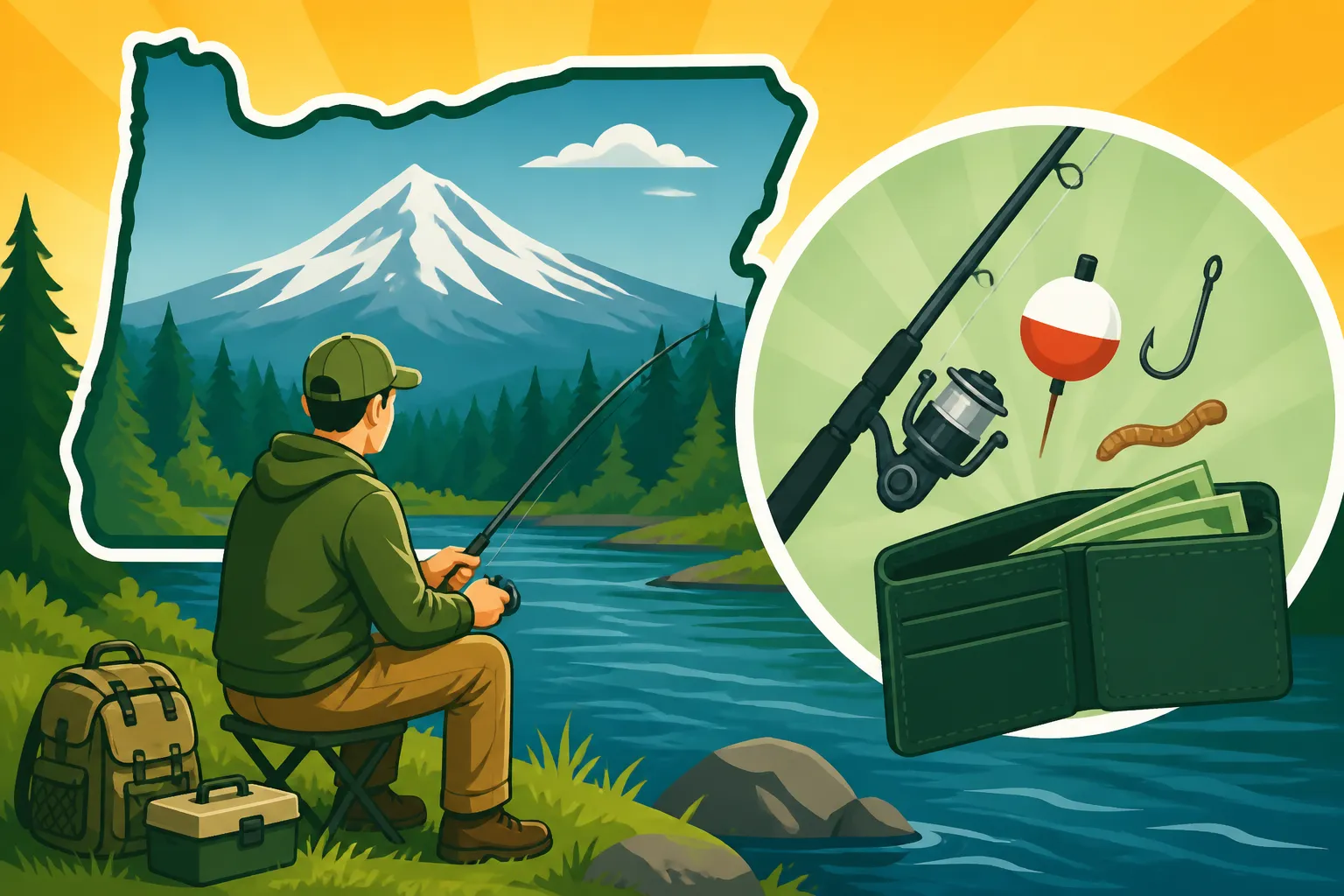
Now, let's talk tackle. You might envision needing a garage full of rods and reels, but for a budget-friendly weekend, simplicity is key. The absolute cheapest way to get gear is to borrow it from a friend or family member who already fishes. Most anglers have a spare rod or two lying around that they’d be happy to lend out for a weekend.
If borrowing isn't an option, don't fret. You don't need a high-end setup. Look for entry-level rod and reel combos. These can often be found for under $50, sometimes even less during sales. Big box stores like Walmart or sporting goods retailers often have these starter kits. You can also find incredibly budget-friendly options on platforms like Amazon, where a basic spinning rod and reel combo perfect for trout or panfish can be delivered right to your door.
When it comes to tackle, focus on versatility. A small selection of hooks, sinkers, bobbers, and a few basic lures (like small spinners or jigs) will get you far. You can grab a small tackle box or even just a cheap plastic container to keep them organized. Remember, the goal is to get fish on the line, not to look like you're sponsored by a major brand. Avoid buying specialized gear for specific species unless you're absolutely sure it's necessary and fits within your budget. Often, a simple worm under a bobber is just as effective, and certainly cheaper, than a complex crankbait.
Transportation and Lodging: Keeping it Local and Simple
The further you travel, the more gas you burn, and the more potential you have for needing overnight accommodations. The cheapest way to fish in Oregon for a weekend often means staying local. Scout out fishing spots within an hour or two of your home. This could be a local community pond, a small reservoir, or a section of a larger river with easy bank access.
When it comes to lodging, camping is almost always cheaper than a hotel, especially if you already own basic camping gear. Many state parks and national forests offer primitive campsites for a fraction of the cost of a motel room, or even free dispersed camping if you're truly adventurous and follow all local regulations. If camping isn't your style, consider a day trip. Wake up early, drive to your spot, fish all day, and drive home. This eliminates lodging costs entirely. Carpooling with friends or family who also want to fish can further cut down on gas expenses.
Lastly, focus on public access points. Avoid private lands that require access fees or designated boat ramps that charge a launching fee if you're not planning to launch a boat. Many rivers, lakes, and coastal areas have designated public areas perfect for bank fishing or simply wading in from shore.
Strategic Fishing for Maximum Weekend Value
Being strategic about how and where you fish can dramatically reduce costs and increase your chances of success on a budget.
Targeting Abundant and Accessible Species
One of the biggest budget-savers is choosing your target species wisely. As mentioned, avoiding salmon, steelhead, sturgeon, and halibut means you don't need the expensive Combined Angling Tag. Instead, focus on species that are plentiful, easy to catch, and don't require specialized gear.
- Stocked Trout: Oregon’s Department of Fish and Wildlife (ODFW) regularly stocks hundreds of lakes and ponds across the state with rainbow trout. These fish are often eager to bite and can be caught with very basic gear and bait like worms, PowerBait, or corn. You can find the stocking schedule on the ODFW website, giving you a huge advantage for planning a successful and cheap trip. Learn more about How to Catch Trout in Stocked Oregon Lakes and when to expect the Oregon Trout Season Opening Day. These stocked waters are often in easily accessible parks, minimizing travel time and making for a perfect family-friendly outing.
- Panfish: Species like crappie, bluegill, and yellow perch are abundant in many Oregon lakes and reservoirs. They’re usually quite small, but they make up for it in numbers and are incredibly fun to catch, especially for kids. A small hook, a bit of worm, and a bobber are often all you need. You can learn more about these fun species in our Oregon Panfish Guide.
- Bass: Smallmouth and largemouth bass are also widespread in many Oregon waters. While they can require slightly more active fishing techniques than trout or panfish, they don't typically require expensive tags, and can be caught on affordable lures like soft plastics or spinnerbaits.
Utilizing Public Access Points and Bank Fishing
As a budget angler, the bank is your best friend. Forget expensive boat rentals or charter trips. Oregon is blessed with an incredible amount of public land and water access.
Look for city parks, county parks, state parks, and wildlife areas that explicitly allow fishing. Many have designated fishing piers, docks, or easily accessible shorelines. The Willamette River, for instance, has numerous public parks along its banks, even within city limits, where you can cast a line. Reservoirs like Henry Hagg Lake are fantastic for bank fishing for trout, bass, and panfish. You can even find specifics on fishing locations like Best bank fishing spots near Portland Oregon. These spots usually offer free parking and easy walk-in access, cutting down on costs.
The Oregon Coast also offers fantastic opportunities for free bank fishing, especially for surfperch from sandy beaches, or crabbing from public docks in bays like Yaquina Bay or Tillamook Bay. Remember, if you're fishing from a public dock, you'll still need that basic angling license if you're over the age requirement.
Timing Your Trip: Free Fishing Weekends and Off-Peak Seasons
This is perhaps the ultimate hack for budget fishing in Oregon: Free Fishing Weekends. The Oregon Department of Fish and Wildlife designates a couple of weekends each year when no fishing license or tag is required to fish, crab, or clam anywhere in the state. This is an incredible opportunity to try fishing for the first time or introduce someone new to the sport without any financial commitment for licenses.
The dates for these weekends are usually announced well in advance. Keep an eye out for information on Oregon free fishing weekend dates for 2026 (or whatever the current year may be). During these weekends, all other fishing regulations (such as bag limits, size restrictions, and gear requirements) still apply, so make sure to check the current ODFW regulations. But the elimination of license costs makes these weekends the absolute cheapest way to fish. You might be wondering, Can I fish in Oregon without a license during free fishing weekend? – and the answer is a resounding YES!
Another way to save money on your trip is by considering off-peak seasons or weekdays if your schedule allows. While fishing might be fantastic during peak summer, popular spots can be crowded, and lodging (if you opt for it) can be more expensive. Fishing in the spring or fall, or even during a mild winter day for certain species, can offer a more solitary experience and potentially lower prices on any incidental costs like camping.
Gear & Bait on a Budget: Your Wallet's Best Friend
You don't need the latest and greatest to catch fish. Anglers have been catching fish for centuries with basic tools, and you can too.
Rod & Reel Combinations for Less
As mentioned earlier, an entry-level combo is your ticket to saving money. Brands like Shakespeare, Ugly Stik, and Daiwa often offer reliable and durable spinning combos for under $50, sometimes even closer to $30. These setups are perfectly adequate for casting light lures or bait for trout, panfish, and smaller bass. When shopping, look for combos that include line already spooled on the reel, as this saves you an extra purchase. Amazon is a great place to compare prices and read reviews for these budget-friendly options, often having several highly-rated kits readily available.
The key is versatility. A 6-foot to 7-foot medium-light spinning rod with a 2000 or 2500 series reel spooled with 6-8 pound monofilament line can handle most freshwater species you'd target on a budget trip. It's light enough for panfish, but has enough backbone for a decent-sized trout or bass.
DIY and Affordable Bait Options
This is where you can truly get creative and save a ton of cash.
- Worms: The classic, and for good reason! Digging up worms in your backyard is completely free. If that’s not an option, a container of nightcrawlers from a tackle shop or even a grocery store is usually only a few dollars and can last an entire weekend. Worms are irresistible to most freshwater fish, especially trout and panfish.
- Corn: Believe it or not, canned corn is a fantastic bait for stocked rainbow trout. A single can costs less than a dollar, and those bright yellow kernels are surprisingly effective.
- Dough Balls/Bread: Simple bread rolled into a ball or even homemade dough bait (flour, water, garlic powder for scent) can attract carp and some trout species. This is dirt cheap and often made from ingredients you already have in your kitchen.
- Affordable Lures: Instead of expensive, fancy lures, stick to the basics. Small inline spinners (Mepps, Rooster Tail, Panther Martin) and simple lead-head jigs with soft plastic bodies are incredibly effective and can often be purchased for just a few dollars each. A small assortment of these, perhaps three or four in different colors and sizes, will give you plenty of options without breaking the bank. You can even find multi-packs of these types of lures on Amazon for a great value. Check out our guide on the Best Bait for Oregon Trout Fishing for more ideas that won't cost an arm and a leg.
Essential Accessories, Not Extras
When you're on a budget, every dollar counts. Focus on the absolute essentials and leave the fancy gadgets at home.
- Small Tackle Box: A basic plastic tackle box with a few compartments to keep your hooks, sinkers, and lures organized is all you need. You can find these for under $10. Or, repurpose an old plastic container from home.
- Pliers/Hook Remover: A pair of needle-nose pliers is indispensable for removing hooks and cutting line. These are usually quite inexpensive.
- Stringer: If you plan on keeping fish for dinner (which is a great way to save money on food!), a simple stringer will keep your catch fresh in the water.
- Basic Comforts: Don't forget sunscreen, a hat, and a reusable water bottle. These aren't fishing-specific items, but they are crucial for an enjoyable day outdoors and will prevent unnecessary purchases once you're out there. A small cooler with ice for your lunch and any fish you decide to keep will also be a wise, though perhaps not fishing-specific, investment if you don't already own one.
Example Itineraries for a Budget Oregon Fishing Weekend
Let's put all this budget wisdom into action with a few hypothetical weekend plans.
The Local Park Pond Adventure
This is the ultimate low-cost, high-fun weekend.
Scenario: You live in the Willamette Valley (say, near Portland or Salem) and want a quick fishing fix without much travel.
Target Species: Stocked rainbow trout, crappie, bluegill.
Costs:
- License: One Oregon 1-Day Fishing License (or two if fishing Saturday and Sunday, if a 2-day option isn't cheaper). No tags needed.
- Gear: Borrowed rod and reel, or a $40 combo from a local store or Amazon. Small assortment of hooks, bobbers, sinkers, and a few small spinners.
- Bait: A tub of worms or a can of corn.
- Travel: Short drive to a local spot like Henry Hagg Lake, a pond in a city park like Salishan Pond in Keizer, or a lake outside of Bend like Trillium Lake for the day.
- Lodging: Day trip, so zero lodging costs. Pack a lunch and plenty of water.
Experience: Enjoy a peaceful day catching abundant stocked fish. These spots are often well-maintained, have restrooms, and are family-friendly. You can pack a picnic and make a full day of it. Read up on Henry Hagg Lake fish species list for what you might encounter.
Coastal Crabbing & Clamming (with a Shellfish License)
While not "fishing" in the traditional sense, harvesting shellfish is a fantastic and extremely affordable way to gather food and enjoy the coast.
Scenario: You're looking for a change of pace and want to bring home some fresh seafood.
Target Species: Dungeness crab, razor clams, bay clams.
Costs:
- License: A standalone Oregon Shellfish License cost for crabbing and clamming (around $10-20). No angling license needed unless you also plan to fish with a rod and reel.
- Gear: For crabbing, you can often rent crab rings or pots for a few dollars from bait shops in coastal towns like Newport or Garibaldi. Alternatively, an affordable crab ring can be purchased on Amazon. For clamming, a shovel or clam gun (also often available for rent or cheap purchase) and a bucket.
- Bait: Chicken parts (legs, thighs) or fish carcasses for crab pots – often very cheap or free from a butcher.
- Travel: Drive to a coastal bay like Yaquina Bay, Tillamook Bay, or Coos Bay.
- Lodging: Day trip, or budget camping at a nearby state park or private campground.
Experience: Spend a day on a public dock dropping crab rings (check tides!), or head to a sandy beach at low tide for razor clams. The thrill of finding your own dinner is immense, and you can end up with a delicious, free meal! Check out Yaquina Bay crabbing and fishing spots for local intel.
Free Fishing Weekend Bonanza
This is the ultimate budget hack, combining minimal costs with maximum opportunity.
Scenario: You heard it's an Oregon Free Fishing Weekend and you want to take full advantage.
Target Species: Anything that's biting! Trout, bass, panfish, even some warmwater species.
Costs:
- License: $0 (the best price!).
- Gear: Same budget gear as the park pond adventure.
- Bait: Worms, corn, or cheap lures.
- Travel: Choose a body of water that's easy to reach and known for good public access, like Detroit Lake, Fern Ridge Reservoir, or the Columbia River at an accessible park.
- Lodging: Day trip, or basic camping.
Experience: This is your chance to explore new waters or try fishing with a friend who might not have a license otherwise. Since you save on the license, you might even splurge on a slightly nicer lure or a pack of your favorite snacks. Make sure to check the exact Oregon free fishing weekend dates for 2026 (or the current year) to plan your trip.
| License Type | Resident 1-Day (approx.) | Non-Resident 1-Day (approx.) | Notes |
|---|---|---|---|
| Annual Angling | $44.00 | $110.00 | Not ideal for a single weekend trip. |
| 1-Day Angling | $23.00 | $28.00 | Most cost-effective for a single day. |
| 2-Day Angling | $44.00 | $56.00 | Good value for a full weekend (check specific options). |
| Shellfish | $10.00 | $20.00 | Required for crabbing/clamming, even with an angling license. |
| Combined Angling Tag | $38.00 | $38.00 | Required for salmon, steelhead, sturgeon, halibut. Avoid for budget trout/bass trips. |
| Free Fishing Days | $0 | $0 | The absolute cheapest! Check dates annually. |
Note: These are approximate costs for general illustration and are subject to change. Always check the official Oregon Department of Fish and Wildlife (ODFW) website for the most current prices and regulations before heading out.
Disclaimer
The information provided in this guide is for general informational purposes only and does not constitute legal advice. Fishing regulations in Oregon, including license requirements, seasons, and bag limits, can change frequently. It is the responsibility of every angler to consult the official Oregon Department of Fish and Wildlife (ODFW) regulations website or booklet before engaging in any fishing activity. Failure to comply with current regulations can result in fines or penalties.