Free Fishing License for Disabled Veterans in Oregon
It’s incredibly tough to navigate the maze of government programs and benefits, especially when you’ve already given so much for our country. Many disabled veterans in Oregon yearn for the peace and quiet of the state’s beautiful rivers and lakes, but the thought of deciphering license requirements and costs can feel like another daunting mission. This comprehensive guide is here to cut through the confusion, clearly explaining how disabled veterans can secure a free Oregon fishing license, ensuring you can enjoy the healing power of the outdoors without unnecessary hurdles.
Understanding Eligibility for Oregon's Disabled Veteran Fishing License
Oregon truly values the service and sacrifice of its veterans, and that appreciation extends to providing opportunities to enjoy the state's incredible natural resources. When it comes to fishing, there are specific provisions designed to make it more accessible for disabled veterans. It’s not just a blanket offer, though, so understanding the precise criteria is key to ensuring you qualify.
Defining "Disabled Veteran" in Oregon for Licensing Purposes
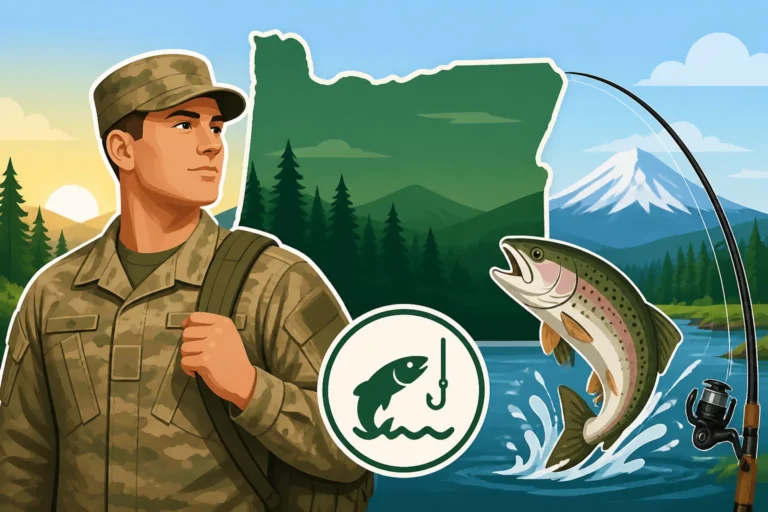
For the purposes of obtaining a free fishing license in Oregon, the term "disabled veteran" isn't just a general recognition of service and injury. The Oregon Department of Fish and Wildlife (ODFW) has a clear definition tied directly to your service-connected disability rating from the U.S. Department of Veterans Affairs (VA). To qualify, you must be an Oregon resident and have a service-connected disability rating of 40% or more. This percentage is critical, as anything less, even if you have multiple service-connected conditions, generally won't meet the state's threshold for this particular benefit.
This often means digging into your official VA documentation. It’s not enough to simply feel disabled or to have received an honorable discharge; the specific percentage rating for service-connected disabilities is what ODFW looks for. For instance, a veteran with a 30% service-connected rating for hearing loss and a 5% rating for a knee injury, even if their combined non-VA benefits acknowledge a higher overall impact, would likely not meet the 40% service-connected requirement for this fishing license. It’s a very specific administrative detail that can trip people up if they’re not aware.
Proof of Disability and Residency Requirements
Beyond the 40% service-connected disability rating, the ODFW also requires clear proof of both your disability status and your Oregon residency. For your disability, the most common and accepted form of verification is official documentation from the U.S. Department of Veterans Affairs. This usually comes in the form of a letter or award certificate from the VA that explicitly states your service-connected disability percentage. Make sure this document is current and clearly legible.
For residency, Oregon, like most states, has specific criteria to prevent non-residents from taking advantage of resident benefits. Generally, you must have resided in Oregon for at least six consecutive months immediately prior to applying for the license. This isn't just about having an Oregon address; it's about demonstrating a genuine intent to live in the state. Accepted proofs of residency can include a valid Oregon driver's license or state ID card, voter registration, vehicle registration, or utility bills in your name at an Oregon address. If you're an active-duty military member stationed in Oregon but maintain residency elsewhere, there might be different considerations, which are typically outlined under the broader Oregon Fishing License for Active Military guidelines. Always be prepared to provide more than one form of proof if there's any ambiguity.
Understanding Service-Connected vs. Non-Service-Connected Disabilities
This is a point of frequent confusion, and it’s really important to get it right. The key differentiator for Oregon's free disabled veteran fishing license is that the disability must be service-connected. This means the VA has determined your injury or illness was incurred or aggravated during your military service. If you have a disability that developed after your service, or one that is not recognized by the VA as directly related to your time in uniform, it’s considered non-service-connected. Even if that non-service-connected disability severely impacts your life, it won't count towards the 40% threshold for this specific benefit.
For example, a veteran might have a 20% service-connected rating for PTSD from combat and later develop severe arthritis that is not recognized as service-connected, bringing their overall health challenges to a much higher level. While deeply impactful, only the 20% service-connected portion would apply to the ODFW's criteria. This distinction sometimes feels unfair, but it’s a standard administrative line drawn by many state and federal programs. It’s essential to review your VA compensation and pension letters carefully to confirm your service-connected percentage. If you believe your rating is incorrect or should be higher, seeking assistance from a Veteran Service Officer (VSO) can be incredibly helpful in understanding your options.
The Application Process: Step-by-Step for Disabled Veterans
Navigating the application process can feel like another hurdle, but with the right information and preparation, it can be quite straightforward. The Oregon Department of Fish and Wildlife (ODFW) has streamlined the process to make it as accessible as possible for veterans who qualify.
Gathering Necessary Documentation
Before you even start filling out forms, the most crucial step is to collect all the required paperwork. This will save you immense frustration later on. You'll need:
- Proof of your VA service-connected disability rating: This is usually a letter from the VA explicitly stating your disability percentage. It must show a minimum of 40% service-connected disability. Ensure the letter is dated and clearly identifies you.
- Proof of Oregon residency: A valid Oregon driver's license or state ID card is generally the easiest and most preferred method. If you don't have one, other documents like voter registration, vehicle registration, or recent utility bills with your name and Oregon address can work. Remember, you need to show residency for at least six consecutive months.
- Your social security number: This is required for all ODFW license applications for identification purposes.
- Basic personal information: Your full name, date of birth, mailing address, and contact information.
Having these documents neatly organized before you begin will make the application flow much smoother. It’s a good idea to make copies for your records too, just in case.
Submitting Your Application: Online, Mail, or In-Person
Oregon offers several convenient ways to submit your application for the free disabled veteran fishing license, allowing you to choose the method that best suits your needs and comfort level.
- Online: The ODFW website is increasingly the most efficient way to handle licensing. While you might not be able to apply for the free veteran license entirely online from scratch (as it requires disability verification), you can often manage your account and potentially renew in subsequent years if your disability status remains unchanged and verified. For initial applications requiring disability verification, you typically need to mail in documentation or apply in person. However, many components of the Oregon Fishing License Guide can be managed through the online portal once your initial free license is established.
- Mail: This is a common method for initial applications requiring disability verification. You’ll need to download the specific application form from the ODFW website (often labeled something like "Disabled Veteran Combination License Application"), fill it out completely, attach clear copies of your VA disability letter and residency proof, and mail it to the ODFW licensing division. Always send copies, not originals, of your supporting documents.
- In-Person: If you prefer face-to-face assistance or have questions, visiting an ODFW office or a licensed vendor (like many sporting goods stores) can be a good option. They can help you with the form, verify your documents, and issue the license on the spot. This can be particularly helpful if you have unique circumstances or need immediate clarification. Remember, not all vendors are equipped to process all types of specialty licenses, so it's wise to call ahead to your local ODFW office or a major vendor like Sportsman's Warehouse or Cabela's to confirm they can assist with a disabled veteran license. This method can sometimes be quicker than mailing, as you get immediate confirmation.
Processing Times and What to Expect
The processing time for your free disabled veteran fishing license can vary depending on the method of submission and the time of year. If you apply in person at an ODFW office or a well-equipped vendor, you might walk out with your license the same day, assuming all your documentation is in order.
However, if you mail in your application, expect a longer turnaround. It can take anywhere from a few weeks to over a month, especially during peak seasons like spring and early summer when many anglers are purchasing or renewing their licenses. It’s always best to apply well in advance of when you plan to go fishing to avoid any disappointment. The ODFW aims to process applications efficiently, but verifying disability status and residency can take time. If you've been waiting an unusually long time, you can reach out to the ODFW licensing division directly for a status update. Patience is key here, but proactive communication can sometimes help if there's a delay.
What the Free License Covers and What It Doesn't
A common misconception among anglers, especially those new to Oregon's licensing system, is that a "free license" covers absolutely everything. While the disabled veteran's angling license is a fantastic benefit, it's important to understand its specific scope to avoid any surprises or potential violations out on the water. Oregon's fishing regulations are often complex, and this license is a great start, but not always the complete picture.
Base Angling License Privileges
The free fishing license for disabled veterans in Oregon primarily grants you the privileges of a standard annual angling license. This means you can fish for most freshwater and saltwater species that are open during their respective seasons and in designated areas, adhering to all general Oregon Fishing Regulations Explained, bag limits, and gear restrictions. This includes popular species like trout, bass, panfish, and many ocean fish species (within general limits).
It’s your foundational pass to enjoy the vast fishing opportunities Oregon offers, from casting for rainbow trout in a mountain lake to bottom fishing for rockfish off the coast. This base license is what most casual anglers would purchase, and it's certainly a significant saving, allowing you to enjoy countless days on the water without the recurring annual cost of the basic permit.
Required Endorsements and Tags
Here’s where it gets a little more nuanced. While the base angling license is free, it typically does not cover specialized tags and endorsements that are required for specific high-value species or fishing areas. This is a critical distinction that many veterans, understandably, overlook. These additional items are usually sold separately and still need to be purchased, even if you have a free base license.
The most common additional requirements you might encounter include:
- Combined Angling Tag: If you plan to fish for salmon, steelhead, or sturgeon, you will need to purchase a Oregon Combined Angling Tag Guide. This tag is mandatory for retaining these species and is where you record your catch. This is one of the most frequently missed requirements, leading to potential fines if an angler is caught with salmon or steelhead without it.
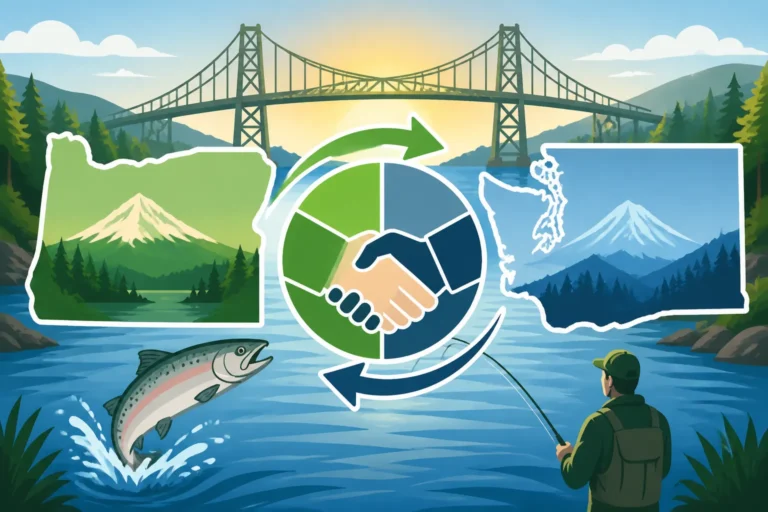
- Columbia River Basin Endorsement: If you plan to fish in the Columbia River or its tributaries for salmon, steelhead, or sturgeon, this endorsement is often required in addition to the Combined Angling Tag. This is due to specific management agreements with Washington State.
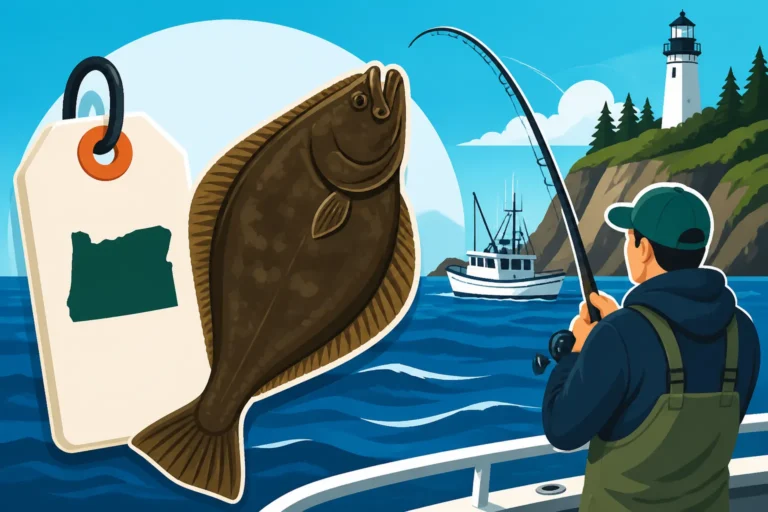
- Halibut Tag: For those venturing out for Pacific halibut, a separate halibut tag is necessary.
- Shellfish License: If crabbing or clamming is on your agenda, you'll need an Oregon Shellfish License.
So, while your base angling privilege is covered, budgeting for these additional tags is essential if your fishing interests extend to these specific, often highly sought-after, species. Think of the free license as your entry ticket, but these tags are like special passes for premium attractions.
Exclusions and Special Regulations
Beyond the endorsements and tags, there are other important exclusions and special regulations to be aware of. Your free license doesn't exempt you from abiding by all other Oregon fishing laws. This includes:
- Bag Limits: The number of fish you can keep per day or season.
- Size Limits: Minimum or maximum lengths for certain species.
- Season Dates: When specific fisheries are open or closed.
- Gear Restrictions: Rules about bait, lures, barbless hooks, or specific types of fishing methods in certain waters.
- Catch Record Card Requirements: Even with a free license, you are still required to possess and fill out any Oregon Catch Record Card Requirements for species like salmon, steelhead, sturgeon, and halibut. Failure to properly record your catch can result in fines.
- Private Land or Special Permit Areas: Your license grants you access to public waters, but if you're fishing on private land, you still need permission from the landowner. Some very specific, highly regulated fisheries might also require additional permits beyond standard ODFW licenses, though these are rare for general angling.
Always consult the current year's Oregon Sport Fishing Regulations handbook, which you can often find at ODFW offices, sporting goods stores, or download as a PDF from their website. It’s your Bible for what’s legal and what’s not, and regulations can change annually or even mid-season due to conservation efforts.
Here's a quick summary table to help clarify:
| License/Permit Type | Covered by Free Disabled Veteran Angling License? | Notes |
|---|---|---|
| Annual Angling License | YES (Base Privilege) | Allows fishing for most general species in freshwater and saltwater. |
| Combined Angling Tag | NO | Required for keeping salmon, steelhead, and sturgeon. Must be purchased separately. |
| Columbia River Basin End. | NO | Required for fishing salmon, steelhead, or sturgeon in the Columbia River Basin. Must be purchased separately. |
| Halibut Tag | NO | Required for keeping Pacific halibut. Must be purchased separately. |
| Shellfish License | NO | Required for crabbing and clamming. Must be purchased separately. |
| Ocean Endorsement | YES (Typically Included) | Usually part of the general angling license, allowing ocean fishing beyond estuaries. Verify with ODFW if unsure. |
| Other Regulations | NO (Still Apply) | All bag limits, size limits, seasons, and gear restrictions still apply. |
Beyond the License: Additional Benefits and Resources
Getting your free fishing license is a fantastic first step, but Oregon offers a supportive environment for disabled veterans that extends beyond just the permit itself. There are other considerations, specialized permits, and resources available to ensure your fishing experience is as enjoyable and accessible as possible.
Other Permits and Tags for Disabled Anglers
While the free angling license is specific to veterans with a 40% or more service-connected disability, Oregon also has a broader program for individuals with disabilities, known as the Oregon Disabilities Hunting and Fishing Permit. This permit offers additional accommodations, such as allowing a companion to assist with hunting or fishing activities, or permitting the use of certain adaptive equipment. While it's a separate permit and not the free veteran license itself, qualifying disabled veterans may find these additional provisions beneficial. It's worth looking into if you need assistance on your fishing trips.
Furthermore, it's important to remember that even with your free angling license, you still need to purchase species-specific tags if you're targeting salmon, steelhead, sturgeon, or halibut. These tags come with their own set of regulations and harvest reporting requirements. For instance, successfully landing a beautiful spring Chinook in the Willamette River will still require you to have purchased and filled out the appropriate portion of your Combined Angling Tag. These aren't just bureaucratic hurdles; they're vital tools for ODFW to manage fish populations and ensure sustainable fishing for future generations.
Accessible Fishing Locations in Oregon
Oregon boasts an incredible array of fishing spots, and thankfully, efforts are continuously being made to improve accessibility. Many state parks, county parks, and ODFW-managed sites now feature accessible fishing piers, paved pathways, and facilities designed for individuals with mobility challenges. Places like Blue Lake Regional Park near Portland, with its accessible fishing dock, or certain sections of the Willamette River and coastal bays, often have features that make it easier for all anglers to enjoy the sport.
When planning your trip, consider looking for locations that are specifically marked as accessible. Websites for the ODFW and Oregon State Parks often provide details on these amenities. Many popular fishing spots like Diamond Lake, Henry Hagg Lake, or even certain jetties along the Oregon Coast are working to be more inclusive. You might find a great list of options by searching for Best Places to Fish in Oregon and then cross-referencing with accessibility information. Don't be afraid to call ahead to a specific park or recreation area to inquire about their current accessibility features.
Community Support and Organizations
You are not alone in your passion for fishing, and there's a vibrant community ready to support you. Several organizations in Oregon focus on getting veterans and individuals with disabilities out on the water. Groups like Project Healing Waters Fly Fishing, for example, offer free fly fishing education, equipment, and outings to disabled veterans. These programs provide not only fishing opportunities but also invaluable camaraderie, mentorship, and a chance to heal through nature.
Connecting with these organizations can open doors to guided trips, adaptive equipment suggestions, and a network of fellow anglers who understand your unique challenges. They often have resources for specialized gear, like adaptive rod holders or comfortable seating options, which you might find on platforms like Amazon. These groups can also be excellent resources for understanding the nuances of Oregon Fishing Techniques for Beginners or even advanced strategies tailored to various physical capabilities. Don't hesitate to seek out these communities; they are a fantastic resource for veterans looking to re-engage with the outdoors.
Maintaining Your Eligibility and License Renewal
Once you've successfully obtained your free disabled veteran fishing license, the next step is understanding how to keep it valid and what to do when it's time to renew. It's a privilege, and like any privilege, there are responsibilities to ensure you continue to qualify and enjoy it without interruption.
Annual Renewal Process
Oregon fishing licenses typically run on a calendar year, expiring on December 31st, regardless of when you purchased them during the year. So, your free disabled veteran license will also need to be renewed annually. The good news is that if your service-connected disability status remains unchanged, the renewal process is usually much simpler than the initial application.
You can often renew your license online through the ODFW licensing system. They usually send out reminders, but it's always a good practice to set your own reminder. The system might require you to re-verify your residency, but typically, your disability documentation from the VA won't need to be resubmitted every single year unless there's been a change in your status or ODFW requests updated information. Many vendors where you can buy an Oregon Annual Angling License can also assist with renewals. Just ensure you present your current ID and provide any requested information to confirm your continued eligibility.
Reporting Changes in Disability Status
It's your responsibility to inform the ODFW if there are any significant changes to your VA service-connected disability rating that might affect your eligibility. For example, if your rating drops below the 40% service-connected threshold, you would no longer qualify for the free license. While this is certainly not a situation anyone hopes for, honesty and compliance are paramount.
Failing to report such changes and continuing to use a license for which you no longer qualify could lead to fines or penalties for fishing without a valid license. This is also important if you transition from an out-of-state resident status to an Oregon resident and need to update your license information, as detailed in the general Oregon Fishing License Guide. The ODFW relies on accurate information to manage resources and ensure fair access for everyone.
Understanding Expiration Dates
As mentioned, Oregon fishing licenses, including the free disabled veteran angling license, typically expire on December 31st of the year they are issued. This can be a bit tricky if you get your license in the late fall, as it will only be valid for a couple of months before needing renewal. It’s not like a driver’s license that renews on your birthday.
Always double-check the expiration date printed on your license. Fishing with an expired license, even unintentionally, can lead to the same penalties as fishing without a license at all. Make it a habit to check your license and tags at the beginning of each calendar year. Planning your fishing outings around the Oregon Fishing Season Dates and Limits and ensuring your license is current will prevent any unwelcome encounters with game wardens and keep your fishing experience stress-free.
Tips for a Great Fishing Experience
Getting your free disabled veteran fishing license is a fantastic step, but it's just the beginning. To truly make the most of your time on Oregon's beautiful waters, a little planning and the right mindset can go a long way.
Gear Recommendations for Disabled Veterans
Comfort and convenience are paramount, especially when navigating physical challenges. Your gear choices can significantly impact your enjoyment. Consider investing in:
- Lightweight, easy-to-handle rods and reels: Look for graphite rods and reels that are smooth and require less effort to cast and retrieve.
- Comfortable seating: A sturdy, portable chair or a boat seat with good back support can make long hours on the bank or in a boat much more pleasant. You can find excellent options on Amazon, often with features like built-in storage or rod holders.
- Adaptive fishing equipment: There's a growing market for specialized gear designed to assist anglers with disabilities. This includes rod holders that attach to wheelchairs, one-handed casting aids, or electric reels. Explore what's available to suit your specific needs.
- Layered clothing: Oregon weather can be famously unpredictable, even during the summer. Dressing in layers, with good rain gear, will ensure you stay comfortable no matter what Mother Nature throws at you. A good, waterproof jacket and pants are almost always a wise investment.
- A well-stocked tackle box or vest: Keep your essential lures, weights, hooks, and tools organized and easily accessible. A fishing vest with plenty of pockets, perhaps one you scouted on Amazon, can keep everything close at hand and reduce the need to bend or reach for a separate tackle box.
Remember, the goal is to reduce physical strain and maximize your ability to focus on the joy of fishing.
Planning Your Trip: Resources and Support
Careful planning can turn a good fishing trip into a great one. Don't underestimate the power of research:
- Check the ODFW weekly recreation reports: These reports provide up-to-date information on what's biting, where, and what conditions are like in various rivers, lakes, and coastal areas. This is invaluable for targeting specific species and locations.
- Consult local bait and tackle shops: These small businesses are treasure troves of local knowledge. The folks behind the counter live and breathe fishing in their area and can offer invaluable advice on hotspots, effective baits, and current conditions. They often know about lesser-known, accessible spots too.
- Utilize online forums and social media groups: Many online communities are dedicated to Oregon fishing, and disabled veteran anglers share tips, experiences, and support. This can be a great way to learn about new spots or adaptive techniques.
- Consider a guided trip: Especially for new or challenging waters, hiring an Oregon Fishing Guide Services can be a fantastic investment. Many guides are experienced in accommodating anglers with diverse needs and can provide all the necessary gear and expertise, taking the stress out of planning.
Making the Most of Your Free License
Your free license is a wonderful benefit, so use it! Don't let it sit unused.
- Explore new waters: Oregon has an incredible diversity of fisheries, from high mountain lakes to vast coastal bays. Your license opens up all these possibilities. Consider trying out different environments and targeting various species throughout the year. The Oregon Fishing License Types Explained can help you understand the full range of opportunities.
- Introduce others to fishing: Share your passion! Fishing can be a great way to connect with family and friends, and teaching someone else to fish is incredibly rewarding. Remember that children often have specific Oregon Fishing License Age Requirements.
- Practice ethical angling: Always respect the resource, follow catch and release guidelines for protected species, and properly dispose of all trash. The future of fishing depends on all of us being good stewards of the environment.
The free fishing license for disabled veterans in Oregon isn't just a piece of paper; it's an invitation to reconnect with nature, find peace, and enjoy the therapeutic benefits of being on the water. We hope this guide helps you navigate the process smoothly and get out there to create some wonderful fishing memories.
Disclaimer
The information provided in this guide is for general informational purposes only and is subject to change. While we strive to provide accurate and up-to-date information, fishing regulations and licensing requirements can change at any time. It is the responsibility of the individual angler to consult the official Oregon Department of Fish and Wildlife (ODFW) regulations and website for the most current and specific information before engaging in any fishing activities. This guide does not constitute legal advice.