Are tiger muskie dangerous?
For many folks venturing out onto Oregon's beautiful waterways, there's often a bit of apprehension about the unknown. We've all heard whispers of big, toothy predators lurking in the depths, and the tiger muskie certainly has a reputation that precedes it. It's completely understandable to wonder if these formidable fish pose a threat. This guide will dive deep into the world of the Oregon tiger muskie, examining their nature, their impact, and whether they are truly as "dangerous" as they might seem, helping you approach these incredible fish with confidence and respect.
Understanding the Tiger Muskie: A Closer Look
The tiger muskie is one of Oregon's most intriguing, and perhaps most misunderstood, fish species. Its very name conjures images of striped predators, and for good reason. But to truly understand if they are dangerous, we first need to get to know them a little better.
What Exactly is a Tiger Muskie?
Let's clear up a common misconception right away: the tiger muskie isn't a naturally occurring species that evolved in Oregon's rivers and lakes. Instead, it’s a fascinating hybrid, a cross between two other well-known freshwater predators: the muskellunge and the northern pike. Think of them as a "designer fish," intentionally created for specific purposes. Because they are a hybrid, they are sterile, meaning they cannot reproduce on their own. This is a crucial detail for fisheries management, as it allows for controlled stocking without the risk of an unchecked population explosion.
In Oregon, these fish were introduced into certain waters primarily to provide a unique and challenging sport fishing opportunity, and in some instances, to help manage populations of other less desirable fish species. Their hybrid vigor often results in faster growth rates and a more aggressive feeding response than either of their parent species. They're built for the hunt, and every aspect of their biology reflects that. If you've ever wondered How did tiger muskie get into Oregon lakes, their hybrid nature is a big part of the answer!
Physical Characteristics and Size
When you see a tiger muskie, there's no mistaking its formidable presence. They possess the classic elongated, cylindrical body shape of their pike and muskie relatives, perfectly adapted for explosive bursts of speed. Their coloration is usually a distinct pattern of dark, irregular vertical bars or blotches on a lighter, often greenish or brownish, background – giving them that characteristic "tiger" stripe appearance. This camouflage allows them to blend seamlessly into submerged vegetation and ambush their prey.
But the most striking feature, and often the source of angler apprehension, is their mouth. It's large, broad, and equipped with a truly impressive arsenal of teeth. The front of their jaws are lined with rows of sharp, conical teeth, perfect for gripping slippery prey. Further back, they have smaller, needle-like teeth on their palate, acting like sandpaper to ensure anything caught doesn't escape. These aren't just a few teeth; we're talking about hundreds of sharp points. Oregon tiger muskie can grow to impressive sizes, with many anglers reporting catches in the 30-pound range or even larger, and lengths easily exceeding 40 inches. Hooking into a fish of that magnitude is a thrilling experience, but it’s one that absolutely demands respect for their power and natural weaponry.
Natural Habitat in Oregon
In Oregon, if you're looking for tiger muskie, there's one primary destination that stands out: Lake Billy Chinook. This expansive reservoir, nestled in Central Oregon at the confluence of the Deschutes, Crooked, and Metolius rivers, offers the ideal habitat for these impressive predators. The lake's deep, cool waters and abundant forage fish, such as kokanee salmon and various suckers, create a perfect environment for muskie to thrive.
Their introduction into Lake Billy Chinook was a deliberate move to establish a trophy sport fishery that attracts anglers from across the region and beyond. While they've certainly made a name for themselves in this particular body of water, their sterile nature and careful management mean you won't typically find them spreading throughout other river systems in Oregon. This localized presence allows for close monitoring and ensures they remain a prized target for those seeking a truly unique angling challenge. Planning a trip to this fishing hotspot? Our Lake Billy Chinook Fishing Guide can give you all the specifics you need for a successful outing.
Assessing the "Danger" Factor for Humans
The image of a large, toothy predator naturally brings up questions of safety. Let's tackle the "danger" question head-on, separating myth from reality when it comes to tiger muskie and people.
Are They Aggressive Towards People?
The straight answer is no, tiger muskie are not naturally aggressive towards humans. This isn't a shark you're dealing with; muskie are ambush predators whose entire existence revolves around eating other fish. They don't recognize humans as food, nor do they typically display territorial aggression towards swimmers or boaters. There are simply no credible accounts of tiger muskie launching unprovoked attacks on people in the water. Their instinct, like most wild animals, is to avoid large, unfamiliar creatures – which is us!
However, it's always wise to exercise common sense. If you're swimming in an area where muskie are actively feeding, especially if you're creating a lot of splashing and commotion that mimics struggling prey, there's a theoretical, extremely remote possibility of a mistaken identity strike. But let's be realistic: the chances are infinitesimally small. The real point of concern isn't about them hunting you; it's about the interaction you have with them if you're lucky enough to hook one. This is where the real "danger" lies for anglers.
The Real Risk: Handling and Hooks
When anglers talk about the "danger" of a tiger muskie, they're almost always referring to the risks involved in landing, handling, and releasing these powerful fish. Let's face it: a fish that can grow over three feet long, weigh 30 pounds, and has a mouth full of hundreds of needle-sharp teeth is not to be trifled with. A thrashing muskie in a boat, on the bank, or even in the net, can quickly become a chaotic situation.
The most common injuries sustained by muskie anglers come from those formidable teeth or, perhaps even more frequently, from hooks. Many muskie lures feature multiple large treble hooks, which can become entangled in the net, the fish, or, unfortunately, your hand or clothing if the fish makes a sudden move. Imagine a fish that powerful, with hooks designed to hold tight, suddenly shaking its head. It’s a recipe for cuts, punctures, and other unpleasant surprises. This is why specialized equipment and careful technique are absolutely non-negotiable when targeting these fish. It's not about the fish being "mean" or "aggressive" towards you, but rather about its natural defense mechanisms and raw power causing unintentional harm in a high-stress situation.
Protecting Yourself While Fishing
To mitigate the risks and ensure a safe, enjoyable experience for both you and the fish, preparation is paramount. When heading out for tiger muskie, you'll want to have some specific tools on hand. A large, sturdy landing net or a muskie cradle is essential. This allows you to control the fish safely, ideally keeping it in the water, while you prepare for hook removal. Trying to boat or beach a muskie without one can lead to unnecessary stress for the fish and a dangerous situation for you.
Next, invest in long-nosed pliers, and for deeper-set hooks, a jaw spreader is an absolute lifesaver. This tool keeps the muskie's mouth open, giving you clear access to the hooks without putting your fingers in harm's way. Heavy-duty bolt or side cutters are also critical; if a hook is deeply embedded and removal would cause excessive trauma, it's often better to cut the hook and leave a small piece in the fish, which it can often shed or encapsulate. Many dedicated muskie anglers also wear heavy-duty gloves, especially when handling the fish for a quick photo or release, adding another layer of protection. You can find a wide range of these specialized tools, from tough landing nets to robust jaw spreaders, on platforms like Amazon, making it easy to equip yourself properly. Beyond the gear, understanding Oregon Fishing Techniques for Beginners can lay a solid foundation for safely handling any large fish.
Impact on Other Fish Species and Ecosystem
Tiger muskie are apex predators, and their presence in any ecosystem naturally raises questions about their impact on other fish species. Understanding this ecological role is key to appreciating their managed existence in Oregon.
Predatory Nature and Diet
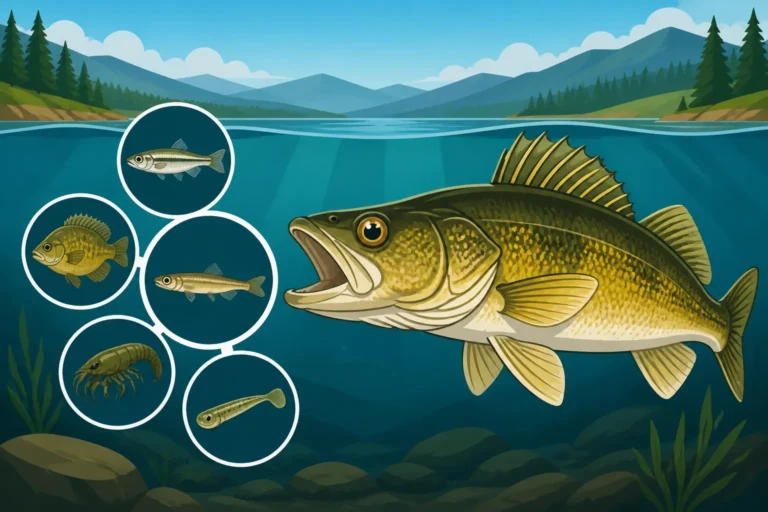
As we've discussed, tiger muskie are built to hunt. Their diet consists almost exclusively of other fish, making them effective biological controls in certain environments. In Lake Billy Chinook, for instance, they are known to prey heavily on kokanee salmon, various sucker species, and other abundant baitfish. They employ a classic ambush strategy, lurking in areas of structure like submerged timber, rock ledges, or weed lines, waiting for an unsuspecting meal to swim by. Once a target is identified, they unleash a rapid, explosive strike, engulfing their prey in a flash.
This highly efficient predatory behavior is precisely why they are used as a management tool. In some waters, overpopulation of certain species can negatively impact water quality or other desirable fish populations. By introducing a top-tier predator like the tiger muskie, managers can help keep these populations in check, promoting a healthier overall ecosystem balance. However, their voracious appetite means that any introduction must be carefully planned and monitored to prevent unintended consequences for native or sensitive fish species.
Their Role in Oregon's Fisheries Management
The decision to introduce tiger muskie into Oregon waters, specifically Lake Billy Chinook, was a calculated move by the state's fishery managers. Their primary goals were twofold: to establish a unique and thrilling trophy sport fishery that would attract anglers, and to utilize their predatory nature to help manage populations of other fish. Because tiger muskie are sterile hybrids, they cannot naturally reproduce. This sterility is a critical aspect of their management, as it allows fishery agencies to maintain strict control over their numbers and distribution.
This controlled approach prevents the muskie from establishing self-sustaining populations in areas where they might compete with or prey upon protected native species, such as wild salmon and steelhead. By actively stocking them and monitoring their populations, managers can ensure that the tiger muskie fishery remains vibrant and healthy, while also safeguarding the ecological integrity of Oregon's other valuable aquatic resources. This careful balance is a testament to thoughtful fisheries management, ensuring both exciting angling opportunities and environmental protection. For more insights into how species are managed, learning about Oregon Fishing Regulations Explained can provide a broader context. Detailed information like What is the daily limit for tiger muskie in Oregon further highlights this managed approach.
Responsible Angling and Coexistence
Successfully and safely fishing for tiger muskie requires a commitment to responsible angling practices. This means not only protecting yourself but also ensuring the health and future of these magnificent fish.
Best Practices for Catch and Release
Given the emphasis on trophy fishing and their managed populations, most tiger muskie angling in Oregon is catch-and-release. To ensure the highest survival rate for these powerful fish, responsible catch-and-release techniques are paramount. First, use tackle that is appropriately heavy for the size of fish you might encounter. This allows you to land the fish more quickly, minimizing the fight time and reducing stress and exhaustion for the muskie. Prolonging the fight with light gear can significantly decrease their chances of survival after release.
Once the fish is landed, keep it in the water as much as possible. A large net or muskie cradle allows you to handle the fish without completely removing it from its life-sustaining environment. Avoid holding large muskie vertically by their jaw, as this can cause severe damage to their spine and internal organs. Instead, support their body horizontally, ideally with one hand under their belly and the other gently gripping the lower jaw. Use your long-nosed pliers or hook removers to extract hooks quickly and carefully. If a hook is deeply embedded and cannot be removed without causing excessive harm, it is almost always better to cut the hook with bolt cutters and leave a small piece in the fish. Fish can often encapsulate or shed small pieces of metal, but severe tissue damage from aggressive hook removal is much more detrimental. Get a quick photo if you wish, but prioritize getting the fish back into the water promptly, allowing it to recover and swim away strong. This kind of care ensures that the next angler, or even you again, might have a chance to encounter it another day. For other challenging species, principles from Oregon Salmon Fishing Techniques and Oregon Steelhead Fishing Techniques often share similar catch-and-release philosophies.
Essential Gear for Safe Handling
We’ve touched on this a bit, but it bears repeating: the right gear isn't just helpful, it's essential for safe and responsible tiger muskie fishing. Beyond your stout rod and reel, a large, rubberized landing net or a muskie cradle is your number one tool for bringing these fish boat-side or bank-side safely. The rubberized mesh is kinder to the fish's protective slime coat and reduces tangles.
For hook removal, don't skimp on quality. A sturdy jaw spreader is indispensable for keeping that formidable mouth open, giving you unimpeded access to the hooks without risking your fingers. Couple this with a pair of long-handled, heavy-duty pliers or specialized hook removers. You'll need the reach and leverage to deal with potentially deeply set hooks. And for those worst-case scenarios, a good pair of bolt or side cutters is crucial for quickly severing hooks that are too embedded to remove cleanly. Many experienced muskie anglers also wear heavy-duty fishing gloves – the kind designed for handling toothy fish – to provide an extra layer of protection from teeth, gills, and fins. Investing in these tools, which are readily available from retailers like Amazon, is an investment in your safety and the longevity of the tiger muskie fishery. You'll find that having the right equipment makes the experience much more enjoyable and less stressful for everyone involved. For a broader look at tools and lures, consult an Oregon Bait and Lure Guide. If you're hoping to set a personal best or even a state record, understanding these handling techniques is vital, as noted in the Oregon Record Fish Guide.
| Tool | Purpose | Why It's Essential |
|---|---|---|
| Large Landing Net | Safely secure fish in water or boat | Prevents injury to fish and angler; controls thrashing |
| Jaw Spreader | Keeps mouth open for hook removal | Protects hands from sharp teeth, ensures clear access |
| Long-Nosed Pliers | Reaching and removing hooks | Provides leverage and distance from teeth |
| Bolt or Side Cutters | Cutting deeply embedded hooks | Minimizes fish trauma; safer than prying a stuck hook |
| Heavy-Duty Gloves | Protecting hands from teeth, gills, and fins | Adds an extra layer of defense for handling |
Ultimately, are tiger muskie dangerous? Not in the way a wild animal actively preying on humans is. They are dangerous if mishandled, if you're unprepared for their power, or if you don't respect their natural defenses. With the right knowledge, gear, and a healthy dose of respect, targeting tiger muskie in Oregon can be one of the most exciting and rewarding angling experiences you can have. Just be ready for a fight, and always prioritize safety for both yourself and this incredible fish. Before you head out, make sure you're up to date on all regulations, perhaps by reviewing your Oregon Fishing License Guide. And for the ultimate challenge, understanding the Best technique for catching tiger muskie will certainly serve you well.
Disclaimer
This article is for general informational purposes only and does not constitute professional advice. Laws, prices and regulations vary by location and change over time. Consult a qualified professional for guidance on your specific situation.