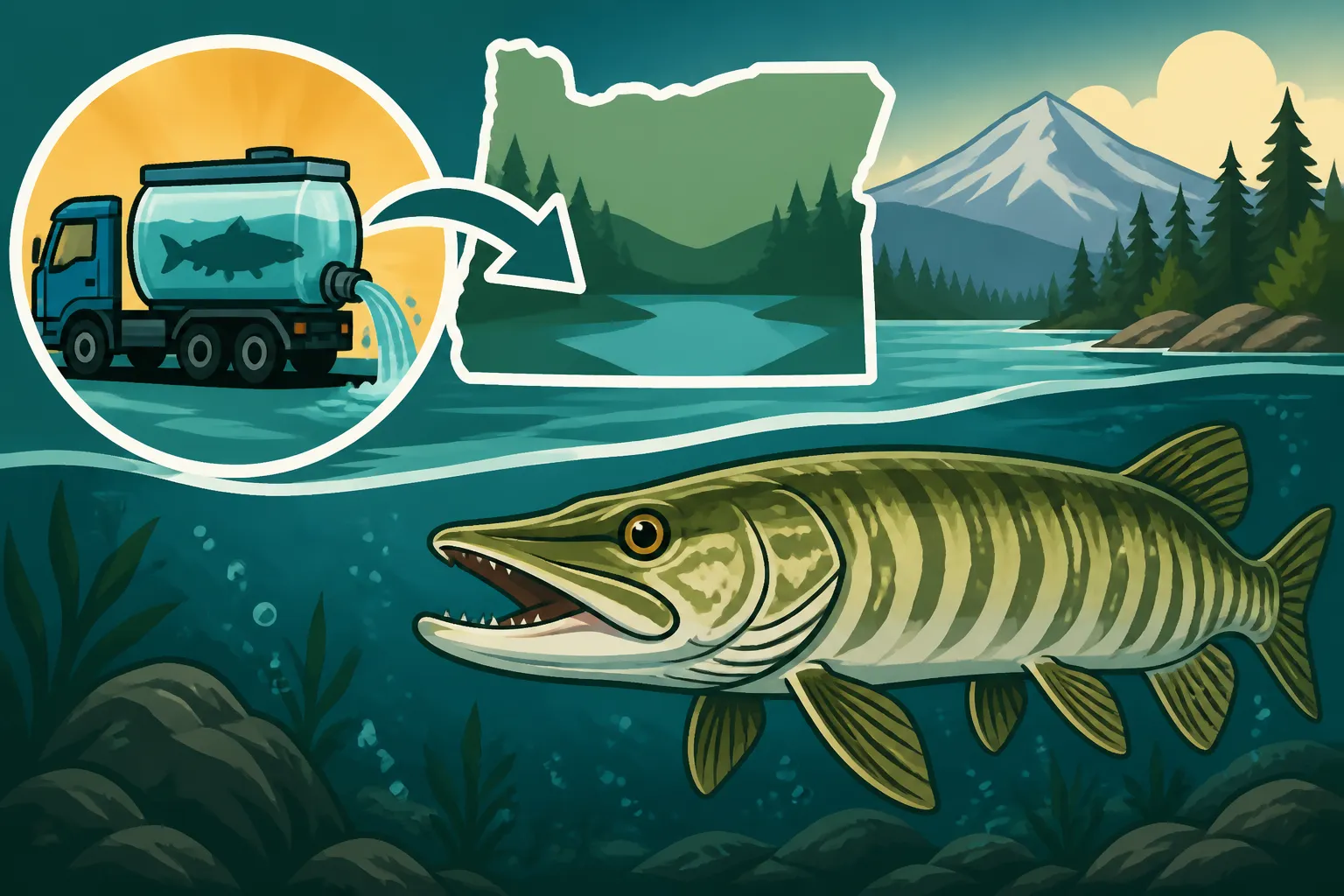
How did tiger muskie get into Oregon lakes
It’s a question many Oregon anglers ponder when they first hear about these elusive giants lurking in some of our lakes: "How in the world did tiger muskie get into Oregon waters?" It feels a bit like finding an exotic jungle cat in your backyard, completely out of place! This guide will demystify the presence of tiger muskie in our state, exploring the strategic reasons behind their introduction and what it means for the Oregon fishing scene.
The Enigma of the Tiger Muskie in Oregon Waters
There’s something inherently fascinating about the tiger muskie. They’re a fish wrapped in a bit of mystery for many, often only heard about in hushed tones among anglers who chase them. For those accustomed to trout, salmon, or bass, the idea of a tiger muskie in an Oregon lake can be quite a head-scratcher. They certainly weren't swimming around here historically, so their appearance is definitely by design.
What Exactly is a Tiger Muskie Anyway?
First things first, let’s clear up what we’re talking about. A tiger muskie isn't a naturally occurring species in the wild. It’s a sterile hybrid, meaning it cannot reproduce on its own. This fascinating fish is the result of cross-breeding two distinct species: the northern pike and the muskellunge. Imagine the strength and predatory instinct of both rolled into one formidable package! Visually, they're quite striking, often sporting dark, irregular vertical bars or spots on a lighter background, giving them that distinctive "tiger" pattern. Their long, slender bodies and duckbill-shaped snout filled with sharp teeth scream "apex predator."
These fish are pure muscle and aggression, making them an incredible challenge for anglers. They’re known for their explosive strikes and powerful fights, often testing gear and patience to their limits. Their size can be truly impressive, growing much larger than many of our common game fish, which certainly adds to their allure. They tend to be solitary hunters, preferring to lie in wait amidst submerged structures or weed beds, ambushing their prey with lightning speed. This makes them particularly tricky to locate, let alone convince to bite.
The "Why" Behind Their Introduction: Fisheries Management
So, if they're not native, why would Oregon introduce them? The decision wasn't made on a whim, but rather as a calculated move by fisheries managers. The primary motivation behind stocking tiger muskie in Oregon was actually to address specific ecological challenges and enhance recreational fishing opportunities. It wasn't about simply adding a cool new fish; there was a strategic purpose.
One of the biggest drivers was warmwater fisheries management, particularly in reservoirs where certain species were overpopulating and potentially impacting other fish. Tiger muskie are voracious predators, and they can be incredibly effective at controlling populations of smaller, prolific species, especially those that might be considered undesirable or invasive in certain systems. Think of them as a natural, albeit introduced, cleanup crew for overpopulated baitfish or problematic panfish species. By introducing a top-tier predator that can't reproduce, fisheries managers get the benefits of their predatory nature without the risk of them establishing an out-of-control breeding population that could further disrupt the ecosystem down the line. It's a precise, targeted approach to balancing a lake's fish community.
Unveiling the Official Stocking Programs
The introduction of tiger muskie into Oregon’s waters wasn’t a secret, clandestine operation. It was a planned, regulated effort by the state’s fisheries agencies, backed by research and specific goals. This kind of initiative requires careful consideration of the ecosystem, potential impacts, and the long-term benefits for anglers. It’s a testament to how active management shapes our fishing opportunities.
The Role of the Oregon Department of Fish and Wildlife ODFW
The Oregon Department of Fish and Wildlife (ODFW) is the agency responsible for managing all fish and wildlife resources in our state, and that includes making decisions about which species are introduced and where. When it came to tiger muskie, ODFW undertook a thorough evaluation process. They looked at the specific characteristics of various reservoirs, assessed existing fish populations, and considered the potential for a trophy fishery. The goal was to find waters where tiger muskie could thrive, provide excellent angling, and serve a beneficial ecological role, primarily controlling overabundant warmwater fish like certain species of carp or panfish that were outcompeting others.
ODFW carefully manages the stocking of tiger muskie, ensuring that only sterile fish are introduced. This is a critical point: because they are a hybrid, they cannot reproduce in the wild, which means their population can be precisely controlled by ODFW through ongoing stocking programs. This prevents them from becoming an invasive problem themselves. This careful planning is a cornerstone of Oregon Fishing Regulations Explained, aiming to balance conservation with recreational opportunities. The department continually monitors these stocked fisheries, gathering data on growth rates, angler success, and ecological interactions to ensure the program meets its objectives.
Key Oregon Lakes Targeted for Tiger Muskie Introduction
When ODFW decided to introduce tiger muskie, they selected specific bodies of water that fit their management criteria. The most prominent example, and where many anglers head to target these toothy critters, is Lake Billy Chinook in Central Oregon. This large reservoir, formed by the impoundment of the Deschutes, Crooked, and Metolius rivers, presented an ideal environment. It had a healthy population of various fish, some of which could benefit from a top predator to keep their numbers in check, and its size offered plenty of habitat for these large, solitary hunters.
Another notable location where tiger muskie have been stocked is Warm Springs Reservoir, also in Central Oregon. Like Lake Billy Chinook, Warm Springs provided the right conditions for these fish to grow to impressive sizes, offering another exciting trophy fishery for dedicated anglers. These introductions weren't just random acts; they were strategic choices to create unique fishing experiences and help manage existing warmwater fisheries, sometimes with the goal of reducing populations of less desirable fish that compete with game species. If you're looking for Lake Billy Chinook Fishing Guide information, you'll definitely find muskie mentioned as a prime target. Similarly, discussions around Prineville Reservoir smallmouth bass fishing often highlight the complexities of managing predator-prey relationships in Central Oregon's diverse warmwater environments.
The Impact and Management of Tiger Muskie in Oregon
The decision to introduce any non-native species, even a sterile hybrid, comes with a lot of thought about its potential impact. For tiger muskie in Oregon, the goal was largely positive: create a new, exciting fishery while addressing existing ecological imbalances. It's a delicate dance between boosting recreation and maintaining ecosystem health.
Ecological Considerations and Debates
The introduction of tiger muskie, while managed to prevent reproduction, naturally sparked discussions about their ecological role. On the positive side, they've proven effective at their intended purpose: controlling populations of overabundant warmwater species. In some areas, this has meant a reduction in fish like common carp or certain panfish, which can sometimes outcompete native or more desirable game fish. The idea is that these muskie help to rebalance the prey base, creating a healthier overall environment. For anglers, they offer a thrilling, trophy-level challenge that was previously unavailable in Oregon's diverse fishing portfolio. You won't find many other freshwater fish in Oregon that offer such an intense fight!
However, any introduction of a non-native species, even a sterile hybrid, inevitably raises concerns. Some debates have centered around potential impacts on native fish populations, even if the primary target for muskie predation is often other warmwater fish. While ODFW studies aim to mitigate these risks by carefully selecting stocking locations and monitoring populations, the conversation about how introduced species interact with the existing ecosystem is ongoing. For instance, while Is smallmouth bass invasive in Oregon? and Why does Oregon encourage removing smallmouth bass highlight issues with other non-native species, the tiger muskie's sterile nature places it in a different category of management. The key is that their numbers are entirely controlled by ODFW's stocking decisions, making their impact predictable and manageable.
Fishing for This Elusive Predator
Chasing tiger muskie in Oregon is not for the faint of heart, nor for the casually equipped. These are big, powerful fish that require specialized gear and a significant amount of patience. Anglers targeting muskie typically use heavy-action rods, robust baitcasting reels, and strong, high-test line to stand a chance against their brute force. Lures are usually large, mimicking the prey muskie feed on – think oversized crankbaits, spinnerbaits, bucktails, and soft plastics. Many dedicated muskie anglers have tackle boxes that look like a hardware store display, full of impressive, sometimes intimidating, lures. If you're serious about trying your hand, investing in appropriate gear is crucial. You can often find a wide selection of these specialized muskie lures and heavy-duty tackle online, for instance, on Amazon, making it easier to get equipped for the challenge.
The technique often involves casting large lures and retrieving them with various jerks, pauses, and speeds to entice a strike. Muskie are known to follow a lure right to the boat, making a figure-eight maneuver at the end of the retrieve a common tactic to trigger a last-second strike. They are notorious for being the "fish of a thousand casts," meaning you might spend hours or even days without a bite, only to have a monstrous muskie smash your lure when you least expect it. Checking out resources like the Oregon Bait and Lure Guide can provide broader context on effective tactics for large predatory fish, but muskie fishing takes it to another level.
Current Status and Future Outlook
Today, tiger muskie remain a unique and exciting part of Oregon's angling landscape. ODFW continues to manage their populations in selected reservoirs, ensuring they fulfill their intended role both as a biological control agent and a premier trophy fish. Regulations for tiger muskie fishing are specific and often designed to protect these valuable resources. For example, there might be very strict size limits or catch-and-release requirements for larger fish, or specific daily bag limits to maintain a healthy fishery. Always check the current Oregon Daily Bag Limits Explained and the Oregon Fishing License Guide before heading out, as regulations can and do change.
The future of tiger muskie fishing in Oregon looks stable, with ODFW committed to maintaining these unique fisheries. As anglers become more aware of these powerful predators, their popularity continues to grow, attracting those who seek a truly challenging and rewarding freshwater fishing experience. It's a niche, certainly, but a dedicated one. Discussions often include What is the daily limit for tiger muskie in Oregon, emphasizing the importance of adherence to specific rules to preserve this fishery. For those looking to broaden their warmwater fishing horizons, understanding Oregon Warmwater Fish Species can provide a good foundation for appreciating these powerful fish.
Dispelling Myths: What Tiger Muskie Are NOT
When a new, large, predatory fish is introduced into an ecosystem, it's only natural for rumors and misconceptions to swirl. The tiger muskie, with its intimidating appearance and fierce reputation, is no exception. It's important to separate fact from fiction to truly understand their role in Oregon's waters.
Not a Naturally Occurring Species
One of the biggest misconceptions is that tiger muskie somehow "appeared" or are a naturally occurring part of Oregon's fish fauna. This is simply not true. As we've discussed, tiger muskie are a sterile hybrid, a man-made crossbreed that does not exist in nature. They absolutely did not migrate here from another state or spontaneously evolve in our lakes. Their presence in Oregon is solely the result of intentional, managed stocking programs by ODFW.
This distinction is crucial because it highlights the controlled nature of their population. Unlike many invasive species that spread unchecked once introduced, tiger muskie populations are entirely dependent on continuous stocking. If ODFW were to stop stocking them, their numbers would eventually dwindle, as they cannot reproduce on their own. This makes them a very different case from, say, unintentionally introduced species that can rapidly take over an ecosystem. Their existence in Oregon's lakes is a direct result of a calculated fisheries management strategy, not an accidental or natural occurrence.
Not a Threat to All Fish Populations
Another common fear is that these large predators will decimate all other fish species in the lakes where they reside. While tiger muskie are indeed apex predators, their impact is much more targeted and controlled than some might imagine. ODFW stocked them specifically to help manage certain overabundant warmwater species, such as nuisance carp or overcrowded panfish populations. They serve a beneficial role in balancing the ecosystem by preying on these specific fish, which can sometimes outcompete more desirable game fish or impact water quality.
While a muskie certainly won't turn down an opportunistic meal, they aren't indiscriminately wiping out trout or salmon. Their predatory habits are generally focused on the fish they were introduced to control, within the context of the warmwater environments they inhabit. The careful selection of stocking locations and ongoing monitoring helps ensure that their impact remains largely positive and aligned with ODFW's management goals. So, while they might look intimidating, they are a tool for fisheries management, not an unbridled destructive force. Even if you're targeting How to catch largemouth bass in Oregon lakes, you're unlikely to find your bass population significantly threatened by muskie, as they are typically stocked in different parts of the ecosystem or to target different prey. For anglers interested in maximizing their chances of success, many specialized muskie lures are readily available online through retailers like Amazon, designed specifically to attract these large, predatory fish.
| Reason for Introduction | Primary Goal | Key Considerations |
|---|---|---|
| Warmwater Fisheries Management | Control overabundant or non-native warmwater fish species (e.g., carp, some panfish). | Utilizing a top predator to restore ecological balance; reducing competition for other game fish. |
| Trophy Fishery Enhancement | Create a unique, challenging, and exciting fishing opportunity for anglers. | Attracting dedicated anglers, providing a high-value recreational experience. |
| Sterile Hybrid Advantage | Mitigate risks associated with introducing a reproductive non-native species. | Prevents uncontrolled breeding and establishment of an invasive population; allows precise population control by ODFW. |
Disclaimer
This article is for general informational purposes only and does not constitute professional advice. Laws, prices and regulations vary by location and change over time. Consult a qualified professional for guidance on your specific situation.