Best season to catch crappie in Oregon
If you've ever stood on the bank of an Oregon lake or reservoir, rod in hand, wondering why the crappie just aren't biting, chances are you've run into the age-old question of timing. It's frustrating when you put in the effort but come up empty, and often, the secret isn't just where you're fishing, but when. This guide is here to shed light on the best seasons to catch crappie in Oregon, helping you understand their seasonal patterns and giving you the knowledge to plan your next successful outing.
Understanding Crappie Seasons in Oregon: More Than Just the Calendar
Crappie, those delightful panfish, are a favorite among many Oregon anglers, whether you're chasing them for a tasty meal or just enjoying a relaxing day on the water. Unlike some species that might be active year-round in various depths, crappie tend to have distinct behavioral patterns tied directly to the changing seasons and, more specifically, water temperature. Knowing these patterns is your first step to unlocking consistent success.
The Peak Window: Spring Spawning Frenzy
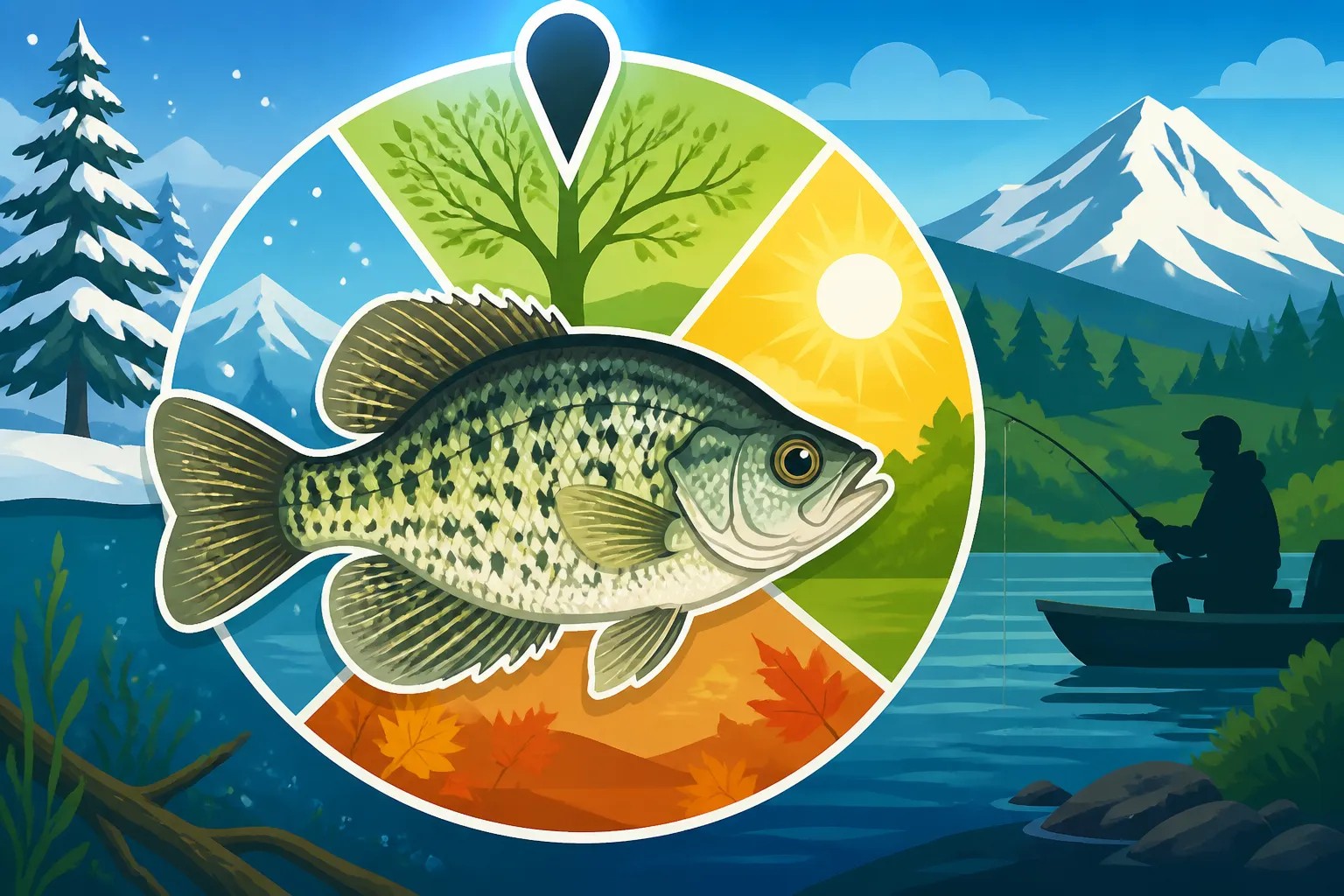
Without a doubt, spring is often hailed as the absolute prime time for crappie fishing in Oregon. As the longer days of late March give way to April and May, the water temperatures in Oregon's lakes and reservoirs begin to climb from their winter lows. This gradual warming triggers a fundamental biological imperative in crappie: spawning. They start to move out of their deeper winter haunts and head for shallower, warmer waters to reproduce.
During this period, crappie are far more accessible and concentrated. You'll typically find them congregating in areas with some kind of structure – think submerged brush, fallen trees, docks, or even dense weed beds – in depths ranging from just a few feet down to about 10-15 feet. They become incredibly aggressive as they prepare to spawn and then protect their nests, making them quite eager to strike at a well-placed bait or lure. This is the time when even a novice angler can often find consistent action, and it's fantastic for families looking to get kids hooked on fishing because the bites can be frequent. If you're looking for general information on Oregon Fishing Seasons Explained, this spring period is a highlight for many species, including crappie.
Summer's Deeper Dives: Adapting to Warm Water
Once the spring spawning period wraps up and Oregon plunges into the warmth of summer, crappie behavior shifts significantly. The shallow waters that were so productive in spring now become too warm and often lack the oxygen and comfortable cover that crappie prefer. Instead of cruising the sunny shallows, crappie retreat to deeper, cooler sections of the lake or reservoir. This means adjusting your tactics and expectations.
In summer, crappie will often suspend over deeper water or hug tight to substantial underwater structure, such as deep-water brush piles, old submerged roadbeds, humps, or the deep edges of drop-offs. They're still feeding, but they're not as concentrated or as easy to find as they were during the spawn. You might need to cover more water, use electronics to locate schools, or focus on fishing during the cooler parts of the day, like early mornings or late evenings, especially if the heat is intense. While it can be more challenging, summer crappie fishing can still be very rewarding if you're willing to adapt your approach and seek them out in their deeper hideouts. Learning How to Fish for Crappie in Oregon reservoirs effectively often involves mastering these seasonal adjustments.
Fall Feast: Pre-Winter Preparations
As the heat of summer fades and the crisp air of autumn settles over Oregon, crappie enter another active feeding period, albeit a shorter one than the spring spawn. This fall feeding frenzy is driven by the need to pack on fat reserves before the long, lean months of winter. The water temperatures begin to cool, and crappie will often move back to slightly shallower areas, though usually not as shallow as in spring.
During the fall, you might find crappie holding along creek channels, river bends, or over submerged humps in 15-25 feet of water, or even shallower in some cases, especially on sunny, calm days. They'll actively chase down baitfish, making them susceptible to a variety of lures. This can be a fantastic time to catch some of the biggest crappie of the year, as they are at their fattest and most aggressive. The key is to find those schools that are actively feeding. The fish tend to be schooled up pretty tightly, so once you find one, you're likely to find many more. This transitional period, before the deep chill sets in, offers a wonderful opportunity for dedicated crappie anglers.
Reading the Water: Key Indicators Beyond the Season
While understanding the general seasons is crucial, successful crappie fishing often comes down to reading the specific conditions of the water you're fishing. Crappie are incredibly sensitive to their environment, and paying attention to a few key indicators can dramatically improve your chances, no matter the time of year.
Water Temperature is Your Best Friend
Forget the calendar sometimes; water temperature is arguably the single most important factor dictating crappie behavior. It tells you where the fish are likely to be, how active they'll be, and what they'll be willing to bite. In spring, crappie begin their movement to spawn when water temperatures hit the low to mid-50s Fahrenheit, with peak spawning often occurring in the 60-68 degree range. Below that, they're typically deeper and less active. Above it, in summer, they'll seek cooler, deeper retreats.
Carrying a simple water thermometer with you is one of the smartest investments an angler can make. You can find reliable ones on Amazon, and it will give you real-time data that's far more accurate than just guessing. If you know the prime temperature ranges for crappie, you can strategically target areas where those temperatures are present. For instance, in early spring, the sunny north-facing banks might warm up faster, attracting crappie before other areas. Conversely, in summer, shaded deep pockets will hold those cooler temperatures longer.
Structure and Cover: Crappie's Hideouts
Crappie are masters of concealment. They love to relate to structure and cover, using it for ambush points for prey, protection from predators, and comfort from harsh light or current. This could be anything from a sprawling submerged tree to a single brush pile, a sunken boat, an old roadbed, bridge pilings, or docks. The type and depth of this cover will change with the season, but their reliance on it remains constant.
In spring, as mentioned, shallower cover is key – think cattails, lily pads, reeds, and submerged wood near the banks. In summer and fall, they'll gravitate towards deeper structure, such as standing timber in reservoirs, rock piles, or deeper brush constructed by anglers. Learning to identify these potential crappie hideouts, either visually (for shallow cover) or with a fish finder (for deeper structure), is paramount. Many seasoned anglers even add their own brush piles to enhance their favorite fishing spots, creating excellent crappie habitat. When you’re out on the water, spend time exploring different types of cover. You might even find yourself reading about Best Places to Fish in Oregon and noticing that many prime spots are defined by their structure.
Weather Patterns and Their Influence
Beyond just temperature, overarching weather patterns also play a role in how crappie behave. Stable, consistent weather, especially a few days of calm, sunny conditions, usually leads to more predictable and active crappie fishing. Fish tend to get into a rhythm, feeding consistently. However, sudden changes, like a cold front sweeping through, can shut crappie down almost entirely. The fish might become lethargic and suspend in deeper water, refusing to bite for a day or two until conditions stabilize.
Overcast days can sometimes be fantastic for crappie, as the diffused light allows them to feel more comfortable in shallower water for longer periods. Heavy rain, especially if it cools the water quickly or muddies it significantly, can make fishing tough. Always check the forecast before you go, and consider how recent weather might have impacted the water conditions. Adaptability is key!
Essential Gear and Tactics for Oregon Crappie
Having a solid understanding of crappie seasonal behavior and environmental factors is a huge step, but it's only truly effective when paired with the right gear and techniques. Crappie aren't typically brute fighters, but they can be finicky, requiring a delicate touch and presentation.
Rods, Reels, and Line for Panfish Perfection
For crappie, light tackle is the name of the game. You're not casting huge lures or fighting monsters, so sensitivity is far more important than raw power. A light or ultralight spinning rod, typically in the 5-7 foot range, paired with a small spinning reel (like a 1000 or 2000 size) is ideal. This setup allows for precise casting of small baits and jigs, and you'll feel even the most subtle taps. The soft tip of an ultralight rod also prevents you from ripping tiny hooks out of their papery mouths.
When it comes to line, a light monofilament line, usually 4 to 6-pound test, is perfect. It's forgiving, has a bit of stretch, and is relatively invisible in the water. Some anglers prefer a light braided line (say, 6-pound test) for its incredible sensitivity, often paired with a fluorocarbon leader for stealth. You can easily find a fantastic selection of rods, reels, and lines on Amazon that are perfect for crappie fishing. Remember, lighter is often better for crappie; you want to present your offering as naturally as possible.
Baits and Lures That Crappie Can't Resist
Crappie are primarily minnow eaters, so anything that mimics small baitfish is usually a winner.
- Live Bait: Hands down, live minnows are often the most effective bait for crappie, especially when they're a bit finicky. Hook them lightly through the lips or dorsal fin and present them under a slip bobber or slow-troll them.
- Jigs: Small jigs are incredibly versatile. Think 1/32 to 1/8 ounce jigs, often tipped with a tiny plastic grub (curly tail, straight tail, or tube jig). Popular colors vary, but chartreuse, white, black, and various greens are usually safe bets. Experiment with different colors and sizes until you find what the crappie prefer on any given day. You can find a vast array of these small jigs and plastics readily available on Amazon, often in multi-packs that let you experiment.
- Small Spinners: Tiny inline spinners or spinnerbaits can also be effective, particularly for actively feeding crappie in shallower water. The flash and vibration can draw strikes.
No matter your choice, presentation is key. Crappie often prefer a slow, subtle presentation, so don't overwork your bait.
Mastering the Crappie Catch: Techniques for Success
Different seasons and situations call for different techniques, but generally, crappie fishing revolves around slow and deliberate presentations.
- Vertical Jigging: This is a go-to technique, especially when you've located a school of crappie under your boat or near vertical structure like bridge pilings. Simply drop a jig or live minnow straight down to their depth and gently "jig" or twitch your rod tip. This is particularly effective in summer and fall when fish are deeper and more concentrated.
- Slip Bobber Fishing: A slip bobber allows you to easily adjust your bait's depth, making it incredibly effective for presenting live minnows or small jigs at a precise depth, whether you're fishing shallow cover in spring or deeper edges in fall. Cast it out, let it sit, and watch for those subtle dips! This is a fantastic method for family outings, as explained in Oregon Fishing Rules for Kids and Seniors.
- Slow Trolling (Spider Rigging): This technique, often used from a boat, involves deploying multiple rods with different baits at various depths and slowly trolling over known crappie haunts. It's a great way to cover water and find where the fish are holding, especially in larger reservoirs.
- Casting to Structure: In spring, when crappie are in the shallows, simply casting small jigs or minnows to submerged brush, docks, or weed lines can be incredibly productive. Cast beyond the structure and retrieve slowly, allowing your bait to fall naturally into the fish's strike zone.
Always be aware of Oregon Daily Bag Limits Explained and other regulations, as they apply to crappie just like any other species. If you're new to fishing or just want to brush up on the basics, diving into resources like Oregon Fishing Techniques for Beginners can provide a great foundation for all your angling adventures.
| Season | Crappie Behavior | Primary Locations | Recommended Techniques | Tackle Notes |
|---|---|---|---|---|
| Spring | Spawning, highly active, aggressive | Shallow (2-10 ft), brush, docks, reeds, warming banks | Slip Bobber, Casting Jigs | Ultralight rod, 4-6lb mono, live minnows, 1/32-1/16 oz jigs |
| Summer | Deeper, seeking cooler water, less active at midday | Deeper (15-30+ ft), suspended, deep structure, shade | Vertical Jigging, Slow Trolling | Light rod, 6lb braid/fluoro, 1/16-1/8 oz jigs, electronics |
| Fall | Feeding heavily, grouping up for winter, good activity | Mid-depth (10-25 ft), creek channels, humps, deep cover | Vertical Jigging, Casting Jigs, Trolling | Light-to-ultralight, 4-6lb line, small crankbaits, spoons |
| Winter | Deep, lethargic, less active feeding | Very deep (25-40+ ft), still holding to structure | Very Slow Vertical Jigging | Ultralight, lightest jigs (1/64 oz), slow presentations |
Finding the "best" season to catch crappie in Oregon really comes down to understanding their life cycle and how they react to changing water temperatures. While spring often offers the most consistent action and accessibility, every season presents unique opportunities for the dedicated angler. Whether you're targeting Crappie in Oregon specifically or exploring the broader world of Oregon Panfish Guide, remember that patience, observation, and adaptability are your most valuable tools. So grab your ultralight gear, check the water temperature, and head out to your favorite Oregon fishing spot. Tight lines!
Disclaimer
This article is for general informational purposes only and does not constitute professional advice. Laws, prices and regulations vary by location and change over time. Consult a qualified professional for guidance on your specific situation.