How big do crappie get in Oregon
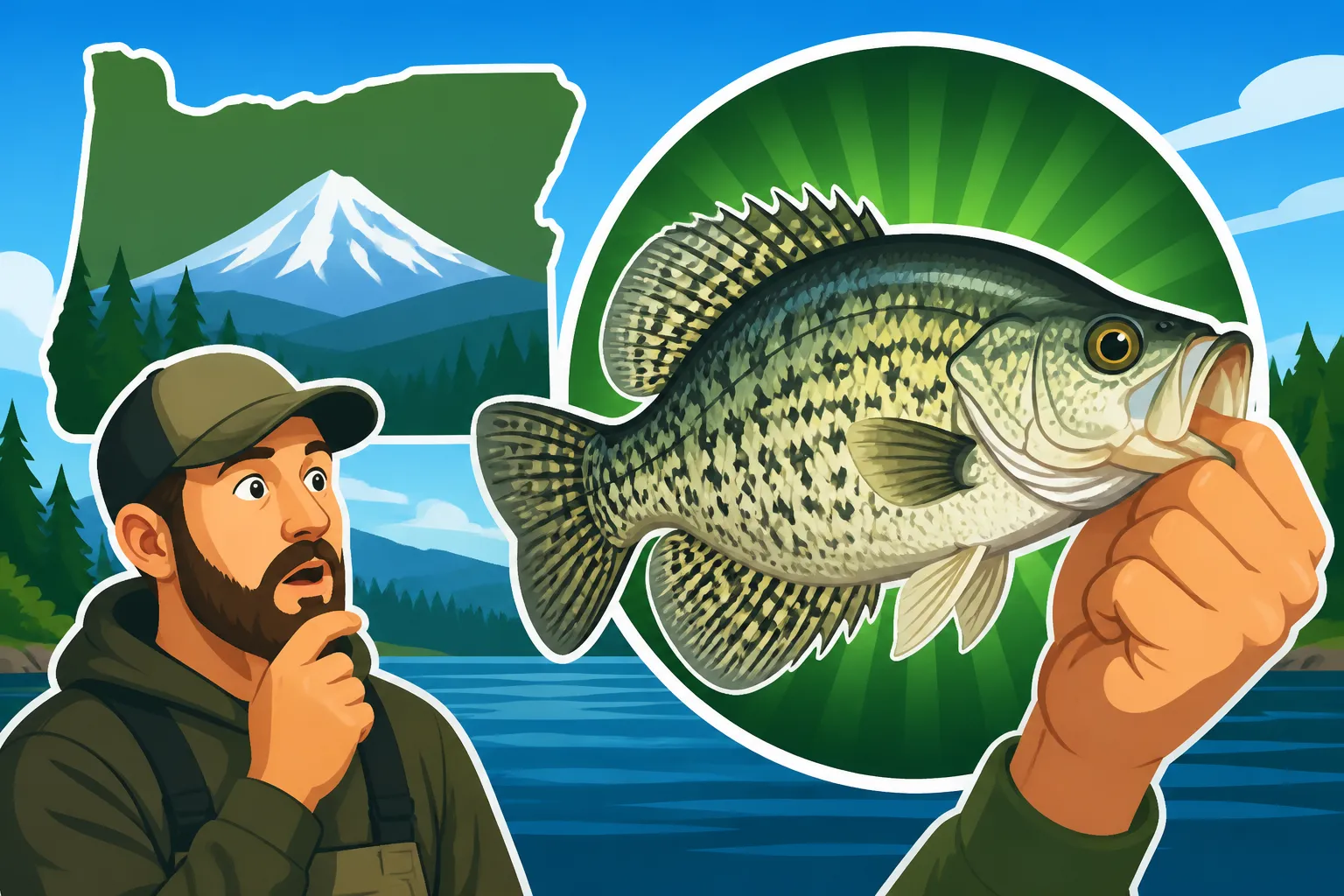
One of the most exciting things about crappie fishing in Oregon is the potential for a truly slab-sized catch, but it's easy to wonder just how big these panfish really get here. Many anglers, myself included, have spent countless hours targeting these elusive giants, often catching a stringer full of decent-sized fish only to dream of that one monster. This guide is dedicated to giving you a realistic picture of crappie sizes in Oregon, breaking down what influences their growth, where you might find the bigger ones, and how you can specifically target those impressive, plate-filling specimens.
Understanding Crappie in Oregon's Waters
Crappie are a beloved species for many Oregon anglers, known for their feisty fight and delicious white meat. They're often seen as an ideal fish for families, beginners, and seasoned pros alike because they can be abundant and offer a lot of action. However, not all crappie are created equal, and their size can vary wildly depending on a host of environmental and biological factors.
The Two Main Species: Black Crappie and White Crappie
In Oregon, when we talk about crappie, we're primarily referring to two distinct species: the Black Crappie (Pomoxis nigromaculatus) and the White Crappie (Pomoxis annularis). While they share many similarities, there are some subtle differences that can impact their growth potential and where you might find them.
Black crappie are generally the more widespread of the two in Oregon's cooler, clearer waters. They're recognized by their irregular black blotches scattered over a silvery-green body, and they typically have 7 or 8 dorsal spines. These fish tend to prefer cleaner water with more vegetation and structure, which provides ample ambush points for their preferred prey. In healthy Oregon lakes and reservoirs, black crappie can grow to impressive sizes, often topping the scales when conditions are just right.
White crappie, on the other hand, are less common but still present in some of Oregon's warmer, often murkier water bodies, particularly in slower-moving rivers or reservoirs with more turbid conditions. You can usually identify them by their distinct vertical bars on a silvery body, and they typically have 5 or 6 dorsal spines. They tend to be a bit more tolerant of murkier water than their black crappie cousins. While both species can grow large, the specific conditions of a water body will often favor one over the other, impacting the overall size potential for crappie in that particular fishery. Knowing which species you're likely to encounter can sometimes give you a hint about the average size you might expect.
Factors Influencing Crappie Size
It's not just about what species you're chasing; a crappie's size is a direct reflection of its environment. Think of it like us – if we have a great diet and a healthy lifestyle, we thrive! Fish are no different. Several critical factors contribute to how large a crappie can grow in a given Oregon water body.
First off, food availability is paramount. Crappie are primarily piscivores, meaning they eat other fish, especially smaller baitfish like minnows, shad, or juvenile perch. They also feast on insects and crustaceans. If a lake or reservoir has an abundant and diverse forage base, crappie have plenty to eat, allowing them to grow faster and larger. Conversely, in waters with scarce food, they might be numerous but stunted in size. This is why you'll find incredible crappie fishing in places that also support strong populations of other species.
Next is water quality and habitat. Crappie thrive in stable, healthy aquatic environments. This means sufficient dissolved oxygen, appropriate water temperatures, and plenty of structure – submerged timber, weed beds, rock piles, and brush. These features provide cover from predators, ambush points for feeding, and spawning areas. Lakes with extensive shallow, weedy areas often produce robust crappie populations. Areas with poor water quality, such as those with pollution or extreme temperature fluctuations, tend to limit growth.
Fishing pressure also plays a significant role. In heavily fished waters, anglers might consistently remove the larger, older fish, leading to a population dominated by smaller, younger crappie. While catch-and-release is beneficial for trophy fisheries, crappie are often kept for their delicious table fare, which can impact the average size over time. Some lakes might have slot limits or daily bag limits that help manage the population, but consistent harvest will always shift the age and size structure.
Finally, genetics and population density contribute. Some crappie strains simply have the genetic potential to grow larger than others. More importantly, if a lake becomes overpopulated with crappie, the competition for food can be intense, leading to a large number of smaller, "stunted" fish. Fishery managers often monitor these factors to ensure a balanced ecosystem where crappie can reach their full potential. It's a delicate dance between having enough fish and having enough big fish.
Typical Crappie Size Expectations in Oregon
So, you're heading out to your favorite Oregon lake or reservoir, perhaps with a new crappie jig from Amazon, and you're dreaming of a wall-hanger. What's a realistic expectation for crappie size here? It’s important to differentiate between what you’ll commonly catch and what constitutes a true trophy.
Average Size vs. Trophy Potential
For most anglers in Oregon, a typical crappie catch will range from about 8 to 11 inches in length. These are good, healthy panfish, perfect for a meal, and they offer a respectable fight on light tackle. Their weight usually falls in the 0.5 to 1 pound range. If you're consistently catching fish in this size class, you're doing well, and you're likely in a productive crappie fishery. These are the fish that fill your cooler and provide a fantastic day of action, whether you're targeting them with simple bobber and jig setups or getting a bit more technical.
However, the allure of crappie fishing often lies in the pursuit of the "slab" or "dinner plate" crappie. These are the fish that make your heart pound a little faster. In Oregon, a crappie truly enters trophy territory when it reaches 12 inches and beyond. A 13-inch crappie is a fantastic fish, often weighing in at 1.5 pounds or more. And if you manage to hook into a 14-inch crappie, you're looking at a fish easily pushing 2 pounds, which is a significant specimen for our state. Anything larger than that is truly exceptional and the stuff of fishing legend. These larger fish are typically older, smarter, and have managed to avoid predators and anglers for several years. They're often found in specific deep-water structures or dense cover.
| Crappie Size Category | Typical Length Range (Inches) | Typical Weight Range (Pounds) | Notes |
|---|---|---|---|
| Average Catch | 8 – 11 | 0.5 – 1 | Common, good for eating, frequent catches |
| Nice Keeper | 11 – 12 | 1 – 1.25 | Solid fish, often sought after for fillets |
| Trophy Slab | 12 – 14+ | 1.25 – 2+ | Exceptional, less common, often found in specific habitats |
State Records and How They Compare
To give you an idea of the absolute peak, Oregon does have state records for crappie that showcase the incredible potential of our waters. While I don't have real-time access to current record books, traditionally, the state records for both black and white crappie have been impressive fish, usually well over 15 inches and often exceeding 3 pounds. These records are a testament to the fact that, under ideal conditions, crappie can indeed grow to truly monumental proportions in Oregon.
Comparing these state records to your average catch highlights just how rare and special those true giants are. While it's exhilarating to dream of breaking a state record, most anglers will be thrilled with anything over 12 or 13 inches. These record fish are usually caught in specific, highly productive water bodies, often with unique habitat features or during very particular seasons. They represent the upper echelon of what's possible, driven by a perfect storm of genetics, abundant forage, and minimal pressure throughout their lifespan. Just knowing these giants are out there is enough to keep many of us casting!
Where to Find Bigger Crappie in Oregon
Finding larger crappie often comes down to knowing their preferred hangouts and understanding their seasonal movements. They aren't just everywhere; they gravitate towards certain areas and depths where conditions are optimal for feeding and survival.
Key Habitats for Larger Fish
If you're serious about landing those bigger crappie, you need to think like a crappie. Larger crappie, being older and wiser, seek out areas that offer both ample food and protection. These prime locations are typically found in larger reservoirs and lakes throughout Oregon, rather than smaller ponds or river stretches where food might be more limited or populations easily stunted. Think of places like Henry Hagg Lake, Fern Ridge Reservoir, or Prineville Reservoir; these larger bodies of water often have the expansive ecosystems needed to support big fish. For those seeking Best Lakes to Fish in Oregon, these larger water bodies are often top contenders.
Specifically, look for deep-water structure. As crappie grow, they often move to deeper haunts, especially during the brighter parts of the day or in colder water. This structure can include submerged timber, brush piles, rock ledges, creek channels, and old roadbeds. These features provide shade, cover from predators (like bigger bass or pike minnows), and excellent ambush points for baitfish. Using your electronics to locate these submerged features is key. If you don't have a boat, focus on areas near deep drop-offs or points close to shore.
Extensive weed beds are another prime location, particularly the deeper edges of coontail or milfoil beds. These weeds offer both cover and a rich insect and baitfish population. Crappie will patrol these edges, especially during low light conditions, picking off unsuspecting prey. However, fishing dense weeds requires a bit of finesse to avoid snags, perhaps with weedless jigs or by presenting your bait just above the canopy.
Finally, slow-moving river backwaters and oxbows can also hold impressive crappie, especially where they connect to larger river systems like the Willamette River. These areas often have less current, abundant cover from fallen trees and vegetation, and a consistent food supply. They can be overlooked by anglers focusing on main river channels, making them potential honey holes for those willing to explore. For more on this, checking out a Willamette Valley Fishing Spots guide could be very beneficial.
Seasonal Patterns and Behavior
Crappie, like most fish, are highly influenced by the seasons, and understanding their movements throughout the year is crucial for consistently finding the bigger ones. Their behavior changes dramatically from winter to summer, and adapting your approach is essential.
Spring is arguably the most popular time for crappie fishing, and often when the biggest fish are most accessible. As water temperatures rise into the 50s and 60s, crappie move into shallower waters for their spawn. They'll congregate in bays, coves, and protected areas with submerged vegetation or brush, where they build nests. During this time, they are very aggressive and actively feeding, making them easier to target. Look for water depths of 2-10 feet near cover. This is often when anglers catch their biggest crappie, as the fish are heavy with roe and actively feeding to prepare.
In summer, after the spawn, crappie tend to retreat to deeper, cooler waters as surface temperatures soar. They'll often suspend over deep structure or congregate in shaded areas around submerged timber, brush piles, or along creek channels in 15-30 feet of water or more. They can still be caught, but it often requires more precision with depth finders and vertical jigging techniques. Early mornings and late evenings, or even night fishing, can be productive when they move shallower to feed. This is when a good pair of polarized sunglasses and a reliable fish finder, perhaps one you scouted on Amazon, become indispensable.
Fall brings another excellent crappie bite. As water temperatures cool down, crappie become more active and start feeding heavily in preparation for winter. They'll often move back into shallower areas, especially around weed lines and points, mirroring some of their spring patterns. This can be a fantastic time to catch a lot of fish, and often some of the larger ones as they fatten up. They're trying to pack on as much weight as possible.
Winter fishing for crappie can be challenging but rewarding. In colder Oregon lakes, crappie often hold in deep, main lake basins, suspending over channels or near the bottom on significant structure. They become less active, but if you can locate a school, you can often catch them by slow-jigging tiny baits or vertical presentations. In areas where lakes freeze over, ice fishing can be incredibly effective for crappie, as they'll stack up in predictable locations, offering a different kind of thrill for dedicated anglers. For more on year-round opportunities, exploring Oregon Winter Fishing Options can offer some good insights.
Gear and Techniques for Targeting Larger Crappie
To consistently catch larger crappie in Oregon, you'll need to fine-tune your approach, both in terms of the equipment you use and the tactics you employ. While crappie can be caught on simple setups, stepping up your game slightly can make a big difference when targeting those trophy slabs.
Rods, Reels, and Line for Bigger Fish
When chasing larger crappie, finesse is often key, but you still need enough backbone to handle a feisty fish, especially if you're pulling it out of heavy cover. A light to ultralight spinning rod is usually the preferred choice. Look for rods in the 5-foot 6-inch to 7-foot range, with a fast or moderate-fast action. This provides the sensitivity needed to detect subtle bites from wary crappie, while still offering enough flex to absorb sudden runs and prevent hooks from tearing out of their delicate mouths. A sensitive rod helps you feel every bump and tick, even from a jig as light as 1/32 oz. Brands like St. Croix or Ugly Stik offer excellent options for crappie-specific rods, and you can find many great deals on Amazon.
Pair your rod with a small, lightweight spinning reel in the 500 to 1000 series size. These reels are designed for light line and offer a smooth drag system, which is critical when a big crappie decides to make a run. A good quality reel will also have a smooth retrieve, making it easier to present small jigs and baits consistently.
For line, light monofilament or fluorocarbon in the 4 to 6-pound test range is ideal. Monofilament offers good knot strength and some stretch, which can be forgiving. Fluorocarbon is nearly invisible underwater and has less stretch, providing increased sensitivity. Some anglers even prefer a braided mainline (e.g., 6-10 lb test) for ultimate sensitivity and strength, often with a fluorocarbon leader of 4-6 lb test. This combination allows for powerful hooksets and excellent feel, while the leader provides the stealth needed for clear water. Remember, thinner line helps those tiny jigs sink faster and look more natural.
Baits and Lures That Attract Bigger Crappie
While crappie will hit a wide variety of offerings, certain baits and lures tend to be more effective for enticing those larger, more cautious fish. It's often about matching the hatch and presenting something substantial enough to appeal to a larger predator.
Live minnows are arguably the most consistent bait for big crappie. A lively minnow, hooked lightly through the back or lips, presented under a bobber or on a crappie rig, is often irresistible. The natural action and scent are hard to beat. When the fish are finicky, a minnow is often the ticket. You can vary the size of your minnow; sometimes a slightly larger minnow (2-3 inches) will deter smaller crappie and appeal specifically to the bigger slabs.
For artificial lures, small jigs are king. Soft plastic tube jigs, grub tails, or minnow-profile plastics in sizes from 1/32 oz to 1/8 oz are incredibly effective. Colors can vary by water clarity and time of day, but chartreuse, white, black, and various glitter combinations are perennial favorites. Jigging them vertically over structure, slowly swimming them, or twitching them under a small bobber are all productive techniques. Sometimes tipping your jig with a piece of a waxworm or a Gulp! Alive crappie bite can add scent and make it even more enticing. For more general advice on what works, checking out an Oregon Bait and Lure Guide can be very helpful.
Another effective lure, especially for active fish, is a small crankbait or spoon. These aren't typically used for crappie, but micro crankbaits that dive a few feet can be deadly when crappie are aggressive and chasing baitfish. Spoons, particularly small casting spoons or jigging spoons, can also be effective when fish are holding tight to deep structure. The flash and vibration can trigger reaction strikes from larger, more territorial crappie.
Don't forget the importance of a Combined Angling Tag if you're targeting species like salmon or steelhead while also fishing for crappie. It's easy to get caught up in the moment, but always make sure your licenses and tags are current. You can learn more about this by reading an Oregon Combined Angling Tag Guide. If you're planning a full trip, understanding Oregon Fishing Season Dates and Limits will also ensure you're fishing legally and effectively. And remember, the thrill of catching these magnificent fish responsibly is part of what makes Oregon fishing so special!
Maximizing Your Crappie Catch in Oregon
Catching crappie in Oregon, especially those impressive slabs, is an art form that blends local knowledge, the right gear, and a good understanding of fish behavior. Don't be discouraged if you're not pulling in giants every time; the journey to becoming a skilled crappie angler is part of the fun. Every trip out on the water, whether you're at Detroit Lake or exploring the expansive waters of Lake Billy Chinook, offers a new opportunity to learn and refine your techniques.
Always keep an eye on local conditions and fishing reports, and don't be afraid to experiment with different depths, baits, and presentation styles. Sometimes, a slight change in retrieve speed or jig color is all it takes to turn a slow day into an epic one. The satisfaction of figuring out the crappie bite, especially when you land one of those chunky, plate-sized fish, is truly a reward in itself. Get out there, explore Oregon's incredible fishing spots, and enjoy the pursuit of those magnificent crappie!
Disclaimer
This article is for general informational purposes only and does not constitute professional advice. Laws, prices and regulations vary by location and change over time. Consult a qualified professional for guidance on your specific situation.