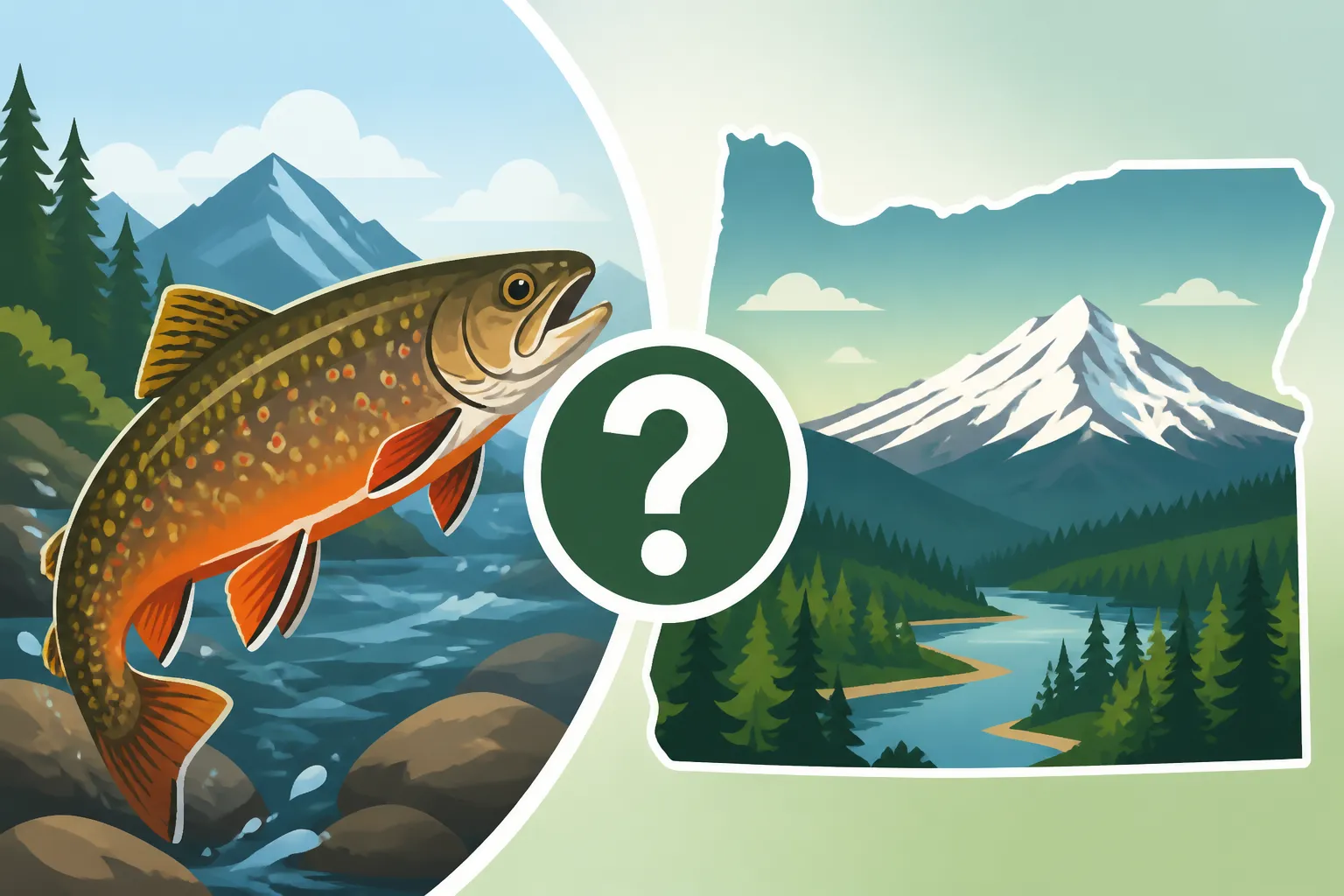
Are brook trout native to Oregon?
It’s a question that pops up surprisingly often among anglers casting lines in Oregon's beautiful streams and high mountain lakes: "Are brook trout native to Oregon?" You'd think a fish so widespread and beloved would have a clear answer, but the reality is a bit more nuanced, and it’s totally understandable why there's some confusion floating around. Many of us have grown up catching these vibrant, speckle-sided beauties, making it easy to assume they’ve always been part of the landscape. But the truth is, while they thrive here now, brook trout have a more complex history in the Beaver State than you might expect. This guide will dive deep into their origins, their impact on our native fish populations, and how you can be a responsible angler while enjoying the fishing opportunities they provide.
The Truth About Brook Trout in Oregon: Native or Introduced?
Let’s get straight to it: no, brook trout are not native to Oregon. I know, for some folks, that might come as a bit of a surprise, especially if you've been catching them in our waters for years, even decades. But the brook trout ( Salvelinus fontinalis ) actually hails from the eastern parts of North America, stretching from the northeastern United States and Canada down through the Appalachian Mountains. Their journey westward to places like Oregon is a classic tale of intentional introduction, driven by early fishery management efforts and the desire to provide more angling opportunities.
A Closer Look at Their Origins
Back in the late 19th and early 20th centuries, as the West was being settled and explored, there was a widespread belief that introducing new species could "improve" fishing in areas where native populations might have seemed less abundant or desirable for sport. Trout, especially those known for their hardiness and willingness to bite, were prime candidates. Brook trout fit this bill perfectly. They're incredibly adaptable, can tolerate a range of water conditions, and reproduce quite prolifically. State fishery agencies, often with the best intentions and limited understanding of ecological impacts, began stocking them widely across the western states, including Oregon. They were seen as a great sport fish, perfect for stocking into remote, high-elevation lakes and streams that might not have held robust native trout populations, or so it was thought. This practice continued for many years, leading to the widespread distribution we see today.
Why the Confusion Exists
The confusion about brook trout being native is perfectly natural. For one, they’ve been here for a very long time – well over a century in some areas. That's enough time for generations of anglers to grow up with them as a ubiquitous part of the Oregon fishing scene. When a species becomes so ingrained in the local angling culture, it's easy to assume it has always been there. Moreover, brook trout are incredibly beautiful fish, with their stunning vermiculation patterns and vibrant red and orange bellies during spawning season. They look like they belong, thriving in the cold, clear waters that define so much of Oregon's pristine wilderness.
Another factor is their ability to establish self-sustaining populations. Unlike some introduced species that rely on continuous stocking, brook trout often reproduce successfully in Oregon's streams and lakes. This natural propagation makes them feel even more "at home." Think about hiking into a remote Cascade lake, dropping a line, and pulling out a plump brook trout – it feels wild and untouched, which contributes to the perception that they are an indigenous species. However, their success in establishing themselves here has come with some notable consequences for our true native fish, which we'll explore next.
Understanding the Impact of Non-Native Species
While brook trout are undoubtedly a blast to catch, their presence in Oregon is a classic example of how well-intentioned introductions can have unintended, and often detrimental, effects on native ecosystems. When a species is introduced to an environment where it didn't evolve, it can disrupt the delicate balance that has been in place for millennia. This isn't unique to Oregon or to brook trout, of course; it's a common story in conservation biology worldwide. The challenge for anglers and wildlife managers alike is to understand this impact and work towards mitigation where possible.
Competition with Native Trout Species
One of the primary concerns with non-native brook trout is their competitive nature, particularly with Oregon's indigenous trout and char species. Our native fish, like the Rainbow Trout in Oregon (which includes the anadromous steelhead), Cutthroat Trout in Oregon, and especially the highly sensitive Bull Trout in Oregon, have evolved over thousands of years to thrive in specific niches within our waterways. Brook trout, being opportunistic and aggressive feeders, often outcompete these native species for food resources, prime spawning grounds, and habitat.
Consider the bull trout, a threatened species in many parts of its range, including Oregon. Bull trout require very cold, clean water and specific habitat features. They are also highly predatory. Brook trout, however, can breed at a younger age and produce more eggs, leading to a higher population density in shared waters. This numerical advantage, combined with their aggressive feeding habits, means brook trout can often push native bull trout out of their preferred habitats or out-compete their young for limited food. We see similar dynamics with cutthroat trout in some headwater streams where brook trout have established strong populations. It’s not that brook trout are "bad" fish; it’s just that they operate with a different set of ecological rules than our native species, often at the native species' expense.
Ecological Consequences and Management
Beyond direct competition for resources, the introduction of brook trout can have broader ecological consequences. One significant issue is hybridization. Brook trout can sometimes hybridize with bull trout, producing "splake" (a sterile hybrid). While this doesn't happen frequently, it can dilute the genetic integrity of native bull trout populations, further complicating their recovery. Such interbreeding can weaken native gene pools and make populations less resilient to environmental changes.
Because of these impacts, the Oregon Department of Fish and Wildlife (ODFW) and other conservation groups actively manage brook trout populations in certain areas to protect native fish. In some sensitive watersheds, you'll find regulations designed to encourage harvest of brook trout, sometimes with no bag limit or size restrictions, to reduce their numbers and give native species a better chance. It's a tricky balancing act because anglers enjoy catching brook trout, but the long-term health of our native fish is paramount. Managing these introduced populations often involves careful monitoring, habitat restoration to favor native species, and targeted removal efforts in critical areas. Understanding these management strategies helps us appreciate the broader context of Oregon Fishing Regulations Explained.
| Feature | Native Trout (e.g., Cutthroat, Rainbow) | Non-Native Trout (e.g., Brook Trout) |
|---|---|---|
| Origin | Indigenous to Oregon | Introduced from Eastern N. America |
| Coloration | Often silver-sided, red/pink band | Distinctive worm-like patterns (vermiculations), vibrant spots |
| Tail Fin | Typically forked or slightly emarginate | Typically square or slightly emarginate |
| Predatory Impact | Part of native food web | Can outcompete/predate native species |
| Spawning | Later in spring/early summer | Often in fall/early winter |
| Management Focus | Conservation, protection, recovery | Often managed for harvest/control |
| Conservation Status | Many populations are sensitive/threatened | Generally robust, often managed to reduce numbers in sensitive areas |
Where You Can Find Brook Trout in Oregon Today
Despite their non-native status and the management challenges they present, brook trout have found a permanent home in many of Oregon’s waterways. They thrive particularly well in colder, higher-elevation streams and lakes, often in areas that were historically less productive for native trout or where competition from other species is naturally lower. Their resilience and adaptability have allowed them to colonize a vast array of habitats across the state, providing excellent angling opportunities for those who enjoy chasing these feisty fish.
Common Habitats and Best Fishing Practices
You’ll typically find healthy populations of brook trout in Oregon’s mountain regions, particularly in the Cascades, the Wallowas, and parts of the Blue Mountains. They prefer clear, cold water, often near springs or in small headwater streams and high-alpine lakes. These are the kinds of places where a short hike can lead you to a secluded gem, teeming with willing brook trout eager to hit a fly or a small spinner. Think about those breathtaking, crisp mornings up near Diamond Lake or in the wilderness areas of Central Oregon – prime brook trout territory!
When targeting brook trout, light tackle is often all you need. They aren't usually tackle-busters like a big salmon, but they offer a spirited fight on appropriate gear. Small spinners like a Panther Martin or a Mepps are incredibly effective. Fly fishing with small dry flies, nymphs, or even tiny streamers can be incredibly rewarding. On many of these high-country adventures, you can simply cast an inline spinner from the bank or troll a small lure from a float tube. Remember to check the local regulations for specific areas; while many brook trout fisheries encourage harvest, some unique spots might have specific rules. Learning Oregon Fishing Techniques for Beginners can really help you get started with this type of fishing.
Regulations and Conservation Efforts
Because brook trout are non-native and can negatively impact native fish, the regulations surrounding them in Oregon are often quite different from those for native species. In many cases, ODFW encourages anglers to harvest brook trout, sometimes without a bag or size limit. This approach is part of a larger strategy to reduce their competitive pressure on native trout populations, especially in critical habitats for Bull Trout in Oregon or sensitive stocks of Cutthroat Trout in Oregon. For instance, in areas where brook trout pose a threat to recovering bull trout populations, anglers are often asked to harvest all brook trout caught.
It's crucial for every angler to understand and adhere to these regulations, which you can find in the annual Oregon Fishing Regulations Explained booklet or online. These rules aren't just about limiting catch; they are a vital tool in broader conservation efforts. By participating in the harvest of brook trout where encouraged, anglers directly contribute to the health and recovery of Oregon's truly native fish. It’s a way to enjoy the sport you love while also being an active part of protecting our precious natural heritage. Always double-check specific area rules before you head out, as they can vary greatly from one watershed to another.
Responsible Angling and Supporting Native Fish
Being a responsible angler in Oregon means more than just having the right Oregon Fishing License Guide and knowing the local Oregon Fishing Regulations Explained. It means understanding the ecosystem you’re fishing in, recognizing the species you’re catching, and making choices that support the long-term health of our native fish populations. When it comes to brook trout, this responsibility often involves a different approach than with native trout species.
Tips for Identifying Brook Trout
Correctly identifying your catch is the first step in responsible angling, especially when dealing with native versus non-native species. Brook trout have several distinctive features that set them apart from Oregon's native trout and char:
- Worm-like Patterns (Vermiculations): Look for intricate, light-colored, wavy lines (like worms or mazes) on a darker background along their back and dorsal fin. This is their most distinguishing characteristic.
- Red and Blue Spots with Halos: Brook trout typically have scattered red spots, often surrounded by blue halos, along their sides. They also have lighter, yellowish spots.
- White Leading Edges on Fins: Their lower fins (pelvic, anal, and often pectoral) usually have prominent white leading edges, often followed by a black stripe, and then the rest of the fin is orange or reddish. This is a very reliable identifier.
- Square Tail: While some native trout might have slightly forked tails, brook trout typically have a square or very slightly emarginate (indented) tail fin.
- Body Shape: They tend to be a bit more "chunky" or robust compared to the more streamlined appearance of many rainbow or cutthroat trout.
If you’re ever unsure, consider taking a quick photo for identification later, or consult a knowledgeable angler or your ODFW fishing guide. There are many great resources available, including waterproof field guides you can pick up at sporting goods stores or even find on Amazon to keep in your pack.
How Anglers Can Help Protect Native Species
As anglers, we have a unique role to play in conservation. When fishing in areas with brook trout, especially those that overlap with native trout habitat, here's how you can make a positive impact:
- Harvest Brook Trout Where Encouraged: If regulations allow or encourage it, consider keeping your brook trout catch. This directly helps reduce competition for native species. Many brook trout are small but incredibly delicious! They make a fantastic meal after a day on the water.
- Practice Careful Catch and Release for Natives: For any native trout (like Rainbow Trout in Oregon, Cutthroat Trout in Oregon, or especially Bull Trout in Oregon) caught in brook trout waters, practice careful catch and release. Minimize handling time, keep the fish in the water as much as possible, and use barbless hooks to reduce injury.
- Clean Your Gear: Before moving between different watersheds, especially if you’ve been in an area with brook trout, clean your waders, boots, and fishing gear. This prevents the accidental transfer of aquatic invasive species, including potential brook trout eggs or fry, to new waters.
- Educate Yourself and Others: Stay informed about local regulations and the ecological issues in the areas you fish. Share this knowledge respectfully with fellow anglers. Understanding why certain rules exist (like no bag limits on brook trout in specific zones) helps everyone be a better steward of our fisheries. You can often find detailed information on the ODFW website or by asking local tackle shops when you're stocking up on gear, maybe even a new fishing vest from Amazon.
- Support Conservation Efforts: Consider donating to or volunteering with organizations dedicated to native fish conservation in Oregon. Your support helps fund habitat restoration, research, and educational programs that benefit all fish species.
By being mindful of brook trout’s non-native status and embracing these responsible angling practices, we can continue to enjoy the fantastic fishing opportunities they provide while actively safeguarding Oregon’s precious and irreplaceable native fish populations for generations to come.
Disclaimer
This article is for general informational purposes only and does not constitute professional advice. Laws, prices and regulations vary by location and change over time. Consult a qualified professional for guidance on your specific situation.