Applegate Lake fishing access
Ah, Applegate Lake. It’s a beautiful spot in Southern Oregon, a true gem cradled in the Siskiyou Mountains. But let's be real, showing up to a new lake, especially a large reservoir, can feel overwhelming. You’re scanning the shores, wondering where to launch your boat, where to cast a line from the bank, and trying to figure out which access point will actually get you to where the fish are biting. This guide is here to cut through that confusion, giving you the detailed rundown on all the prime fishing access points at Applegate Lake so your next outing is less about searching and more about reeling in a catch.
Getting to Know Applegate Lake: Why It's a Southern Oregon Gem
Applegate Lake isn't just a pretty face; it’s a crucial part of the Rogue Valley, serving multiple purposes beyond just recreation. Nestled about 27 miles southwest of Medford and just a stone's throw from the California border, this reservoir was created by the Applegate Dam on the Applegate River. Its primary jobs are flood control, irrigation, and providing municipal water, but for us anglers, it's a fantastic spot for some serious fishing.
The lake's location in the diverse ecosystem of the Siskiyou National Forest means you’re surrounded by stunning scenery. Think dense forests, rugged hillsides, and plenty of wildlife sightings while you cast your line. It’s the kind of place where you can truly escape, and the fishing, when you know where to go, can be incredibly rewarding. The varying depths and structures within the lake, from rocky points to submerged timber and open water, create diverse habitats for a variety of fish species, making it an exciting challenge for anglers of all skill levels. If you're looking for other Southern Oregon Fishing Spots, Applegate is definitely a highlight, and often considered one of the Best Lakes to Fish in Oregon.
The Reservoir's Dynamic Nature
One thing you absolutely need to understand about Applegate Lake is that, being a reservoir, its water levels fluctuate significantly throughout the year. This isn't just a minor detail; it directly impacts which access points are usable, how steep the boat ramps are, and even where the fish might be holding. Typically, the lake fills up in the spring from snowmelt and winter rains, reaching its peak capacity by late spring or early summer. As summer progresses and into the fall, water is released for irrigation and flood control, causing the levels to drop, sometimes dramatically.
This means that an access point that was perfect for launching a boat in June might be completely out of the water or have an unusable ramp by September. Always check current conditions before you head out, especially later in the season. The U.S. Army Corps of Engineers, which manages the lake, usually provides updates, and local tackle shops are invaluable resources for real-time information. This dynamic nature adds a layer of planning to your trip, but it also means the lake is constantly changing, offering new challenges and opportunities for those willing to adapt.
Navigating Applegate Lake: Key Fishing Access Points and Facilities
Alright, let's get down to brass tacks: where do you actually get on the water? Applegate Lake offers several developed access points, along with plenty of opportunities for more adventurous bank anglers. Knowing these spots is key to a successful trip, whether you're bringing a full-sized boat, a kayak, or just your trusty rod and reel for some shoreline action.
Popular Boat Ramps for Anglers
For those with boats, having reliable launch points is paramount. Applegate Lake has a few main ramps, each with its own characteristics, and it's wise to know them all.
French Gulch Boat Ramp
This is arguably the most popular and generally reliable boat ramp on Applegate Lake, located on the northern arm of the lake. French Gulch offers excellent concrete ramps, ample parking for vehicles with trailers, and usually maintains good access even when water levels begin to recede. You'll find modern restrooms here, and it’s a hub of activity on busy weekends. This is often the go-to for many anglers because of its dependable access and good facilities. From here, you can quickly reach a variety of fishing grounds, from the main body of the lake to the numerous coves and points that hold fish. It's a great starting point if you're planning a trip where you might want to consider an Oregon Fishing Guide Services for specific techniques or prime spots, as guides often utilize this well-maintained launch.
Copper Boat Ramp
Situated on the eastern side of the lake, the Copper Boat Ramp can be a good alternative, particularly during peak water levels. However, it's important to note that this ramp can become less usable earlier than French Gulch when water levels drop significantly in late summer and fall. When it's fully operational, it provides good access to the lake's eastern and southern sections, which can be less crowded than areas closer to French Gulch. Facilities here are usually good, including restrooms and parking, but always double-check its status if you’re heading out during a period of lower water. It’s also often a launch point for those staying at nearby campgrounds or looking for quicker access to the lake's upper reaches.
Hart-Tish Park Boat Ramp
Located within the popular Hart-Tish Park on the western shore, this ramp offers convenience, especially if you're camping or enjoying a family outing. Hart-Tish Park itself is a fantastic recreation area with campgrounds, picnic spots, and swimming beaches. The boat ramp here provides easy access to the central part of the lake. Like Copper, its usability can be impacted by drastically falling water levels, but during the prime season, it's a solid choice. What makes this area particularly appealing is the combination of fishing access with other amenities, making it ideal for families where some might want to fish and others might want to swim or picnic. Remember that no matter which ramp you choose, you'll need to have your Oregon Fishing License Guide in order, as well as be familiar with Oregon Fishing Regulations Explained.
Shoreline Fishing Opportunities
You don't always need a boat to enjoy Applegate Lake. There are numerous spots where you can cast a line from the bank, offering a more relaxed and accessible fishing experience.
Around Hart-Tish Park and Jackson Campground
These developed recreation areas aren't just for boaters; they also offer fantastic bank fishing opportunities. The shoreline around Hart-Tish Park, in particular, has easy walking access and plenty of spots to set up a chair and cast out. This is a great area for families or beginner anglers because of the facilities nearby and the relatively safe, easy access. You can often find decent trout and bass lurking around the edges, especially in the mornings and evenings. Similarly, Jackson Campground, located further south on the lake, provides shoreline access for campers and day-use visitors. These spots are excellent for trying simple bait fishing techniques or casting small lures, and they're particularly good if you're introducing kids to fishing, as easy access and facilities make it much more enjoyable. Keep in mind, if you're fishing with younger ones, it's good to know the Oregon fishing license age requirements so you're all set.
Carberry Creek Arm
Located on the southern end of the lake, the Carberry Creek arm is a quieter, more secluded area that can be fantastic for bank fishing, especially when targeting bass. The creek arm features more coves, submerged vegetation (depending on water levels), and rocky structures that provide excellent habitat. Access here can be a bit more primitive, often requiring a short walk from parking areas, but the payoff can be worth it for those seeking solitude and productive fishing. This area tends to warm up faster in the spring, attracting bass earlier, and the various points and drop-offs along the arm offer diverse casting opportunities.
Applegate River Inflow Area
At the very southern tip of the lake, where the Applegate River flows in, you can often find good fishing opportunities, particularly for trout and sometimes salmon/steelhead that might drop back from upstream (check regulations carefully!). Access here depends heavily on water levels. When the lake is full, this area can be deep and difficult to fish from shore. However, as levels drop, new access points open up along the old river channel, revealing structure and depth changes that attract fish. It's a dynamic area that rewards exploration and a keen eye for fish-holding structure.
Access for Kayaks, Canoes, and Float Tubes
For those who prefer a more nimble approach to fishing, Applegate Lake is a fantastic destination for kayaks, canoes, and float tubes. The beauty of these smaller craft is their ability to launch from almost anywhere there's a gentle slope to the water, giving you access to secluded coves and tighter areas that larger boats can't reach.
You can often launch these smaller vessels from designated day-use areas within Hart-Tish Park or French Gulch, or even from undeveloped roadside pull-offs. The key is to find a spot with easy, safe access to the water. Pay close attention to wind conditions, especially on the main body of the lake, as Applegate can get quite breezy, making paddling challenging and potentially dangerous. Always wear your personal flotation device (PFD) and consider visibility flags for open water. These smaller craft allow you to silently explore the numerous arms and coves, getting right into the thick of the action for bass or finding quieter spots for trout.
| Access Point | Primary Use | Key Features | Best For | Water Level Sensitivity |
|---|---|---|---|---|
| French Gulch Boat Ramp | Boat Launch | Concrete ramp, ample parking, restrooms. Reliable access. | Powerboats, large fishing boats, ease of access | Low |
| Copper Boat Ramp | Boat Launch | Concrete ramp, parking, restrooms. | Medium-sized boats, less crowded | Medium |
| Hart-Tish Park Boat Ramp | Boat Launch | Concrete ramp, parking, restrooms, campgrounds, picnic areas. | Family trips, convenience with camping | Medium |
| Hart-Tish Park Shoreline | Bank Fishing | Easy walking, picnic areas, safe access. | Beginners, families, casual trout/bass | Low |
| Carberry Creek Arm | Bank Fishing | Secluded coves, varied structure, quieter. | Bass anglers, solitude seekers | Medium |
| Applegate River Inflow | Bank Fishing | River channel structure, dynamic. | Explorers, trout fishing (seasonal) | High |
| Undeveloped Shores | Kayak/Float Tube | Remote coves, quiet, versatile launch points. | Kayakers, float tubers, adventurous anglers | Varies |
What You'll Catch and When: Applegate Lake's Fishery
Knowing where to access the lake is just the first step. The next is understanding what swims beneath the surface and when they're most likely to bite. Applegate Lake boasts a diverse fishery that can keep you busy year-round, depending on your target species and preferred techniques.
Target Species Breakdown
Applegate Lake is a multi-species haven, offering different challenges and rewards throughout the year.
Rainbow Trout
These are the bread and butter for many anglers at Applegate. The Oregon Department of Fish and Wildlife (ODFW) regularly stocks rainbow trout in the lake, ensuring a consistent population. You can find both hatchery-raised and some wild trout here. They are often found cruising the cooler waters of the main lake body, around points, and near the dam.
- Techniques: Trolling with small spoons, spinners, or bait (PowerBait, worms) is highly effective. Bank anglers do well with PowerBait or worms fished off the bottom. Fly anglers can find success with nymphs and small streamers, especially in the spring and fall.
- Best Time: Spring and fall offer the most consistent trout fishing as the water temperatures are ideal. Early mornings and late evenings are prime during the summer when the trout retreat to deeper, cooler water during the day. This is a great place to hone your Oregon Trout Fishing Techniques. If you're looking for specific bait recommendations, check out our guide on the Best Bait for Oregon Trout Fishing.
Smallmouth and Largemouth Bass
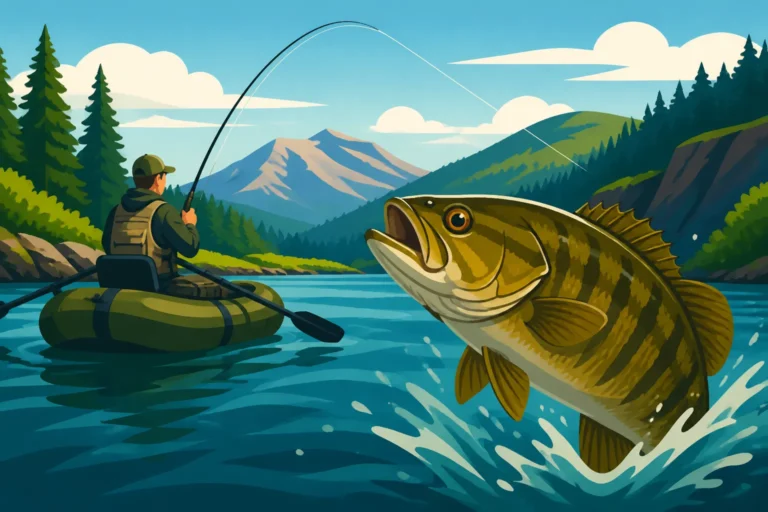
Applegate Lake is renowned for its excellent bass fishing, particularly smallmouth bass, which are abundant and feisty fighters. Largemouth bass are also present, often found in the shallower, more vegetated coves and arms. The lake's rocky structure and submerged timber create ideal habitats for both species.
- Techniques: For smallmouth, focus on rocky points, ledges, and drop-offs. Jigs, crankbaits, spinnerbaits, and soft plastics (like tubes or craws) are all highly effective. Largemouth often hide in cover, so targeting submerged brush, logs, and weed lines with Texas-rigged plastics, topwater lures, or spinnerbaits works well.
- Best Time: Bass fishing really heats up in the spring as water temperatures rise, leading to prespawn and spawning activity. Summer mornings and evenings are also productive, though bass may go deeper during the heat of the day. Fall can offer some fantastic fishing as bass feed aggressively before winter. Want to learn more? We have a comprehensive Oregon Bass Fishing Guide.
Kokanee Salmon
These landlocked sockeye salmon are a prized catch for many anglers at Applegate. They are known for their vibrant red flesh and delicious taste. Kokanee are typically found suspended in the open water column, feeding on zooplankton.
- Techniques: Trolling is the name of the game for kokanee. Small dodgers or flashers paired with mini hoochies, wedding rings, or small spinners are standard. Scent (like Anise or Kokanee Killer) and corn kernels are often added to the bait. A good depth finder is almost essential for locating schools of kokanee.
- Best Time: Kokanee fishing is generally best from late spring through early summer, when they are actively feeding and before they begin their spawning changes. As summer progresses, they often go deeper. For a deeper dive, check out our guide on Kokanee Salmon in Oregon.
Other Species
While trout, bass, and kokanee are the main draws, Applegate Lake also supports populations of other species, including:
- Crappie and Bluegill: Often found around submerged brush and fallen timber, especially in the shallower arms of the lake. Great for kids and panfish enthusiasts.
- Catfish: Primarily brown bullheads and channel catfish, found in the deeper, muddier sections of the lake, particularly at night.
Best Seasons and Times for Applegate Lake
The timing of your trip can significantly influence your success. Applegate Lake offers different experiences throughout the year.
Spring (March – May)
This is arguably the best all-around season for Applegate Lake. The lake is usually filling, water temperatures are rising, and fish are becoming more active. Trout fishing is excellent, as stocked rainbows are eager to bite. Bass begin to move into shallower waters for their prespawn and spawning rituals, making them aggressive and relatively easy to locate. Kokanee start to become active. Early mornings are typically the most productive, but action can be good throughout the day.
Summer (June – August)
Summer brings warmer water temperatures, which can push trout and kokanee deeper. Bass fishing remains strong, particularly in the early morning and late evening hours, when they move into shallower areas to feed. Midday fishing for trout and kokanee often requires trolling in deeper parts of the lake. This is also the busiest time for recreational boating, so expect more boat traffic, especially on weekends. It's a great time for family outings, combining fishing with swimming and camping.
Fall (September – November)
As water temperatures cool, fall offers a fantastic, often less crowded, fishing experience. Bass fishing can be phenomenal as they gorge themselves before winter, retreating to deeper structure later in the season. Trout fishing picks back up, especially for those that have grown larger throughout the summer. Kokanee can be found, though often deeper and may start to show spawning colors. The changing leaves surrounding the lake create a stunning backdrop for your fishing adventures. Be aware that lake levels can be at their lowest during this period, affecting some access points.
Winter (December – February)
Winter fishing at Applegate Lake is for the intrepid angler. Access can be limited by cold weather, but when conditions allow, there are opportunities. Deeper water fishing for trout and bass can still be productive. It’s a quiet time on the lake, offering solitude for those who don’t mind bundling up. Always check weather and road conditions before heading out, as some access roads might be impacted by snow or ice.
Maximizing Your Applegate Lake Fishing Experience
To truly make the most of your trip to Applegate Lake, a little preparation and local knowledge go a long way. This isn't just about having the right gear, but also understanding the nuances of a dynamic reservoir and leveraging available resources.
Essential Gear and Bait for Success
Having the right tackle can make all the difference, especially when you're targeting multiple species or adapting to changing conditions.
Rods, Reels, and Line
- Trout: A light to medium-light spinning rod (6-7 feet) with 4-6 lb test monofilament or fluorocarbon line is perfect for casting small lures or bait.
- Bass: A medium to medium-heavy spinning or casting rod (6'6" – 7'6") with 8-12 lb fluorocarbon or braided line with a fluorocarbon leader will handle most bass presentations.
- Kokanee: A light action trolling rod with a sensitive tip is ideal for detecting subtle kokanee bites, paired with a line counter reel and 10-15 lb braided line for depth control.
Baits, Lures, and Flies
- Trout: PowerBait (chartreuse, rainbow, garlic), nightcrawlers, small spinners (Rooster Tails, Mepps), small spoons (Kastmasters, Dick Nites). For fly fishing, pheasant tail nymphs, prince nymphs, and woolly buggers are good bets.
- Bass: Soft plastic worms, creature baits, jigs (especially football jigs for smallmouth), crankbaits (diving and lipless), spinnerbaits, and topwater lures (frogs, poppers) for largemouth.
- Kokanee: Small dodgers (like Sling Blades or Wee Tads) in bright colors (pink, green, orange) paired with mini hoochies (pink, green, white) or wedding rings tipped with white shoepeg corn soaked in scent (anise, garlic).
Other Essential Gear
A good depth finder/fish finder is invaluable, especially for locating kokanee and identifying structure for bass and deep-holding trout. Polarized sunglasses cut through glare, helping you spot underwater structure and cruising fish. Don't forget a landing net, especially for larger bass or trout, and a cooler with ice to keep your catch fresh. Remember, Applegate is in a natural setting, so bear spray isn't a bad idea if you're venturing off the beaten path, and always carry enough water and sun protection. If you're new to the sport, our guide to Oregon Fishing Techniques for Beginners can help you get started.
Navigating Water Levels and Conditions
As we've discussed, Applegate Lake's water levels are a significant factor. Here’s how to stay informed and adapt:
- Check Online Resources: The U.S. Army Corps of Engineers and the ODFW websites often provide current lake levels and reservoir conditions. Many local fishing forums and social media groups also offer real-time updates from anglers on the water.
- Call Ahead: Local tackle shops, like Rogue Valley Fishing in Medford, or even the park offices at Hart-Tish, are excellent sources of up-to-date information on ramp usability and fishing conditions. They live and breathe this stuff!
- Observe and Adapt: When you arrive, take a moment to observe the water levels. Look at the waterline on trees or rocks to gauge how much the lake has dropped. Be prepared to change your plan if your intended access point isn't viable. This might mean adjusting your launch point or switching from boat fishing to bank fishing.
Local Resources and Guided Trips
Sometimes, the best way to ensure a successful trip, especially to a new or challenging body of water like Applegate Lake, is to tap into local expertise.
- Local Tackle Shops: Beyond just selling gear, shops like Rogue Valley Fishing in Medford or the Ashland Fly Shop are treasure troves of information. The staff often fish these waters themselves and can provide invaluable advice on current hot spots, effective baits, and changing conditions. They can tell you what’s working right now.
- Hiring a Guide: If you're serious about maximizing your chances, especially for specific species or if you're unfamiliar with the lake, consider hiring a local fishing guide. Guides know the lake intimately, understand its changing moods, and can put you on fish faster than you might on your own. They typically provide all the necessary gear and boat, taking the guesswork out of your trip. Services like FishingBooker can help you find reputable guides operating on Applegate Lake, allowing you to compare options and book with confidence. They connect you with seasoned professionals who know exactly where to go and what techniques to use. It’s an investment, but it often pays off in knowledge gained and fish caught. Exploring a trip with an expert is a fantastic way to learn more about the lake, and our Oregon Fishing Guide Services article goes into more detail about how to choose the right one for you. Thinking about the overall cost? You might find it interesting to compare with How much does a full year of Oregon fishing cost with all tags to see how a guided trip fits into your angling budget.
By understanding Applegate Lake's unique characteristics, knowing your access options, and being prepared with the right gear and information, you're well on your way to a memorable and productive fishing adventure in Southern Oregon!
Disclaimer
Please note that fishing regulations and conditions can change. Always check the latest Oregon Department of Fish and Wildlife (ODFW) regulations before heading out. The information provided in this guide is for general informational purposes only and should not be considered legal advice.