When is Oregon trout season opening day
The dream of a glorious "opening day" for trout season, where everyone rushes to the rivers and lakes on a single, celebrated date, is a widespread one for many anglers in Oregon. However, the reality of fishing in our incredibly diverse state is a bit more nuanced. You see, Oregon doesn't operate with one universal trout season opening day; instead, it offers a complex, yet wonderfully varied, system of regulations that can feel a little overwhelming if you're not used to it. This guide will cut through the confusion, explaining how Oregon's trout seasons actually work and, most importantly, how you can pinpoint the exact opening days and year-round opportunities for your favorite fishing spots.
The Nuance of Oregon's Trout Season Opening Day
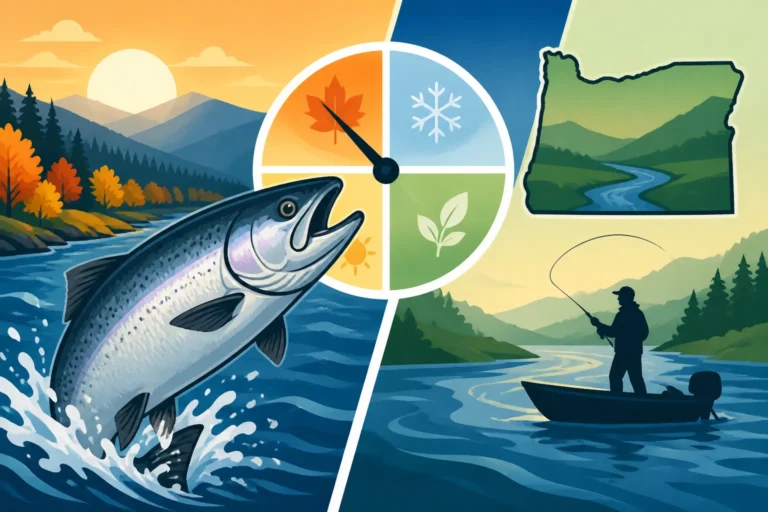
Forget the idea of a single, statewide siren blaring to announce the start of trout fishing. While some states might have one big "opener," Oregon's approach is far more intricate, reflecting its incredible variety of waterways and species. This can be a bit of a head-scratcher for new anglers or those visiting from out of state. You might hear whispers about a "general opener" in late April, but that's just a piece of a much larger, more diverse puzzle.
Why There Isn't a Single Universal Opening Date
Oregon's fisheries management is highly localized, a necessity given the vast differences between, say, a high-desert lake, a coastal river, or a Cascade mountain stream. Each of these environments supports different types of trout, faces unique ecological pressures, and requires tailored management strategies.
Think about it: a cold, nutrient-poor alpine lake might only sustain a few trout that grow slowly, needing different protection than a fertile lowland pond stocked with thousands of hatchery rainbows. Similarly, rivers that host migrating salmon and steelhead have trout seasons carefully coordinated to avoid impacting these anadromous fish. This complexity means that relying on a single opening day simply wouldn't make sense ecologically or for managing angler impact. Instead, trout seasons are set based on specific zones, water bodies, and even particular stretches of rivers or lakes. It's all about balancing conservation with providing ample fishing opportunities. To truly grasp the breadth of these rules, it's essential to understand the full scope of the Oregon Fishing Regulations Explained.
Understanding Different Trout Species and Their Seasons
Oregon is home to a fantastic array of trout, and their life cycles and populations also dictate season specifics. We're talking about native coastal cutthroat trout that might migrate to the ocean, robust rainbow trout often stocked from hatcheries, elusive brown trout in certain waters, and the iconic bull trout, which are federally protected and mostly catch-and-release with specific permits.
Each of these species might have different seasonal considerations. For instance, high mountain lakes often don't become ice-free until late spring or early summer, naturally delaying their effective "opening." Coastal rivers might have trout seasons that run concurrently with winter steelhead, but with very specific gear or retention rules to protect wild fish. The best way to get acquainted with these fantastic fish is by diving into the Oregon Trout Species Guide. Knowing what you're targeting can often give you clues about the best time to pursue them.
How to Find the Specific Trout Season Dates for Your Chosen Waterway
Given the patchwork nature of Oregon's trout seasons, your best tool for success isn't a calendar marking a single date, but rather the official Oregon Department of Fish and Wildlife (ODFW) regulations. These are your bible for understanding what's open, when, and under what conditions.
Consulting the Official ODFW Regulations
The Oregon Department of Fish and Wildlife (ODFW) publishes comprehensive angling regulations annually, usually available in late December or early January for the upcoming year. This is your primary source of truth, and it’s critical to consult it every single year because rules can change.
You can find the regulations booklet in a couple of key places:
- Online: The ODFW website is incredibly robust. Just search for "Oregon Sport Fishing Regulations" to find the most current digital version. It's usually a large PDF file, but it's searchable and regularly updated. This is where you'll also find the invaluable Where to find the Oregon trout stocking schedule.
- Physical Booklets: Most ODFW offices, fishing license vendors, and sporting goods stores like Dick's Sporting Goods or even some smaller local tackle shops will have free printed copies. These are fantastic to keep in your tackle box or glove compartment for quick reference on the go.
When you open those regulations, you'll immediately notice that Oregon is divided into several main fishing zones, each with its own set of rules that often override the general statewide regulations. Understanding which zone your chosen fishing spot falls into is the first step. For example, the Willamette Zone has different rules than the Central Zone or the Northwest Zone. Taking the time to study these zones, as explained in the Oregon Fishing Zones Explained guide, will save you a lot of guesswork and potential headaches.
Deciphering the Trout Stocking Schedule
For many anglers, especially families and those new to the sport, the "opening day" excitement truly revolves around stocked lakes and ponds. ODFW actively stocks thousands of rainbow trout, sometimes other species like cutthroat or brown trout, into various water bodies across the state. These stocking events often create what feels like an "opening day" because that's when a fresh batch of eager, catchable fish become available.
The ODFW publishes a detailed trout stocking schedule online. This schedule is usually updated weekly or bi-weekly and lists which bodies of water have been or will be stocked, with what species, and roughly how many fish. For instance, popular spots like Henry Hagg Lake near Forest Grove or Detroit Lake in the Cascades are often stocked heavily in spring, drawing crowds of anglers on the weekends following a major plant. If you want to maximize your chances and participate in these highly anticipated events, keeping an eye on the stocking schedule is paramount. It’s a fantastic way to find out How to Catch Trout in Stocked Oregon Lakes effectively.
Understanding Special Regulations and Permanent Seasons
Not all trout waters follow a spring "opener" and then close. Many rivers and lakes in Oregon offer continuous, year-round trout fishing, albeit often with special regulations designed to protect wild fish or ensure sustainable populations.
These special regulations might include:
- Gear Restrictions: Some waters are "fly-fishing only" or "artificial lures and flies only." This means no PowerBait or worms allowed.
- Catch-and-Release Only: Many pristine wild trout streams or sensitive populations require that all trout caught be immediately released unharmed. For instance, specific stretches of the Deschutes River or the Metolius River fall into this category. Familiarizing yourself with Oregon Catch-and-Release Rules is crucial to ensure you're fishing responsibly and legally.
- Size Restrictions: You might find minimum or maximum size limits, or even "slot limits" where you can only keep fish within a certain size range. This is often done to protect larger, spawning-sized fish or to thin out smaller, overpopulated ones.
- Bag Limits: Even in year-round waters, there will be daily and sometimes annual bag limits on how many trout you can keep. These vary drastically.
It's vital to check the specific regulations for every single body of water you plan to fish. Don't assume that because a nearby lake is open year-round with a five-trout limit, a river just a few miles away has the same rules. The ODFW regulations are broken down by zone, and then within each zone, by specific river basins, rivers, lakes, and even individual stream sections.
Gear Up for Trout Success: What You'll Need (and Where to Find It)
Once you've nailed down the "when" and "where," it's time to think about the "what." Having the right gear can make all the difference between a frustrating day and a fantastic one. You don't need to break the bank, but a few essential items will set you up for success.
Rods, Reels, and Lines for Trout Fishing
For most general trout fishing, especially in stocked lakes and smaller rivers, a light to medium-light spinning setup is perfect.
- Rods: A rod in the 6-foot to 7-foot range with a fast or moderate action is versatile. It's sensitive enough to feel subtle bites but has enough backbone to cast lighter lures and handle a decent-sized trout. Brands like Shimano or Daiwa offer excellent beginner-friendly combos.
- Reels: Pair your rod with a small spinning reel (size 1000 to 2500). Make sure it has a smooth drag system, which is crucial for fighting spirited trout without breaking your line.
- Line: Spool your reel with 4 to 6-pound test monofilament or fluorocarbon line. Monofilament is a bit more forgiving and easier to tie knots with, while fluorocarbon is nearly invisible underwater and more sensitive. Some anglers prefer braided line for its strength and sensitivity, but you'll almost always want to add a fluorocarbon leader. You can find a huge variety of reliable fishing lines, rods, and reels on Amazon.
Essential Baits, Lures, and Flies
This is where the fun begins! The options are endless, but let's cover the basics that consistently produce trout in Oregon.
- Baits: For stocked rainbow trout, you can't go wrong with power bait (in various colors like "rainbow" or "chartreuse"), nightcrawlers (worms), or salmon eggs. These are often fished off the bottom with a small weight and a floating bait presentation, or suspended under a bobber. For some deeper insights, check out Best Bait for Oregon Trout Fishing.
- Lures: Spinners are incredibly effective for trout in both lakes and rivers. Classic choices like Rooster Tails, Mepps, and Panther Martins in sizes 0 to 2 are deadly. Small spoons like Kastmasters or Little Cleos also work wonders, especially in lakes. These mimic baitfish and provide flash and vibration that attract trout.
- Flies: If you're venturing into fly-fishing only waters or just prefer the art of the fly, a whole new world opens up. Standard patterns like Woolly Buggers, Hare's Ears, Prince Nymphs, and various dry flies (like Elk Hair Caddis or Parachute Adams) are staples. The specific patterns will depend heavily on the time of year and the insect hatches occurring. For a deeper dive into techniques, consult Oregon Trout Fishing Techniques. Many fly patterns, as well as spinners and powerbait, are readily available on Amazon.
Beyond the Basics: Apparel and Accessories
Don't underestimate the importance of comfort and safety on the water.
- Appropriate Clothing: Dress in layers. Oregon weather can be unpredictable. Even on a sunny day, temperatures can drop, especially at higher elevations or near water. Rain gear is almost always a good idea, even if it's just a lightweight jacket.
- Footwear: Waders are a game-changer for river fishing, allowing you to access prime spots. If you're bank fishing, waterproof boots are often sufficient.
- Sun Protection: A wide-brimmed hat, sunglasses (polarized ones are fantastic for spotting fish and seeing underwater structure), and sunscreen are essential, even on cloudy days.
- Tools: A pair of needle-nose pliers or hemostats for hook removal, a small pair of line clippers, and a tape measure (to ensure your catch meets size limits) are invaluable.
- Landing Net: A small, rubberized landing net is highly recommended. It reduces stress on the fish, especially if you plan to release them, and makes landing your catch much easier and safer. You can grab many of these fishing accessories from Amazon for convenience.
Respecting the Rules and Ensuring a Great Experience
Knowing the regulations isn't just about avoiding a ticket; it's about being a responsible angler, protecting our fisheries, and ensuring everyone has a fantastic time on the water.
Licensing and Tags
This is non-negotiable. With very few exceptions (like Oregon's Free Fishing Days or specific age cut-offs), you must have a valid Oregon fishing license to fish in the state. For most trout fishing, a general annual angling license (or a daily/multi-day version for visitors) is sufficient.
- Age Requirements: Children 11 years old and younger generally do not need a fishing license in Oregon. Anglers aged 12-17 need a youth license, and those 18 and older need an adult license.
- Combined Angling Tag: For most straightforward trout fishing, you won't need the Oregon Combined Angling Tag Guide. This tag is specifically for targeting salmon, steelhead, sturgeon, and halibut. If you're solely focused on trout, your basic angling license will cover you. However, if you're in a river where you might incidentally catch a steelhead or salmon, it's wise to carry the tag or at least be aware of the specific catch-and-release rules for those species. For a full breakdown, check out the Oregon Fishing License Guide.
Daily Bag Limits and Size Restrictions
As we've touched upon, these are hugely variable. The statewide general limit for trout is often five fish per day, but this is overridden constantly by zone, river basin, lake, and even specific stretches of water.
For example, some high mountain lakes might have a 10-trout limit, while a specific river might have a two-trout limit, or be entirely catch-and-release. Size restrictions are also common, with minimum length requirements to ensure fish have a chance to mature and reproduce. Always consult the current regulations for the specific body of water you intend to fish. Understanding the nuances of Oregon Daily Bag Limits Explained will keep you on the right side of the law and help protect our valuable fish populations.
Practicing Ethical Angling
Beyond simply following the letter of the law, ethical angling practices are about respect—for the fish, for the environment, and for your fellow anglers.
- Catch and Release: If you're not planning to keep fish, or if you're in a catch-and-release only area, learn how to handle fish gently to maximize their survival chances. Keep them in the water as much as possible, use barbless hooks, and revive them properly before release.
- Leave No Trace: Pack out everything you pack in, and perhaps even a little extra. This means no discarded fishing line, bait containers, or food wrappers. Keep our beautiful Oregon waterways pristine.
- Respect Private Property: Always be aware of property boundaries. If you're unsure if a spot is public access, find another one. Don't trespass.
- Be Considerate: Share the water. Be mindful of other anglers, especially in popular spots. Give others space, avoid casting over their lines, and keep noise levels down.
By understanding that Oregon's trout season isn't a single opening day but rather a complex, fascinating system of diverse opportunities, you're well on your way to enjoying some of the best trout fishing the Pacific Northwest has to offer. Do your homework, grab your gear, and get out there!
Disclaimer
Please note that fishing regulations in Oregon are subject to change. Always consult the official Oregon Department of Fish and Wildlife (ODFW) regulations for the most current and accurate information before heading out to fish. This guide provides general information and should not be considered a substitute for the official ODFW regulations.