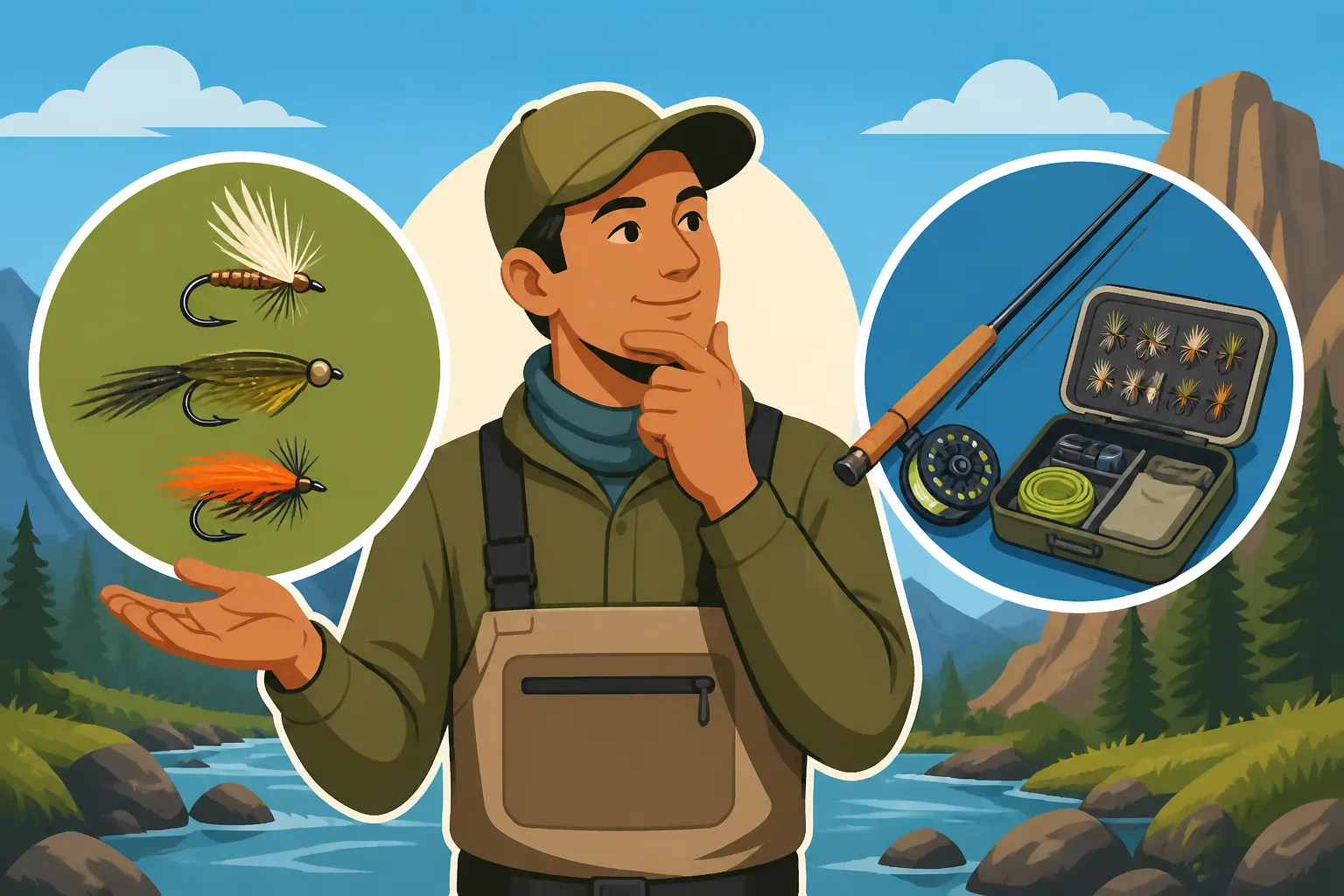
Do Central Oregon guides provide flies and gear?
Planning a fishing trip to the stunning rivers and lakes of Central Oregon is exciting, but for many anglers, a nagging question quickly arises: what exactly do those highly-regarded Central Oregon fishing guides provide, especially when it comes to flies and all the specialized gear? It's a common frustration, especially if you're traveling from out of state or just getting into the sport and don't own a full arsenal of equipment. This guide will walk you through what you can generally expect from Central Oregon fishing guides regarding gear, tackle, and those all-important flies, and how to make sure you’re perfectly prepared for your adventure.
The Essential Question: What Guides Typically Provide
When you're shelling out for a guided trip, you're not just paying for someone to row a boat or point you to a fishing hole. You're investing in expertise, local knowledge, and often, the convenience of having most of the necessary equipment taken care of. Most reputable Central Oregon guides understand this completely and aim to make your experience as seamless as possible. However, the specifics can vary, so it's wise to go in with a clear understanding of what's usually on the table.
Standard Inclusions: Rods, Reels, and Tackle
Generally speaking, almost all Central Oregon fishing guides will provide the fundamental fishing gear: rods, reels, and basic terminal tackle. This is a huge relief for many anglers, as it means you don't have to worry about packing cumbersome rod cases or ensuring your reels are spooled with the right line for the local conditions. Imagine flying into Redmond/Bend without having to check an oversized rod tube – that's the kind of convenience we're talking about.
For a trip on the Deschutes River targeting rainbow trout, for instance, your guide will likely have an array of appropriate fly rods, from lighter weights for delicate dry fly presentations to heavier rods for nymphing deeper runs. They’ll also have reels perfectly matched to those rods, spooled with fresh line and leaders designed for the specific water you’ll be fishing. For conventional gear trips, perhaps on Lake Billy Chinook for kokanee or bull trout, they'll have the right spinning or casting setups ready to go. This typically includes a selection of weights, swivels, and hooks. The quality of this gear is often top-notch, as guides rely on durable, high-performance equipment that can withstand daily use and perform reliably for their clients. It’s part of the professional service they offer, ensuring you have the best chance at success with gear that’s up to the task.
Specialized Gear: Flies, Waders, and Boots
Now, this is where the "flies and gear" question gets a little more nuanced. When we talk about "specialized gear," we're often thinking beyond just a rod and reel. This includes things like flies (which are an art form in themselves!), waders, and wading boots, which are absolutely crucial for many Central Oregon fishing scenarios.
For fly fishing guides, the answer regarding flies is almost universally a resounding yes. Your guide will typically provide all the flies you’ll need for the day. And let me tell you, this is a massive benefit. Central Oregon rivers like the Deschutes, Metolius, and Crooked have diverse insect hatches and specific patterns that perform best at different times of the year. Keeping up with these can be a full-time job! Your guide lives and breathes this stuff; they'll know exactly which stoneflies, caddis, mayflies, or streamers are hot, cold, or just plain wrong for the day. They'll tie on the appropriate patterns, make adjustments as conditions change, and replace lost flies without a second thought. You won't have to worry about buying an entire fly box just for one trip or scrambling to find local fly shops that might be out of stock. This alone can save you a significant amount of money and mental energy. It's often one of the best reasons to hire a guide – their intimate knowledge of the local insects and fish behavior, and the flies to match. For those looking to learn more about Oregon Bait and Lure Guide, your guide will also be an invaluable resource.
Waders and wading boots are another story, though. While some guides do provide them, it’s not as universal as rods or flies. Many guides will have a limited supply of sizes, often focusing on common adult male sizes. They might offer them as part of a package or sometimes for an additional rental fee. It’s definitely less common for guides to have a full range of women's or children's sizes. Waders are personal items, and fit is crucial for comfort and safety, especially when you're spending hours wading in cold rivers. So, while you might find a guide who can furnish them, it's safer to either bring your own if you have them, or specifically inquire about sizing and availability well in advance. For those considering How to Fly Fish in Oregon, comfortable and well-fitting waders are non-negotiable.
Why There's Variation: Factors Influencing Inclusions
It might seem confusing why some things are always included and others aren't. But when you think about the practicalities of guiding, the different types of trips, and the varied needs of clients, the reasons for these variations become pretty clear.
Trip Type and Target Species
The type of fishing trip you're embarking on and the species you're targeting play a huge role in what gear is provided. A fly fishing trip for trout on the Deschutes River, for example, is inherently different from a conventional gear trip for salmon on the Columbia River or a stillwater trip for Kokanee Salmon in Oregon at a lake.
For a dedicated Deschutes River Fly Fishing Guides experience, the specialized nature of fly fishing means the guide will almost certainly supply all flies, tippet, and often even indicators. This is because fly patterns are highly specific and constantly changing with hatches. A guide specializing in Oregon Trout Fishing Techniques will have a vast inventory of dry flies, nymphs, and streamers, and they know precisely which ones will work at any given moment. They literally live and breathe fly selection. However, if you're on a multi-species trip that might involve both fly fishing and conventional methods, the inclusions might be broader. For a steelhead trip in the winter on an Oregon coastal river, the gear provided might lean more towards spey rods and specialized steelhead flies if you're fly fishing, or heavier conventional tackle if you're drift fishing. The guide tailors their provision to the specific pursuit, ensuring you have the optimal tools for the job, rather than a generic setup.
Guide's Business Model and Client Focus
Every guide service operates a little differently, and their business model often dictates what's included in their standard rates versus what might be an add-on. Some guides market themselves as all-inclusive, aiming to remove every possible barrier for their clients, especially those new to fishing or visiting from afar. These might be the guides who explicitly state that waders, boots, and even a packed lunch are part of the deal. They're often catering to a clientele that wants a completely hassle-free experience.
Other guides might focus more on providing their expertise and the core fishing equipment, assuming that more experienced anglers will bring their personal favorites or already own specialized items like waders. These guides might offer waders for rent as an optional extra. It’s also common for guides who run longer, multi-day trips to have more extensive gear provisions, as clients are less likely to want to haul a full complement of gear for an extended stay. For example, a guide specializing in Oregon Steelhead Fishing Techniques who offers multi-day packages might be more inclined to include all specialized cold-weather gear. FishingBooker is a great resource here, as many guides list their inclusions and exclusions very clearly on their profiles, allowing you to easily compare what different services offer before you commit. It allows you to find a guide that perfectly matches your comfort level and gear needs, whether you're a seasoned pro or a complete beginner.
How to Confirm: Asking the Right Questions Before You Book
Given the variations, the single most important thing you can do is communicate clearly with your guide before you finalize your booking. Don’t assume anything. A quick conversation or email exchange can clear up any ambiguities and prevent surprises on the day of your trip.
Direct Communication is Key
Before you put down a deposit, pick up the phone or send a detailed email to your chosen Central Oregon fishing guide. This isn't just about clarifying gear; it's also a great way to gauge their personality and communication style, which is super important for a good guide-client relationship. You want to ask specific questions:
- "Will you provide all the flies and leader material for the day?"
- "Do you have waders and wading boots available? If so, what sizes do you carry, and is there an extra charge?"
- "What size rods and reels do you typically use, and are they suitable for my skill level?" (This is especially pertinent if you're a beginner or have specific preferences.)
- "Is anything else included, like lunch, snacks, or drinks?"
- "What kind of fishing license do I need to acquire beforehand?" (Often, guides will remind you of this, but it’s always good to be proactive).
These detailed questions help ensure that both you and the guide are on the same page. A good guide will appreciate your thoroughness and provide clear, direct answers, demonstrating their professionalism and commitment to your experience. Remember, you're investing in this trip, so don't hesitate to ask! For instance, if you're planning a trip with Bend Oregon Fly Fishing Guides, confirming these details upfront ensures a smooth outing on the Deschutes or Metolius.
Reviewing the Guide's Website and Booking Platforms
Many reputable Central Oregon guides have fantastic websites that detail exactly what they provide. Look for a "What's Included" or "What to Bring" section. These pages are often very comprehensive, listing everything from rods and reels to flies, bottled water, and even necessary safety equipment. It’s also where they’ll typically outline their policy on waders and boots.
If you're using a booking platform like FishingBooker, pay close attention to the individual trip listings. Guides on these platforms are usually encouraged to be very explicit about inclusions. You’ll often see checkboxes or bulleted lists specifying if "fishing gear," "bait," "lures," "flies," and "fishing licenses" are included or not. This is a fantastic way to compare offerings from different guides side-by-side. Sometimes, a guide might charge a bit more, but their all-inclusive package might actually save you money and hassle in the long run by covering those extra items. It also helps you understand the true Oregon Fishing Charter Costs upfront. Always cross-reference the website and any booking platform information with a direct communication if you have any lingering doubts, especially for items like waders where fit is paramount.
What to Bring Yourself: Beyond the Guide's Gear
Even with a super-inclusive guide, there are always a few personal items you'll need to bring to ensure your comfort and safety on the water. These are things specific to you, your body, and your personal preferences, and no guide can realistically provide them.
Personal Comfort and Safety Items
Central Oregon weather can be famously unpredictable, especially in the mountains and high desert. Layering is always the name of the game. Even on a sunny summer day, mornings can be chilly, and afternoon showers are common. So, pack accordingly:
- Rain Gear: A good quality, waterproof jacket and pants are essential, even if the forecast looks clear. Nothing ruins a day faster than being soaked and cold.
- Layers of Clothing: Think moisture-wicking base layers, a fleece or wool mid-layer, and quick-drying pants. Avoid cotton if possible, as it stays wet and will make you cold.
- Sun Protection: Sunscreen, a wide-brimmed hat, and polarized sunglasses are non-negotiable. The glare off the water can be intense, and sunglasses are vital for eye protection and spotting fish.
- Personal Medications: Don't forget any prescription medications you need, as well as over-the-counter essentials like pain relievers or allergy medication.
- Water Bottle/Snacks: While some guides provide water and snacks, bringing your own refillable water bottle is always a good idea. If you have specific dietary needs, definitely pack your own snacks.
- Camera: To capture those memorable moments! Just make sure it's waterproof or in a waterproof case.
- Small backpack/dry bag: To keep your personal items organized and dry.
These seemingly small items make a huge difference in your overall experience. Being comfortable allows you to focus on the fishing and fully enjoy the incredible scenery of Central Oregon. For instance, on a long day pursuing Oregon Salmon Fishing Techniques, staying dry and fueled is key.
Licensing and Essential Documentation
This is perhaps the most critical item you must bring yourself: your Oregon fishing license. No guide, no matter how all-inclusive, can provide you with a personal fishing license. You are legally required to possess one before you start fishing. This includes any necessary endorsements, such as a Combined Angling Tag if you're targeting salmon or steelhead, or a Columbia River Basin Endorsement if you plan to fish that area with your guide.
You can usually purchase your Oregon Fishing License Guide online through the Oregon Department of Fish and Wildlife (ODFW) website, or at many sporting goods stores and tackle shops in Central Oregon. It's always best to buy it before your trip date to avoid any last-minute stress. Make sure you understand the Oregon Fishing License Types Explained relevant to your trip. Some guides might offer to help you purchase one on the morning of your trip, but it's much smoother if you have it ready. Carry either a printed copy or have it readily accessible on your smartphone (though a paper copy is always a safer bet in areas with spotty cell service). Without a valid license, your guide cannot take you fishing, and you could face significant penalties. It's a simple step, but absolutely essential for a legal and enjoyable trip.
| Item Type | Generally Provided by Guide (Most Cases) | Sometimes Provided / Inquire First | You Must Bring Yourself |
|---|---|---|---|
| Fishing Rods | Yes | ||
| Fishing Reels | Yes | ||
| Terminal Tackle | Yes (hooks, weights, swivels) | ||
| Flies | Yes (especially for fly fishing) | ||
| Bait | Yes (for conventional bait fishing) | ||
| Leaders/Tippet | Yes | ||
| Waders | Yes (limited sizes, may be rental) | Recommended if owned | |
| Wading Boots | Yes (limited sizes, may be rental) | Recommended if owned | |
| Lunch/Snacks | Yes | Specific dietary needs | |
| Water | Yes | Personal bottle | |
| Rain Gear | Yes | ||
| Layers | Yes | ||
| Sun Protection | Yes (hat, sunglasses, sunscreen) | ||
| Fishing License | Absolutely Yes | ||
| Personal Meds | Yes | ||
| Camera | Yes |
Taking a guided fishing trip in Central Oregon is an incredible way to experience its diverse and productive fisheries, from the renowned Deschutes to the high mountain lakes. By understanding what guides typically provide, asking the right questions, and preparing your personal essentials, you'll be set for a truly memorable adventure. Don't let the gear question hold you back from exploring the amazing angling opportunities this region has to offer!
Disclaimer
This article is for general informational purposes only and does not constitute professional advice. Laws, prices and regulations vary by location and change over time. Consult a qualified professional for guidance on your specific situation.