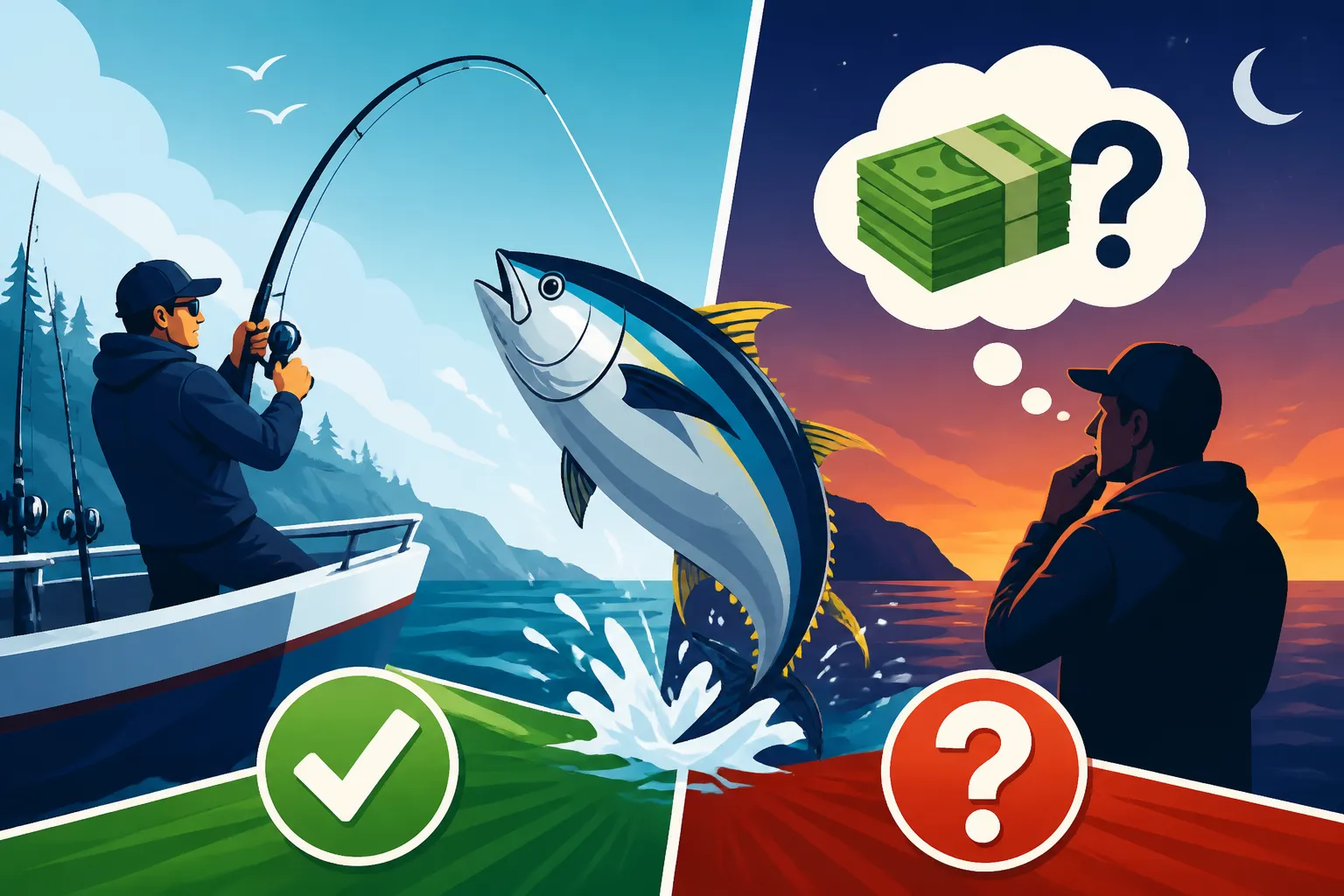
Is a 24 hour tuna trip worth the cost?
The idea of embarking on a 24-hour tuna trip off the Oregon coast conjures images of epic battles with hard-fighting Albacore, endless ocean horizons, and coolers overflowing with prime sashimi-grade fish. But let's be real: for many anglers, the substantial cost and time commitment raise a crucial question – is it truly worth the investment? This comprehensive guide will peel back the layers of this unique offshore adventure, helping you weigh the exhilarating highs against the practical realities to decide if a full-day tuna excursion is right for you.
Understanding the Allure of a 24-Hour Tuna Trip
The call of the open ocean, the promise of fast-paced, adrenaline-pumping action, and the reward of some of the finest eating fish in the sea make offshore tuna fishing an irresistible draw. But what exactly makes a 24-hour trip so distinct and desirable for many passionate anglers?
The Dream of Offshore Tuna Fishing in Oregon
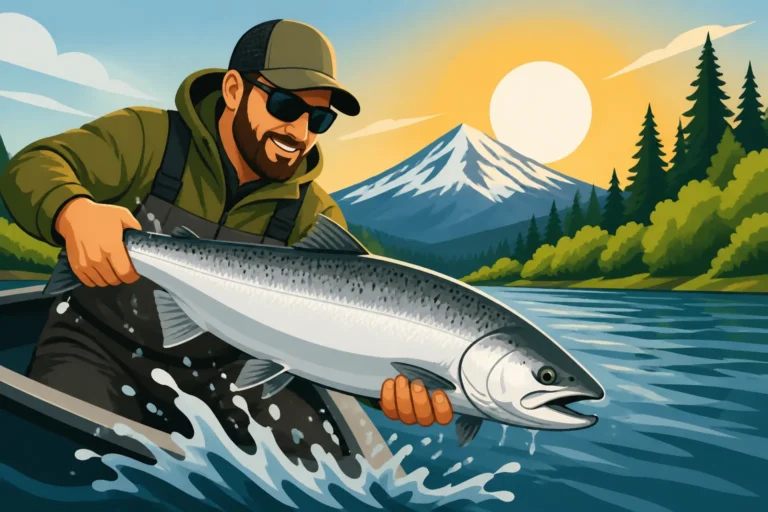
When we talk about tuna fishing off the Oregon coast, we're almost exclusively focused on Albacore tuna. These torpedo-shaped powerhouses migrate into our waters during the warmer months, typically from late summer into early fall. They're renowned for their fierce fights and delicious white meat, making them a highly sought-after species. The dream isn't just about catching fish; it's about the entire experience: the vastness of the Pacific, the camaraderie with fellow anglers and crew, the anticipation of that first screaming reel, and the primal satisfaction of bringing a magnificent fish aboard. It's a true blue-water adventure, far from the sheltered bays and rivers, and that sense of wildness is a huge part of its appeal. It's a chance to truly test your mettle against the ocean's bounty.
What "24-Hour" Really Means
When a charter advertises a "24-hour tuna trip," it's not simply 24 hours of non-stop fishing directly off the coast. This extended timeframe typically includes a significant steam (travel time) out to the distant offshore fishing grounds where the Albacore are concentrated. These grounds can be anywhere from 40 to over 100 miles offshore, often involving crossing the notorious "blue water" line where the continental shelf drops off. The 24-hour window allows for ample travel time, multiple hours of active fishing, and often includes an overnight component where the boat might drift or troll slowly, allowing anglers to rest while still being ready for an unexpected bite. It's a marathon, not a sprint, designed to maximize your time in the productive zones and increase the chances of hitting a feeding frenzy. This longer duration also accounts for potential weather changes, giving the captain more flexibility to find comfortable water or move to different areas if conditions shift.
Breaking Down the Costs: What You're Paying For
Let's be upfront: a 24-hour tuna trip is not a budget fishing excursion. It's a significant financial commitment, and understanding where your money goes is crucial to evaluating its worth. The sticker price can be daunting, but there's a lot packed into that figure.
The Major Financial Outlays
The bulk of the cost for a 24-hour tuna trip comes from the charter fee itself. This fee covers an incredible amount of overhead. First, there's the vessel itself: a large, ocean-worthy boat capable of handling offshore conditions, equipped with advanced electronics, safety gear, and specialized tuna fishing equipment. Then, there's the crew – experienced captains and deckhands who know these waters, can find the fish, and are dedicated to making your trip safe and successful. Their expertise is invaluable.
The most significant operational expense, however, is fuel. Running a large boat 100+ miles offshore and back, plus hours of trolling and maneuvering, consumes an immense amount of diesel. Think of it like this: a typical offshore vessel can burn many gallons per hour, and a 24-hour trip involves many hours of running. Maintenance, insurance, dockage, and general upkeep of these specialized boats are also substantial costs that are factored into your trip price. Beyond the charter fee, you'll also have personal expenses. You'll need an Oregon Ocean Endorsement in addition to your Oregon Fishing License Guide, suitable clothing, food, and drinks for 24 hours (sometimes provided, sometimes BYO). And, of course, the customary gratuity for the hard-working crew is an important consideration.
Comparing Shorter Trips to the 24-Hour Excursion
Many charters offer shorter 8-hour or 12-hour tuna trips. These are generally less expensive per person, and for good reason. A shorter trip means less fuel burned, less crew time, and less wear and tear on the vessel. However, the trade-off is often in opportunity. Albacore tuna are highly migratory and can be found far offshore. An 8-hour trip might spend 3-4 hours just running to and from the fishing grounds, leaving only a few precious hours to actually locate and fish for tuna. If the fish are particularly distant that day, or if they move, a shorter trip might mean you spend more time looking than fishing.
The 24-hour trip, while a greater upfront investment, aims to mitigate this by maximizing your "fishing window." It allows the captain to push further offshore, explore more areas, and stay on the fish longer once they're found. If the tuna bite slows down in one area, the captain has the flexibility to move to another without the pressure of needing to head back to port soon. This extended time significantly increases your chances of encountering multiple schools of tuna and putting a good number of fish in the boat. For many, this enhanced opportunity makes the extra cost a justifiable expense, turning a gamble into a more probable success story.
The Benefits and Drawbacks of an Extended Tuna Adventure
Deciding whether to commit to a 24-hour tuna trip involves weighing the incredible potential rewards against some very real challenges. It’s an adventure, and like all adventures, it comes with its own set of pros and cons.
The Upsides: More Opportunity, Deeper Waters, Unique Experience
The primary benefit of a 24-hour tuna trip is simply more time on the water, and crucially, more time in the right water. Albacore tuna often hold in specific temperature breaks, current seams, or areas of baitfish far offshore. A 24-hour trip allows the captain to travel further to these prime locations, which might be inaccessible on a shorter trip. This increased range translates directly into a higher probability of finding and staying on biting fish. Imagine hitting a "foamer" – a massive school of tuna actively feeding on bait at the surface – and being able to work that school for hours without worrying about the clock.
Furthermore, the extended trip provides a unique overnight experience. There's something magical about being miles offshore under a blanket of stars, far from any light pollution. You might even experience night fishing opportunities if the tuna are active in the dark, or simply enjoy the tranquility of drifting with the ocean swells. This longer duration also allows for more varied fishing techniques. A captain might try different trolling patterns, jigging, or even live baiting tactics that wouldn't be feasible on a shorter schedule. It fosters a deeper camaraderie among anglers and crew, as you truly share an immersive experience together, battling fish, sharing meals, and creating lasting memories. It moves beyond just a fishing trip and becomes a true expedition.
The Downsides: Physical Demands, Weather Risks, Investment
On the flip side, the extended duration of a 24-hour tuna trip brings several significant challenges. First, there are the physical demands. Being on a boat for 24 hours, often in rolling swells, can be incredibly taxing. Seasickness is a very real concern for many, and even those with strong stomachs can experience fatigue. You'll be standing, reeling, and fighting powerful fish for hours, sometimes through the night. It requires a good level of physical stamina and mental fortitude. It's not a relaxing cruise; it's work, albeit exciting work.
Then there's the inherent risk of weather. Oregon's offshore weather can change rapidly and dramatically. While captains prioritize safety and will cancel if conditions are truly unsafe, a 24-hour trip means you're exposed to these changing conditions for a longer period. Rough seas, fog, or unexpected storms can turn an exciting trip into a miserable one, or even force an early return to port, potentially cutting short your fishing time without a corresponding reduction in cost. There’s also the significant financial investment. This is not a cheap outing, and if the fishing is slow (it happens, even to the best captains), or if the weather sours, the disappointment can be amplified by the money spent. It’s important to manage expectations and understand that even with the best efforts, fishing success is never guaranteed.
| Feature | 8-12 Hour Tuna Trip | 24 Hour Tuna Trip |
|---|---|---|
| Cost | Lower per person | Significantly higher per person |
| Time on Water | Limited fishing time after travel | Extended fishing time, more flexibility |
| Fishing Grounds | Closer to shore, less variety | Deeper, more distant, potentially richer |
| Physical Demands | Moderate to high | Very high, requires endurance |
| Seasickness Risk | Present | Elevated due to extended exposure |
| Experience Type | "Day trip" fishing | Full immersion, expeditionary |
| Chance of Fish | Good, but can be limited by time/range | Increased due to range and duration |
| Overnight Stay | No | Typically includes rest periods/sleeping |
| Crew Interaction | Casual | More in-depth, shared experience |
Is It Worth It for YOU? Factors to Consider
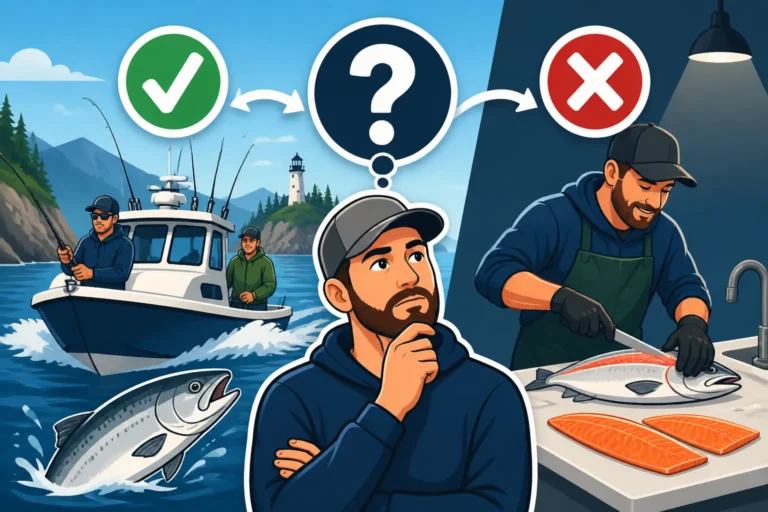
The ultimate question of whether a 24-hour tuna trip is worth the cost is deeply personal. What one angler considers an invaluable experience, another might see as an unnecessary extravagance or an overly demanding ordeal. Let's break down the individual factors that should guide your decision.
Your Experience Level and Physical Stamina
Before booking such an intense trip, honestly assess your fishing experience and physical conditioning. Are you accustomed to long days on the ocean? Have you experienced significant seasickness before, and if so, do you have a reliable way to manage it? A 24-hour trip involves long hours of standing, bracing against waves, and potentially fighting multiple powerful fish. It's not a leisurely day on a lake; it requires energy, balance, and a certain resilience.
If you're new to offshore fishing or prone to motion sickness, a shorter 8 to 12-hour trip might be a much more sensible "starter" experience. You can gauge your tolerance for the open ocean and the demands of tuna fishing without committing to the full marathon. Consider your ability to sleep (or attempt to sleep) on a rocking boat, and your comfort with being far from land for an extended period. This trip is for those who embrace the challenge and are prepared for a demanding, yet potentially incredibly rewarding, adventure.
Your Budget and Prioritization of a "Bucket List" Trip
Financially, a 24-hour tuna trip is a premium experience. It's often priced significantly higher than other types of Oregon fishing, such as Oregon Salmon Fishing Techniques in coastal rivers or even other offshore options like bottom fishing for rockfish. You need to consider if this cost aligns with your overall fishing budget and if this particular experience is a high priority for you.
For some, it's a "bucket list" item – a once-in-a-lifetime adventure they've saved for and are willing to splurge on. For others, who might prefer more frequent, less expensive outings, the cost might simply be too prohibitive. Think about the value you place on unique experiences versus the practical aspects of cost. If the thought of a full day and night chasing tuna fills you with genuine excitement and you can comfortably afford it, then the "worth" factor increases significantly. If it strains your finances or makes you anxious, then perhaps redirecting that budget to several Oregon Annual Angling License and more accessible trips might bring you more overall enjoyment.
The Importance of a Reputable Charter and Preparation
No matter how much you're spending, the quality of your experience hinges heavily on the charter company you choose. A reputable charter with an experienced captain and crew makes all the difference on a 24-hour trip. They know the offshore grounds, track weather patterns meticulously, prioritize safety, and work tirelessly to put you on fish. Don't skimp on research here. Read reviews, ask for recommendations, and confirm their safety protocols and what's included in the price (food, drinks, tackle, fish cleaning?).
Platforms like FishingBooker can be an excellent resource for finding well-vetted charters and seeing what other anglers have to say about their experiences. Once you've booked, proper personal preparation is paramount. This includes appropriate clothing for all weather conditions (layers are key!), high-quality seasickness medication if you need it, sunscreen, sunglasses, and a good attitude. Being well-rested before you board is crucial for maximizing your enjoyment and stamina. A well-chosen charter and thorough preparation can transform a potentially grueling trip into an unforgettable success. Remember, a good captain will communicate openly about conditions and prospects, setting realistic expectations for the journey ahead.
Maximizing Your 24-Hour Tuna Trip Investment
You’ve decided to take the plunge and booked that epic 24-hour tuna trip. Fantastic! Now, how do you ensure you get the absolute most out of your significant investment in time and money? It’s not just about showing up; it’s about preparing, engaging, and appreciating every moment.
Preparation is Key: Gear, Mindset, and Health
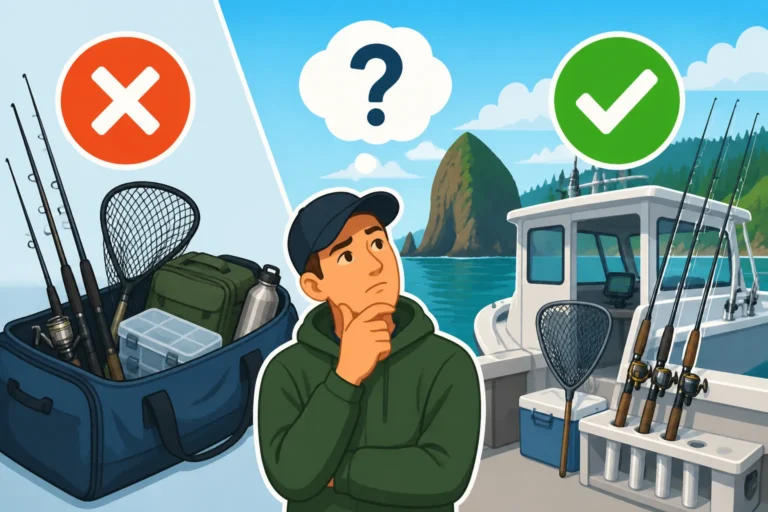
We’ve touched on this, but it bears repeating: proper preparation will make or break your trip enjoyment. Beyond your Oregon Fishing License Guide and the required endorsements, let's talk practicalities. For gear, even if the charter provides rods and reels, consider what you need personally.
- Clothing: Think layers, layers, layers! Offshore Oregon weather can change from calm and sunny to foggy and blustery in a heartbeat. Waterproof outer layers are non-negotiable, even if it’s not raining – boat spray is a thing. Insulating layers like fleece or wool are vital. Don't forget a warm hat and gloves, especially for early mornings or if you're out overnight.
- Seasickness: If you're even slightly prone, take preventative measures. Patches, pills, ginger chews – whatever works for you, start it before you board. Once seasickness hits hard, it's incredibly difficult to shake, and it will ruin your trip. Staying hydrated and avoiding heavy, greasy foods the night before can also help.
- Rest: Get a full night's sleep before the trip. You'll be awake and active for many hours, and a well-rested body and mind are much more capable of handling the physical demands and enjoying the experience.
- Food & Drink: While some charters provide meals, confirm what's offered. Bring plenty of water, sports drinks, and easy-to-eat snacks that aren't too rich or greasy. Sandwiches, fruit, and granola bars are usually good choices. A small cooler with ice for your personal items is always a good idea.
- Mindset: Go with an adventurous spirit! Understand that fishing is unpredictable. There will be downtime, and there might be periods where the bite is slow. Be patient, soak in the ocean experience, and appreciate the journey as much as the potential catch.
Being a Good Crew Member and Angler
You're paying for a spot, but you're also part of a team for the next 24 hours. A good attitude goes a long way. Listen to the captain and deckhands. They are the experts, and their instructions are for your safety and the success of the trip. If they ask you to move a rod, clear a line, or step back, do it promptly. When the tuna bite is hot, things can get chaotic quickly. Being alert, following directions, and being ready to reel when a fish hits will make the experience smoother and more enjoyable for everyone.
Don't be afraid to ask questions, either! This is a fantastic opportunity to learn Oregon Salmon Fishing Techniques or Oregon Trolling and Boat Fishing Techniques from seasoned professionals. Observe how they rig baits, spot fish, and handle the boat. Many charters, especially those found on platforms like FishingBooker, pride themselves on providing educational experiences. Offer to help when appropriate, whether it's gaffing a fish (if you're experienced and the crew allows), coiling lines, or just keeping the deck clear. Remember to be generous with your gratuity for the crew – they work incredibly hard, often in challenging conditions, to ensure your trip is a success.
Post-Trip Enjoyment: Processing Your Catch
One of the biggest payoffs of a successful tuna trip is the incredible bounty of fresh Albacore. These fish are fantastic table fare, whether seared, grilled, or turned into delectable sushi or sashimi. Before you even head out, consider how you’ll handle your catch.
- On Board: Most good charters will gut and bleed your tuna immediately after it's caught. This is crucial for preserving the quality of the meat. They’ll then put the fish on ice in large coolers.
- After the Trip: Upon returning to port, the crew will often assist with filleting, or there might be professional fish processors available at the dock for a fee. If you plan to do it yourself, make sure you have a clean workspace, sharp knives, and plenty of ice to keep the fillets cold.
- Storage: Albacore freezes incredibly well. Vacuum sealing is highly recommended to prevent freezer burn and maintain quality for months. Share your bounty with friends and family, host a fresh tuna BBQ, or even explore canning some of your catch for long-term storage. Knowing you have a freezer full of delicious, healthy protein makes the entire "worth it" equation even sweeter. The Albacore Tuna Fishing Season is relatively short, so enjoy it while you can!
Disclaimer
This article is for general informational purposes only and does not constitute professional advice. Laws, prices and regulations vary by location and change over time. Consult a qualified professional for guidance on your specific situation.