Do you need waders for Oregon river fishing?
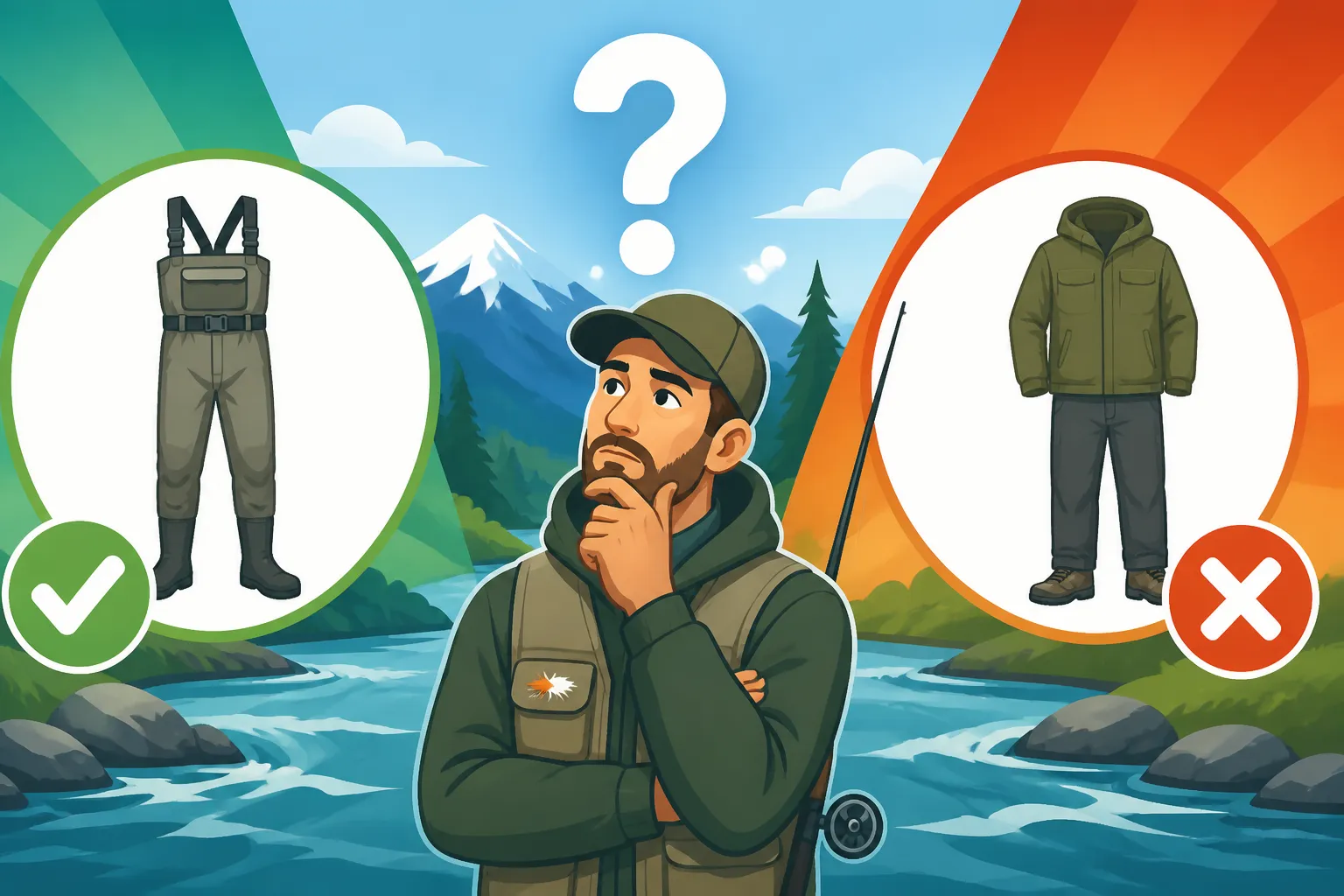
Oh, the age-old question that plagues every angler eyeing Oregon's magnificent rivers: "Do I really need waders?" It's a valid struggle, especially when you're just starting out or trying to minimize gear. You look at those chilly, rushing currents, and then you look at your wallet, and you wonder if you can make do. This comprehensive guide is here to cut through the confusion and help you decide if waders are a must-have for your Oregon river fishing adventures, exploring when they're essential, when you might skirt by, and what kind of waders are best for our unique waterways.
Understanding the "Need" for Waders in Oregon Rivers
Let's be real, stepping into an Oregon river, even on a sunny summer day, can be a shocking experience. Our rivers, fed by mountain snowmelt and persistent rainfall, are notoriously cold. The need for waders isn't just about avoiding wet socks; it's about comfort, safety, and ultimately, your ability to truly engage with the fishing experience our state offers. Without them, you might find yourself shivering on the bank, watching prime fishing spots just out of reach, or worse, risking hypothermia.
The Nature of Oregon's Rivers and Your Fishing Style
Oregon boasts an incredible diversity of rivers, from the broad, powerful Columbia River to the nimble, freestone streams of the Cascades and the intimate coastal rivers. Each presents its own challenges. If you're planning on fishing from a sturdy drift boat or a well-maintained dock, your need for waders might be minimal. You might just need some waterproof boots for launching or landing. However, the moment you consider stepping out of the boat, or if your fishing style involves actively moving through the water, the game changes entirely. Fly fishing, for instance, almost always necessitates getting into the river to cast effectively and present your fly downstream. Similarly, many effective Oregon Steelhead Fishing Techniques and Oregon Salmon Fishing Techniques involve wading into prime runs to get your gear in the fish's zone. You're not just casting from the bank; you're often strategically positioning yourself in the current.
Our rivers are dynamic, with varying depths, tricky currents, and often very slippery, rocky bottoms. Even a seemingly shallow section can hide a sudden drop-off. The continuous exposure to cold water, even if it feels "mild" for a few minutes, can quickly drain your body heat. This isn't just uncomfortable; it can lead to fatigue and impair your judgment, making it harder to stay safe and enjoy your time on the water.
When You Might Get Away Without Waders
Okay, let's be honest, there are some scenarios where you might be able to leave the waders at home, or at least opt for something lighter. If your primary goal is casual bank fishing in an easily accessible, relatively warm pond or a very shallow creek during the height of summer, you might get by with waterproof hiking boots and quick-drying pants. Think about little stocked ponds for Oregon Trout Fishing Techniques where you're not planning to venture past your ankles, or fishing a low-flow section of a river where the water barely covers your feet. Even then, the risk of a misstep or an unexpected deeper spot is always there.
Another instance might be if you're exclusively fishing from a boat or kayak and never plan to leave the vessel to stand in the water. For certain types of Oregon Fishing Techniques for Beginners where the focus is solely on casting from a pier or shore, waders could be overkill. However, even in these situations, a good pair of waterproof boots is a wise investment. Just remember, "getting away" without waders often means sacrificing comfort, limiting your access to prime water, and potentially cutting your trip short if the chill sets in. It's a trade-off that many experienced anglers would advise against for most Oregon river scenarios.
Types of Waders and What They Offer
If you've decided that waders are indeed going to be a part of your Oregon fishing kit – and for most serious river anglers, they absolutely should be – the next step is understanding the different types available. It's not a one-size-fits-all world, and choosing the right wader material and style can make a huge difference in your comfort and success on the water.
Chest Waders vs. Hip Waders
When you start looking at waders, you'll primarily encounter two main styles: chest waders and hip waders.
Hip waders, as the name suggests, come up to your hips, much like waterproof pants. They're lighter, generally less expensive, and offer more mobility. They're a decent choice if you're absolutely certain you'll only be wading in very shallow water, perhaps just crossing a small stream or working along the edge of a calm lake. For example, if you're targeting small trout in a meadow stream that rarely gets deeper than your knees, hip waders could work. However, in Oregon's often unpredictable rivers, relying solely on hip waders is risky. A sudden drop-off, a stumble, or even just needing to go a little deeper to land a fish can quickly leave you soaked and miserable. They offer minimal protection against deeper currents or unexpected splashes.
Chest waders are the undisputed champions for most Oregon river fishing. These extend up to your chest, held by suspenders, providing full waterproof protection for your lower body and torso. They offer immense versatility, allowing you to confidently wade into deeper runs, cross swift currents, and handle unexpected plunges without getting soaked. For chasing Oregon Salmon Species Guide or tackling the robust runs of Oregon Steelhead Guide, chest waders are practically non-negotiable. They keep you warmer, dryer, and provide a much greater margin of safety, which is crucial when dealing with cold, moving water. While they might feel a bit more cumbersome initially, the peace of mind and extended fishing time they offer are well worth it.
Material Matters: Breathable, Neoprene, and Rubber
The material your waders are made from significantly impacts their performance, especially in Oregon's diverse climate.
-
Breathable Waders: These are arguably the most popular choice for year-round fishing in Oregon. Made from multi-layered synthetic fabrics like Gore-Tex or similar proprietary materials, they are designed to let sweat vapor escape while keeping water out. This is a game-changer because it prevents you from getting clammy and cold from your own perspiration. They are incredibly versatile, allowing you to layer underneath them for warmth in winter (think fleece pants or thermal underwear) and wear lighter clothing in summer. For anglers who fish frequently, or for those planning multi-season trips, breathable waders are an excellent investment. You can find a vast selection of breathable waders from various brands on Amazon, with options for every budget and feature preference.
-
Neoprene Waders: If warmth is your absolute top priority, especially during the chilliest Oregon Winter Fishing Options, then neoprene waders are your friend. Made from the same material as wetsuits, neoprene provides excellent insulation against cold water. They are thicker and heavier than breathable waders, which means they can be cumbersome for long hikes and can make you overheat quickly in warmer weather or during strenuous activity. However, for icy winter steelheading on a coastal river, the warmth they provide can be a lifesaver. Just be prepared to sweat a bit if you're doing a lot of walking or if the day warms up.
-
Rubber Waders: These are the traditional, old-school waders. While durable and relatively inexpensive, they are also heavy, stiff, and completely non-breathable. They'll keep you dry, but you'll likely be drenched in sweat from the inside, which can lead to chills once you stop moving. Modern rubber waders have improved, but for serious angling in Oregon, they've largely been supplanted by breathable and neoprene options that offer superior comfort and performance. They might still be an option for very occasional, short trips in mild weather, or if you're on a very tight budget and just need something basic.
Here's a quick comparison of wader materials:
| Wader Material | Primary Benefit | Best For | Pros | Cons |
|---|---|---|---|---|
| Breathable | Versatility, Comfort | Year-round, active fishing, layering | Lightweight, allows sweat to escape, flexible | Can be more expensive, requires layering for warmth |
| Neoprene | Warmth | Cold water, winter fishing | Excellent insulation, durable | Heavy, hot in warm weather, less flexible |
| Rubber | Durability, Cost | Occasional, short trips, minimal movement | Inexpensive, very tough | Heavy, no breathability (sweaty), stiff, less comfortable |
Beyond Waders: Essential Gear for Staying Dry and Safe
Having the right waders is a massive step, but they're not a standalone solution. To truly be comfortable and safe while wading Oregon's rivers, you need to think about the complete system. This includes what goes on your feet and what layers go under your waders, as well as crucial safety accessories.
Wading Boots and Traction
Let me tell you, a good pair of wading boots is just as important, if not more important, than the waders themselves. Many waders are "stockingfoot" style, meaning they have neoprene booties that you wear inside separate wading boots. These boots are specifically designed for traction on slippery riverbeds. Oregon's rivers are notorious for their slick rocks, algae-covered boulders, and shifting gravel. Trying to navigate this terrain in regular hiking boots is a recipe for a nasty fall and potentially serious injury.
Wading boots come with different sole types:
- Felt Soles: Provide exceptional grip on mossy, slimy rocks. However, they can pick up invasive species (like New Zealand mud snails), so some areas restrict their use. Always check local regulations.
- Rubber Soles: Offer good all-around traction and are much better for walking on trails to and from the river. Newer rubber compounds and lug patterns are making them increasingly competitive with felt on slick surfaces.
- Studded Soles: Many rubber-soled boots can be fitted with metal studs or cleats, which provide superior grip in the most challenging conditions. This is often the preferred choice for aggressive wading in fast, rocky rivers like the Deschutes or Rogue.
Regardless of your choice, ensure your wading boots fit well over your wader booties and provide excellent ankle support. A good pair of boots from a reputable brand can easily be found on Amazon and is a non-negotiable item for safe river wading.
Layering for Comfort and Safety
Just because your waders are waterproof on the outside doesn't mean you can skimp on what you wear underneath. In fact, proper layering is crucial for regulating your body temperature, whether it's scorching hot or freezing cold.
-
Cold Weather Layering: When fishing in colder conditions or targeting Oregon Winter Fishing Options, think "base, mid, and outer." A good moisture-wicking base layer (like merino wool or synthetic thermals) will draw sweat away from your skin, preventing chills. Over that, a mid-layer of fleece or wool pants provides essential insulation. Avoid cotton, as it absorbs moisture and loses all its insulating properties when wet. For your upper body, similar layering is advised, with a warm fleece jacket often being the perfect mid-layer. Remember, you're trying to stay warm against the cold river water, but also prevent overheating while hiking or casting actively.
-
Warm Weather Layering: Even in summer, Oregon rivers are cold! You'll still want a moisture-wicking base layer to prevent chafing and manage sweat. Light synthetic hiking pants or shorts under your waders can be comfortable. The key here is breathability and quick-drying properties. You might not need thick fleece, but having something between your skin and the wader material improves comfort dramatically.
Safety First: Wading Belts and Water Conditions
A wading belt is often overlooked but is a critical piece of safety gear. This belt cinches tightly around your waist, just above the top of your waders. In the event of a fall in the river, a wading belt can prevent your waders from filling completely with water. If your waders fill up, they can act like an anchor, making it incredibly difficult to stand up or swim, potentially leading to a life-threatening situation. The belt keeps the water out of the lower half of your waders, allowing you to regain control more easily. Never, ever wade without one.
Beyond gear, understanding the river itself is paramount. Always assess water conditions before wading. Look for strong currents, deep pools, and unstable footing. Knowing How river flow affects steelhead fishing or checking current conditions for Oregon Fishing Season Dates and Limits can provide valuable insights. If in doubt, don't wade. It's always better to be safe on the bank than sorry in the current. Always carry a wading staff for added balance and to probe depths ahead of you.
Making the Decision: When Waders Become Indispensable
While we've touched on scenarios where you might get by without waders, the reality for most serious or even semi-serious anglers in Oregon is that waders quickly transition from a "nice-to-have" to an "absolutely-must-have." The benefits far outweigh the initial investment and perceived inconvenience.
Cold Water, Cold Weather, and Extended Exposure
Oregon's rivers are fed by snowmelt and rain, which means they are cold, and often very cold, for much of the year. Even on a hot summer day, the water temperature in many prime fishing rivers like the Deschutes, Rogue, or McKenzie can hover in the 40s or 50s. Standing in water that cold, even for a short period, will quickly chill your core body temperature. When you're spending hours on the water, actively fishing, casting, and moving, the cumulative effect of this cold exposure is profound. It's not just discomfort; it's a real risk of hypothermia, which can impair your decision-making and motor skills, creating a dangerous situation.
For those pursuing species that thrive in colder waters, such as Oregon Steelhead Guide or certain Oregon Trout Species Guide, fishing often occurs when air temperatures are also low. Imagine targeting winter steelhead on a brisk November morning in a coastal river. Without proper Best waders for cold water steelhead fishing and appropriate layering, you'd be forced off the water within minutes. Waders, particularly neoprene or well-insulated breathable waders, create a vital barrier that allows you to extend your time fishing, remain focused, and genuinely enjoy the process without shivering your way through it.
Accessing Prime Fishing Spots
This is perhaps the most compelling reason to invest in waders for river fishing in Oregon. Many of the most productive fishing holes, runs, and riffles are simply not accessible from the bank. Often, brush, steep terrain, or private property line the shore, pushing the fish-holding water out of casting range. Waders allow you to literally walk into the river, positioning yourself for optimal casting angles and to present your flies or lures effectively to fish that are holding in the current.
Think about a broad, shallow riffle where salmon or steelhead might be resting, or a deep pool that runs along the far bank. Without waders, you might only be able to reach the very edge of these spots, or worse, not at all. With waders, you can often cross to the other side of a channel, navigate around obstacles, and present your offering with precision. Learning How to find holding water for steelhead often means understanding how to read currents and bottom structure that are only truly visible and accessible when you're wading in the river. This enhanced access not only improves your chances of success but also opens up a whole new dimension of fishing exploration. Many fantastic fishing experiences in Oregon's smaller rivers, like the Metolius or the Crooked River, are fundamentally wading experiences.
Ultimately, while the idea of "getting away" without waders might seem appealing to save a few bucks or lighten your load, for river fishing in Oregon, it's almost always a compromise that diminishes your comfort, limits your opportunities, and can even compromise your safety. Consider them an indispensable tool in your angling arsenal.
Disclaimer
This article is for general informational purposes only and does not constitute professional advice. Laws, prices and regulations vary by location and change over time. Consult a qualified professional for guidance on your specific situation.