Best guide service for teaching kids to fish in Oregon
Bringing kids along on a fishing trip can be one of the most rewarding experiences a parent or guardian can have, but let's be honest, it can also be incredibly challenging. You want them to fall in love with the outdoors, to feel that tug on the line, and to make those core memories, but wrangling gear, tangled lines, and short attention spans can quickly turn a dream outing into a stressful ordeal. This guide is all about helping you navigate the world of Oregon fishing guides to find the absolute best service for teaching your kids to fish, ensuring a fun, safe, and memorable adventure for everyone.
Why a Fishing Guide is Perfect for Kids and Families
When you envision a perfect day on the water with your children, it's often filled with laughter, excitement, and a sense of wonder. The reality, however, can sometimes involve more frustration than fun, especially if you're not an experienced angler yourself, or if you're trying to manage multiple kids and all the associated gear. This is where a dedicated fishing guide truly shines, transforming potential headaches into pure joy.
Overcoming Common Frustrations for Parents
Let's face it, fishing with kids adds a whole new layer to the planning and execution of a trip. Parents often grapple with several common pain points. First, there's the gear. Do you have the right rods and reels that are easy for small hands to manage? Is your tackle box stocked with appropriate lures or bait for the target species, or are you just guessing? Then there's the sheer amount of knowledge required – where to go, what regulations apply, what techniques to use, and how to identify fish. Trying to keep track of Oregon Fishing Regulations Explained while also baiting hooks and untangling lines can feel like a Herculean task.
A professional fishing guide steps in to handle all of this, taking the burden off your shoulders. They arrive with all the necessary, kid-appropriate equipment, pre-rigged and ready to go. They know the local waters like the back of their hand, meaning less time searching for fish and more time actually fishing. This dramatically reduces stress for parents, allowing you to relax, enjoy the scenery, and truly engage with your children as they experience the thrill of the catch. Think of them as your personal fishing concierge, making the entire process seamless and enjoyable.
Creating a Positive First Fishing Experience
The goal of taking kids fishing isn't just to catch fish; it's to foster a lifelong love for the sport and the outdoors. A negative first experience – characterized by boredom, frustration, or a lack of success – can unfortunately turn them off fishing for good. This is precisely why investing in a kid-friendly guide is so crucial. They are experts at making the experience fun and engaging, even if the fish aren't biting constantly.
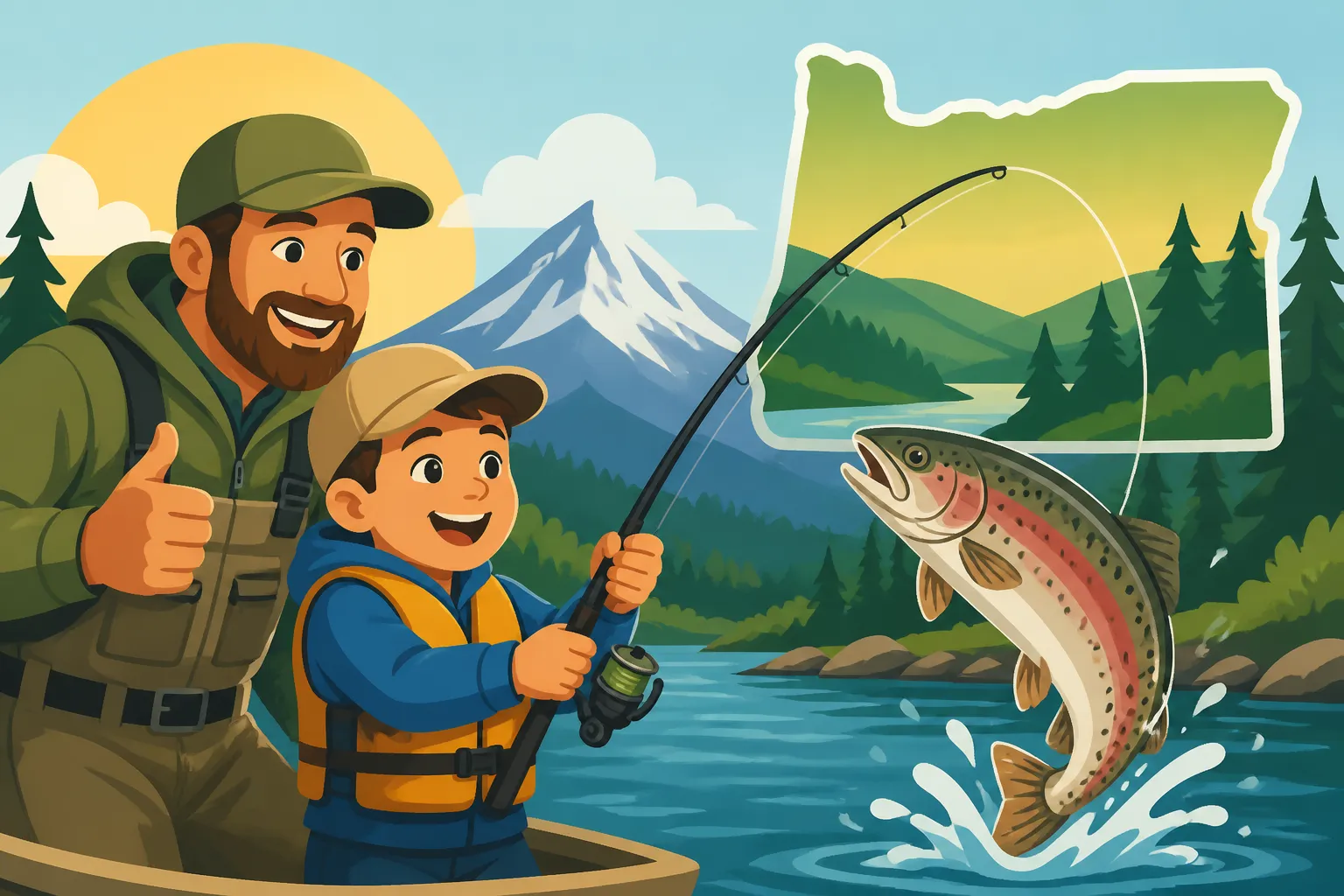
Guides often have tricks up their sleeves, like teaching kids how to cast with a simple spin reel, identifying different fish species, or even explaining the ecosystem around them. They celebrate every little victory, from a perfect cast to the smallest nibble, building confidence and excitement. Furthermore, they prioritize safety, ensuring everyone understands the rules and feels secure on the water. By removing the pressure to perform and focusing on the adventure, a guide helps create genuine, positive memories that will encourage your children to ask, "When can we go fishing again?" rather than dreading the next outing. Consider looking for guides specializing in Kids and Family Charter Trips in Oregon for the best fit.
What Makes a Fishing Guide "Kid-Friendly" in Oregon?
Not all fishing guides are created equal, especially when it comes to catering to young anglers. What works for a seasoned adult looking for a trophy steelhead might not be suitable for a 6-year-old with a 15-minute attention span. Identifying the specific qualities that define a truly kid-friendly guide is key to choosing the right person for your family's adventure in Oregon.
Patience and Communication Skills
The most important trait for a guide working with children is boundless patience. Kids are naturally curious, they ask a lot of questions, they might get easily distracted, and they will inevitably make mistakes – tangled lines, missed bites, or casting too far (or not far enough). A kid-friendly guide understands this completely. They won't show frustration; instead, they'll calmly untangle lines, re-bait hooks, and gently re-explain instructions.
Beyond patience, excellent communication is vital. A good guide knows how to speak to children at their level, using simple language to explain complex concepts like how a fish bites or why certain lures work. They make learning fun and interactive, encouraging questions and celebrating small successes. They understand that the experience is about the child's enjoyment and learning, not just the guide's ability to put fish in the boat. They'll know when to offer hands-on help and when to let a child try it themselves, fostering independence.
Safety First: Gear, Boats, and Practices
Safety should always be the top priority, especially when children are involved. A reputable kid-friendly guide in Oregon will have an impeccable safety record and implement strict safety protocols. This starts with appropriate gear: properly fitted life vests for every child (and adult), even if they are strong swimmers. Their boat should be clean, well-maintained, and spacious enough for kids to move around safely, with no sharp edges or tripping hazards. For smaller children, a boat with higher gunwales might be preferable.
Guides also practice safe fishing techniques, explaining things like how to handle fish carefully to avoid injury (to both fish and child) and the importance of hooks and sharp objects. They'll choose fishing locations that are generally calm and protected from strong currents or large waves, making the experience more comfortable and less intimidating for young ones. Before booking, don't hesitate to ask about their specific safety measures and what Oregon Fishing Regulations Explained they follow for children on board.
Target Species and Locations Suited for Young Anglers
The type of fish and fishing environment significantly impacts a child's engagement. While targeting a monster Chinook salmon might sound exciting, the long waits and technical skills required can quickly bore a child. Kid-friendly guides often focus on species that are more abundant and provide consistent action, even if they aren't "trophy" fish. Panfish like bluegill or crappie, or regularly stocked rainbow trout in lakes and ponds, are excellent choices because they bite frequently, offering immediate gratification. Learning about Oregon Trout Fishing Techniques or How to Catch Trout in Stocked Oregon Lakes can be a great starting point for kids.
Furthermore, these guides tend to operate in calmer waters – small lakes, slow-moving rivers like parts of the Willamette or the lower Deschutes, or protected bays along the coast. These environments are less intimidating than the open ocean or fast-flowing currents. Shorter trip durations are also a hallmark of a good kid-friendly outing, recognizing that children's attention spans are limited. A 2-4 hour trip is often more successful than an 8-hour marathon. Ask your guide about Best Places to Fish in Oregon for family outings.
How to Find the Best Kid-Friendly Fishing Guide in Oregon
So, you're convinced a guide is the way to go for your family's fishing adventure. Now comes the exciting part: finding the perfect one! Oregon is brimming with incredible fishing opportunities and talented guides, but narrowing down the options, especially for a kid-centric trip, requires a bit of thoughtful research.
Researching and Vetting Potential Guides
The first step is always to do your homework. Start by searching online for "Oregon family fishing guides" or "kid-friendly fishing charters Oregon." Websites and platforms like FishingBooker are fantastic resources for this, as they allow you to filter by location, trip type, and often have specific categories or tags for family-friendly trips. These sites also compile reviews from past clients, which are invaluable for gauging a guide's patience and interaction with children. Look for comments that specifically mention how well the guide worked with kids, if they were encouraging, and if the children had a good time.
Don't just rely on a single source. Check out the guide's personal website, social media, and any other online presence they have. Look for photos of kids on their trips – do the children look happy and engaged? It's also a good idea to ensure the guide is properly licensed by the Oregon State Marine Board and has all the necessary permits, which is a fundamental requirement for all Oregon Fishing Guide Services. This ensures they meet professional standards and are insured, adding another layer of safety and professionalism to your trip.
Key Questions to Ask Before Booking
Once you have a shortlist of potential guides, it's time to pick up the phone or send an email. Asking specific questions upfront can save a lot of headaches and ensure everyone is on the same page. Here are some crucial questions to consider:
- "How much experience do you have guiding children, and what ages do you typically take?" This directly addresses their comfort and expertise with young anglers.
- "What species do you typically target on family trips, and what are the chances of consistent action?" As discussed, frequent bites keep kids engaged.
- "What is the typical duration of a kid-friendly trip, and can it be flexible?" Shorter trips are usually better.
- "What specific safety measures do you have in place for children on your boat?" Reiterate your concern for safety.
- "What equipment do you provide for children, and is it sized appropriately for them?" You want small, easy-to-handle gear.
- "Are there restrooms available on the boat or nearby at the fishing spot?" This is a non-negotiable for most family outings.
- "What is your policy if the weather turns bad, or if a child gets seasick or simply isn't having fun?" Understanding their flexibility is important.
- "What exactly is included in the price (bait, tackle, fish cleaning, snacks, drinks), and what should we bring?" Clarity on costs prevents surprises.
These questions, along with reviewing their approach to How to Choose an Oregon Fishing Guide, will help you ascertain if they're truly the right fit for your family.
Understanding Trip Logistics and What to Expect
Before you even step foot on the boat, having a clear understanding of the trip's logistics and setting realistic expectations for your family is vital. A good guide will provide you with all the necessary details, but it's always wise to double-check. Confirm the meeting point, exact time, and what to bring. Essentials typically include layers of clothing (Oregon weather can be unpredictable!), sunscreen, hats, sunglasses, and any personal snacks or drinks, though some guides on FishingBooker, for instance, might include basic refreshments.
Discuss with your children beforehand what the day will entail. Explain that fishing requires patience and that while catching fish is the goal, simply being on the water and enjoying nature is a huge part of the fun. Reassure them that the guide is there to help and teach them. Manage expectations around catch limits and species; sometimes, the most memorable catch isn't the biggest, but the first one they reel in themselves. Knowing what to expect regarding Oregon Daily Bag Limits Explained for common species will also help you set realistic goals for your catch.
| Trait | Description | Why it Matters for Kids |
|---|---|---|
| Patience | Calmly handles tangled lines, missed casts, and repeated questions. | Prevents frustration, builds confidence, keeps the experience positive. |
| Communication | Explains concepts clearly, uses age-appropriate language, engages children actively. | Fosters understanding and excitement, makes learning fun. |
| Safety Conscious | Provides fitted life vests, secure boat, demonstrates safe fish handling. | Ensures physical well-being, builds trust, reduces parental anxiety. |
| Kid-Friendly Gear | Offers smaller, lighter rods/reels, easy-to-use tackle. | Allows children to participate independently, reduces physical strain. |
| Experience | Has a track record of successful family trips, understands child psychology. | Knows how to keep kids engaged and happy, adapts to their mood and energy levels. |
| Flexible Approach | Willing to adjust trip length, location, or activities based on the children's needs and interest. | Prevents burnout, caters to individual attention spans, prioritizes enjoyment over rigid plans. |
| Focus on Fun | Prioritizes the overall experience, not just catching fish. Celebrates small victories. | Creates lasting positive memories, fosters a love for fishing and nature. |
Top Considerations for a Successful Family Fishing Adventure
Booking a great guide is a huge step, but making the most of your family fishing trip goes beyond just the guide themselves. It involves preparing your kids, embracing the broader experience, and nurturing that newfound enthusiasm long after the lines are reeled in.
Preparing Your Kids for the Trip
A little preparation goes a long way in ensuring your children have a fantastic time. Talk about the upcoming trip enthusiastically. Show them pictures of fish they might catch (like those featured in Oregon Trout Species Guide or Oregon Panfish Guide) or the type of boat they'll be on. Explain what fishing entails: it's not always about catching a fish every minute, but also enjoying the quiet, watching for wildlife, and being out on the water.
Make sure they're dressed appropriately for the weather, in layers that can be added or removed. Bring plenty of snacks and drinks, even if the guide provides some. A hungry or thirsty child is a grumpy child, and that can quickly derail the fun. Reassure them that it's okay if they don't catch the biggest fish, or even any fish – the adventure itself is the prize. Remind them about the importance of being polite and listening to the guide's instructions. You might even review some basic Oregon Fishing License Age Requirements if they're close to needing their own license, to get them thinking like responsible anglers.
Beyond the Catch: Making Memories
While the thrill of reeling in a fish is undeniable, many of the most cherished memories from a family fishing trip happen off the hook. Encourage your children to look for birds, watch for deer along the riverbank, or spot other boats. Point out interesting geological features or local landmarks. Teach them about the life cycle of the fish they're targeting or the importance of clean water. Many guides are happy to share their knowledge about local wildlife and ecosystems, making the trip an educational experience too.
Bring a camera (or use your phone!) to capture candid moments – the concentration on their faces, the excitement of a bite, the proud smile with a caught fish (even if it's catch-and-release). These photos become treasured keepsakes, long after the fish have swum away. Talk about the experience afterward; ask them what their favorite part was, what they learned, or what they saw. This reinforces the positive aspects of the trip and helps cement those memories. Remind them of practices like Oregon Catch-and-Release Rules for fish they can't keep, teaching them responsible angling from a young age.
Post-Trip Follow-Up and Enthusiasm
The adventure doesn't end when you get back to the dock. To really foster a lasting love for fishing, keep the excitement going! If you caught fish, involve them in the cleaning and cooking process (if appropriate and safe). This teaches them where their food comes from and completes the cycle of the fishing experience. You could look up simple recipes for Oregon Trout Species Guide or panfish you might have caught.
Display a favorite photo from the trip in their room. Read books about fish or fishing. Perhaps even start planning your next outing, whether it's another guided trip or a simpler bank-fishing excursion to a local pond. The goal is to reinforce that fishing is a fun, accessible activity that they can continue to enjoy. By consistently showing enthusiasm and support, you're not just taking them on a fishing trip; you're cultivating a lifelong passion for the outdoors and creating invaluable family traditions.
Disclaimer
This article is for general informational purposes only and does not constitute professional advice. Laws, prices and regulations vary by location and change over time. Consult a qualified professional for guidance on your specific situation.