Best fly fishing guide for beginners near Bend
So, you've heard the whispers, seen the stunning photos, and maybe even driven through Central Oregon, catching glimpses of anglers wading in pristine rivers. The idea of fly fishing near Bend has taken root, hasn't it? It’s an intoxicating thought, but for many beginners, that excitement quickly turns into a tangle of questions and a little bit of intimidation. Where do you even begin with all those rivers, flies, and mysterious casting techniques? This guide is here to untangle that knot of confusion and help you discover the absolute best fly fishing guide for beginners near Bend, ensuring your first foray into this beautiful sport is nothing short of fantastic.
Why Bend is a Dream (and a Challenge) for Beginner Fly Fishers
Central Oregon, with Bend at its heart, is undeniably a fly fishing paradise. The region boasts an incredible diversity of waters, from the famed Deschutes River to serene high mountain lakes. But while this abundance is a blessing for experienced anglers, it can feel like a daunting maze for someone just starting out.
The Allure of Central Oregon's Waters
Imagine casting a line on the world-renowned Deschutes River Fishing Guide, known for its robust trout and steelhead runs, or finding tranquility on the crystal-clear Metolius River Fishing Guide, a spring-fed gem where trophy bull trout cruise. Then there's the Crooked River trout fishing near Prineville, often overlooked but offering fantastic opportunities for eager rainbow trout. The scenery alone is enough to inspire awe: towering pines, volcanic landscapes, and the crisp, clean air of the high desert. These waters are truly special, a vibrant ecosystem teeming with insect life that makes them ideal for fly fishing. It's easy to see why so many experienced anglers make a pilgrimage here each year – the potential for an unforgettable day on the water is immense.
The Beginner's Dilemma: Overwhelm and Intimidation
But let's be real: for a beginner, this abundance can quickly morph into a source of anxiety. You see seasoned anglers effortlessly laying out perfect loops of line, knowing exactly which tiny fly to tie on, and reading the subtle currents of the river like an open book. Meanwhile, you're trying to remember the difference between a dry fly and a nymph, struggling to tie a simple knot, and wondering if your cast looks more like you're cracking a whip than gracefully presenting a fly. The sheer volume of specialized gear – waders, boots, rods, reels, lines, leaders, tippets, and a box full of hundreds of tiny, confusing flies – can feel like an impossible barrier to entry. It's totally normal to feel a bit overwhelmed, or even intimidated, by the perceived complexity and the unspoken etiquette of the sport. You want to learn, but you don't want to feel silly or like you're holding someone back. That's precisely why a dedicated beginner's guide is not just helpful, but essential for a truly positive first experience.
Essential Qualities of a Top-Notch Beginner Fly Fishing Guide Near Bend
Choosing the right guide for your first fly fishing adventure near Bend is crucial. This isn't just about finding someone who can put you on fish (though that's a nice bonus!); it's about finding a patient teacher who can unlock the magic of the sport for you.
Patience, Pedagogy, and Personality
Hands down, the most important trait for a beginner fly fishing guide is patience. You're going to make mistakes. Your cast won't be perfect. You'll get tangled. A great guide understands this and remains calm, encouraging, and positive throughout the day. They won't make you feel rushed or foolish for not grasping something immediately.
Beyond patience, look for strong pedagogical skills – meaning, can they teach effectively? Fly fishing involves a lot of new motor skills and concepts. An excellent guide can break down complex actions, like the casting stroke, into simple, digestible steps. They'll explain why you're doing something, not just what to do. For example, instead of just saying "mend your line," they'll explain why you mend and how it helps your fly drift naturally. They'll celebrate your small victories – that first decent cast, the correctly tied knot, the moment you spot a rising fish.
Finally, personality matters immensely. You're spending a good chunk of your day with this person. You want someone friendly, approachable, and genuinely enthusiastic about sharing their passion. A good sense of humor can go a long way in alleviating any beginner jitters. You want to feel like you're fishing with a knowledgeable friend, not a drill sergeant. Platforms like FishingBooker often allow you to read reviews that speak to a guide's personality and teaching style, which can be incredibly insightful.
Local Knowledge and Tailored Experiences
A guide operating in Central Oregon should have deep, intimate knowledge of the local waterways. They know the current conditions of the Deschutes, Metolius, and Crooked rivers, where the fish are holding, and what insects are hatching. More importantly for beginners, they know which specific stretches of water are most conducive to learning. They might take you to a calmer section of the Deschutes that's easier to wade, or a part of the Crooked River where the fish are more abundant and less finicky, perfect for building confidence. They might even recommend a place like the Best kid-friendly fishing spot near Bend if you're bringing along younger anglers.
A truly top-notch beginner guide will also offer a tailored experience. They won't run a generic "advanced angler" trip with you. Before your trip, they should ask about your prior experience (or lack thereof), what you hope to achieve, and what kind of fish you're interested in pursuing. This allows them to customize the day, starting with the absolute fundamentals and progressing at your pace. It's about meeting you where you are and building from there, ensuring the experience is both educational and enjoyable, not overwhelming.
The Right Gear and Proper Licensing
One of the biggest hurdles for new fly fishers is the upfront cost of equipment. A great beginner guide will provide all the necessary, high-quality gear: waders, wading boots, a suitable fly rod and reel, lines, leaders, tippet, and a selection of appropriate flies. This means you don't have to invest hundreds of dollars before you even know if you like the sport. They'll ensure the gear fits you properly and is in good working order.
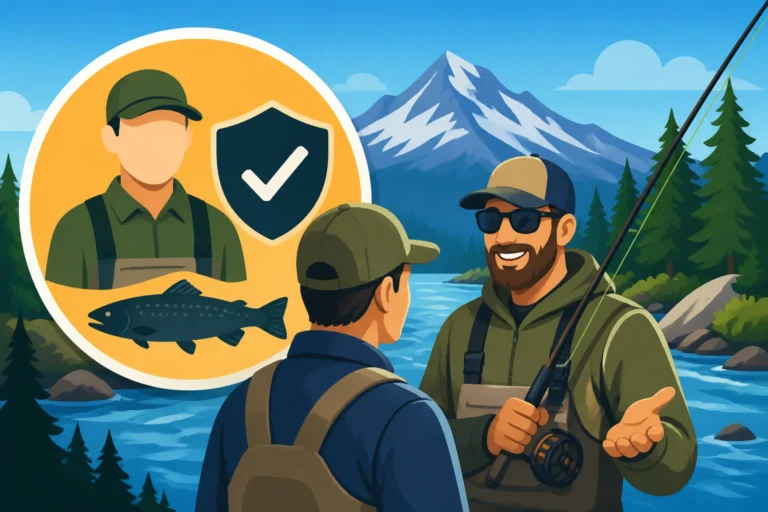
Equally important, and non-negotiable, is ensuring your guide is properly licensed and insured. This isn't just a bureaucratic detail; it's about your safety and peace of mind. In Oregon, fishing guides are required to meet specific state and federal requirements. Don't be shy about asking for their credentials or checking them out. A reputable guide will proudly share this information. You can often find guides and their licensing details listed on booking platforms like FishingBooker, which adds a layer of confidence. For more on this, you might find Licensed Oregon Fishing Guide Requirements helpful. Knowing your guide is legitimate means you can focus entirely on learning and enjoying your day, not worrying about legalities or safety.
Your First Guided Trip: What to Expect and How to Prepare
Embarking on your first guided fly fishing trip near Bend is an exciting step. Knowing what to expect and how to prepare can significantly enhance your experience and help you make the most of your time on the water.
Before You Go: Communication is Key
The success of your guided trip often starts well before you even meet your guide. Communication is absolutely key. When you book, or shortly after, your guide should reach out to you. This is your opportunity to honestly discuss your experience level. Don't exaggerate; if you've never held a fly rod, say so! This allows the guide to prepare properly and tailor the day to your needs. Talk about what you hope to learn – perhaps mastering a basic cast, understanding bug life, or simply catching your first trout on a fly. Ask about what species you might target; for beginners, trout are usually the primary focus in this region.
Logistics are also important:
- Meeting Spot and Time: Confirm where and when you'll meet. Many guides meet at a local fly shop or a specific river access point.
- What to Bring: Beyond your personal clothing (think layers, as Central Oregon weather can change quickly!), ask if you need to bring snacks, water, sunscreen, a hat, and polarized sunglasses (essential for seeing fish and protecting your eyes).
- Fishing License: You will need an Oregon fishing license and any necessary endorsements (like a Combined Angling Tag if you plan to target certain species, though often trout fishing doesn't require extra tags beyond the basic license). Your guide cannot provide this for you. Purchase it beforehand online or at a local tackle shop. You can find more information on What ID do you need to buy an Oregon fishing license or How to look up an Oregon fishing license purchase if you've already bought one.
- Costs: While this article avoids specific prices, understand the How much does a Deschutes River fly fishing guide cost per day question will vary. Clarify what is included in the guide's fee (e.g., gear, flies, lunch) and what isn't (e.g., license, gratuity for the guide).
On the Water: Learning and Enjoying
Once you're on the water with your guide, the real learning begins. Expect them to start with the fundamentals. This usually means:
- Safety Briefing: First and foremost, they'll cover river safety, wading techniques, and how to handle the equipment safely.
- Casting Basics: You'll likely spend a good portion of the morning practicing your casting stroke on land before even touching the water. This builds muscle memory and confidence.
- Equipment Overview: They'll explain your rod, reel, line, leader, and tippet, helping you understand how it all works together.
- Knot Tying: Simple, essential knots will be demonstrated and practiced.
- Reading Water: Your guide will teach you how to identify potential fish holding lies – where fish might be resting or feeding in the current.
The focus of a beginner's trip isn't solely on catching a trophy fish (though it's a fantastic bonus!). It's about understanding the mechanics, learning the rhythm of the river, and developing the skills to become an independent angler. Celebrate every step: a good cast, a drag-free drift, even just spotting a fish. The guide will be there to offer continuous feedback, adjust your technique, and help you net any fish you might hook. They'll also demonstrate ethical Oregon Catch-and-Release Rules for fish handling, which is a vital part of responsible angling. Remember, this is your learning experience, so don't hesitate to ask questions, even if they seem basic.
The Investment and the Return: Costs and Value
Let's address the elephant in the room: guided fly fishing trips, especially private ones, represent a significant financial investment. They aren't cheap, but for a beginner, the value derived from that investment is immense and often outweighs the cost. Think of it as an accelerated learning course, condensed into a single day, with a private instructor in a stunning classroom.
The "cost" will depend on several factors: whether it's a half-day or full-day trip, if it's a private outing or a small group, and the guide's experience level. You can use platforms like FishingBooker to compare different guides and their offerings, giving you a sense of the range.
The return on investment for a beginner is invaluable:
- Rapid Skill Acquisition: You'll learn more in one day with a dedicated guide than you might in weeks or months of trial-and-error on your own.
- Avoid Frustration: Instead of getting discouraged by tangles and no bites, you'll have an expert smoothing out the bumps, preventing many common beginner frustrations. Are guided fishing trips in Oregon worth the cost for beginners? Absolutely, for this reason alone.
- Proper Technique from the Start: Learning good habits from day one prevents bad habits from forming.
- Access to Prime Water: Guides know where to go and when, maximizing your chances of success and enjoyment.
- Confidence Building: Leaving the river with a better understanding and perhaps even a fish or two under your belt will build immense confidence for future solo outings.
- Safety: They know the river's hazards and how to navigate them safely.
Consider this table comparing what a guide offers versus trying it alone as a beginner:
| Feature | Guided Beginner Trip (with a good guide) | DIY Beginner Attempt (without a guide) |
|---|---|---|
| Learning Curve | Accelerated, structured, personalized instruction | Slow, frustrating, reliant on YouTube videos and trial-and-error |
| Equipment Costs | All gear typically provided, saving huge upfront investment | Must buy or rent all gear, potentially buying wrong items |
| River Navigation | Guide knows safe, beginner-friendly access and productive spots | Risk of getting lost, fishing unproductive or dangerous water |
| Fishing Success | Higher chance of catching fish, even if not the primary goal | Low chance of catching fish, leading to discouragement |
| Confidence | Builds confidence, positive first experience | Can erode confidence, leads to frustration and giving up |
| Safety | Expert guidance on wading, river hazards, fish handling | Potential for unsafe situations, improper fish handling |
| Time Efficiency | Maximizes time on water learning, minimal wasted effort | Much time spent on logistics, wrong techniques, or untangling |
Finding the right fly fishing guide near Bend is a foundational step in what could become a lifelong passion. It's an investment in learning, in enjoying nature, and in creating unforgettable memories on Oregon's stunning waterways. Don't be afraid to reach out, ask questions, and secure a spot with a guide who truly prioritizes the beginner's journey. You'll be glad you did, and soon you'll be among those casting graceful lines in the Central Oregon sun.
Disclaimer
This article is for general informational purposes only and does not constitute professional advice. Laws, prices and regulations vary by location and change over time. Consult a qualified professional for guidance on your specific situation.