Best fishing spot within an hour of Salem
It can be incredibly frustrating to have the fishing itch but feel like all the best spots are hours away, especially when you're based in a central location like Salem, Oregon. The good news is, you don't have to drive forever to find fantastic angling opportunities. This guide is designed to help you discover a wealth of diverse fishing experiences right here in the Mid-Willamette Valley, all conveniently located within an hour's drive of Oregon's capital city.
Close-to-Home Lakes and Reservoirs for Easy Angling
When you're looking for a quick escape or a family-friendly outing without a long commute, the areas around Salem boast some excellent lakes and reservoirs. These spots are often stocked regularly by the Oregon Department of Fish and Wildlife (ODFW), making them prime locations for consistent action, especially for trout. They offer a more relaxed pace, ideal for beginners, kids, or anyone just wanting to unwind.
Henry Hagg Lake: A Diverse Fishery Near Forest Grove
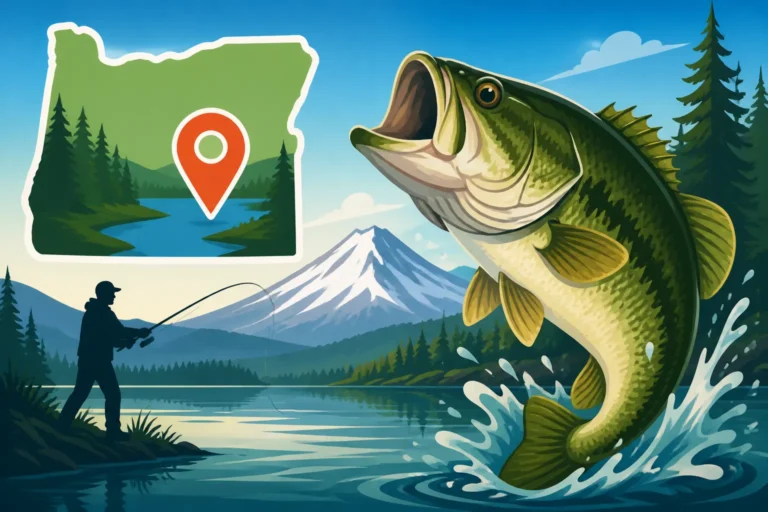
While technically a bit north of Salem, Henry Hagg Lake is usually just under an hour's drive and offers an incredibly diverse fishing experience. This large reservoir is a popular destination for a reason: it holds a fantastic mix of fish species, catering to various angling preferences. You'll find abundant rainbow trout, often stocked heavily in the spring and fall, making it a reliable spot for those looking to fill a stringer. Beyond trout, Hagg Lake is also known for its strong populations of largemouth and smallmouth bass, especially around submerged structures and weed lines. If you're into panfish, crappie, bluegill, and yellow perch are also plentiful, offering light-tackle fun.
The lake is easily accessible with multiple boat ramps, including Scoggins Valley Park, and plenty of shoreline access for bank anglers. There are picnic areas, restrooms, and even a disc golf course, making it a great all-day destination. For those targeting trout, PowerBait, worms, or small spinners are usually effective. If bass are your quarry, plastic worms, crankbaits, or topwater lures can produce exciting bites. Knowing the various Oregon Fishing Techniques for Beginners can really boost your success here.
Detroit Lake: Rebounding and Offering Scenic Trout and Kokanee
East of Salem, nestled in the Cascades, lies Detroit Lake. This reservoir has faced challenges with water levels in recent years, but its fishing opportunities are steadily rebounding and remain a significant draw. While the drive might push the hour mark depending on traffic and where you're coming from in Salem, the stunning mountain scenery alone makes it worth the trip. Detroit Lake is primarily known for its rainbow trout and kokanee salmon.
Trolling with wedding rings or small hoochies tipped with corn is a classic and very effective method for kokanee, particularly in deeper waters. For trout, casting spinners or spoons from the bank, or still fishing with bait like PowerBait or worms, can yield good results. With the lake's fluctuating conditions, it's always a good idea to check the latest ODFW fishing reports before heading out to understand current access and optimal fishing strategies. While it's a beautiful spot, be prepared for potentially busy weekends during peak season, especially when the weather is warm.
Local Stocked Ponds: Perfect for Kids and Quick Trips
For the ultimate convenient fishing experience, especially if you have young anglers in tow, Salem and its immediate surroundings are dotted with smaller, regularly stocked ponds. These are often part of city or county parks and are designed for easy access and high success rates. Spots like Waterloo Park Pond near Lebanon, E.E. Wilson Wildlife Area near Monmouth, or even some smaller community ponds in Salem itself are fantastic.
These ponds are almost exclusively stocked with rainbow trout, sometimes multiple times a spring and fall. The beauty of these locations is their simplicity: a light spinning rod, some PowerBait or worms, and a bobber are often all you need. You'll often see families spread out along the banks, making it a very social and low-pressure environment. It's an excellent way to introduce someone to fishing, guarantee some bites, and instill a love for the outdoors. Remember, rules for these ponds can sometimes differ slightly from larger bodies of water, so always consult the Oregon Fishing Regulations Explained before you cast.
River Adventures on the Willamette and Its Tributaries
For anglers who prefer the challenge and dynamic environment of river fishing, the Willamette River and its numerous tributaries offer a diverse range of opportunities within an hour of Salem. These rivers are home to migrating salmon and steelhead, resident trout, and various warmwater species, providing options throughout the year.
The Willamette River: Mainstem Opportunities Near Salem
The mighty Willamette River flows right through the heart of the Willamette Valley, offering substantial fishing opportunities just minutes from Salem. The mainstem is a large, diverse fishery, often requiring a boat for optimal access, though there are several popular bank fishing spots as well.
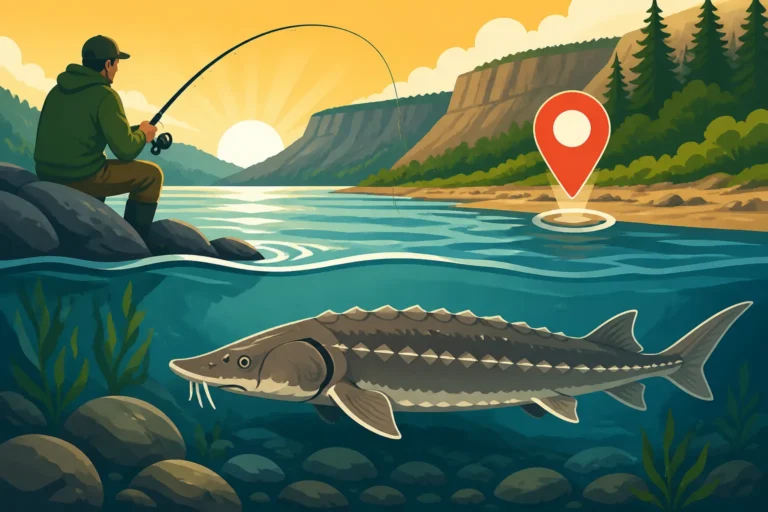
During the spring, the Willamette is famous for its incredible spring Chinook salmon run. Anglers will often back-troll Brad's Wiggler plugs or use herring and anchovies behind diver flashers. These powerful fish provide an exhilarating fight and delicious table fare. Beyond salmon, the Willamette also hosts a healthy population of smallmouth bass, particularly in the warmer months. Look for them around rocky areas, bridge pilings, and submerged timber. Fishing for bass with jigs, plastic worms, or spinnerbaits can be very productive. For a unique experience, the Willamette also holds white sturgeon, though these are typically targeted with heavy gear and large chunks of bait, often as a catch-and-release fishery to protect the population. Understanding Oregon Salmon Fishing Techniques is crucial for spring Chinook success.
The Santiam River System: Steelhead and Trout Haven
Just a short drive east of Salem, the North and South Santiam Rivers converge, creating a fantastic fishery known primarily for its steelhead and trout. These rivers offer a more intimate setting than the mainstem Willamette, with stunning scenery as they wind through forests and foothills.
Both winter and summer steelhead runs provide exciting opportunities. Winter steelhead, typically caught from December through March, are often targeted with drift fishing techniques using bait like cured eggs or pink worms, or by casting spoons and spinners. Summer steelhead, arriving later in spring and staying through early fall, can be pursued with similar methods, and are also a favorite target for fly anglers. Trout fishing, for both rainbow and cutthroat, is also excellent in many stretches, especially during the warmer months. These rivers are part of the broader Santiam River Fishing Guide and offer varied access points, from roadside pull-offs to dedicated parks. Always check the ODFW fishing regulations, as specific sections may have different rules for gear or retention.
Smaller Tributaries: Luckiamute and Little Luckiamute Rivers
For those seeking a quieter, more secluded experience, the smaller tributaries of the Willamette, like the Luckiamute and Little Luckiamute Rivers, offer excellent opportunities for wild trout fishing. Located west of Salem, these rivers are easily accessible and provide a charming, serene environment for fishing.
These smaller streams are perfect for light tackle and stealthy approaches. Fly fishing with dry flies, nymphs, or small streamers can be very effective, especially for the feisty native cutthroat trout. Spinners and small spoons can also entice bites. While you might not catch a trophy fish, the experience of exploring these pristine waters and connecting with wild trout in a peaceful setting is incredibly rewarding. They're also great places to practice Oregon Trout Fishing Techniques in a less pressured environment. Always be mindful of private property when accessing these smaller waterways, and look for designated public access points.
Planning Your Salem-Area Fishing Trip
Knowing where to go is just the first step. To make your fishing trip successful and enjoyable, a little planning goes a long way. This includes understanding what gear to bring, staying on top of regulations, and knowing when to seek expert help.
Essential Gear and Preparation
Before you head out, think about the type of fishing you'll be doing. For stocked lakes and ponds, a light to medium spinning rod with 4-8 pound test line, a selection of PowerBait, worms, and small spinners will cover most bases. If you're tackling the Willamette or Santiam rivers for salmon or steelhead, you'll need heavier gear – typically a medium-heavy spinning or casting rod with 10-20 pound test, and a variety of lures, baits, and terminal tackle appropriate for strong currents and powerful fish. Don't forget essentials like a net, pliers, a tackle box, and a cooler for your catch.
Weather in Oregon can change quickly, so layers of clothing, rain gear, and appropriate footwear are always a good idea. Sun protection, water, and snacks are also crucial, especially for longer outings. Pack a small first-aid kit, just in case. Always check the weather forecast before you leave.
Understanding Regulations and Licenses
This is paramount for any fishing trip in Oregon. Every angler over the age of 11 needs an Oregon Fishing License Guide, and specific species may require additional tags, such as a Combined Angling Tag for salmon and steelhead. Regulations can vary significantly by water body, species, and even time of year. For instance, some rivers may have barbless hook rules, while others have specific daily bag limits or size restrictions.
The ODFW website is your best friend here, offering up-to-date information and access to the latest fishing reports and regulations. You can often purchase your license online quickly, or visit a local sporting goods store. Familiarize yourself with the Oregon Fishing Regulations Explained booklet; it’s a non-negotiable step to ensure you’re fishing legally and responsibly.
| Fishing Spot | Primary Species | Drive Time from Salem (Approx.) | Best For | Key Features |
|---|---|---|---|---|
| Henry Hagg Lake | Trout, Bass, Panfish | 50-60 minutes | Diverse fishing, family-friendly | Boat ramps, shoreline, amenities |
| Detroit Lake | Trout, Kokanee | 60-70 minutes | Scenic mountain fishing, trolling | Camping, boat launches, watch water levels |
| Waterloo Park Pond | Stocked Rainbow Trout | 30-40 minutes | Kids, beginners, quick trips | Easy bank access, high catch rates |
| Willamette River (Salem) | Chinook, Bass, Sturgeon | 5-15 minutes | Boat fishing, urban bank access | Large river, seasonal runs, diverse species |
| Santiam River System | Steelhead, Trout | 20-45 minutes | River fishing, seasonal runs | Beautiful scenery, drift fishing, fly fishing |
| Luckiamute River | Wild Trout | 30-45 minutes | Secluded fly fishing, light tackle | Intimate setting, native fish, quiet experience |
Hiring a Local Guide for a Better Experience
Sometimes, the best way to ensure a successful and enjoyable fishing trip, especially if you're new to an area or targeting a challenging species, is to hire a local fishing guide. A good guide knows the waters intimately, understands fish behavior, has all the right gear, and can significantly increase your chances of catching fish. They'll also handle the boat, bait, and often share valuable insights into techniques and regulations.
If you're interested in a guided trip on the Willamette for spring Chinook or tackling steelhead on the Santiam, platforms like FishingBooker can be an excellent resource. You can search for local guides operating in the Salem area, read reviews, and compare options to find the perfect fit for your budget and fishing goals. They make it easy to connect with experienced professionals who can truly unlock the full potential of Oregon's waters for you.
Disclaimer
Fishing conditions and regulations in Oregon are subject to change. Always check the latest Oregon Department of Fish and Wildlife (ODFW) regulations and local advisories before heading out to fish. This guide is for informational purposes only and does not guarantee fishing success.