Summer Steelhead in Oregon
The thrill of chasing summer steelhead in Oregon is something truly special, but many anglers find themselves scratching their heads when these elusive fish seem to vanish or refuse to bite. It's a common frustration, especially with their reputation for being incredibly challenging. This comprehensive guide aims to demystify the pursuit of Oregon's summer steelhead, offering insights into their behavior, the best places to find them, and the proven techniques that can turn a frustrating day into a memorable catch.
Understanding Summer Steelhead: An Elusive Quarry
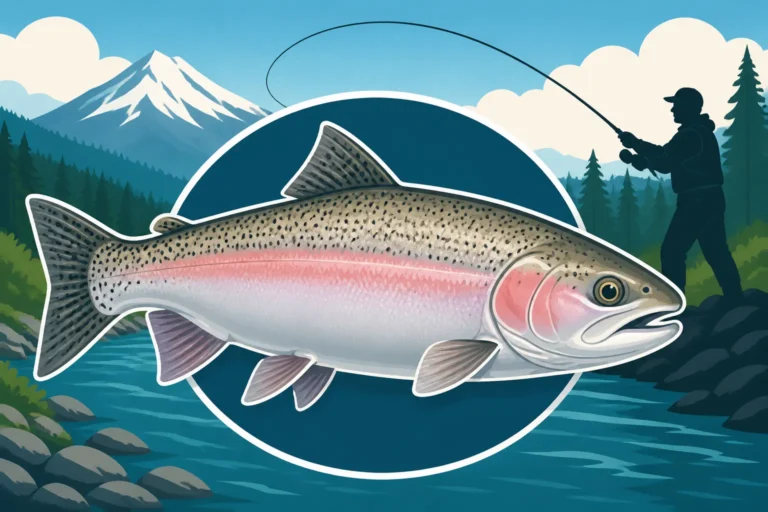
Summer steelhead are a unique and highly sought-after anadromous rainbow trout. Unlike their winter counterparts, these fish enter freshwater rivers during the spring and summer months, often holding in deep pools and oxygenated riffles for extended periods before spawning the following spring. Their journey can be arduous, requiring incredible stamina, and by the time they're in the rivers, they're not actively feeding in the same way resident trout might be. This makes them notoriously difficult to tempt, demanding a blend of patience, skill, and understanding.
Life Cycle and Migration Patterns
The life cycle of an Oregon summer steelhead is a testament to resilience and instinct. Born in freshwater streams, they spend one to three years growing before embarking on their incredible migration to the Pacific Ocean. There, they feast on abundant food sources, growing larger and stronger for one to three years before the irresistible call of their natal rivers pulls them back. Their summer return is often triggered by specific river flows and temperatures, prompting them to move upstream in waves. These fish are true wanderers, sometimes traveling hundreds of miles inland, patiently waiting for the biological cues that will lead them to their spawning grounds.
Once in the river, they don't immediately spawn. Instead, they "summer over," conserving energy and refining their holding patterns in cool, deep runs. This extended freshwater stay means they are often less aggressive towards food, making traditional "feeding" patterns irrelevant to their capture. Understanding these migration patterns, like the general summer steelhead run timing in Oregon, is crucial for knowing when and where to focus your efforts. A fresh, chrome-bright fish that has just entered the river might behave differently than one that has been holding for months, adding another layer to the challenge.
Distinguishing Features: Hatchery vs. Wild
When you hook a steelhead, one of the first things you'll often do is check if it's a hatchery or wild fish. This isn't just curiosity; it's a critical part of adhering to Oregon's fishing regulations, which often have different rules for wild and hatchery-reared fish. Hatchery steelhead are typically marked with a clipped adipose fin, a small fleshy fin located on their back between the dorsal and tail fins. This fin clipping is done at the hatchery before they're released into the wild.
Wild steelhead, on the other hand, will have a full, intact adipose fin. There are also subtle differences in coloration and fin condition that experienced anglers can spot, even without the fin clip. Wild fish often have more vibrant, natural patterns, and their fins might be more symmetrical and less worn than some hatchery fish. Knowing How to tell a wild steelhead from a hatchery steelhead is not just good practice, it's a legal requirement, as many fisheries are catch-and-release only for wild steelhead, while hatchery fish might have a retention limit. It’s important to handle all fish with care, especially those destined for release, to ensure their survival.
Behavioral Quirks and Why They're Challenging
Summer steelhead are notoriously finicky, which is a major part of their allure. They aren't actively feeding, so their "takes" are often aggressive reactions to something invading their space, rather than a hunger strike. This can mean a subtle tap, a gentle tug, or sometimes, a jarring smash that nearly pulls the rod from your hands. Their willingness to bite can change hour by hour, influenced by light conditions, water temperature, barometric pressure, and even boat traffic or angler pressure.
They are incredibly sensitive to vibrations and shadows, and a poorly executed cast or a clumsy approach can send them scurrying for cover. Many anglers experience the frustration of seeing a beautiful steelhead roll or jump, only to have it ignore every lure or fly presented. This "steelhead skunk" is a badge of honor for some, a testament to the fish's challenging nature. The key to success often lies in persistence, presenting your offering repeatedly in likely holding water, and being observant of any subtle changes in conditions or fish behavior. Each river and even each pool can demand a slightly different approach, making the pursuit a constant learning experience.
Prime Oregon Rivers for Summer Steelhead
Oregon boasts a multitude of rivers that host summer steelhead, each with its own character, challenges, and rewards. From the vast, iconic Deschutes to the intimate coastal streams, understanding the unique attributes of these waterways is key to planning a successful trip. The sheer diversity of fishing experiences means you can always find a new challenge or a familiar comfort.
The Mighty Deschutes River
No discussion of Oregon summer steelhead is complete without mentioning the Deschutes River. This iconic river, flowing through a high desert canyon, is world-renowned for its strong summer steelhead runs. Fish typically begin entering the lower river from the Columbia in early summer, pushing upstream throughout the season. The Deschutes offers a variety of access points, from vast stretches of wilderness accessed by drift boat to more accessible bank fishing areas. The unique ecosystem of the Deschutes, with its consistent cold water flows from the bottom of Wickiup Reservoir, makes it an ideal summer refuge for steelhead.
Fishing the Deschutes often involves different strategies depending on the section. The lower river, especially below Sherars Falls, can be excellent for early-season fish, while the middle and upper stretches become prime as fish move further upstream. The river is known for its strong currents, requiring good wading skills and sometimes specialized casting techniques for fly anglers. While popular, the Deschutes is vast enough to offer solitude, especially if you're willing to walk a bit or get out on a boat. Many anglers specifically target this river for How to Fish for Summer Steelhead on the Deschutes.
Coastal Gems: Rogue and Umpqua Rivers
While the Deschutes captures much of the steelhead spotlight, Oregon's coastal rivers offer equally compelling summer steelhead opportunities, often with a different flavor. The Rogue River, famous for its historic runs and rugged beauty, offers a mix of boat and bank fishing, with summer steelhead pushing far upriver. These fish are known for their aggressive takes and strong fights, often providing thrilling battles in the Rogue's dynamic currents. The river's diverse sections, from its lower tidewater to the upper canyon stretches, provide varied fishing experiences.
Further north, the Umpqua River and its tributaries also see good summer steelhead returns. These coastal systems often provide a more intimate fishing experience compared to the larger rivers, with fish holding in classic runs and pools. The smaller size of these rivers can make fish even more sensitive to pressure, so a stealthy approach is often rewarded. Access can be a mix of public lands and private properties, so always be mindful of signage and respect landowners. Best Rivers to Fish in Oregon often feature these incredible coastal waterways.
Lesser-Known Tributaries and Their Secrets
Beyond the big names, Oregon is crisscrossed by countless smaller tributaries that often hold overlooked opportunities for summer steelhead. These creeks and smaller rivers might not see the massive numbers of the mainstem rivers, but they can offer incredibly rewarding fishing experiences, especially for those seeking solitude and a more intimate connection with nature. Often, these smaller systems require more walking, bushwhacking, and a keen eye for subtle holding water.
These smaller waters can be excellent for exploring, as fish might stack up in specific pools or around certain obstacles. They also tend to warm up faster or cool down quicker than larger rivers, so timing your visit with optimal water temperatures is crucial. While not always easily accessible, the rewards of finding an untouched pool or hooking a chromer in a rarely fished stretch can be immense. Always consult current regulations for these smaller streams, as rules can vary greatly and change throughout the season. Sometimes, the best secrets are kept by those willing to explore off the beaten path.
Techniques and Gear for Summer Steelhead
Successfully hooking a summer steelhead in Oregon requires more than just luck; it demands a thoughtful approach to techniques and a carefully chosen array of gear. These fish are not only powerful but also incredibly perceptive, making every detail of your presentation critical.
Fly Fishing: The Art and Science
Fly fishing for summer steelhead is often considered the pinnacle of the sport, blending artistry with scientific understanding. Anglers typically employ a variety of techniques, including traditional "swinging" flies with two-handed Spey or switch rods, nymphing with indicator setups, or even skating dry flies in low light conditions. Swinging a fly involves casting across the current and allowing the fly to swing downstream, presenting it broadside to any waiting steelhead. This technique often elicits a strong, reactive strike.
Nymphing, on the other hand, involves drifting weighted fly patterns near the bottom, imitating insects or small crustaceans. This can be particularly effective in deeper, slower pools where fish are holding. Effective fly patterns vary widely, but common choices include Intruders, tube flies, various egg patterns, and stonefly imitations. Understanding how to read the water, identify prime holding lies, and deliver a natural, drag-free drift are paramount to success. Learning Fly Selection for Oregon Steelhead is an ongoing process, as fish preferences can change with conditions.
Gear Fishing: Spinners, Plugs, and Bait
For those who prefer traditional gear, there are many effective methods for enticing summer steelhead. Spinners, such as the classic Mepps or Blue Fox, are popular choices, their flashing blades and vibrating bodies triggering aggressive strikes. Plugs, like the popular Brad's KillerFish or Kwikfish, are often fished in faster currents, either from a boat or bank, diving and wobbling to provoke a reaction. Back-trolling or back-drifting these plugs is a favorite technique on many Oregon rivers.
Bait fishing also remains a highly effective method. Cured salmon eggs, shrimp, or even sand shrimp are often drifted under a bobber or with a small weight, presenting a natural food source directly to the fish. When choosing bait, ensure it is fresh and presented naturally. A popular setup for bait is drift fishing, where a small weight and leader carry the bait along the bottom, mimicking natural debris. Remember that regulations on bait use can vary by river and even by specific section, so always check the current Oregon Fishing Regulations Explained before heading out.
Essential Tackle and Accessories
Regardless of your chosen method, having the right tackle and accessories can make a significant difference in your success and comfort. A medium-heavy spinning rod or a switch/Spey rod for fly fishing, paired with a reliable reel spooled with appropriate line (e.g., 10-15 lb monofilament or fluorocarbon for gear, or specialized fly lines for fly fishing), is a fundamental start. Waders and wading boots are indispensable for navigating Oregon's rivers, offering warmth and stability. A good landing net is also crucial for safely landing and releasing fish.
Other essentials include a pair of polarized sunglasses to reduce glare and help spot fish, a good pair of pliers or forceps for hook removal, and a comfortable fishing vest or pack to carry your gear. Don't forget a multi-tool, a small first-aid kit, and plenty of water and snacks. For those looking to stock up, online retailers like Amazon offer a vast selection of fishing tackle, from specialized steelhead lures and flies to high-quality waders and waterproof bags. Having a well-organized tackle box or fly box, easily accessible, prevents fumbling when a fish finally decides to bite.
Timing Your Summer Steelhead Adventure
Timing is everything when it comes to summer steelhead fishing. These fish are creatures of habit to some extent, but their behavior is heavily influenced by environmental factors that can change quickly. Understanding these rhythms can significantly improve your chances of success.
Peak Season and Run Timing
The "summer" steelhead season in Oregon typically kicks off in late spring, usually May or June, as the first waves of chrome-bright fish begin to enter rivers from the ocean. The runs then build throughout July and August, often peaking in late summer or early fall, around September and October. However, the exact timing can vary significantly from river to river and year to year, influenced by snowpack, water temperatures, and ocean conditions. For instance, the lower sections of the Deschutes might be hot in July, while upper sections might see the best action in September.
It’s always a good idea to consult local fishing reports, online forums, and the Oregon Department of Fish and Wildlife (ODFW) resources for the most up-to-date information on specific river conditions and run forecasts. Planning your trip around the historical peak of the run for your chosen river, while remaining flexible, is a smart strategy. Early-season fish are often aggressive and fresh, while later-season fish, having been in the river longer, can be more challenging but also larger.
Reading Water Conditions and Weather
Summer steelhead are highly sensitive to water conditions. Ideal conditions usually involve stable or slightly dropping water levels, and most importantly, cool water temperatures. As summer progresses, river temperatures can rise, making fishing more challenging and sometimes even detrimental to the fish. Steelhead will seek out thermal refuges, such as cold water inflows from tributaries or deep pools with groundwater upwelling. Knowing where these cooler water pockets are can be a game-changer.
Weather also plays a significant role. Overcast days can often be more productive than bright, sunny days, as fish feel less exposed. Rain, especially a light, steady drizzle, can sometimes "turn on" steelhead by slightly raising water levels and reducing light penetration. Conversely, sudden heavy downpours can muddy rivers and make fishing impossible for days. Checking the forecast for both air and water temperatures, as well as precipitation, is a crucial pre-trip ritual. A thermometer is an invaluable tool to check water temps throughout the day; if temperatures climb too high (e.g., above 68 degrees Fahrenheit), it's often best to stop fishing for the day to minimize stress on the fish.
Best Time of Day for Bites
While steelhead can be caught at any time of day, there are often periods of increased activity. Early mornings, just as the sun begins to hit the water, and late evenings, as shadows lengthen, are frequently the most productive. During these low-light periods, steelhead may feel more comfortable moving from their primary holding lies into shallower water to seek out offerings, or simply be more prone to striking. The cooler water temperatures during these times also contribute to increased fish activity.
Mid-day fishing, especially on bright, hot days, can be tough. The fish will often be tucked into the deepest, darkest, and coolest parts of pools, less inclined to move for a lure or fly. If you're fishing during these slower periods, focus on deep, slow-moving water and present your offerings with extreme stealth and precision. Sometimes, a change in fly or lure color, or a subtle adjustment in retrieve speed, can be enough to trigger a reluctant fish. Patience truly becomes a virtue during the mid-day doldrums, but those dedicated efforts can sometimes be rewarded unexpectedly.
Regulations and Conservation
Fishing for summer steelhead in Oregon comes with a serious responsibility: understanding and adhering to regulations, and actively participating in conservation efforts. These rules are in place to protect these magnificent fish and ensure healthy populations for future generations of anglers.
Catch and Release Ethos
A strong catch-and-release ethos is central to summer steelhead fishing, particularly for wild fish. Many Oregon rivers have strict catch-and-release rules for wild steelhead, meaning any wild fish caught must be immediately and carefully released unharmed. Even in areas where hatchery steelhead can be retained, many anglers still choose to release them. The goal is to minimize stress and injury to the fish, allowing them to continue their journey and successfully spawn.
To practice effective catch and release, use single, barbless hooks whenever possible, as they are easier to remove and cause less damage. Land fish quickly and efficiently to minimize their fight time and exhaustion. Keep the fish in the water as much as possible, using a knotless rubber net for support. If you must handle the fish, wet your hands first and support its belly, avoiding squeezing its body or gills. Removing the hook with pliers or forceps should be done swiftly. Knowing Do you have to release wild steelhead in Oregon? is a non-negotiable part of ethical angling.
Licensing and Endorsements
Before you even cast a line, ensure you have the proper licenses and endorsements. Anyone 12 years or older needs an Oregon fishing license. For summer steelhead, you'll also almost certainly need an "Oregon Combined Angling Tag" if you plan to retain any salmon or steelhead. Depending on where you plan to fish, additional endorsements might be required. For example, if you're fishing on the mainstem Columbia River, you'll need the Oregon Columbia River Basin Endorsement.
It’s crucial to check the specific regulations for the river and time of year you plan to fish, as rules can vary greatly by zone and species. The Oregon Department of Fish and Wildlife (ODFW) publishes a comprehensive recreation report and regulations booklet annually, which is an indispensable resource. You can often purchase licenses and tags online, at tackle shops, or other authorized vendors. Always carry your license with you when fishing, as game wardens frequently check for compliance. Understanding the full Oregon Fishing License Guide is the first step in a responsible fishing trip.
Conservation Efforts and Sustainable Practices
The health of Oregon's summer steelhead populations is a constant concern, and numerous conservation efforts are underway to protect them. Habitat restoration, dam removal, improved fish passage, and careful management of fishing seasons and bag limits are all critical components. As anglers, we have a vital role to play in these efforts. Beyond adhering to regulations and practicing catch and release, we can support conservation by joining organizations dedicated to cold water fisheries, participating in river cleanups, and advocating for policies that protect fish habitat.
Sustainable practices extend to our personal choices as well. Avoiding unnecessary impacts on riparian zones, packing out all trash, and being mindful of other river users contribute to a healthier environment for both fish and fellow anglers. Educating ourselves about the challenges facing steelhead, such as climate change impacts on water temperatures and habitat degradation, empowers us to be better stewards of these incredible resources. Every ethical decision we make on the water helps ensure that summer steelhead will continue their incredible journey for generations to come.
Common Challenges and Solutions
Chasing summer steelhead is rarely easy. Anglers frequently encounter frustrating conditions, from uncooperative fish to environmental hurdles. Understanding these common challenges and having a game plan for addressing them can turn a potentially disappointing day into a productive one.
Low Water and Warm Temperatures
One of the most persistent challenges during Oregon summers is dealing with low water levels and rising temperatures. As the season progresses, rivers can drop significantly, concentrating fish in fewer, deeper pools, but also making them more wary. More concerning are warm water temperatures, which can stress steelhead to dangerous levels. When water temperatures exceed roughly 65-68 degrees Fahrenheit, fish become highly susceptible to stress and mortality, even with careful catch-and-release practices.
Solutions:
- Fish during cooler periods: Focus your efforts on early mornings and late evenings when water temperatures are at their lowest. Avoid fishing during the hottest parts of the day.
- Seek thermal refuges: Look for areas where cooler water enters the main river, such as tributary confluences or spring-fed pockets. Deep, shaded pools with good oxygenation can also hold more comfortable fish.
- Downsize and lighten: In clear, low water, fish are more easily spooked. Use lighter leaders (e.g., 8-10 lb fluorocarbon for gear, or smaller tippets for flies) and smaller, more subtle lures or flies.
- Reduce handling: If water temperatures are high, consider not fishing at all. If you do fish, land fish quickly, keep them in the water, and release them without removing them from the water, even for a photo.
- Check regulations and closures: ODFW sometimes implements hoot owl restrictions (prohibiting fishing during the warmest hours) or full closures during extreme heat to protect fish. Always check Where to check current Oregon fishing regulation updates before heading out.
Pressured Fish and Crowded Waters
Popular steelhead rivers, especially on weekends or during peak runs, can become quite crowded. This angler pressure can make fish even more skittish and less willing to bite. A constant parade of boats or a line of bank anglers can shut down a pool for hours. It’s a frustrating reality for many, but there are ways to adapt.
Solutions:
- Seek solitude: Explore lesser-known tributaries or more remote sections of larger rivers. Be willing to walk further than most to find less pressured water.
- Fish off-peak times: Weekdays, especially mid-week, will almost always be less crowded than weekends. Consider fishing during non-traditional hours if possible.
- Be courteous: Respect other anglers' space and avoid crowding them. A friendly wave or a shared tip can go a long way in fostering a positive atmosphere.
- Adapt your approach: When fish are heavily pressured, they've seen every standard presentation. Try subtle changes in fly or lure color, size, or retrieve speed. A slow, deliberate presentation can sometimes fool a wary fish that has ignored faster, flashier offerings.
- Consider a guide: An experienced Oregon Fishing Guide Services can navigate crowds and know where to find less pressured fish, as well as offer invaluable insights into local tactics.
Tackling the "Summer Steelhead Skunk"
The "steelhead skunk," or failing to catch a fish, is an all too common experience for summer steelhead anglers. These fish are called "fish of a thousand casts" for a reason. It's easy to get discouraged when you've put in hours without even a sniff, but persistence and a willingness to adjust are your best allies.
Solutions:
- Stay positive and persistent: Don't let a lack of bites get you down. Every cast is an opportunity.
- Change locations: If a spot isn't producing after a thorough working, move on. Steelhead can be concentrated in specific areas.
- Change techniques: If fly fishing isn't working, try gear fishing (if regulations allow) or vice versa. Sometimes a different presentation is all it takes.
- Vary your presentation: Experiment with different fly patterns, lure colors, weights, and retrieve speeds. If you're nymphing, try a deeper or shallower presentation. If swinging, adjust your retrieve or mend.
- Seek advice: Don't be afraid to ask local tackle shops or experienced anglers for tips. They often have up-to-the-minute information on what's working. Many local shops, like those that carry gear available on Amazon, are treasure troves of information.
- Focus on the experience: Even if you don't catch a fish, enjoy the beauty of Oregon's rivers, the challenge of the pursuit, and the peace of being outdoors. Sometimes, just seeing a steelhead roll in a distant pool is enough to keep the passion alive. Getting out there with your trusty rod and reel, perhaps one you picked up from Amazon, is a reward in itself.
Summer steelhead fishing in Oregon is a journey, not just a destination. It's about learning, adapting, and cherishing the moments spent on the river, regardless of what's landed.
| River Name | Typical Peak Season | Primary Method | Notable Features | Wild/Hatchery Rules (General) |
|---|---|---|---|---|
| Deschutes River | July – October | Fly, Gear | High desert canyon, consistent cold flows | Wild Catch & Release Only |
| Rogue River | June – October | Fly, Gear | Scenic, diverse sections, aggressive fish | Varies by zone, check regs |
| Umpqua River | July – October | Fly, Gear | Intimate coastal river, good numbers | Varies by zone, check regs |
| Sandy River | July – September | Fly, Gear | Near Portland, strong summer run, can get busy | Varies, often C&R for wild |
| Clackamas River | July – September | Fly, Gear | Accessible, good numbers | Varies, often C&R for wild |
Disclaimer
This article is for general informational purposes only and does not constitute professional advice. Laws, prices and regulations vary by location and change over time. Consult a qualified professional for guidance on your specific situation.