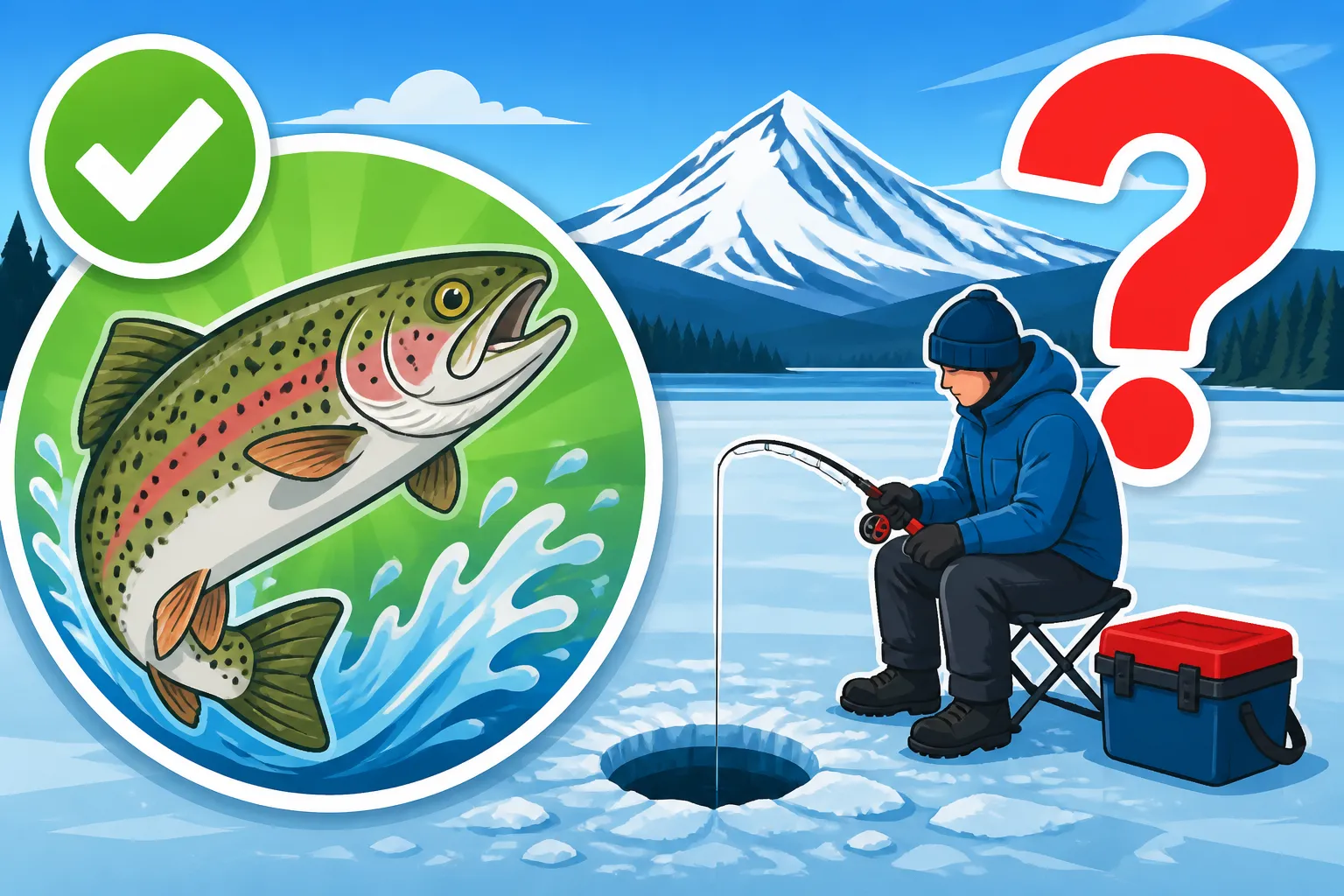
Is Diamond Lake good for ice fishing?
For many of us who live and breathe fishing, the thought of tucking away our rods for the winter feels like a long, cold stretch of solitude. But what if winter actually opened up a whole new world of angling possibilities? If you've ever dreamt of drilling a hole in the ice and pulling up a feisty trout from a frozen wonderland, you've probably wondered if iconic spots like Diamond Lake are viable for such adventures. This comprehensive guide will delve deep into the realities of ice fishing at Diamond Lake, giving you the lowdown on conditions, what to expect, and how to stay safe and successful on the ice.
The Allure and Reality of Ice Fishing at Diamond Lake
Diamond Lake, nestled high in the Oregon Cascades, is famous for its incredible rainbow trout fishing during the warmer months. But when winter blankets the landscape in snow and ice, a different kind of magic often settles over the lake. The idea of ice fishing here is captivating – serene, stark beauty, and the challenge of catching fish through a small hole. However, it's not always a guaranteed winter wonderland, and understanding the nuances is key.
The Winter Wonderland Appeal and When It Happens
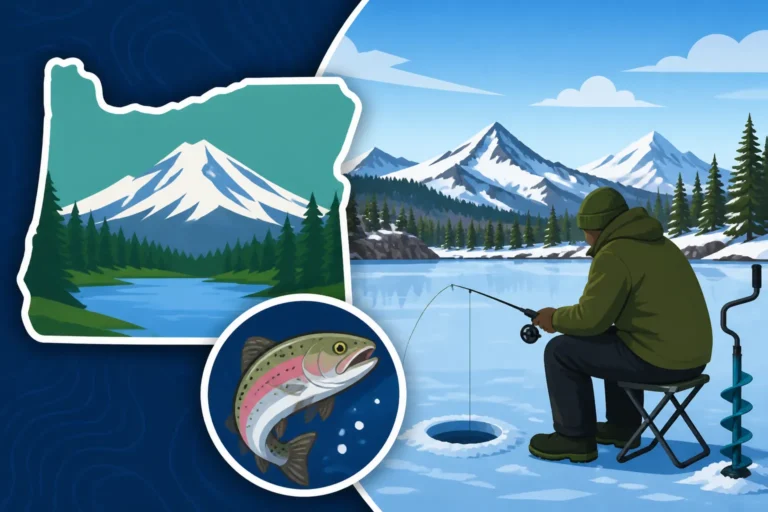
There's something truly special about being on a frozen lake, surrounded by snow-capped peaks and the crisp, silent air of winter. Diamond Lake, with its stunning views of Mount Bailey and Mount Thielsen, becomes an even more breathtaking spectacle when frozen solid. For those hardy enough to brave the cold, it offers a peaceful, almost meditative fishing experience far removed from the bustling crowds of summer. Imagine sipping hot cocoa, watching your line, and enjoying the solitude that only winter can bring. This serene environment is a huge draw for many anglers who are looking to extend their fishing season and try something different.
The opportunity for ice fishing at Diamond Lake is largely dependent on consistent, deep cold spells. Typically, late December through February are the prime months, though strong cold fronts might bring earlier or later opportunities. It's a game of patience and timing, as reliable ice isn't a given every year. When conditions are right, the lake transforms into a shimmering sheet of ice, inviting anglers to try their luck. You'll often see small communities of ice shanties or pop-up shelters dotting the ice, a testament to the dedicated anglers who make the trek. This unique atmosphere, combined with the chance to catch fish when most other waters are too cold or inaccessible, makes the "when" of ice fishing at Diamond Lake an eagerly anticipated event.
Ice Formation, Reliability, and Accessibility
Unlike lower-elevation lakes, Diamond Lake's higher altitude (around 5,183 feet) means it has a better chance of freezing over reliably. However, "reliably" is a relative term in Oregon. Our winters can be quite variable, and even at higher elevations, warm fronts or heavy snow insulation can prevent strong, consistent ice formation. Ideal conditions involve prolonged periods of freezing temperatures with minimal snow, allowing the ice to thicken evenly. Thick snow can actually insulate the ice, preventing it from growing thicker or even leading to slushy, unsafe conditions underneath.
When the ice does form, it's crucial to understand its characteristics. Early ice and late ice are always the most dangerous. Mid-winter, with stable cold, usually provides the best opportunities. Access to Diamond Lake in winter can also be a challenge. Highway 138, which leads to the lake, is generally well-maintained, but heavy snowstorms can close it temporarily or make driving difficult. You'll want to check road conditions and weather forecasts religiously before planning any trip. Often, plowing clears access points to some popular fishing areas, but be prepared for walking through snow to reach your preferred spot. Remember, part of the adventure of winter fishing is contending with the elements, but preparedness is paramount. Always tell someone where you're going and when you expect to return, especially in such a remote setting.
What You Can Catch Through the Ice at Diamond Lake
If you're going to brave the cold and venture out onto the ice, you naturally want to know what's biting! Diamond Lake is primarily known for one thing, and that doesn't change when the water turns to ice.
Rainbow Trout: The Primary Target
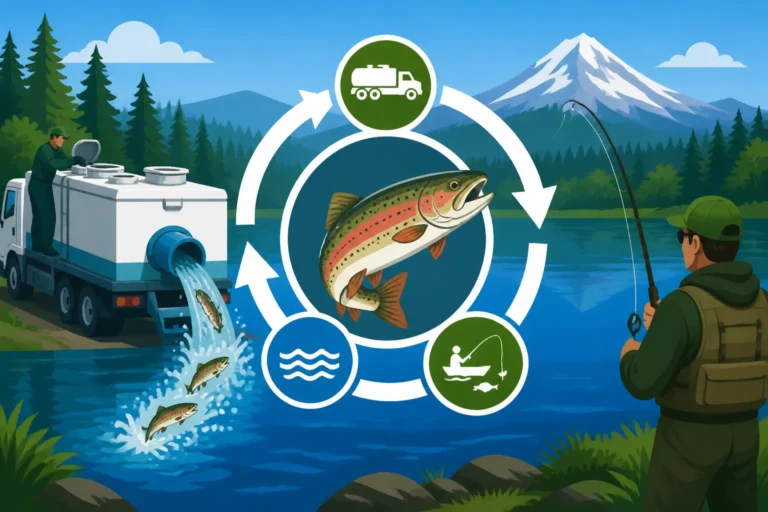
Without a doubt, Rainbow Trout in Oregon are the undisputed stars of Diamond Lake's ice fishing scene. The Oregon Department of Fish and Wildlife (ODFW) actively manages Diamond Lake as a trophy rainbow trout fishery, stocking it regularly with hatchery-reared fish. This stocking program ensures a healthy population of catchable fish, which is excellent news for ice anglers. These aren't just small stockers either; many of the trout grow to impressive sizes, offering a thrilling fight through a small hole in the ice. You can often find a mix of pan-sized trout perfect for a meal and larger, more challenging catches.
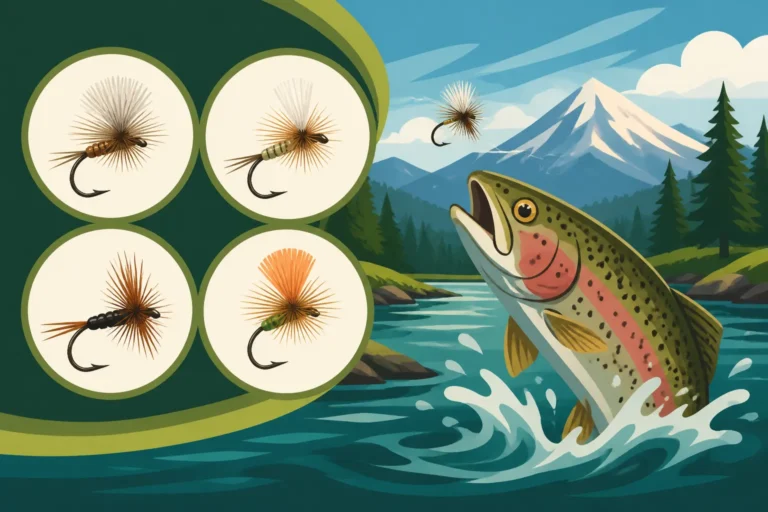
When targeting these rainbows through the ice, success often comes down to presentation and bait choice. Small jigs, typically tipped with bait, are a popular choice. Think teardrop jigs, small Swedish Pimples, or Rat-L-Traps. As for bait, PowerBait in various colors (chartreuse, rainbow, pink) is a classic for trout, as are corn, nightcrawlers, or even small chunks of cured shrimp. The fish tend to congregate in certain areas, often near old submerged weed beds or drop-offs, so having a fish finder (flasher or sonar) can significantly increase your chances of locating schools of fish. Knowing Best Bait for Oregon Trout Fishing and adapting it for ice fishing conditions is a huge advantage. They might not be as aggressive as in summer, but they're still there and hungry.
Other Potential Catches and the Lake's Ecosystem
While rainbow trout dominate the catch at Diamond Lake, it's worth understanding the broader ecosystem, even if other species aren't primary ice fishing targets. Diamond Lake has a history with invasive species, particularly tui chub, which negatively impacted the trout fishery. However, extensive restoration efforts by ODFW have successfully removed the chub and re-established the lake as a premier trout destination. Because of these past issues and ongoing management, the lake is very much a single-species focus for anglers.
Therefore, when you're ice fishing at Diamond Lake, you should realistically expect to catch only rainbow trout. Unlike some other Oregon lakes that might offer yellow perch, kokanee, or even crappie through the ice, Diamond Lake's fishery is almost exclusively managed for its robust rainbow trout population. This singular focus means you can tailor your gear and techniques specifically for trout without having to worry about other species. It simplifies your approach and allows you to become truly proficient at targeting the abundant rainbows that call this stunning high-mountain lake home. You won't be surprised by a walleye, but you'll have a fantastic chance at some beautiful trout!
Essential Gear for Ice Fishing Diamond Lake
Ice fishing isn't just about having a rod and reel; it's a specialized discipline that requires specific tools and, perhaps most importantly, appropriate clothing to stay safe and comfortable in freezing conditions. Being unprepared can quickly turn a fun outing into a miserable, even dangerous, experience.
Must-Have Ice Fishing Equipment
Let's talk about the absolute essentials for punching through the ice and getting your line in the water. First and foremost, you'll need an ice auger. These come in manual, cordless drill attachment, and gas-powered versions. For Diamond Lake, which can see significant ice thickness, a gas-powered or a robust cordless drill auger is often preferred, especially if you plan to drill multiple holes. Manual augers work fine for thinner ice but can be a workout on thicker slabs. You can find a wide array of excellent ice fishing gear, from reliable augers to specialized rods, on platforms like Amazon.
Next, you'll need specialized ice fishing rods and reels. These rods are much shorter than conventional rods (typically 24-36 inches) and are designed for jigging in a small space. They come with sensitive tips to detect subtle bites. Pair them with small spinning reels spooled with light monofilament or fluorocarbon line, typically 2-6 pound test. A skimmer or ice scoop is also crucial for clearing slush and ice chips from your hole. Many anglers also bring a fish finder (flasher or sonar) to locate fish beneath the ice and monitor their depth. Looking for a quality portable ice shelter or a specialized fish finder? Amazon often carries a great selection from brands like Vexilar or Marcum. Lastly, a sturdy five-gallon bucket serves multiple purposes: seating, carrying gear, and even holding your catch.
Cold Weather Apparel and Safety Gear
This is arguably the most critical section because staying warm and safe directly impacts your enjoyment and well-being. The cold at Diamond Lake can be extreme, especially with wind chill.
- Layering is Key: Forget bulky single layers. Start with a moisture-wicking base layer (wool or synthetic), add an insulating mid-layer (fleece or down), and finish with a waterproof and windproof outer shell. This allows you to adjust to changing conditions.
- Insulated Boots: Your feet will be on ice, so high-quality, waterproof, heavily insulated boots are non-negotiable. Look for boots rated to -20°F or colder. Traction devices like ice cleats or spikes that attach to your boots are also highly recommended to prevent slips and falls on slick ice.
- Warm Headwear and Gloves: A warm hat that covers your ears is essential. Insulated, waterproof gloves or mittens are a must, perhaps even a thin pair under heavier ones for dexterity when handling lines.
- Ice Picks/Claws: These are simple, but potentially life-saving tools. Worn around your neck, they allow you to pull yourself out of the water if you fall through the ice.
- Flotation Suit or PFD: Consider wearing a specialized flotation suit or at least a personal flotation device (PFD) over your winter layers. While PFDs might seem counter-intuitive for ice fishing, they can provide critical buoyancy if you end up in the frigid water.
- First Aid Kit and Emergency Supplies: A basic first aid kit, hand warmers, a thermos of hot drinks, high-energy snacks, a fully charged cell phone, and even a portable battery bank are crucial. Being prepared for an unexpected delay or minor injury can make all the difference in a remote, cold environment.
Safety First: Navigating Ice Fishing Risks
Ice fishing, while incredibly rewarding, carries inherent risks. The frozen surface you stand on can be unpredictable, and the cold environment itself demands respect. Being aware of these dangers and taking proactive steps to mitigate them is non-negotiable. Don't let the excitement overshadow your good judgment; your safety is always the top priority.
Checking Ice Thickness and Recognizing Danger Signs
Never, ever assume the ice is safe. Conditions can vary dramatically across a single lake, and even on the same day. Minimum safe ice thickness guidelines are typically as follows, but always exercise extreme caution:
| Activity | Minimum Ice Thickness (Clear, Hard Ice) | Notes |
|---|---|---|
| Single person foot | 4 inches | Always go with a buddy. |
| Small Group | 5-7 inches | Spaced out, careful movement. |
| Snowmobile/ATV | 8-12 inches | Avoid driving near cracks or open water. Heavy vehicles require more. |
| Light vehicle | 12-15 inches | Not recommended on natural ice; always check local advisories if allowed at all. |
Before stepping onto the ice, check with local bait shops, the resort, or park rangers for current conditions. Once on the ice, make frequent checks of the ice thickness as you move, especially if you're venturing to new areas. A spud bar is an excellent tool for this – you can tap and punch it through the ice ahead of you. Listen for unusual sounds like cracking, which can indicate unstable ice. Look for discolored ice; clear, blue ice is generally the strongest, while white or opaque ice (often from refrozen snow) is weaker. Dark spots could indicate thinner ice or even open water. Never fish alone, and always carry ice picks around your neck. Remember, the general rule of thumb is: "When in doubt, stay off the ice."
Awareness of Weather, Conditions, and Emergency Preparedness
Beyond ice thickness, the dynamic winter environment presents its own set of challenges. Weather can change rapidly in the Cascades. A sunny, calm morning can quickly turn into a whiteout blizzard with strong winds, reducing visibility to near zero and plummeting temperatures. Always check detailed weather forecasts, including wind chill, before heading out, and be prepared to cut your trip short if conditions deteriorate. Drifting snow can also obscure your tracks, making navigation difficult, especially if you're far from shore.
Slush is another common issue on frozen lakes. It forms when snow melts on top of the ice and then refreezes, or when heavy snow insulates the ice, trapping water between the snow and the solid ice layer. Walking through deep slush is exhausting and can lead to hypothermia if your boots aren't fully waterproof. It also hides potential hazards below.
For emergency preparedness, ensure someone at home knows your exact fishing location and your expected return time. Carry a fully charged cell phone, but don't rely solely on it, as reception can be spotty in remote areas. A portable, two-way satellite communication device like a Garmin inReach or a SPOT device can be a literal lifesaver for calling for help when out of cell range. A whistle for signaling, a sturdy rope, and basic survival items (fire starter, emergency blanket) should also be in your pack. Remember, Diamond Lake is a beautiful but remote high-mountain environment, and help can take a long time to reach you if something goes wrong. Being overly prepared is the best approach for a successful and safe ice fishing adventure. You can find comprehensive Oregon Fishing Regulations Explained on the ODFW website, which includes specific safety guidelines.
Making the Most of Your Diamond Lake Ice Fishing Trip
So, you've decided to brave the cold and try your hand at ice fishing on Diamond Lake. Excellent! To maximize your chances of success and enjoyment, there are a few more tips and considerations that can make all the difference. From understanding local patterns to having the right setup, a little extra planning goes a long way.
Best Practices for Success on the Ice
Catching fish through a small hole requires a slightly different approach than open-water fishing. Firstly, consider your presentation. Oregon Trout Fishing Techniques often involve active jigging for ice fishing. Small, subtle movements of your rod tip can impart action to your jig or bait, enticing sluggish trout. Sometimes, simply holding the bait still for extended periods after a few jigs can be effective. Experiment with different depths; fish often suspend at various levels, and without current, they can be anywhere in the water column. Start near the bottom and work your way up until you find where the fish are holding. This is where a good fish finder truly shines, showing you exactly where the fish are and how they react to your presentation.
Another key to success is patience and mobility. If a hole isn't producing after a reasonable amount of time (say, 15-30 minutes), don't be afraid to move. Drill another hole a little distance away and try again. Fish tend to school in winter, so when you find one, you're often in a good spot for more. Pay attention to what other successful anglers are doing around you, both in terms of location and technique. Early morning and late afternoon often produce the best bites, coinciding with traditional feeding times, but in winter, the window can sometimes be shorter. Always be mindful of Oregon Fishing Season Dates and Limits specific to trout and any special regulations for Diamond Lake, which you can usually find in the annual ODFW fishing regulations booklet.
Considerations for the Hardwater Angler
Beyond the fishing techniques, there are several practical considerations for enjoying your hardwater adventure. Staying comfortable is paramount. As mentioned, layer your clothing, but also think about bringing a portable heater for your ice shelter if you have one. Propane heaters are common, but ensure proper ventilation to avoid carbon monoxide buildup. Hand and foot warmers are small additions that can make a huge difference in staying warm.
Think about your setup. A portable ice fishing chair or bucket seat is much more comfortable than sitting directly on the ice or snow. A sled can be incredibly useful for hauling all your gear across the snow and ice from your vehicle to your fishing spot. You'd be surprised how much gear you accumulate! Don't forget basic tools like needle-nose pliers for hook removal, a tape measure for checking legal sizes, and a small cooler or insulated bag for keeping your catch fresh. Remember that even in freezing temperatures, fish need to be kept cold and out of direct sunlight to maintain quality.
Finally, remember to practice good ice fishing etiquette. Give other anglers ample space, avoid making excessive noise, and always pack out everything you pack in. Leave no trace of your presence on the pristine winter landscape. This ensures that Diamond Lake remains a beautiful and accessible destination for everyone, preserving the unique experience of winter angling in Oregon. If you're new to fishing in the state, make sure to consult a good Oregon Fishing License Guide to ensure you're compliant.
Table: Pros and Cons of Ice Fishing at Diamond Lake
To help you quickly weigh your options, here's a summary of the key advantages and disadvantages of ice fishing at Diamond Lake:
| Feature | Pros | Cons |
|---|---|---|
| Fishing Opportunity | Excellent rainbow trout fishery, often stocked. | Primarily a single-species fishery. |
| Catch Potential | Good chance for both eater-sized and larger trout. | Fish can be less active in cold water, requiring patience. |
| Atmosphere/Scenery | Stunning winter landscape, peaceful solitude. | Can be extreme cold, wind, and whiteout conditions. |
| Ice Conditions | High elevation gives a better chance of freezing. | Ice reliability varies year to year; can be inconsistent. |
| Accessibility | Highway 138 is generally maintained. | Roads can close; deep snow may make walking difficult. |
| Crowds | Significantly fewer anglers than in summer months. | Some popular spots can still see groups of anglers. |
| Overall Experience | Unique, challenging, and rewarding winter sport. | Requires specialized gear and a high degree of preparedness. |
Final Thoughts on Diamond Lake's Hardwater Potential
So, is Diamond Lake good for ice fishing? The resounding answer is: absolutely, when the conditions are right! It offers a truly remarkable winter angling experience for those prepared to embrace the cold and the inherent challenges. The incredible scenery, the serene atmosphere, and the opportunity to catch chunky rainbow trout make it a bucket-list destination for many Oregon anglers. However, it's not a casual outing. Success and safety hinge entirely on diligent preparation, respect for the environment, and a healthy dose of patience.
Before you head out, always double-check ice conditions, weather forecasts, and ODFW regulations, including details on Diamond Lake rainbow trout fishing specifically. Pack more layers than you think you need, ensure your gear is in top shape, and prioritize safety above all else. With the right mindset and preparation, your ice fishing adventure at Diamond Lake could be one of the most memorable fishing trips you'll ever have. It's a testament to the fact that in Oregon, even winter can bring fantastic fishing opportunities, especially for those who dare to seek them out.
Disclaimer
This article is for general informational purposes only and does not constitute professional advice. Laws, prices and regulations vary by location and change over time. Consult a qualified professional for guidance on your specific situation.