How to fish for crappie in Oregon reservoirs
For many anglers in Oregon, the thought of fishing might immediately bring to mind the mighty salmon, the elusive steelhead, or the vibrant trout that grace our rivers and lakes. But there's a quieter, often overlooked joy in targeting crappie in our many beautiful reservoirs—a pursuit that can be incredibly rewarding, especially when you figure out their tricks. The challenge, however, is that crappie aren't always in plain sight, and their habits can shift with the seasons, leaving many folks wondering where to even begin. This comprehensive guide is designed to cut through that confusion, helping you understand, locate, and successfully catch crappie in Oregon's diverse reservoir environments.
Understanding Oregon's Crappie and Their Habitats
Before you even think about casting a line, getting to know your quarry is paramount. Crappie aren't just "fish"; they're complex creatures with specific preferences that, once understood, can dramatically increase your success rate. Oregon reservoirs offer a fantastic backdrop for this pursuit, often teeming with these delectable panfish.
Crappie Species and Behavior
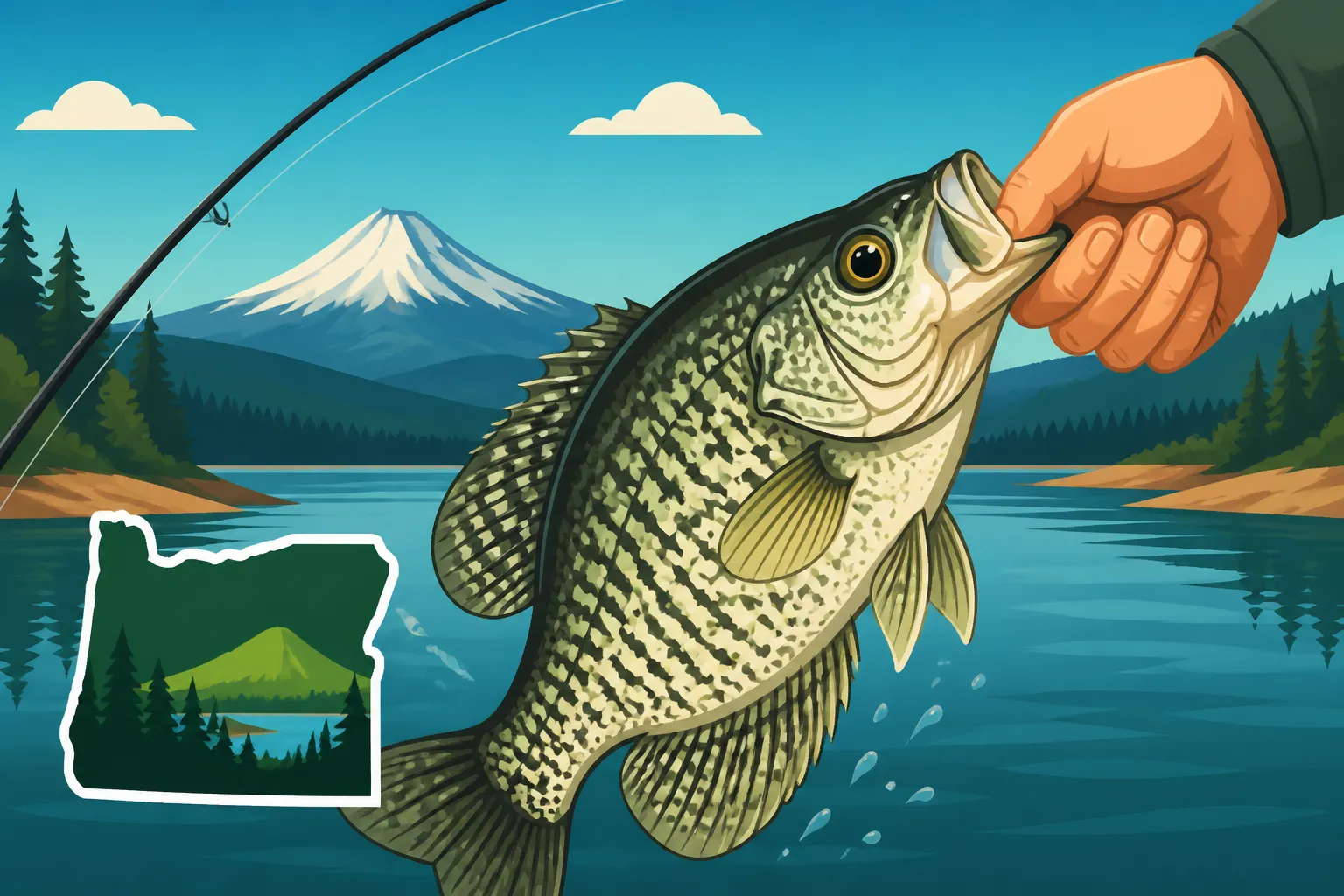
In Oregon, you're most likely to encounter two species of crappie: the black crappie and the white crappie. While they share many similarities, knowing a bit about each can inform your strategy. Black crappie typically have a more scattered pattern of dark spots and prefer clearer, cooler water with abundant vegetation. They tend to be a bit more rounded in body shape. White crappie, on the other hand, usually have vertical bars or stripes and thrive in slightly murkier, warmer waters, often preferring areas with submerged timber or brush. Both species are highly social, schooling fish, which means if you find one, you're likely to find many! They are ambush predators, often hiding in cover and darting out to snatch small minnows, insects, or crustaceans. This schooling behavior is key to understanding why "spot on the spot" fishing is so crucial for crappie. You could be just a few feet away from a massive school and not get a bite, but drop your bait right into the middle, and it's game on.
Their feeding patterns also fluctuate throughout the day and with changing conditions. Early mornings and late evenings are often prime times when they move into shallower water to feed. Overcast days can also provide excellent action, as the reduced light encourages them to be more active. During bright, sunny periods, they tend to retreat to deeper, shadier cover. Understanding these nuances of crappie behavior is the foundation of becoming a successful crappie angler. It's not just about luck; it's about anticipation and reading the signs that Mother Nature provides.
Ideal Reservoir Habitats
Oregon's reservoirs offer a smorgasbord of habitats that crappie absolutely adore. The key is to identify these features and understand why crappie gravitate towards them. Crappie are inherently structure-oriented fish, meaning they'll always be found near some form of cover or change in the bottom contour. Think of it like their personal safe haven and dining room all rolled into one.
Submerged timber and brush piles are classic crappie magnets. These could be old trees that fell into the water, man-made fish attractors, or even stumps from when the reservoir was first filled. The intricate branches provide both shelter from predators and ambush points for prey. Docks and piers, especially those with plenty of pilings or that extend over deeper water, are another prime location. The shade they cast is invaluable, particularly on sunny days, and the pilings themselves often become encrusted with algae and provide cover for baitfish. You might want to refer to our guide on Oregon Fishing Spots by Region for a broader look at where these types of structures might be prevalent.
Weed beds, particularly those with pockets or edges where crappie can hide, are also excellent. These aquatic plants oxygenate the water and provide a nursery for small insects and minnows. Drop-offs and submerged creek channels act as highways for crappie, allowing them to move between shallow feeding grounds and deeper, safer holding areas. A subtle change in depth can hold a huge school of fish. Think about reservoirs like Henry Hagg Lake or Fern Ridge Reservoir, which have ample submerged structure and varying depths that appeal to crappie. Learning to "read the water" and identify these features, whether visually or with electronics, is a game-changer for crappie fishing in Oregon.
Essential Gear for Reservoir Crappie
Now that you've got a grasp on crappie behavior and preferred hangouts, let's talk about the tools of the trade. You don't need a boatload of expensive equipment to catch crappie, but having the right setup can make a significant difference in your enjoyment and success. Crappie fishing is often about finesse, and your gear should reflect that.
Rods, Reels, and Line
For crappie, lighter tackle is generally the way to go. A light to ultralight spinning rod, typically 5 to 7 feet long, is ideal. Look for a rod with a fast or moderate-fast action, which means it will have a sensitive tip to detect those subtle crappie bites, but enough backbone to set the hook and handle a decent-sized fish. Paired with this, a small spinning reel (in the 500 to 1000 size range) will balance well and allow for smooth casting of light lures and baits. You can often find excellent, affordable rod and reel combos for crappie fishing on Amazon, perfect for beginners or those looking to expand their arsenal without breaking the bank.
When it comes to fishing line, a light monofilament or fluorocarbon line in the 4 to 6-pound test range is usually sufficient. Monofilament is more forgiving with stretch and good for slip bobber rigs, while fluorocarbon offers excellent sensitivity and less visibility underwater. Some anglers even opt for braided line with a fluorocarbon leader for maximum sensitivity and strength, especially when fishing around heavy cover. The key is to keep it light; crappie have a relatively soft mouth, and heavy line or gear can tear the hook out or make them shy away.
Baits and Lures That Work
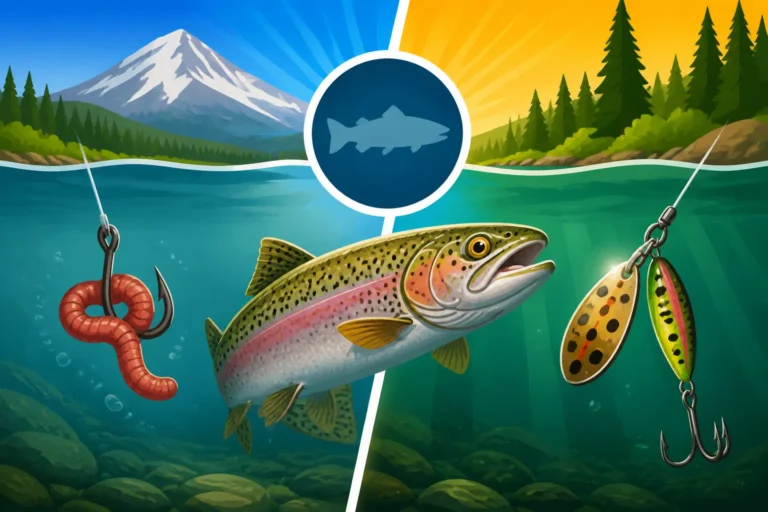
Crappie are not particularly picky eaters, but they do have their favorites. Live bait is often king, and small minnows are arguably the most effective crappie bait. Fished under a bobber or slowly retrieved, a lively minnow is hard for a crappie to resist. Worms, particularly small pieces of nightcrawlers or red wigglers, can also be very effective, especially when crappie are focused on insects.
When it comes to artificial lures, jigs are the undisputed champions of crappie fishing. Small soft plastic jigs, typically 1/32 to 1/8 ounce, in various colors (chartreuse, white, black, pink, and combinations thereof) are incredibly versatile. Grubs, tubes, and small minnow imitations are all excellent choices. Often, the color choice depends on water clarity and light conditions; bright colors for murky water, more natural hues for clear water. You can explore a vast array of crappie jigs and soft plastics on Amazon to stock your tackle box for any situation. Beyond jigs, small inline spinners or tiny crankbaits can also entice aggressive crappie, particularly in warmer water.
| Crappie Baits & Lures | Best Use Cases | Tips for Success |
|---|---|---|
| Live Minnows | All seasons, especially cold water | Hook lightly through lip or dorsal fin; keep lively. |
| Small Worm Pieces | When fish are focused on insects/grubs | Great for slow days; small bits on small hooks. |
| Soft Plastic Jigs | Versatile, active fishing, structure | Experiment with colors and tail actions (grub, tube, minnow). |
| Marabou Jigs | Finesse fishing, cold water, subtle bites | Natural pulsing action in water; light jigging. |
| Small Spinners | Active fish, covering water, aggressive bites | Retrieve steadily or with pauses near cover. |
| Tiny Crankbaits | Deeper water, trolling, targeting bigger fish | Match retrieve speed to crappie activity. |
Must-Have Accessories
Beyond your rod, reel, and tackle, a few accessories will make your crappie fishing experience much more enjoyable and efficient. A good fishing net with a fine mesh is crucial for safely landing crappie, especially larger ones, and preventing them from flopping off the hook at the last second. Small pliers or a hook remover are indispensable for safely extracting hooks, particularly when dealing with smaller fish or deeply set hooks.
A stringer or a livewell is essential if you plan on keeping your catch. Crappie are delicious, and keeping them fresh until you get home is important. And for reservoir fishing, especially for crappie, a fish finder is an absolute game-changer. It allows you to quickly locate submerged structures, weed lines, and, most importantly, schools of fish. Knowing the depth at which fish are holding can save you hours of fruitless casting. Even a basic portable model can provide invaluable information. Lastly, don't forget the essentials for any Oregon fishing trip: a pair of polarized sunglasses to reduce glare and spot structure, sun protection, and plenty of water!
Techniques for Productive Crappie Fishing
Crappie fishing isn't a one-size-fits-all endeavor. The best technique often depends on the season, the specific reservoir, and the crappie's mood. However, mastering a few core methods will give you a solid foundation for consistent success in Oregon's waters.
Vertical Jigging and Trolling
When crappie are holding tight to structure like submerged trees, brush piles, or bridge pilings, vertical jigging is incredibly effective. The idea is to present your jig or bait directly to the fish. If you have a boat or kayak, position yourself directly over the structure that your fish finder indicates is holding crappie. Then, simply drop your jig down to the depth where the fish are holding. Gently lift and drop your rod tip, imparting a subtle, enticing action to the lure. Sometimes, a completely still presentation is all it takes. This method allows for precision and ensures your bait spends maximum time in the strike zone. This is also a fantastic technique for ice fishing, though that's a different season altogether!
Trolling, on the other hand, is a fantastic way to cover water and find scattered schools of crappie, or when they are suspended at a certain depth over open water. This involves slowly moving your boat while dragging multiple jigs or minnow rigs behind you at various depths. You can use specialized crappie trolling rigs that allow you to present several baits at once. Pay close attention to your speed and depth. Often, a very slow speed, just enough to get your lures to "swim" naturally, is best. When you catch a fish, make a note of the speed, depth, and location. It's highly likely there are more crappie in that same area, holding at the same depth. This technique is especially useful in larger reservoirs like Lake Billy Chinook, where crappie might be spread out.
Bobber Fishing and Slip Bobbers
Bobber fishing is classic for a reason: it's simple, effective, and incredibly fun, especially for beginners or when fishing with kids. A traditional clip-on bobber works well for shallower water, but a slip bobber rig is truly the unsung hero for crappie in reservoirs. A slip bobber allows your line to "slip" through the bobber, stopping at a small knot (a bobber stop) that you've set on your line. This means you can fish at virtually any depth without having a long, cumbersome leader to cast. This is particularly valuable when crappie are suspended deep.
To set up a slip bobber rig, you'll need a bobber stop, a bead (to protect the knot from going into the bobber), the slip bobber itself, a small split shot or two to get your bait down, and a small, sharp hook (size 4 to 8 is usually good). Thread them onto your line in that order. You can easily adjust the depth by sliding the bobber stop up or down your main line. This technique excels when crappie are holding just above cover or in open water. It allows for a natural, subtle presentation of a live minnow or a small jig, and the bobber acts as a highly visible strike indicator. This passive method can be surprisingly effective when active jigging isn't producing bites, letting the fish come to you.
Reading the Water and Seasonal Changes
Crappie fishing isn't just about the mechanics of casting and retrieving; it's a dynamic dance with the environment. Understanding how the water itself and the changing seasons influence crappie behavior is absolutely vital for consistent success. You can find more general insights into fish behavior in our Oregon Fishing Seasons Explained guide.
In early spring, as water temperatures begin to rise (usually into the 50s Fahrenheit), crappie move into shallower coves, flats, and around emergent vegetation to spawn. This is often the easiest time to catch them, as they are concentrated and actively feeding. Look for water that warms up first, often on the north side of the reservoir or in protected bays. As summer progresses and water temperatures climb, crappie typically retreat to deeper, cooler water. They'll seek out thermal breaks, deep submerged structures, or the shade of docks and trees. This often requires using a fish finder to locate them and then either vertically jigging or slow trolling to present your bait at their depth.
Fall sees crappie becoming more active again as water temperatures cool. They often move back into shallower feeding areas, fattening up before winter. They might be found near deep weed lines or the edges of flats. In winter, crappie become more lethargic and typically hold in very deep water, often congregating in large schools in the deepest parts of the reservoir or near major submerged structures. This is when vertical jigging with very subtle movements or ice fishing (if applicable and safe) can be effective. Factors like water clarity, current (if any), and even barometric pressure can also affect their feeding patterns, making crappie fishing a continuous learning experience.
Top Tips for Success & Common Pitfalls
Fishing for crappie in Oregon reservoirs is a fantastic pastime, but like any type of fishing, there are keys to unlocking consistent success and common mistakes that can lead to frustration. Let's make sure you're geared up for the former!
Locating Crappie Hotspots
The number one rule in crappie fishing is "find the structure, find the crappie." This often means leaving the wide-open expanse of the reservoir and focusing your efforts. Start by looking for obvious cover: fallen trees, boat docks, old bridge pilings, and visible weed lines. These are all prime starting points. A good fish finder is your best friend here. It will reveal submerged brush piles, ledges, and creek channels that are invisible from the surface. Learn to interpret its signals—arches or blobs suspended off the bottom often indicate schools of fish. If you're looking for general regional advice, our Oregon Panfish Guide or Oregon Warmwater Fish Species articles might offer broader location insights.
Don't be afraid to move around. If a spot isn't producing after 15-20 minutes, especially if you're certain there's fishable structure, it's time to try another. Crappie can be incredibly concentrated, and being just a few feet off can mean the difference between a full livewell and an empty one. Talk to local anglers at the boat ramp or tackle shops; they often have invaluable, current information on where the fish are biting. Fishing reports from the Oregon Department of Fish and Wildlife (ODFW) can also provide clues on which reservoirs are being stocked or are seeing good crappie action. Local knowledge, combined with your own observation and electronics, creates a powerful crappie-finding arsenal.
The Importance of Depth and Presentation
Crappie are notoriously depth-sensitive. They often suspend at very specific depths, sometimes within a foot or two of an ideal temperature or oxygen level, or directly above a piece of cover. If you're fishing too high or too low, you simply won't get bites. This is where your fish finder and a slip bobber really shine. Once you locate a school of crappie, note their depth and make sure your bait or lure is presented right at that level. Don't be afraid to experiment with depth, moving your bait up or down a foot at a time until you find the sweet spot.
Beyond depth, the presentation itself is critical. Crappie often prefer a subtle, slow presentation. Too much erratic movement or speed can spook them. When jigging, slight twitches or slow lifts and drops are usually more effective than aggressive jerking. When fishing with live minnows, let them swim naturally under a bobber. The natural movement of the bait itself is often enough to trigger a strike. For artificials, vary your retrieve—a steady slow retrieve, a stop-and-go, or even just letting the jig hang motionless for a few seconds can be the key. Sometimes the simplest presentation is the most effective. Pay attention to what works, and try to replicate it.
Handling and Regulations
Once you've hooked into some crappie, proper handling is important, especially if you plan to release some. Crappie have delicate mouths, so use a light touch when landing them. If you're keeping them, put them immediately on ice or in a livewell to ensure their meat stays firm and fresh. Their fillets are absolutely delicious, making them a highly sought-after table fish in Oregon.
Always be aware of the current Oregon Fishing Regulations Explained. While crappie generally have very liberal bag limits in many Oregon reservoirs—often no length or bag limits at all, as they are not typically a species of concern in terms of overfishing—it's crucial to consult the ODFW regulations for the specific body of water you're fishing. Regulations can change, and special rules might apply to certain lakes or reservoirs. Checking the Oregon Daily Bag Limits Explained will provide you with the most up-to-date information. Responsible angling means knowing and following these rules, helping to ensure healthy fish populations for everyone to enjoy for years to come.
Disclaimer
This article is for general informational purposes only and does not constitute professional advice. Laws, prices and regulations vary by location and change over time. Consult a qualified professional for guidance on your specific situation.