Difference between drift fishing and float fishing
The world of Oregon fishing can sometimes feel like a secret language, full of terms that sound similar but mean vastly different things. One common point of confusion for new anglers, and even some seasoned folks, is the distinction between "drift fishing" and "float fishing." You're out there, just trying to catch some fish, and suddenly you're wondering if you're using the right technique or even talking about the right thing! This guide is here to clear up that mystery, breaking down the nuances of each method so you can confidently choose the best approach for your next angling adventure in the Beaver State.
Understanding Drift Fishing in Oregon
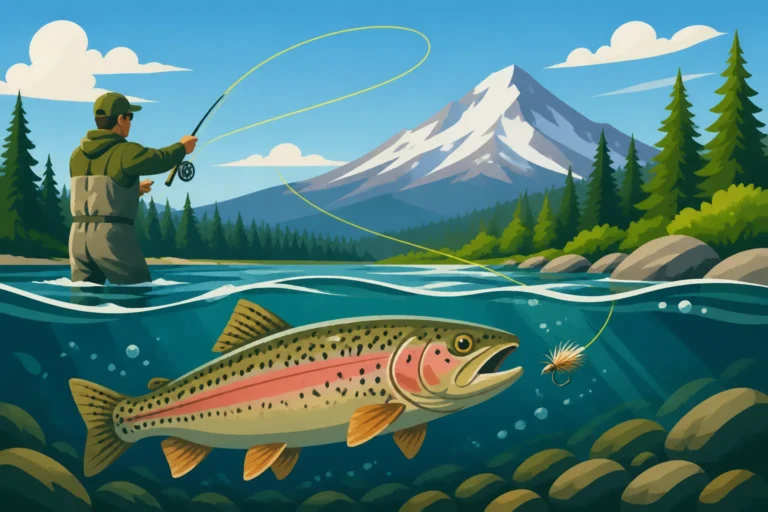
Drift fishing is a time-honored technique, particularly effective in Oregon's rivers and streams where fish like salmon and steelhead hold in current seams and riffles. It's all about natural presentation, letting your bait or lure tumble along the river bottom as if it were just another piece of natural debris.
What Exactly is Drift Fishing?
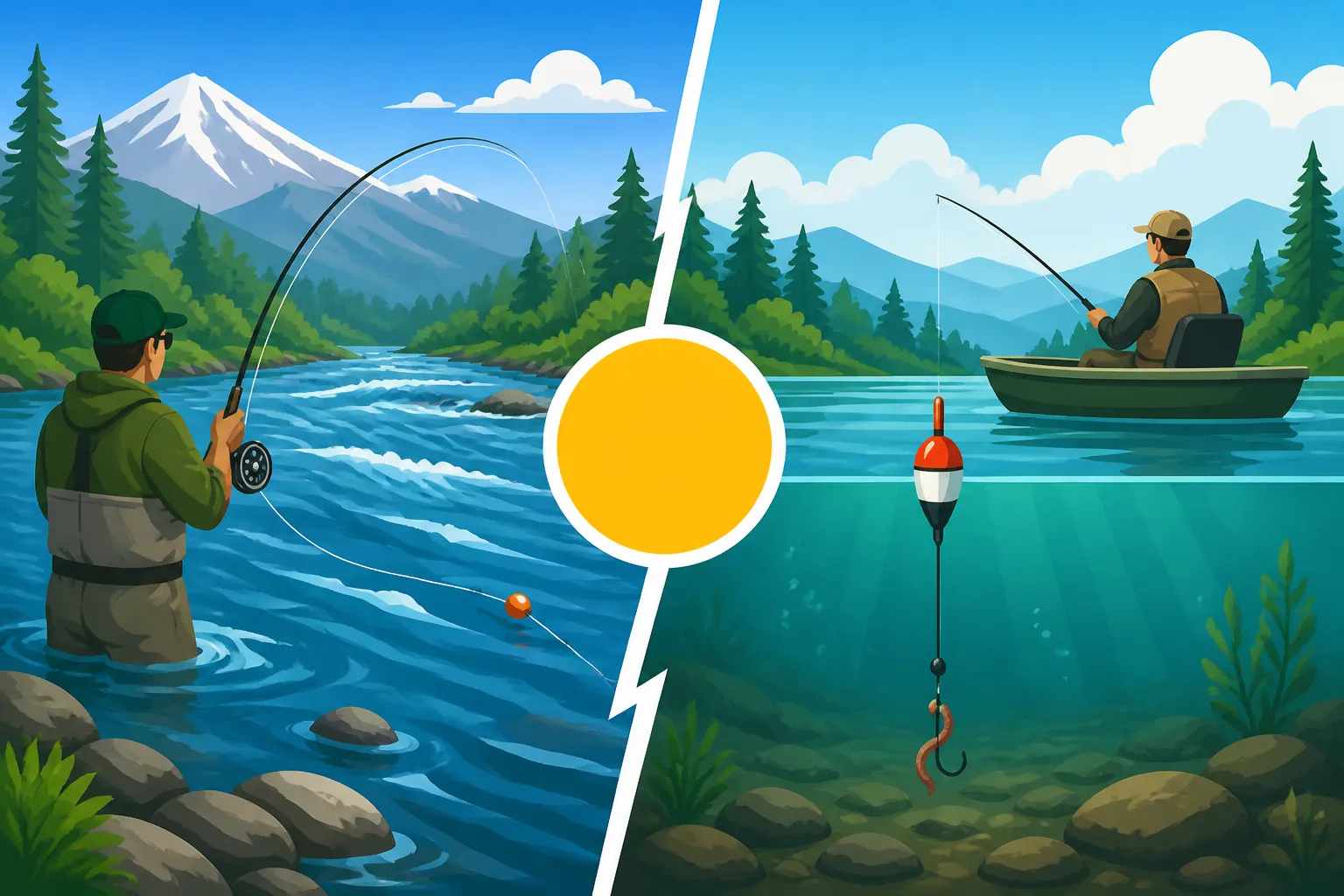
At its heart, drift fishing is about mimicking nature. You cast your weighted bait or lure upstream, allowing it to "drift" downstream at the same speed as the current. The goal is for your offering to bounce, roll, or slide along the riverbed, presenting itself directly to fish that are lying in wait, conserving energy, and looking for an easy meal. This technique demands a keen sense of feel, as strikes are often subtle — just a slight tap or an unexpected stick in the retrieve. It's a hands-on approach where you maintain constant, direct contact with your line, feeling every rock, every current eddy, and most importantly, every gentle tug from a curious fish. Many anglers find the intense concentration and tactile feedback of drift fishing incredibly rewarding, almost like an extension of their own arm reaching into the river.
Common target species for drift fishing in Oregon include hard-fighting steelhead, powerful salmon, and various trout species, especially when they're actively feeding on the bottom. Your gear usually involves a spinning rod or a baitcasting rod with a sensitive tip to detect those subtle bites, paired with line that allows for good feel and minimal drag. You’ll be managing your line constantly, making sure it doesn’t get caught in the current and pull your bait unnaturally fast, which is often called "drag."
Ideal Conditions and Locations for Drifting
Drift fishing truly shines in rivers and larger streams that have a consistent, moderate current and a varied bottom structure. Think about the classic steelhead rivers like the Deschutes River or the Clackamas River. These waterways are perfect because they offer a mix of riffles, runs, and seams where fish congregate. You're looking for areas where the current creates natural travel lanes or holding lies for fish. A seam, for instance, is where two different current speeds meet, often creating a nice, slower patch of water where a fish can rest and ambush food.
When fishing the Sandy River, for example, skilled drift anglers will carefully observe the water, identifying subtle changes in depth and current speed. They'll cast their gear precisely into a promising spot upstream and guide it downstream, allowing it to cover the prime areas where salmon or steelhead might be resting. The trick is to ensure your weight is heavy enough to tick the bottom without constantly snagging, but light enough to tumble naturally. Water clarity is also a factor; in clearer water, fish can be more discerning, making a perfect, natural drift even more critical. Conversely, in slightly colored water, the subtle vibrations and scent of your drifting bait can be incredibly effective.
Common Rigging and Techniques for Drift Fishing
The rigging for drift fishing is quite varied, but it always comes down to getting your bait or lure to the fish's level while maintaining that natural drift. Slinky weights, made from small lead shot inside a piece of cordura, are a favorite among Oregon anglers because they snag less often than traditional lead sinkers. Pencil lead, a thin length of lead wire, is another popular choice, particularly in rocky rivers where it can slide over obstacles. For lighter presentations, a series of strategically placed split shot can be all you need.
For bait, many swear by cured salmon roe, which has an irresistible scent and natural appearance. Others use fresh or artificial worms, shrimp, or soft plastic beads that mimic fish eggs, especially when fishing for trout or steelhead. Lures like small drift bobbers (not to be confused with floats!), often called "Cheaters" or "Lil' Nippers," and tiny spinners can also be highly effective when fished with a drift presentation. Companies like Amazon offer a wide array of these specialized drift fishing weights and baits, making it easy to stock up before your next trip.
The technique itself requires constant attention. You cast, let your rig sink, and then slightly raise your rod tip as it drifts downstream, keeping just enough tension to feel the bottom. As the rig moves, you "mend" your line – lifting the line off the water and repositioning it upstream – to prevent the current from creating a bow in your line, which would pull your bait faster than the current. This "drag-free drift" is paramount, ensuring your offering looks completely natural to a waiting fish.
Understanding Float Fishing (Bobber Fishing) in Oregon
Float fishing, often called bobber fishing, takes a different approach to presentation, relying on a buoyant indicator to suspend your bait or lure at a precise depth. It’s often seen as a more visual and sometimes less physically demanding method, though still incredibly effective.
What Exactly is Float Fishing?
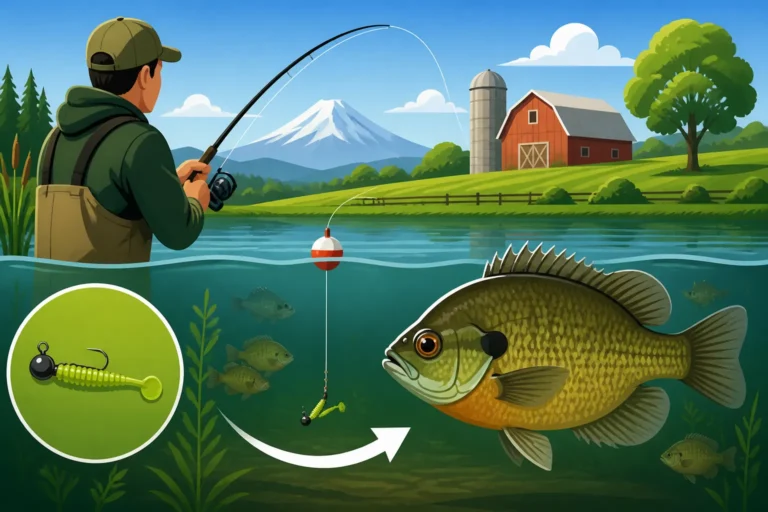
Float fishing utilizes a "float" – commonly known as a bobber – to suspend your bait or lure at a specific, predetermined depth in the water column. Instead of feeling the subtle bumps and taps on the bottom, you’re watching the float for any unusual movement: a dip, a dive, or a sudden sideways pull. This visual strike detection makes it a fantastic technique for beginners or those who prefer a less intensive, more relaxed approach to fishing. The float not only indicates a bite but also helps to carry your bait through the water, allowing it to present naturally without getting snagged on the bottom.
This method is incredibly versatile, working well for a variety of species that feed throughout the water column, not just on the bottom. In Oregon, float fishing is popular for salmon and steelhead in rivers, trout in both rivers and stillwaters (especially in How to Catch Trout in Stocked Oregon Lakes), and panfish like crappie and bluegill in ponds and lakes. It's particularly useful when fish are suspended off the bottom, or when the bottom itself is so snag-ridden that traditional drift fishing would be a nightmare. The beauty of float fishing is its simplicity and effectiveness.
Ideal Conditions and Locations for Float Fishing
Float fishing truly excels in a wider range of conditions compared to purely bottom-bouncing drift fishing. In rivers, it’s ideal for deep holes, slower eddies, and the edges of stronger currents where fish might be holding just off the bottom. If you're fishing a river with a lot of debris or large boulders on the bottom that would constantly snag a drift rig, a float rig can keep your bait suspended just above the danger zone. The Willamette River, especially when targeting spring Chinook, is a prime example where float fishing techniques, often with jigs or eggs, can be incredibly productive, allowing you to cover deep runs without constant snags.
Beyond rivers, float fishing is practically the default method for stillwater environments like lakes and ponds. When you're trying to figure out the depth at which trout or kokanee are feeding in a lake, adjusting your float rig allows you to systematically explore different depths until you find the strike zone. Areas with fluctuating currents or even entirely slack water are also excellent for float fishing, as the float maintains your bait's position and depth, letting it hang enticingly for fish to find. It offers a distinct advantage when you know fish are in a specific area but don’t necessarily want to feed right on the bottom.
Common Rigging and Techniques for Float Fishing
Float fishing rigs are generally straightforward. You have your float, which can be either a fixed float (attached directly to your line, good for shallower depths) or a slip float (which slides freely on your main line between a bobber stop and a small weight, allowing you to fish much deeper). Beneath the float, you'll have a swivel, a leader, and then your hook with bait or a jig. A small amount of weight, typically split shot or an egg sinker, is added above the swivel to help cast and keep the float upright.
The bait options are endless. Marabou jigs are incredibly popular for steelhead and salmon, especially when tipped with a small piece of shrimp or cured roe. Other common baits include salmon eggs, artificial beads, and even live worms for trout and panfish. The key is to select a bait or lure that has an enticing action as it drifts or suspends. You can find a huge variety of floats, jigs, and related tackle on Amazon, often with different colors and sizes optimized for various water conditions and species.
The technique involves casting your rig, letting the current (or wind, if in still water) carry your float, and watching for the bite. "Mending" your line is still important in current to prevent the float from speeding up or slowing down unnaturally. For salmon, like those you might target in Oregon Salmon Fishing Techniques, or steelhead, using a longer rod (10-13 feet) can give you better line control, allowing you to make longer drifts and keep more line off the water, reducing drag. Adjusting the depth of your presentation is simple: just slide your bobber stop up or down your line until you find where the fish are holding.
Key Differences and When to Choose Each Method
While both drift fishing and float fishing are about presenting bait or lures naturally to fish, their fundamental mechanics and the situations in which they excel are quite different. Understanding these distinctions is crucial for becoming a more versatile and successful Oregon angler.
Fundamental Distinctions: Feel vs. Sight
The most significant difference between drift fishing and float fishing boils down to how you detect a strike. Drift fishing is a "feel" game. Your finger is often on the line, or you're holding the rod with such sensitivity that you can feel the subtle "tick-tick" of your weight bouncing the bottom. A fish bite, especially from a cautious steelhead, might just feel like a slightly heavier tick or a momentary stop in the drift. It requires constant focus and an intimate understanding of what your line is doing under the water. This direct connection often gives anglers a stronger sense of engagement with the river itself.
Float fishing, on the other hand, is primarily a "sight" game. You're watching your float like a hawk. When a fish takes your bait, the float will dip, disappear, or move erratically. This visual cue can be much easier for beginners to interpret and can also be beneficial in situations where the current makes feeling a subtle bite difficult. However, the float acts as an intermediary, meaning there's a slight delay between the fish taking the bait and you seeing the indication, which can sometimes lead to missed fish if you're not quick on the uptake. Both methods aim for a natural presentation, but the sensory experience for the angler is distinct.
Gear and Setup Variations
The differences in technique naturally lead to variations in preferred gear. For drift fishing, a medium-light to medium power spinning or baitcasting rod, typically 8 to 9.5 feet long, offers a good balance of casting distance, backbone for fighting fish, and sensitivity for detecting bites. Line choices often lean towards fluorocarbon leaders due to their invisibility and abrasion resistance. Specialized drift weights like slinkies or pencil lead are essential.
For float fishing, many anglers opt for longer, lighter-action rods, often 10 to 13 feet. These longer rods help manage line, make longer mends, and pick up slack quickly for better hooksets. Think about a float rod for Oregon Steelhead Fishing Techniques – it’s often designed to protect lighter leaders while still having enough power to handle a strong fish. Line-wise, a high-visibility monofilament or braided main line helps you see your line on the water, while a fluorocarbon leader ensures your bait looks natural. Slip floats or fixed floats are, of course, the stars of the show, allowing for precise depth control. You can certainly find both types of specialized rods and reels on platforms like Amazon, often with detailed reviews to guide your choice.
Situational Applications in Oregon Waters
Choosing between drift fishing and float fishing often comes down to the specific conditions you face on the water and the species you're targeting.
When to Drift Fish:
- Shallow, clear rivers with uniform current: When targeting picky fish like summer steelhead in the upper Deschutes, where a stealthy, bottom-bouncing presentation is key.
- Actively feeding fish on the bottom: If you know fish are holding tight to the riverbed and actively picking up nymphs or eggs.
- Covering a lot of water thoroughly: A good drift allows your bait to cover a long stretch of river bottom, bumping into fish in various lies.
- Rocky, but not excessively snaggy, bottoms: Where your weight can tumble and bounce without getting constantly hung up.
When to Float Fish:
- Deep holes and runs: Where getting your bait down to a precise depth without constantly snagging the bottom is difficult. This is often the case for winter steelhead in coastal rivers or deep pools in the Columbia River.
- Snaggy bottoms: If the riverbed is full of logs, rocks, or other debris, a float keeps your bait suspended just above the snags.
- Targeting suspended fish: When salmon or trout are feeding in the middle of the water column rather than on the bottom.
- Beginners or those who prefer visual cues: Float fishing offers a clear visual indicator of a bite, making it easier to learn and enjoy.
- Fishing from shore where you need maximum casting distance and drift control: A long float rod allows for better line management.
Sometimes, the best approach might even involve a hybrid of sorts, where a light float is used to suspend a small weight and bait just off the bottom, giving you some of the visual benefits of float fishing while maintaining a near-bottom presentation. Oregon's diverse waters, from high mountain lakes to vast rivers, demand a flexible approach. Knowing when and how to deploy each of these techniques will significantly boost your success rate.
Practical Tips for Oregon Anglers
No matter which method you lean towards, some fundamental principles will always help you become a better angler in Oregon's diverse fisheries. Mastering the basics and staying adaptable are key.
Reading the Water
This is perhaps the single most important skill an angler can develop, whether you're drift fishing, float fishing, or even fly fishing. "Reading the water" means understanding how currents, depth, and structure create holding lies for fish. Look for:
- Seams: Where fast water meets slow water. Fish often sit in the slower water, waiting for food to drift by in the faster current.
- Riffles and Runs: These are faster, shallower areas where oxygen is high, and food is abundant. Fish will often hold in the troughs between rocks or along the edges.
- Deep Holes: Excellent holding water, especially in cold weather or bright sun, offering fish refuge and a steady stream of food.
- Current Breaks: Anything that breaks the current, like large boulders, submerged logs, or even a subtle change in the riverbed, creates a potential holding spot. Fish will often sit behind these breaks.
The more time you spend observing the water, the better you'll become at identifying these prime locations. Think about where you'd want to be if you were a fish trying to conserve energy and find food – that's usually where they are!
Practice Makes Perfect
Like any skill, fishing takes practice. Don't get discouraged if your first few attempts at drift fishing result in snags, or if you miss a few bites while float fishing. Every trip is a learning experience.
- Start Simple: Don't try to master the most challenging techniques on the wildest rivers right away. Begin in more accessible areas, perhaps a local pond or a slower section of a river, to get a feel for your gear and presentation.
- Experiment: Don't be afraid to try different baits, lures, weights, or float depths. Sometimes a minor adjustment can make a huge difference. If one method isn't working, switch to another.
- Observe Other Anglers: Watch how experienced anglers fish. What kind of drifts are they achieving? How are they mending their line? There's a lot to learn from observation.
- Stay Persistent: The best anglers are often the most persistent. Keep casting, keep learning, and keep enjoying the process.
Essential Gear Checklist
No matter your preferred technique, make sure you're always prepared. Here's a basic checklist that every Oregon angler should consider:
| Item | Drift Fishing Priority | Float Fishing Priority | General Importance |
|---|---|---|---|
| Oregon Fishing License | Absolutely Essential | Absolutely Essential | Mandatory for all fishing in Oregon. Learn more at Oregon Fishing License Guide. |
| Rod & Reel | Sensitive tip, good backbone (e.g., 8-9.5 ft Medium-Light) | Longer, lighter action (e.g., 10-13 ft Light-Medium) | Matched to target species and technique. |
| Fishing Line | Braided main, fluorocarbon leader | High-vis main (mono/braid), fluorocarbon leader | Appropriate strength and visibility. |
| Terminal Tackle | Slinky weights, pencil lead, split shot, swivels, hooks | Floats (slip/fixed), bobber stops, split shot, jigs, hooks | Essential for rigging. |
| Bait/Lures | Cured roe, worms, soft beads, small spinners | Jigs, eggs, plastic worms, shrimp | Tailored to species and water conditions. See Oregon Bait and Lure Guide. |
| Waders & Boots | High importance for river access | Moderate importance (if wading) | Keeps you dry and provides traction. |
| Rain Gear | High importance | High importance | Oregon weather is unpredictable! |
| Pliers/Forceps | Essential for hook removal | Essential for hook removal | Safe and quick de-hooking. |
| Net | Recommended for landing fish | Recommended for landing fish | Protects fish and makes landing easier. |
| First Aid Kit | High importance | High importance | For minor cuts or emergencies. |
| Water/Snacks | High importance | High importance | Stay hydrated and energized. |
| Sunscreen/Hat | High importance | High importance | Protect yourself from the elements. |
Remember to always check the Oregon Fishing Regulations Explained before heading out, especially for specific daily bag limits on species like salmon or steelhead in different rivers. Knowing the rules and having the right gear, whether you're drift fishing for How to Fish for Coho Salmon in Oregon or float fishing for trout, will make your time on the water much more enjoyable and successful.
Disclaimer
Please note that fishing regulations in Oregon can change. Always consult the latest Oregon Department of Fish and Wildlife (ODFW) regulations before any fishing trip. This guide is for informational purposes only and does not supersede official ODFW publications.