Herring vs Anchovies for Oregon Salmon Fishing
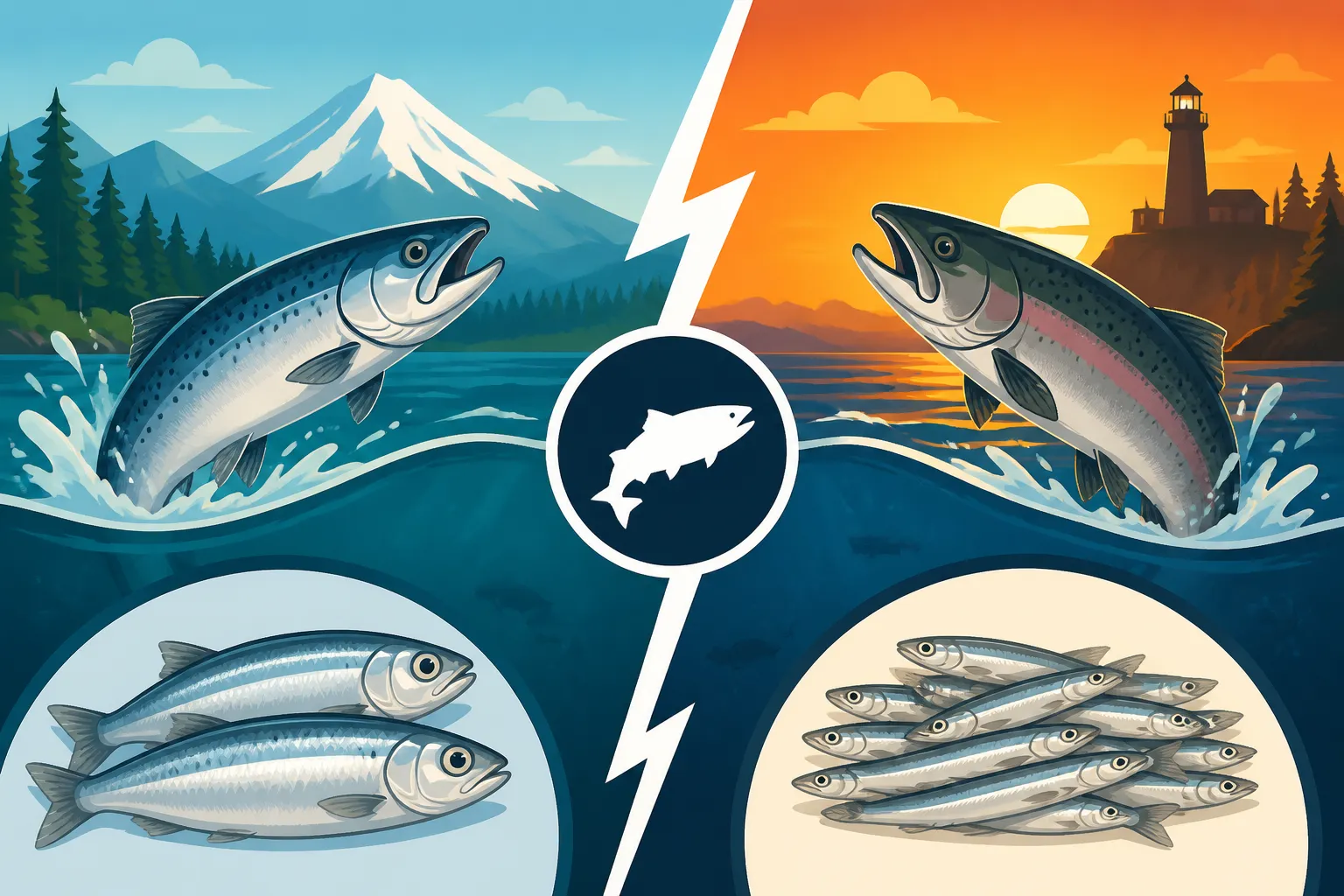
Oh, the age-old question that has probably kept more than a few Oregon salmon anglers awake at night! You've got your boat rigged, your rods ready, and the perfect tide approaching, but then it hits you: are we running herring today, or is it an anchovy kind of morning? It's a real dilemma, and honestly, it can feel like a guessing game sometimes. This comprehensive guide is here to cut through the confusion and help you confidently choose between herring and anchovies for your next Oregon salmon fishing adventure.
The Timeless Debate: Herring vs. Anchovies in Oregon Salmon Fishing
For anyone who's spent time chasing Chinook or Coho salmon in Oregon's diverse waters, from the mighty Columbia River to the rugged Pacific coast, you know that bait can make or break your day. It’s not just about having any bait; it's about having the right bait. The choice between herring and anchovies is more than just a preference; it’s a strategic decision that can significantly impact your success. Don't we all wish there was one magic answer? Unfortunately, the fish don't make it that easy!
Why Bait Choice Matters for Salmon Success
Think about it: salmon are predators, and their entire lives revolve around finding food to fuel their incredible migrations and spawn. When they're in a feeding mood, they're looking for something that mimics their natural diet. What they've been feeding on recently, the water conditions, and even the time of year can all influence what looks most appealing to them. Using a bait that doesn't quite match the local forage or current conditions is like showing up to a fancy dinner party in flip-flops – it just feels out of place, and you might not get invited to stay.
Beyond just appealing to their predatory instincts, the right bait needs to present well. It needs to have the right scent, the right size, and, crucially, the right action in the water. A perfectly rigged bait, whether it's herring or anchovy, should swim and dart like a panicked baitfish, triggering that innate strike response from a passing salmon. If your bait is washing out, spinning unnaturally, or just sitting there lifeless, it’s far less likely to entice a bite, no matter how hungry the salmon might be.
Understanding Salmon's Forage Preferences
Salmon are opportunistic feeders, but they do develop preferences based on what's abundant in their environment. In the vast ocean, herring and anchovies are staple foods for both Chinook and Coho salmon. These oily, protein-rich baitfish provide the energy salmon need for their long journeys. However, their availability can fluctuate throughout the year and in different locations. For instance, sometimes local schools of baitfish, whether they're herring or anchovies, will move into an area, and the salmon will key in on that specific food source.
Knowing what the salmon are currently feeding on is often the biggest clue to selecting your bait. This is where local knowledge, talking to fellow anglers, checking recent fishing reports, and even observing bait balls on your sonar comes into play. If you see birds diving or baitfish flickering on the surface, pay attention to their size and shape. Often, a good rule of thumb is to "match the hatch" – use bait that closely resembles what the salmon are already gorging themselves on. This isn't always easy, of course, but it’s a vital piece of the puzzle in successful salmon angling.
Delving Deep into Herring as a Salmon Bait
Herring is, without a doubt, one of the most iconic and effective baits for salmon fishing, particularly here in Oregon. Many seasoned anglers swear by it, and for good reason. Its characteristics make it a prime target for hungry salmon, often outperforming other options when conditions are right.
The Allure of Herring: Scent, Size, and Presentation
What makes herring so irresistible to salmon? First off, it’s the rich, oily scent. Herring are packed with natural oils that create a strong scent trail in the water, drawing salmon in from a distance. This is especially effective in stained water or during low-light conditions when visibility is poor. Salmon rely heavily on their sense of smell to locate food, and a fresh, oily herring is like ringing the dinner bell. The deeper, more robust body of a herring also provides a larger profile, which can be particularly appealing to bigger, more aggressive Chinook salmon looking for a substantial meal.
Then there's the presentation. When rigged correctly, a herring can be made to "roll" or "swim" in the water in an incredibly lifelike manner. This enticing action, mimicking a disoriented or injured baitfish, is often the final trigger for a salmon strike. The firmer flesh of a herring also holds up better to trolling speeds and repeated strikes compared to some other baits, meaning you can often fish one bait longer before needing to replace it. This durability can be a real time-saver when the bite is hot.
Different Herring Sizes and How to Rig Them
Herring come in a variety of sizes, and choosing the right one is crucial. Common sizes include "green label" (small), "red label" (medium), "blue label" (large), and "purple label" (extra-large). Generally, smaller bait (green or red label) is favored for Coho salmon or when Chinook are feeding on smaller forage. Larger blue or purple label herring are often the go-to for targeting big, aggressive Chinook salmon, especially during their spring and fall runs when they're looking for a substantial meal.
Rigging a herring for trolling typically involves a "rotator" or "mooching" harness, which is designed to impart that irresistible spinning action. The key is to insert the lead hook through the belly and out the vent, and the trailing hook through the back of the head, ensuring the bait has a slight curve. This curve, combined with the action of the harness, creates the perfect roll. It takes a bit of practice to get it just right, but a well-rigged herring will spin consistently without kinking your leader. There are tons of great tutorials online, and specialized rigging tools can be found at local tackle shops or even on Amazon.
Sourcing and Storing Quality Herring
The effectiveness of herring bait is highly dependent on its quality. You want fresh, firm, and bright herring that hasn't been freezer-burnt or thawed and refrozen multiple times. Many anglers prefer "brined" herring, which is herring that has been cured in a saltwater and often scent-enhanced solution. This process firms up the bait, makes it more durable, and often boosts its scent appeal. You can buy pre-brined herring, or many anglers take pride in brining their own at home with special recipes.
When buying herring, look for tackle shops that have a good turnover of bait. For large quantities, some anglers order from seafood suppliers. Once you have it, keeping it properly frozen until just before use is paramount. Store it in a freezer in its original packaging or in vacuum-sealed bags to prevent freezer burn. When you're ready to fish, slowly thaw it in a cooler, keeping it on ice until it's time to rig. Never let your herring sit in warm water or direct sunlight for extended periods; it will quickly degrade and lose its effectiveness.
Unpacking the Power of Anchovies for Salmon
While herring often gets the spotlight, anchovies are a formidable salmon bait in their own right. They are incredibly effective, especially in certain situations and for specific species, making them an indispensable part of many Oregon angler's arsenals. Don't discount these smaller, silver flashes!
The Dynamics of Anchovies: Oil, Flash, and Availability
Anchovies, like herring, are incredibly oily baitfish, meaning they also produce a potent scent trail that salmon can home in on. What sets them apart, however, is often their smaller size and exceptional flash. When rigged in a rotating helmet or head, an anchovy can spin at incredibly high RPMs, creating a dazzling, erratic flash that mimics a frantic, injured baitfish. This visual appeal can be devastatingly effective, especially in clearer water or on bright days when salmon are relying more on sight.
Their smaller profile can also be an advantage. Sometimes salmon are keyed into smaller forage, or perhaps they're not in an aggressive chasing mood, making a less intimidating anchovy more appealing. Anchovies are also generally more widely available and often a bit more affordable than high-quality herring, making them a practical choice for many anglers. They are a significant food source for salmon in many parts of the Pacific, so it stands to reason they'd be a preferred bait.
Anchovy Rigs and Effective Fishing Techniques
The most common way to present an anchovy is using a "bait anchovy helmet" or "rigging head." These plastic or metal devices cradle the anchovy's head and have a small fin or scoop that forces the bait to spin rapidly when trolled. The hooks are typically threaded through the body, ensuring the anchovy stays securely in the helmet. Just like with herring, achieving a perfect, consistent roll is critical. If your anchovy is spinning unevenly or "washing out," it will be far less effective.
Anchovies are often trolled behind flashers or dodgers, which add extra attraction and help create a vibration that salmon can detect. The action of the flasher combined with the spinning anchovy creates an irresistible combination. While mostly used for trolling, smaller anchovies can also be effective for mooching or drifting in certain river situations, though their delicate nature makes this a bit more challenging than with herring. The trick is to keep them fresh and firm for the best action.
Tips for Preserving and Preparing Anchovies
Anchovies are generally more delicate than herring, so their preservation and preparation require a bit more attention. Like herring, fresh anchovies are key. Look for bait that is firm, not mushy, with intact scales and eyes. Many anglers prefer to brine their anchovies, often adding various scents or dyes to the solution. Brining helps to firm up the anchovy's flesh, making it more durable and improving its action in the water. Popular brining agents include rock salt, powdered milk, Borax, and specific commercial bait brines available at most sporting goods stores or through online retailers like Amazon.
When thawing, do it slowly in a cooler, keeping them on ice. Once thawed, keep them cold. Some anglers even bring a small cooler on deck specifically for their rigged bait to keep it at optimal temperature. If you're not using a bait helmet, you might need to use a bait thread or dental floss to secure the anchovy to the hook to prevent it from tearing off during trolling or strikes. This extra step can significantly increase the lifespan of your bait.
When to Choose Which Bait: Matching Conditions and Species
This is where the rubber meets the road! Deciding between herring and anchovies isn't a set-it-and-forget-it choice. It's an assessment based on several factors, and successful anglers are those who can read the conditions and adapt their bait presentation accordingly.
Factors Influencing Your Bait Decision
Several environmental and biological factors should guide your decision:
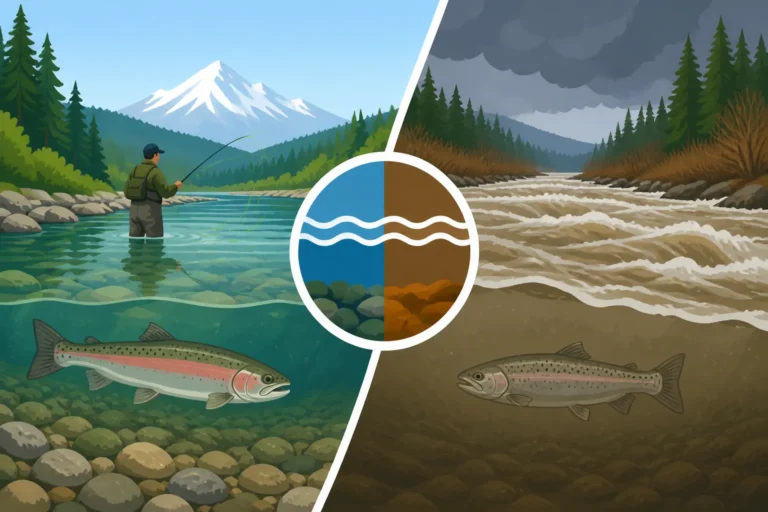
- Water Clarity: In clear ocean or river water, the visual flash of a fast-spinning anchovy can be incredibly effective. However, in murkier or stained water, the strong scent trail of an oily herring might be more advantageous, as salmon will rely more on their olfactory senses.
- Water Temperature: Generally, salmon can be more aggressive in warmer waters (within their optimal range), and they might be willing to chase a faster-trolled, flashy anchovy. In colder water, a slower, more deliberate presentation of a scent-rich herring might be better.
- Target Species: As we'll discuss, Chinook and Coho sometimes show different preferences.
- Prey Availability: The most crucial factor. If you know what the salmon are actively feeding on in that specific area, try to mimic it. If smaller baitfish are prevalent, anchovies might be better. If larger schools of herring are around, then herring is your answer. Talk to other anglers, check recent fishing reports, and observe your surroundings.
- Time of Day/Light Conditions: In low light (dawn, dusk, overcast days), scent-heavy baits like herring can shine. In bright sunlight, the flash of an anchovy can be a powerful attractant.
- Trolling Speed: Anchovies in a head often achieve their best spin at slightly higher trolling speeds. Herring can be effective across a wider range of speeds, depending on the rigging.
| Feature | Herring | Anchovy |
|---|---|---|
| Scent | Strong, Oily | Strong, Oily |
| Visual Appeal | Larger profile, natural "roll" | Smaller profile, rapid, erratic "flash" |
| Durability | Generally firmer, holds up well | More delicate, can tear more easily |
| Primary Target | Large Chinook, Coho | Coho, smaller Chinook, sometimes larger Chinook |
| Water Clarity | Excellent in stained/low visibility | Excellent in clear/bright conditions |
| Rigging Method | Rotator/Mooching harness | Bait helmet/Rigging head |
| Availability | Good, but quality can vary | Generally widely available |
| Cost | Can be slightly more expensive for quality | Generally more affordable |
Targeting Chinook Salmon with Herring or Anchovies
When it comes to Chinook salmon, especially the big "springers" on the Willamette River or the powerful "fall hogs" on the Columbia River, many anglers lean towards herring. The larger body of a blue or purple label herring represents a more substantial meal, which is often what these big, energy-hungry fish are looking for. The deep, rich scent of herring is also a proven attractant for Chinook, especially in the often turbid waters of major river systems or coastal bays. If you're looking for How to Fish for Spring Chinook on the Willamette or How to Fish for Fall Chinook on the Columbia, herring is almost always a top choice.
That's not to say anchovies don't work for Chinook! In some ocean fisheries, particularly when Chinook are feeding on smaller baitfish or when targeting "feeders" (non-spawning Chinook) that are actively gorging themselves, a fast-spinning anchovy can be incredibly effective. It's often about matching the local forage. If the local bait balls you're marking on your fish finder are primarily anchovies, then it makes sense to run them. The "Chinook Salmon in Oregon" are a diverse bunch, and their preferences can shift.
Coho Salmon Preferences and Bait Strategies
Coho salmon, often known for their aggressive nature and acrobatic fights, have a slightly different feeding behavior than Chinook. They tend to be more pelagic, often feeding higher in the water column and aggressively chasing bait. For Coho, the visual aspect of a bait often plays a huge role. This is where anchovies truly shine. The rapid, erratic flash of an anchovy in a helmet can trigger an instant predatory strike from a Coho.
While anchovies are a go-to for Coho, smaller "green label" herring can also be incredibly effective, especially when Coho are keyed into slightly larger forage or when you want to create a stronger scent trail. Many anglers will run a mix of both herring and anchovies when targeting Coho, experimenting with different sizes, colors of bait heads, and leader lengths to see what the fish are responding to on any given day. Remember, Coho are often more active and willing to chase, so presentation that mimics a panicked baitfish is key. Learn more about targeting Coho Salmon in Oregon with specific strategies.
The Art of Bait Presentation: Beyond Just the Bait Itself
It's one thing to choose the right bait; it's another entirely to present it in a way that salmon can't resist. A perfectly good herring or anchovy can be utterly useless if it's not rigged and presented properly. This often separates the anglers who consistently catch fish from those who go home empty-handed. This is a critical skill for all Oregon Fishing Techniques for Beginners.
The Importance of a Proper Spin and Roll
Whether you're using herring or anchovies, the goal is always a natural, enticing action. For herring, this means a smooth, consistent "roll" or "swim." It should look like a live baitfish darting and turning. For anchovies in a helmet, it means a fast, tight, and erratic "spin" that creates a vibrant flash. Any wobbling, kinking, or unnatural movement will be quickly ignored by discerning salmon.
Achieving this perfect action requires practice and attention to detail. Ensure your leader is perfectly straight and your bait is correctly aligned on the hooks or in the helmet. A common mistake is using too heavy a leader or a swivel that's too large, which can impede the bait's natural action. Experiment with different leader lengths behind your flasher or dodger. Sometimes a slightly longer or shorter leader will unlock that perfect spin. It's a subtle science, but one that pays huge dividends. Don't be afraid to pull your gear up and check the action of your bait periodically; it's better to check and adjust than to troll a dead bait for hours.
Enhancing Your Bait with Scent and Brine
While herring and anchovies are naturally oily and scented, there are countless ways to enhance their appeal. Brining, as mentioned earlier, is a fundamental step. Beyond just firming the bait, many anglers add specific scents or dyes to their brine. Common additions include Anise oil, garlic oil, various fish oils (like krill or sardine), and even commercial scent products designed specifically for salmon bait. These scents can amplify the natural odor of the bait, making it even more attractive to salmon, especially in lower visibility conditions. You can find a wide array of these products at your local tackle shop or on platforms like Amazon.
Dyeing bait can also be effective. Chartreuse, blue, or even UV-enhanced dyes can make your bait stand out in the water, adding another visual attractant, particularly on bright days or in specific water conditions. The goal is to make your bait irresistible, combining both scent and visual triggers to elicit a strike. Remember, a little goes a long way with scents; you don't want to overpower the natural aroma of the bait. Also, if you're ever looking for alternatives, check out our Oregon Bait and Lure Guide for more ideas.
Practical Tips and Gear for Bait Fishing in Oregon
Beyond the bait itself, having the right setup and knowing how to troubleshoot common issues can dramatically improve your bait fishing success in Oregon. You don't need the most expensive gear, but reliable tackle is a must.
Essential Tackle for Herring and Anchovy Setups
To effectively fish herring and anchovies, you’ll need a few key pieces of tackle:
- Rods & Reels: A medium to medium-heavy action rod, typically 8.5 to 10.5 feet long, paired with a reliable level-wind or star drag reel spooled with 20-30 lb monofilament or braided line. The length helps with cushioning big runs and keeping hooks set.
- Leader Material: Fluorocarbon leader in 20-40 lb test is preferred for its invisibility underwater and abrasion resistance. Match the leader strength to the size of fish and the water clarity.
- Swivels & Snaps: High-quality barrel swivels and strong snaps are crucial to prevent line twist (especially with spinning baits) and ensure secure connections.
- Flashers & Dodgers: These attractors are essential for many salmon bait fishing techniques, especially trolling. They create flash, vibration, and often impart action to your bait. Popular brands include Big Al's Fish Flash, Les Davis Baitfish, and various Luhr Jensen dodgers.
- Bait Rigs: Dedicated herring rotators/mooching harnesses and anchovy helmets/rigging heads are indispensable. Keep a variety of sizes and colors on hand.
- Weights: Depending on depth and current, you'll need cannonballs, downrigger balls, or inline sinkers to get your bait down to where the salmon are.
Having a good selection of these items ensures you're ready for whatever the salmon throw at you. Don't cheap out on terminal tackle; a lost fish due to a faulty snap or weak hook is a real heartbreaker. Many of these essential items can be easily purchased through online platforms like Amazon.
Troubleshooting Common Bait Fishing Challenges
Even the most experienced anglers encounter issues. Here are a few common problems and how to tackle them:
- Bait Washing Out or Spinning Poorly: This is the most common issue. First, check your rigging. Is the bait perfectly aligned? Is there a consistent curve? Is the leader straight? Sometimes a small adjustment to where the hook enters the bait can make all the difference. Also, check your trolling speed; too fast or too slow can negatively impact the spin.
- Light Bites/Missed Fish: If you're getting taps but no solid hookups, try shortening your leader behind the flasher, or perhaps switch to a slightly smaller bait size. Sometimes salmon are just "testing" the bait. Ensure your hooks are razor sharp!
- Line Twist: With spinning baits, line twist can be a persistent headache. Use good quality barrel swivels on both ends of your leader and between your main line and flasher. A quality swivel is worth its weight in gold.
- No Bites: This could be a multitude of things! Double-check your depth – are you fishing where the fish are marked? Experiment with different trolling speeds, bait sizes, and colors of bait heads or flashers. Sometimes a change in direction or moving to a different spot is all it takes. Consider the "Oregon Fishing Season Dates and Limits" to ensure you're fishing during prime times for your target species. If you're still struggling, perhaps consider hiring an Oregon Fishing Guide Services for a day to learn the local nuances.
Disclaimer
Fishing involves inherent risks, and conditions can change rapidly. Always check the latest Oregon Department of Fish and Wildlife regulations, licensing requirements, and any emergency closures before heading out. Safety should always be your top priority. The information provided here is for educational and entertainment purposes only and should not be considered professional advice.