Suttle Lake fishing spots
Finding that perfect fishing spot on a new lake can feel like cracking a secret code, especially when you're looking at a gem like Suttle Lake in Oregon, which is known for its stunning beauty but can sometimes feel a bit elusive when it comes to consistently finding fish. It's a common frustration to drive all that way, launch your boat or cast from shore, and come up empty-handed because you just didn't know where to focus your efforts. This guide aims to pull back the curtain on Suttle Lake, revealing its prime fishing locations, target species, and essential techniques, so you can spend less time guessing and more time enjoying those rewarding bites.
Understanding Suttle Lake's Unique Character
Suttle Lake, nestled in the Deschutes National Forest, is more than just a body of water; it's a cold, clear, deep lake shaped by ancient glaciers and fed by mountain springs. Its unique characteristics profoundly influence where and how fish thrive, making it a distinct challenge and joy for anglers. Unlike many warmer, shallower lakes, Suttle maintains a crisp, oxygen-rich environment throughout its depths, which is ideal for the species that call it home.
The Clear, Cold Waters of Suttle Lake
The water clarity in Suttle Lake is truly something special. While beautiful to behold, this crystal-clear water also means fish can be warier and more easily spooked, especially on bright, sunny days. Anglers often need to employ longer leaders, lighter lines, and more subtle presentations. The water temperature rarely gets very warm, even in summer, which means species like trout and kokanee salmon are active deeper in the water column when the sun is high. This cold, clean environment is a prime reason why Suttle Lake boasts such healthy populations of its primary target species.
Geological Features and Their Impact on Fishing
Suttle Lake's bottom structure is a fascinating mix of volcanic rock, gravel, and submerged timber. The lake was formed by glacial activity, and its deep, U-shaped basin has several distinct features that attract fish. You'll find sharp drop-offs, submerged ledges, and areas with old growth that has fallen into the lake over time. These structural elements provide cover, ambush points, and foraging grounds for fish. Understanding these underwater contours, often best mapped with a good fish finder, is crucial for pinpointing where fish might be holding. For instance, the areas where the bottom transitions from shallow flats to deeper channels are often hotspots for cruising trout.
Key Fishing Spots and Access Points on Suttle Lake
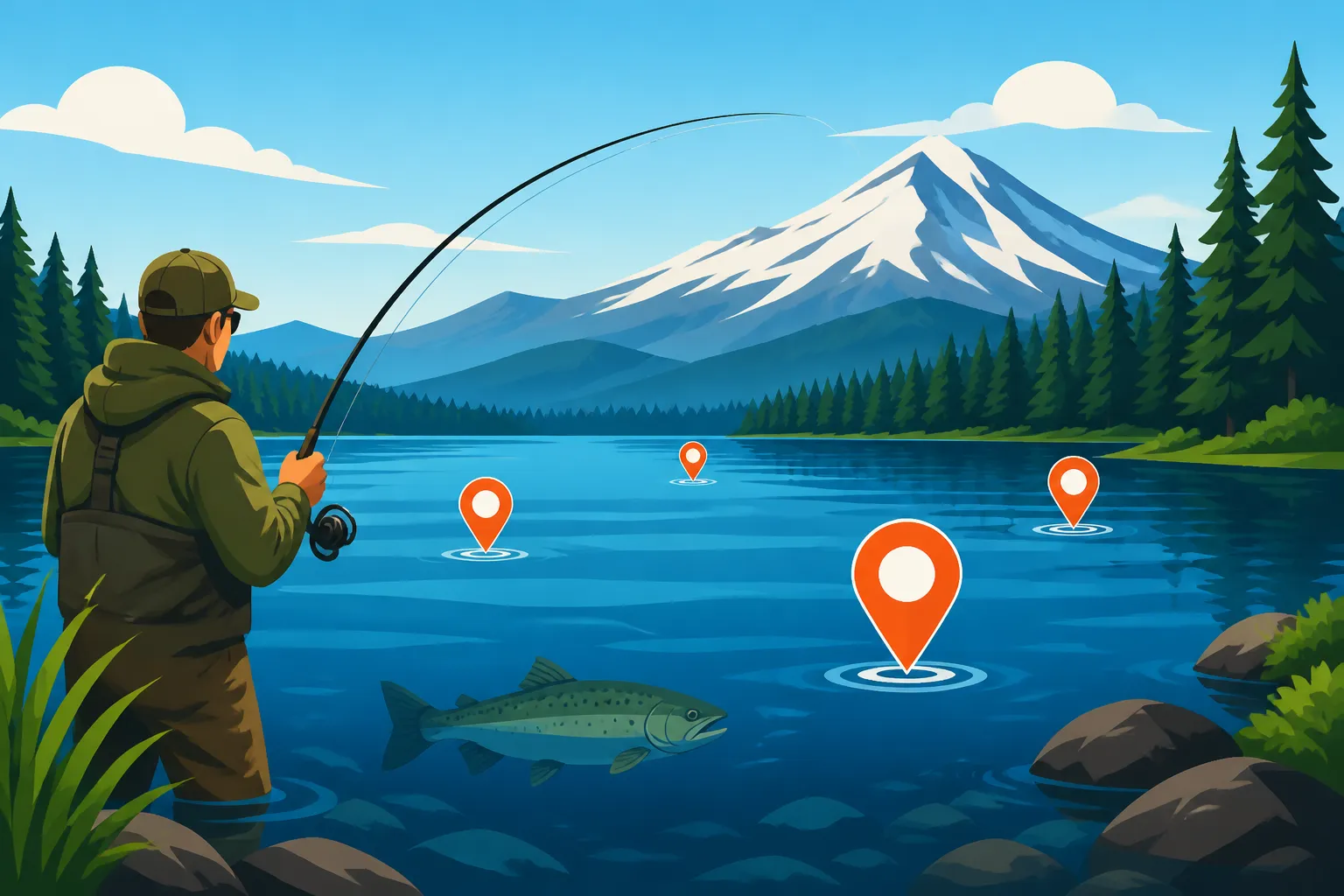
When you're out on Suttle Lake, knowing the lay of the land—or, in this case, the water—is half the battle. This beautiful lake offers diverse environments, each with its own advantages for different types of fishing and target species. Whether you’re casting from the bank, paddling a kayak, or cruising in a motorboat, there are specific areas that consistently produce action.
The Shores and Shallower Bays
For those who prefer to keep their feet on solid ground or who are launching smaller craft, the shoreline of Suttle Lake offers several accessible spots. The eastern and northern shores, particularly around Suttle Lake Resort and the various campgrounds, feature gradual slopes and submerged vegetation where trout can be found. These areas are excellent for casting spinners, spoons, or power bait from the bank, especially during the early morning or late evening hours when fish move into shallower water to feed. You'll often see families enjoying the easy access here, and it's a great place to introduce kids to the joys of fishing.
The shallower bays, like the one near the Lake Creek inlet on the western side, can be fantastic when insects are hatching or when cooler temperatures draw fish closer to shore. These protected areas are also popular for kayak and float tube anglers who can navigate quietly and present flies or small lures without disturbing the water too much. Pay close attention to any visible weed lines or submerged logs in these bays, as they provide excellent cover for foraging trout.
Deeper Channels and Drop-Offs
The heart of Suttle Lake holds its deepest secrets and some of its most productive fishing. The central and western parts of the lake plunge to significant depths, creating channels and dramatic drop-offs that are prime territory for kokanee salmon and larger trout. These deep zones are where you'll want to focus if you're trolling with downriggers or weighted lines. Using a fish finder becomes invaluable here, as it helps you identify schools of kokanee or individual trout suspended at various depths. The area directly in front of the Lake Creek outlet, for example, forms a distinct channel that fish use as a highway, especially during migration times.
Another key area is the drop-off along the southern shore, which can go from relatively shallow to over 50 feet deep quickly. This sharp contour provides excellent ambush points for larger predatory fish. When you're out on the water, you might notice other boats congregating in certain areas, which is often a good indicator of a productive deep-water spot. Many experienced anglers, some of whom you can find and book through platforms like FishingBooker, will often target these deeper sections for consistent success, especially as the day progresses and fish retreat from the shallows.
Inlets and Outlets: Natural Fish Magnets
River and stream mouths are almost universally fantastic fishing spots, and Suttle Lake is no exception. The Lake Creek inlet on the western side is a perennial hotspot. This constantly flowing water brings in fresh nutrients and oxygen, attracting a variety of baitfish and, consequently, the game fish that prey on them. During certain times of the year, particularly during spawning runs, this area can be incredibly active. Anglers here often have success drifting natural baits or casting small jigs and flies into the current.
Similarly, the creek's outlet on the eastern side, where the water flows towards the Deschutes River, also acts as a natural funnel for fish moving in and out of the lake. While perhaps not as prominent as the inlet, it still offers unique opportunities, particularly for resident trout that like to hang around areas of moving water. Always be mindful of specific regulations around inlets and outlets, as sometimes special rules apply to protect spawning fish. Consulting the Oregon Fishing Regulations Explained is always a good idea before heading out.
| Fishing Spot | Primary Target Species | Best Access Type | Key Features | Recommended Techniques |
|---|---|---|---|---|
| Suttle Lake Resort Shore | Rainbow Trout, Brook Trout | Bank, Kayak | Gradual slope, some submerged vegetation | Spinners, PowerBait, Worms, Small flies |
| Lake Creek Inlet Area | Rainbow Trout, Kokanee, Bull Trout | Boat, Kayak, Shore | Incoming current, deeper channel, submerged logs | Drifting bait, Small jigs, Fly fishing |
| Central Deep Basin | Kokanee Salmon, Rainbow Trout | Boat (Trolling) | Deep channels, thermocline, suspended schools | Trolling with dodgers/flashers, deep jigs |
| Southern Shore Drop-off | Rainbow Trout, Bull Trout | Boat, Kayak | Steep contour changes, rocky bottom | Trolling, Jigging, Casting spoons |
| Campgrounds North Shore | Rainbow Trout, Brook Trout | Bank, Kayak | Easy access, some weed beds | Spinners, PowerBait, Worms, Fly fishing (dry) |
Targeting Suttle Lake's Primary Fish Species
Suttle Lake is renowned for its specific collection of coldwater species, primarily trout and kokanee salmon. Each of these fish presents its own unique challenge and reward, requiring anglers to adapt their strategies to be truly successful. Understanding their habits and preferred environments within Suttle Lake will dramatically increase your chances of a memorable day on the water.
Rainbow Trout and Brook Trout
Rainbow trout are the most common catch in Suttle Lake, both wild and stocked. They are often found cruising the shallower areas early and late in the day, moving to deeper, cooler water as the sun climbs. When targeting Rainbow Trout in Oregon at Suttle, consider using small spinners like Mepps or Panther Martins in silver or gold, especially near the shore or around submerged structure. PowerBait, worms, or corn fished off the bottom with a simple slip-sinker rig can also be incredibly effective, particularly for newly stocked fish. Fly anglers will find success with various patterns depending on the hatch, from dry flies like elk hair caddis or parachute adams during evening hatches to nymphs such as prince nymphs or pheasant tails fished under an indicator in deeper runs.
Brook trout, while often smaller than rainbows, are vibrant and feisty fighters. They tend to prefer the cooler, shallower, and more vegetated areas, especially around the Lake Creek inlet. Small spoons, micro jigs, and even tiny dry flies are excellent choices for brook trout. They are often less finicky than rainbows, making them a fun target, especially for those learning Oregon Trout Fishing Techniques. Pay attention to the subtle currents near the inlet, as brook trout will often stack up in these areas, waiting for food to drift by.
Kokanee Salmon: The Landlocked Sockeye
Kokanee salmon are perhaps the most sought-after species in Suttle Lake, known for their bright red flesh and delicious taste. These landlocked sockeye are plankton eaters, which makes them a bit particular to catch. They tend to school in the deeper, open water of the lake, often suspended at specific depths where their food source is most abundant. Trolling is overwhelmingly the most effective method for kokanee. Anglers typically use downriggers or lead-core line to get their lures down to the desired depth, often between 20-50 feet, depending on the season and time of day.
Popular kokanee setups include small dodgers or flashers paired with tiny hoochies, wedding rings, or small Apex lures. The key is to tip these lures with a kernel or two of Shoepeg corn, often soaked in a scent like Anise or Krill. The corn provides both scent and a visual attractant. Keep your trolling speed slow, usually between 0.8 to 1.5 mph, and experiment with depth until you find the school. Knowing the habits of Kokanee Salmon in Oregon and checking local reports for current depths can make all the difference.
Bull Trout: Protected Giants
Suttle Lake is home to a population of native bull trout, which are a federally protected species. It is absolutely critical to understand that bull trout fishing in Suttle Lake is strictly catch-and-release only, and often requires a specific permit and adherence to very strict handling guidelines. These magnificent, predatory fish can grow quite large and are opportunistic feeders, often preying on smaller fish. If you do happen to hook a bull trout, handle it with extreme care, minimize its time out of water, and release it as quickly and gently as possible.
Anglers rarely target bull trout directly, but they can be caught incidentally while fishing for rainbows or kokanee, especially when using larger lures or bait. They tend to lurk in deeper, cooler water near structure or drop-offs, similar to where you might find larger rainbow trout. Always double-check the Oregon Fishing Regulations Explained, as rules for protected species like Bull Trout in Oregon can change and are strictly enforced. Misidentifying or improperly handling a bull trout can lead to serious penalties, so it's best to be informed.
Essential Gear and Best Practices for Suttle Lake
Having the right equipment and understanding how to apply ethical fishing practices are paramount to enjoying Suttle Lake and preserving its fantastic fishery for future generations. The clear, cold water and specific fish species demand a thoughtful approach to tackle and technique.
Recommended Tackle and Lures
For trout fishing from the bank or a kayak, a light to medium-light spinning rod (6-7 feet) paired with a reel spooled with 4-6 lb test monofilament or fluorocarbon line is ideal. This lighter setup allows for longer casts and more sensitive bites, which is crucial in clear water. As for lures, a variety of small spinners (Mepps Aglia, Rooster Tail), spoons (Kastmaster, Little Cleo), and soft plastic baits are highly effective. For bait fishing, PowerBait in various colors, worms, or corn are classic choices. When fly fishing, a 4- or 5-weight rod is versatile enough for most Suttle Lake trout situations. Don't forget a selection of nymphs, dry flies, and small streamers.
If you're targeting kokanee from a boat, a dedicated kokanee rod – typically a soft-tipped trolling rod – paired with a line counter reel is a game-changer. Load your reel with 10-15 lb braided line with a fluorocarbon leader (6-8 lb) for stealth. Essential kokanee gear includes downriggers or lead-core line to reach precise depths, along with a variety of dodgers, flashers, wedding rings, and hoochies. Remember to bring plenty of Shoepeg corn and your favorite kokanee scents. For recommendations on effective lures, checking out a guide on Best Lures for Oregon Salmon Fishing could offer additional insights beyond just kokanee, extending to other salmon species you might encounter in Oregon.
Boat Types and Launch Access
Suttle Lake is very friendly to various boat types. Motorized boats are allowed, making it popular for trolling for kokanee. The main boat launch is located near the Suttle Lake Resort, offering easy access and ample parking. For kayaks, canoes, and stand-up paddleboards, there are numerous quieter launch points around the campgrounds and day-use areas. These smaller, non-motorized craft are fantastic for stealthily approaching the shallower bays and shorelines without spooking fish. Many anglers find that a quiet approach in a kayak or float tube allows them to get into prime spots that larger, louder boats might deter fish from. If you're planning a full day on the water, consider looking into guides or charters available through services like FishingBooker, which can help ensure you have the right vessel and expertise for Suttle Lake's unique fishing challenges.
Conservation and Ethical Angling Practices
Suttle Lake's beauty and bounty depend heavily on responsible angling. Always adhere to catch limits and size restrictions, which you can find in the annual Oregon Fishing Season Dates and Limits. For catch-and-release, especially with protected species like bull trout, use barbless hooks, minimize handling time, keep the fish in the water as much as possible, and use a net designed for fish safety. Avoiding littering and being mindful of other users on the lake are also crucial. Respect private property and campground boundaries, and always check for any fire restrictions or closures, especially during dry summer months. By practicing good stewardship, we can ensure Suttle Lake remains a premier fishing destination for everyone. Before you even cast a line, make sure you have your Oregon Fishing License Guide in order, as this is the fundamental step to ethical and legal fishing in the state. If you are considering a guided trip, many reputable Oregon fishing guides, some listed on FishingBooker, are excellent resources for learning responsible angling techniques specific to Suttle Lake.
Disclaimer
Please note that fishing regulations, seasons, and conditions can change rapidly. Always consult the latest official Oregon Department of Fish and Wildlife (ODFW) regulations before planning your trip to Suttle Lake. This guide is for informational purposes only and does not substitute for official ODFW publications or experienced professional advice.