Green Peter Reservoir fishing access
Finding good fishing access on a large, sprawling reservoir like Green Peter can often feel like a puzzle, especially when water levels fluctuate and hidden gems aren't always obvious. Many anglers feel the frustration of driving around, searching for that perfect spot to launch their boat or cast from the bank, only to find restricted access or unsuitable terrain. This comprehensive guide is designed to cut through that confusion, providing you with detailed information on the best and most reliable fishing access points at Green Peter Reservoir, helping you plan a successful and enjoyable trip.
Understanding Green Peter Reservoir's Unique Character for Anglers
Green Peter Reservoir, nestled in the gorgeous Willamette National Forest near Sweet Home, Oregon, is a truly magnificent body of water. It's a vital part of the state's infrastructure, managed primarily for hydroelectric power generation and flood control by the U.S. Army Corps of Engineers. But for anglers, it's a massive, shimmering expanse of opportunity, brimming with diverse fish species. Its sheer size and often rugged shoreline, however, mean that knowing where to go is half the battle. This isn't a small, easy-to-navigate lake; it demands a bit of planning, which is exactly why this guide will be your best friend.
A Jewel in the Willamette National Forest
This reservoir is a long, winding body of water formed by the Middle Santiam River, offering stunning scenery with forested hillsides and dramatic rock formations. The views alone are often worth the trip, even before you cast a line. The challenge, and sometimes the beauty, of Green Peter lies in its dynamic nature. Being a storage reservoir, its water levels can vary significantly throughout the year, especially from late summer into fall. What might be a perfect boat launch or a gentle slope for bank fishing in May could be a muddy, inaccessible mess by September. This fluctuation is a crucial detail for any angler planning a visit, as it directly impacts which access points are viable and how easy it will be to get to the water. Keeping an eye on the U.S. Army Corps of Engineers website for Willamette Valley Projects or local ODFW reports will give you a real-time idea of current conditions.
Primary Fish Species and Why They Attract Anglers
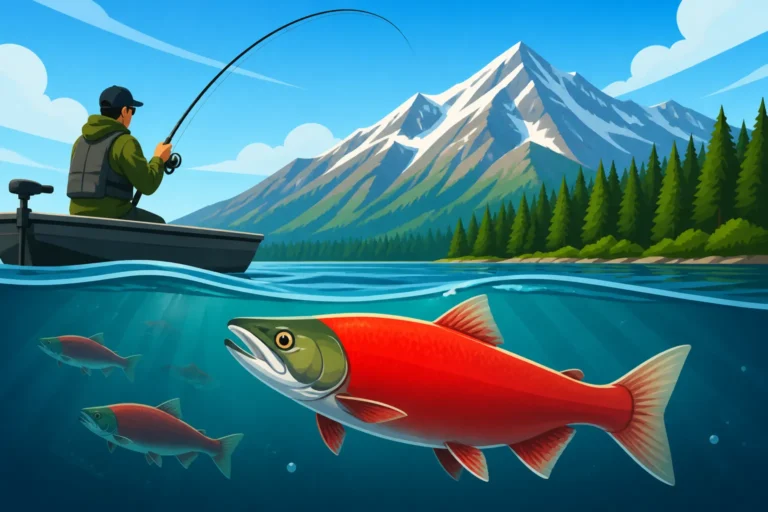
Green Peter Reservoir is a true multi-species haven, drawing anglers with various preferences. The undisputed star of the show for many is the Kokanee Salmon. These landlocked sockeye salmon grow to impressive sizes here, offering a fantastic fight and delicious table fare. Trolling for Kokanee is incredibly popular, especially in the spring and early summer when they are most active. Then there are the Rainbow Trout, which are regularly stocked by ODFW, ensuring consistent opportunities for both bait and lure anglers. You'll find these active throughout the reservoir, particularly in cooler months or deeper waters during summer.
Beyond the popular salmonids, Green Peter boasts a healthy population of Smallmouth Bass and Largemouth Bass. These feisty fighters provide excellent sport, especially in the warmer months when they are active around structure like submerged timber and rocky points. If you're into the bass fishing scene, Green Peter offers some exciting action. Additionally, you can find Cutthroat Trout and various Bullhead Catfish species, adding even more variety to your potential catch. Understanding the behavior and preferred habitat of these different species is key to choosing your access point and technique. For a deeper dive into what you might encounter, check out our guides on Oregon Salmon Species Guide, Oregon Trout Species Guide, and Oregon Bass Fishing Guide.
Navigating the Access Points for Green Peter Reservoir
Accessing Green Peter Reservoir can be straightforward if you know where to go, but missing information can lead to frustration. The reservoir is quite elongated, with the main body stretching for miles, fed by the Middle Santiam River and other smaller tributaries. Your choice of access point often depends on whether you're bringing a boat, a kayak, or planning to fish from the shoreline, and of course, the current water levels. Let's break down the most reliable options.
Premier Boat Launch Facilities
For those looking to get out on the water in a boat or kayak, several designated ramps offer the best and most reliable access. These facilities typically come with paved ramps, ample parking, and often restrooms, making them ideal starting points for a day of fishing. However, always remember the impact of fluctuating water levels – what's open and easy to use in spring might be closed or difficult to navigate by late summer.
Thistle Creek Boat Ramp
Perhaps the most widely used and recognizable access point on Green Peter Reservoir is the Thistle Creek Boat Ramp. Located conveniently off Highway 20, it provides excellent access to the main body of the reservoir. This ramp is typically well-maintained and features multiple lanes, making it suitable for a variety of boat sizes. You'll find plenty of parking space for trucks and trailers, which is a huge plus on busy weekends. There are also vault toilets available, adding to the convenience. Thistle Creek is often the go-to for anglers targeting Kokanee in the deeper, open waters, as it provides a direct route to some of the most productive trolling grounds. Always double-check current conditions, especially later in the season, as low water can sometimes limit its usability.
Orleans Trail Day Use Area and Boat Ramp
Another fantastic option for boaters and those seeking day-use amenities is the Orleans Trail Day Use Area and Boat Ramp. Situated further east along the reservoir than Thistle Creek, it offers a slightly different perspective and often access to different sections of the lake, closer to the Middle Santiam River arm. This area is known for its picturesque setting and provides a paved boat launch, ample parking, and a day-use area that includes picnic tables and restrooms. It's a great spot for families or those who want to combine fishing with a relaxing lakeside experience. From here, you can explore various coves and points that might hold bass or trout. Again, keep an eye on those water levels, as access here can also be impacted.
Whitcomb Creek Park
While primarily known as a popular campground, Whitcomb Creek Park also offers excellent fishing access, particularly for those looking to stay overnight or spend a full day. Located on the northern side of the reservoir, this park features a designated boat launch that can handle most recreational boats. The advantage of Whitcomb Creek is its comprehensive amenities, including campsites, picnic areas, and swimming spots, making it an ideal base camp for a multi-day fishing adventure. The launch here is generally reliable, and being a campground, it often has staff on hand who can provide up-to-date information on local conditions. For a truly immersive experience that combines camping and fishing, Whitcomb Creek is hard to beat. You can often find decent bank fishing opportunities around the park's perimeter as well.
Here's a quick comparison of these primary boat access points:
| Access Point | Location | Key Features | Best For | Water Level Sensitivity |
|---|---|---|---|---|
| Thistle Creek Boat Ramp | Western/Central Green Peter | Multi-lane paved ramp, ample trailer parking, vault toilets | Quick launch to open water, Kokanee trolling | Moderate |
| Orleans Trail Day Use & Ramp | Eastern Green Peter | Paved ramp, day-use amenities (picnic, restrooms), scenic location | Exploring river arms, family outings | Moderate |
| Whitcomb Creek Park | Northern Green Peter | Paved ramp, full campground amenities, picnic areas, swimming | Multi-day trips, camping, varied fishing | Moderate |
Finding Bank and Shoreline Fishing Opportunities
For anglers without a boat, or those who prefer the simplicity of casting from solid ground, finding good bank access at Green Peter can be a bit more challenging than at some other Oregon lakes. The reservoir's natural topography, combined with the fluctuating water levels, means many areas have steep, brushy banks or muddy margins. However, with a bit of local knowledge and exploration, you can absolutely find rewarding spots. This is where researching ahead of time or consulting a service like FishingBooker to find a local guide who knows the shorelines can be invaluable.
The most reliable bank access is often found in and around the established day-use areas and parks. Whitcomb Creek Park is probably your best bet for consistent, accessible shoreline fishing. Its developed areas provide easier paths to the water, and you might find designated fishing areas or docks, especially when water levels are cooperative. The same goes for the Orleans Trail Day Use Area, where paths lead down to the water, offering various casting positions. These spots are great for targeting stocked Rainbow Trout or even some active bass closer to the shore.
Venturing further afield, the Quartzville Recreation Corridor offers some intriguing, albeit more rugged, opportunities. While it's primarily known for its access to the historic Quartzville mining district, sections of the corridor run parallel to the lower reaches of the reservoir and the Middle Santiam River below the dam. Here, you might find more secluded spots for stream fishing or bank access to the very eastern arm of the reservoir, especially during higher water. However, be prepared for less developed trails and a more natural, wilderness experience. For a wider view on where to cast your line without a boat, consider exploring our guide on the Best Places to Fish in Oregon. Exploring forest service roads that dead-end near the reservoir can also sometimes reveal hidden coves or flatter stretches of shoreline, but these often require a willingness to hike and a keen eye for safety and private land boundaries. Always respect posted signs and Leave No Trace principles.
Essential Tips and Considerations for Fishing Green Peter
Fishing Green Peter Reservoir is a rewarding experience, but a little preparation goes a long way. Beyond just finding the access points, understanding the nuances of the fishery itself—from the best gear to the legal requirements—will significantly boost your chances of success. It's a large, diverse water body, and what works one day might not the next, adding to the adventure!
Gear, Baits, and Best Times for Specific Species
Knowing what to bring and when to fish for your target species is paramount. Green Peter's diverse fishery means you'll likely need different setups for different fish.
Targeting Kokanee Salmon
For Kokanee Salmon, trolling is by far the most effective method. You'll want light to medium-light action rods, sensitive enough to detect the subtle bites of Kokanee. Downriggers are almost essential for reaching the depths where these fish often hold, especially as the season progresses and the water warms. Popular lures include small wedding ring spinners, dodgers, and small hoochies or squids, often tipped with a kernel of corn. Scent is also a big factor for Kokanee; commercially available Kokanee scents can make a noticeable difference. The best times for Kokanee are typically spring through early summer (April-July), when they are actively feeding. Mornings and evenings often produce the best results.
Chasing Trout and Bass
Rainbow Trout respond well to traditional baits like PowerBait, worms, and scented marshmallows, fished under a bobber or on the bottom with a sliding sinker. Small spinners and spoons (like Rooster Tails or Mepps) are also highly effective, especially when cast from the bank or trolled from a boat. If you're into fly fishing, while the main reservoir isn't ideal, the feeder streams (always check regulations before fishing them) can offer opportunities for fly-fishing for both rainbow and native cutthroat trout. For more detailed techniques, our Oregon Trout Fishing Techniques guide can be a great resource.
When it comes to Smallmouth and Largemouth Bass, look for structure. Rocky points, submerged timber, and areas with underwater vegetation are prime bass habitat. Soft plastics (like tubes, senkos, or grubs), crankbaits, spinnerbaits, and jigs are all excellent choices. Vary your retrieve and presentation until you find what they're hitting. Topwater lures can also be thrilling during early morning or late evening in warmer months. Bass fishing is typically best from late spring through early fall. If you're keen on landing a big one, our Oregon Bass Fishing Guide has more pointers.
For general bait and lure ideas that work across various species in Oregon's diverse waters, check out our in-depth Oregon Bait and Lure Guide. Remember to always keep a diverse tackle box ready to adapt to what the fish are biting on that day!
Understanding Regulations and Licensing
Fishing in Oregon, including at Green Peter Reservoir, comes with specific rules and regulations designed to protect fish populations and ensure sustainable angling for everyone. It can feel like a maze sometimes, but it's really important to get it right.
First and foremost, everyone aged 12 and older needs an Oregon fishing license. This is non-negotiable. Whether you're a resident or a non-resident, daily, annual, or multi-day licenses are available. You can purchase these easily online through the Oregon Department of Fish and Wildlife (ODFW) website, or at many local license agents, including sporting goods stores and some general merchandise retailers. Make sure to understand the different options by looking into our comprehensive Oregon Fishing License Guide and our detailed breakdown of Oregon Fishing License Types Explained.
Beyond the basic license, if you're planning to target specific species like Kokanee Salmon (which fall under the salmon category in Oregon's regulations), you'll also need an Oregon Combined Angling Tag. This tag is crucial for reporting your catch and helps ODFW manage these popular fisheries. Without it, you cannot legally retain these species.
It's absolutely critical to consult the most current ODFW Sport Fishing Regulations booklet, which is updated annually. This booklet details daily bag limits, size restrictions, open seasons, and any special regulations specific to Green Peter Reservoir or the Middle Santiam River watershed. Regulations can change due to conservation needs or management decisions, so always check before you head out. This includes rules on specific gear, bait restrictions, and even hours of fishing in some areas. Our guide on Oregon Fishing Regulations Explained can give you a solid overview, but the official ODFW booklet is your ultimate source. Getting caught without the proper license or violating regulations can lead to hefty fines and loss of fishing privileges, which nobody wants.
Planning Your Green Peter Fishing Adventure
Planning is key for any successful fishing trip, and Green Peter Reservoir, with its size and dynamic conditions, particularly benefits from a bit of forethought. From checking crucial environmental factors to knowing where to seek local advice, a well-prepared angler is a happy angler.
Checking Water Levels and Conditions
As we've mentioned, the fluctuating water levels at Green Peter Reservoir are a significant factor that can impact your trip. The reservoir is managed by the U.S. Army Corps of Engineers, and they control the releases that affect the water level. What does this mean for you? A boat ramp that's perfectly accessible in the spring might have a long, muddy bank in late summer or fall, potentially making it unusable for larger boats. Similarly, prime bank fishing spots can become too steep or too far from the water when levels drop.
Before you even load up your gear, it's highly recommended to check the current reservoir levels. The U.S. Army Corps of Engineers' website often provides real-time or near real-time data for their Willamette Valley Projects, including Green Peter. Local tackle shops or even a quick call to a nearby campground (like Whitcomb Creek Park) can also provide invaluable, up-to-the-minute information. This simple step can save you a lot of frustration and ensure you're heading to an access point that's actually viable for your chosen fishing method.
Leveraging Resources and Local Knowledge
Even the most seasoned anglers can benefit from local insights. The sheer size and changing nature of Green Peter Reservoir make local knowledge particularly valuable. Before you go, consider reaching out to bait and tackle shops in nearby towns like Sweet Home or Lebanon. These local businesses are often run by passionate anglers who can offer tips on what's biting, what baits are working best, and which specific spots are hot. They're also great for confirming current conditions like water clarity or recent stocking efforts.
Online resources are also excellent tools. The ODFW website often publishes weekly fishing reports that include updates on popular spots like Green Peter, detailing catch rates, species caught, and any special advisories. Angler forums and local social media groups dedicated to Oregon fishing can also be treasure troves of information, allowing you to tap into the experiences of other anglers.
If you're new to the area, targeting a specific species, or just want to maximize your chances, consider hiring a local fishing guide. Guides intimately know the reservoir, its changing moods, and where the fish are hiding. They provide all the necessary gear and can teach you effective techniques. Services like FishingBooker are a fantastic way to find reputable local guides who specialize in Green Peter Reservoir, ensuring you connect with someone experienced who can cater to your specific fishing goals. For more on how to pick the right expert for your trip, check out our guide on How to Choose an Oregon Fishing Guide. A good guide can transform a potentially confusing day into an unforgettable adventure, especially if you're chasing those elusive Kokanee or trying to find a hot bass bite.
Disclaimer
The information provided in this guide is for general informational purposes only and is subject to change. Fishing regulations, seasons, and access points can vary and are managed by the Oregon Department of Fish and Wildlife (ODFW) and other public land management agencies. Always consult the official ODFW Sport Fishing Regulations and relevant agency websites (e.g., U.S. Army Corps of Engineers for water levels) before planning your trip to ensure compliance and safety. Water levels, weather conditions, and fish populations are dynamic, and anglers should exercise caution and judgment.