Sandy River fishing access near Portland
For many folks living in and around Portland, the dream of slipping away to a peaceful river, rod in hand, often feels like a distant fantasy. The hassle of long drives, navigating unknown waters, and just finding a decent spot to wet a line can be a real deterrent. But here's the good news: the Sandy River, a true gem of the Pacific Northwest, offers incredible fishing access points just a short drive from the city, providing that much-needed escape without the epic journey. This guide will walk you through the prime locations, what to expect, and how to make the most of your trip to this fantastic waterway.
Why the Sandy River is a Portland Angler's Paradise
The Sandy River holds a special place in the hearts of many Oregon anglers, and for good reason. It’s not just its stunning natural beauty, but also its incredible accessibility and the diverse fishing opportunities it presents throughout the year, making it an ideal destination for beginners and seasoned pros alike.
A Stone's Throw from the City
One of the biggest frustrations for urban anglers is the sheer distance often required to reach quality fishing grounds. The Sandy River completely flips that script. Flowing down from Mount Hood and emptying into the Columbia River, the lower and middle sections of the Sandy are remarkably close to Portland. This means less time stuck in traffic, less gas burned, and more precious moments spent on the water. Imagine finishing work and still having enough daylight to catch the evening bite, or waking up for a pre-dawn steelhead mission without needing to book a hotel room. This proximity is a huge win for those with busy schedules or families in tow, offering a quick and convenient escape to nature.
Diverse Fishery for All Seasons
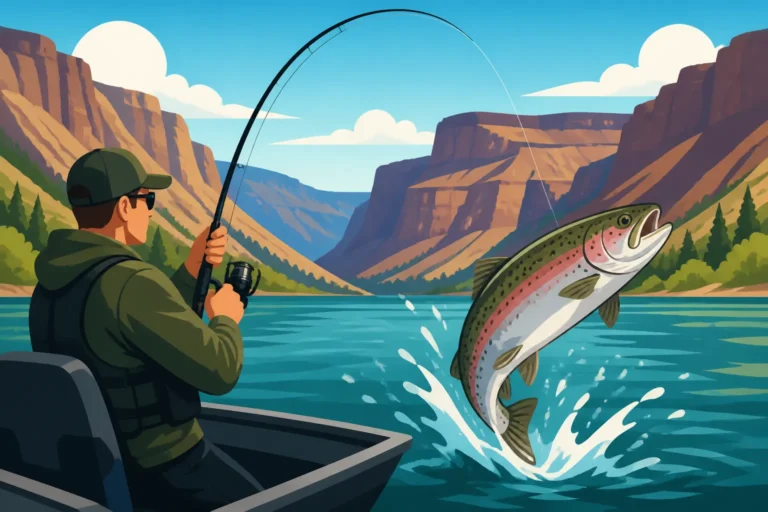
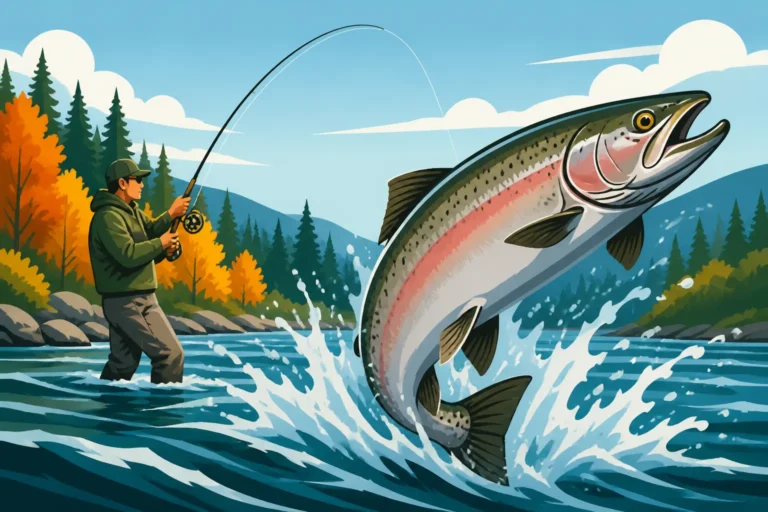
The Sandy River is a truly dynamic fishery, offering a bounty of species that keep anglers engaged through every season. It’s primarily known for its incredible salmon and steelhead runs, making it a prime target for those chasing these iconic Pacific Northwest sportfish. During the cooler months, winter steelhead provide a challenging and rewarding experience, while summer steelhead offer exciting opportunities when the weather warms. You’ll also find strong runs of coho and Chinook salmon, particularly in the fall, drawing crowds of eager anglers.
Beyond the anadromous species, the Sandy also supports resident populations of cutthroat trout and rainbow trout, especially in its upper reaches and tributaries, providing lighter tackle options. The ever-changing nature of the river, from swift rapids to calmer pools, creates diverse habitats that cater to various fishing techniques and preferences. This means whether you're into fly fishing, drift fishing, or tossing spinners, there's usually something biting on the Sandy.
Scenic Beauty and Outdoor Escape
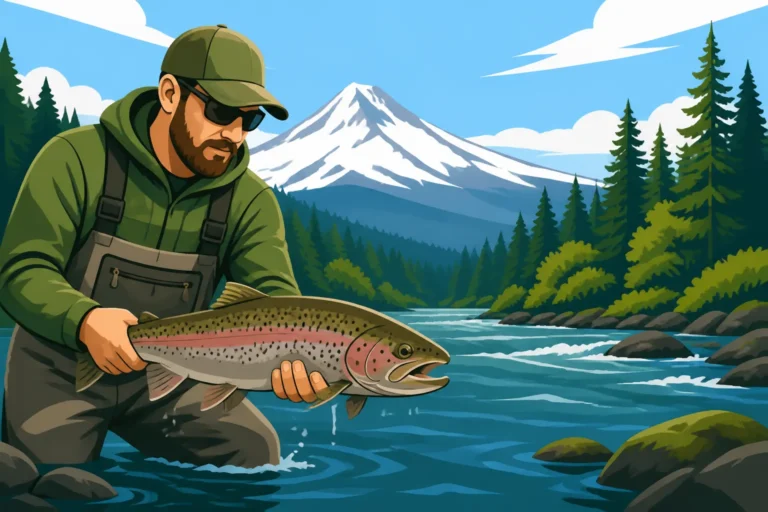
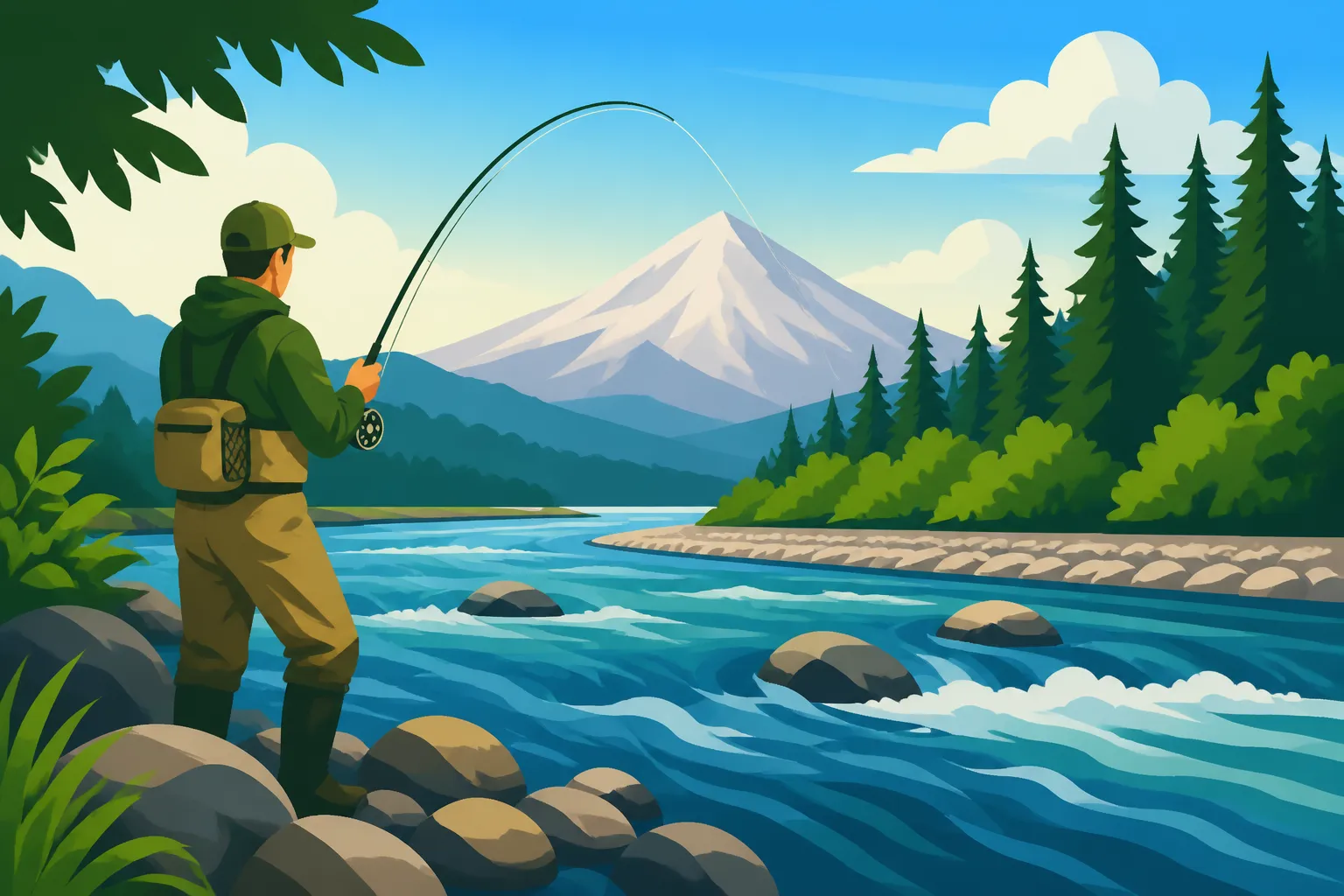
Let's be honest, part of the appeal of fishing is getting away from it all, right? Even though the Sandy River is so close to Portland, it manages to feel like a genuine wilderness escape. As you stand on its banks, the sounds of the city quickly fade, replaced by the rush of the water, the rustle of leaves, and the chirping of birds. The river carves its way through lush forests, with the majestic backdrop of the Cascade Range often in view.
The air feels cleaner, the pace of life slows, and there’s an undeniable sense of peace. This natural setting not only enhances the fishing experience but also provides a much-needed mental break. It’s a place where you can truly reconnect with nature, whether you’re actively fishing or simply enjoying the tranquil environment. This blend of accessibility and wild beauty is what truly sets the Sandy River apart for Portland-area anglers.
Key Fishing Access Points on the Sandy River
Knowing where to go is half the battle, especially on a river as long and varied as the Sandy. Thankfully, there are several well-established and well-loved access points that cater to different fishing styles and preferences. Each spot has its own unique character and fishing potential, so let's break them down.
Oxbow Regional Park
Oxbow Regional Park is arguably the most popular and well-known fishing access point on the Sandy River, and for good reason. Located just a short drive from Gresham, it offers extensive river frontage, a boat ramp, and numerous amenities. The park itself is a gorgeous natural area, encompassing over 1,000 acres, with towering trees and stunning views of the river. There's a day-use fee to enter, so be prepared for that, but it's well worth it for the access and facilities provided.
Anglers here often target winter and summer steelhead, as well as fall Chinook and coho salmon, particularly from September through December. The park provides excellent bank access in many areas, with trails winding along the river’s edge. For those with drift boats or rafts, the boat ramp at Oxbow is a key put-in or take-out point, allowing access to miles of prime water both upstream and downstream. You'll find plenty of deeper pools and riffles that hold migrating fish. It’s also a fantastic spot for families, with picnic areas and hiking trails, making it a full-day outdoor adventure.
Dodge Park
Further upstream from Oxbow, you'll find Dodge Park, another excellent access point that's popular with both bank anglers and those looking to launch boats. Situated at the confluence of the Bull Run River and the Sandy River, Dodge Park offers a slightly different experience. The water here tends to be a bit colder due to the Bull Run's influence, which can sometimes be a factor in fish behavior.
Dodge Park features a good concrete boat ramp, making it a popular choice for drift boaters who want to float down to Oxbow or explore the upper reaches that are boatable. Bank anglers will find various spots along the river, though some areas can be steep. Like Oxbow, steelhead and salmon are the main draws here, with good opportunities for both. The park has restrooms and picnic facilities, making it comfortable for a day-long outing. It’s a good alternative if Oxbow is particularly crowded, or if you want to explore different water types.
Lewis and Clark State Recreation Site
Nestled closer to the confluence with the Columbia River, the Lewis and Clark State Recreation Site offers easy access to the lower Sandy. This spot is a historical landmark and a beautiful place to fish, though the river here is wider and slower, transitioning more towards its estuarial nature. This site is particularly popular during the fall salmon runs, as fish stage here before making their final push upstream.
Bank access is plentiful, with wide gravel bars and easy walking trails along the river. It’s less suited for drift boats directly from the park due to the proximity to the Columbia and the wider, slower flows, but it’s a fantastic walk-in spot. Many anglers will target fall Chinook and coho salmon here using various techniques, including bobber and jig or plunking. The historical significance of the area, combined with its natural beauty and fishing potential, makes it a unique and accessible option for anglers coming from the Portland metro area.
Revenue Bridge Area
The area around the Revenue Bridge (also known as the Gordon Creek Bridge or the Marmot Bridge, though the dam is gone) offers critical access points further upstream. This stretch of the river is known for its more classic freestone river characteristics – faster flows, prominent riffles, and deeper pockets. It's a favorite for both drift boaters looking to put in for a float downstream and wade anglers.
Bank access can be a bit more challenging and requires some nimble footwork, but diligent anglers can find prime spots, especially for steelhead. The upstream stretches of the Sandy, especially those affected by the removal of the former Marmot Dam, have seen significant habitat restoration. This area offers excellent opportunities for those targeting winter and summer steelhead, particularly with fly fishing or drift fishing techniques. You'll often find a more solitary experience here compared to the more crowded park sections, which can be a real treat for those seeking peace and quiet. Remember that knowing your Oregon Fishing Regulations Explained for specific sections of the river, especially concerning gear and bait, is critical here.
Marmot Dam Removal Site and Upstream Areas
The removal of Marmot Dam in 2007 was a monumental event for the Sandy River, dramatically changing its ecosystem and opening up miles of upstream habitat that had been blocked for decades. While the dam site itself is no longer an access point in the traditional sense, the impact of its removal has opened new fishing opportunities in the upper Sandy and its tributaries like the Salmon River.
These newly accessible areas offer pristine, often wilder, fishing for steelhead, coho, and Chinook salmon that now have free passage to their ancestral spawning grounds. Access to these upper reaches often requires more hiking and exploration, but the rewards can be significant, particularly for those seeking a more adventurous experience and wilder fish. Keep an eye on ODFW reports and local forums for information on how these areas are developing and where new access points might emerge. It's a fascinating example of river restoration creating new angling prospects.
Navigating the Sandy: Tips for Success and Safety
Fishing the Sandy River, while incredibly rewarding, also comes with its own set of challenges and considerations. Being prepared and informed can make all the difference between a frustrating day and a memorable one.
Understanding Regulations and Seasons
This cannot be stressed enough: always check the current Oregon Department of Fish and Wildlife (ODFW) regulations before you head out. The Sandy River is a dynamic fishery, and rules for specific species like salmon and steelhead can change frequently, sometimes even mid-season, due to run forecasts or in-season adjustments. You'll need an Oregon Fishing License Guide and often a Combined Angling Tag if you plan to target salmon or steelhead.
For instance, certain sections of the river might have specific gear restrictions (e.g., artificial flies and lures only, or barbless hooks required), different bag limits, or retention rules for wild versus hatchery fish. Knowing the Oregon Fishing Season Dates and Limits for Chinook, coho, and steelhead is absolutely essential. Ignorance of the rules is not an excuse, and violating regulations can lead to hefty fines and loss of fishing privileges. ODFW’s website is your best friend for up-to-the-minute information, or you can pick up a physical regulation booklet from any license agent.
Essential Gear for Sandy River Fishing
The gear you choose will largely depend on what you're targeting and your preferred fishing method. However, a few staples are common for Sandy River angling:
- Rods and Reels: For salmon and steelhead, a medium-heavy to heavy action casting or spinning rod, typically 8.5 to 10.5 feet long, paired with a stout reel spooled with 15-25 lb monofilament or braided line, is standard. For trout, lighter spinning gear or a 4-6 weight fly rod will suffice.
- Waders and Boots: The Sandy River has a rocky, often slippery bottom and can be quite cold. Neoprene or breathable waders with felt-soled or studded wading boots are a must for comfortable and safe wading. Good traction is crucial to prevent slips.
- Tackle: Your tackle box should be stocked with a variety of offerings. For steelhead and salmon, think about a range of lures like spinners (e.g., Blue Fox, Mepps), spoons (e.g., Little Cleo, Krocodile), drift bobbers and jigs, and plugs. If using bait, cured salmon eggs, sand shrimp, or even herring can be highly effective. Fly anglers will need a selection of flies, including nymphs, egg patterns, and intruder-style flies for steelhead, and various trout patterns. Don't forget swivels, lead weights, and appropriate hooks. For a deeper dive, check out our Oregon Bait and Lure Guide.
- Essentials: A good landing net (with a rubberized mesh for fish safety), forceps or pliers for hook removal, a comfortable fishing vest or pack, polarized sunglasses to spot fish and protect your eyes, and plenty of water and snacks are all non-negotiables.
Safety First on the River
The Sandy River, while beautiful, can also be powerful and unpredictable. Safety should always be your top priority.
- Wading Safely: River currents can be surprisingly strong, even in seemingly calm areas. Always test the depth and current with a wading staff before stepping into unknown water. Shuffle your feet rather than lifting them to maintain balance, and never wade alone if possible. Be especially wary after heavy rains when the river can rise quickly and become murky and swift. The river bottom is often uneven with large, slick rocks, so secure footing is paramount.
- Cold Water Hazards: Even on warm days, the Sandy River's water remains cold, especially fed by Mount Hood. A fall into cold water can quickly lead to hypothermia. Dress in layers with moisture-wicking materials, and ensure your waders are in good condition to prevent leaks.
- Be Aware of Surroundings: Watch for overhead hazards like low-hanging branches, and be mindful of other anglers. If you're using a drift boat, be aware of rapids, logs, and other obstructions. Always tell someone where you're going and when you expect to return.
Beyond the Banks: Guided Trips and Community Resources
Sometimes, the best way to get acquainted with a new river, especially one as diverse as the Sandy, is to tap into local expertise. And even after you're familiar, staying connected to the angling community can provide invaluable real-time information.
Hiring a Local Guide
If you're new to the Sandy River, new to salmon or steelhead fishing, or just want to maximize your chances of success, hiring a local fishing guide is an excellent investment. A good guide knows the river intimately—where the fish are holding, what they're biting on, and the best techniques for current conditions. They'll provide all the necessary gear, boat (if applicable), and invaluable instruction.
Guides can teach you specific Oregon Steelhead Fishing Techniques or Oregon Salmon Fishing Techniques tailored to the Sandy. They understand the nuances of the different runs, how water levels affect fishing, and where to find the less-pressured spots. Services like FishingBooker can connect you with experienced, licensed guides who specialize in the Sandy River. They often offer full or half-day trips that are perfect for learning the ropes and greatly improving your odds of landing a fish. For example, if you're keen on chasing winter steelhead and have never done it before, a guided trip can transform a potentially frustrating experience into a productive and educational one.
Staying Informed
The fishing conditions on the Sandy River are constantly changing—water levels, clarity, fish migration, and regulatory updates can all impact your day. Staying informed is crucial for successful and enjoyable trips.
- ODFW Resources: The Oregon Department of Fish and Wildlife website (myodfw.com) is the official source for all regulations, stocking schedules, and sometimes even in-season updates on fish runs. Check their "Recreation Report" for regional fishing conditions.
- Local Tackle Shops: Your local tackle shops, like Fisherman's Marine & Outdoor or Bob's Sporting Goods, are goldmines of information. The staff often fish the Sandy themselves and can provide real-time reports on what’s biting, what gear is working, and where to go. They’re also great places to purchase your Oregon Fishing License Types Explained and get specific bait.
- Online Forums and Social Media Groups: There are numerous online fishing forums and social media groups dedicated to Oregon fishing. These communities are often active with anglers sharing their experiences, photos, and current conditions. Just remember to take some reports with a grain of salt and always verify critical information with official ODFW sources.
- River Flow Data: Websites like the USGS offer real-time river flow data for the Sandy River. Understanding water levels and temperatures can help you predict fish behavior and decide if conditions are favorable for your chosen technique.
By combining personal exploration with these valuable resources, you’ll quickly become adept at fishing the beautiful and productive Sandy River. Many anglers choose to use platforms like FishingBooker to book a guide for their initial trips, gaining a solid foundation before venturing out on their own.
Sandy River Fishing Access Points at a Glance
For a quick reference, here's a breakdown of the key access points we've discussed, along with their primary features and target species.
| Access Point | Primary Features | Target Species | Notes |
|---|---|---|---|
| Oxbow Regional Park | Extensive bank access, boat ramp, picnic areas, restrooms | Winter/Summer Steelhead, Chinook, Coho Salmon | Day-use fee required. Very popular. |
| Dodge Park | Boat ramp, bank access, restrooms, confluence with Bull Run River | Winter/Summer Steelhead, Chinook, Coho Salmon | Can be a good alternative if Oxbow is busy. |
| Lewis and Clark State Rec. | Easy bank access, wide gravel bars, historical site, restrooms | Fall Chinook, Coho Salmon, some Steelhead | Great for walk-in anglers, especially during fall runs. |
| Revenue Bridge Area | Bank access, drift boat put-in/take-out options, faster water | Winter/Summer Steelhead, some Chinook | Requires more careful wading; less crowded than parks. |
| Marmot Dam Removal Site | Upstream access to restored habitat (no direct dam access) | Steelhead, Coho, Chinook (upper river/tributaries) | More adventurous fishing, focus on habitat restoration areas. |
Disclaimer
The information provided in this guide is for general informational purposes only and is subject to change. Fishing regulations, season dates, and access conditions can vary, so always consult the latest official Oregon Department of Fish and Wildlife (ODFW) regulations before planning any fishing trip. Safety precautions should always be observed when on or near the water.