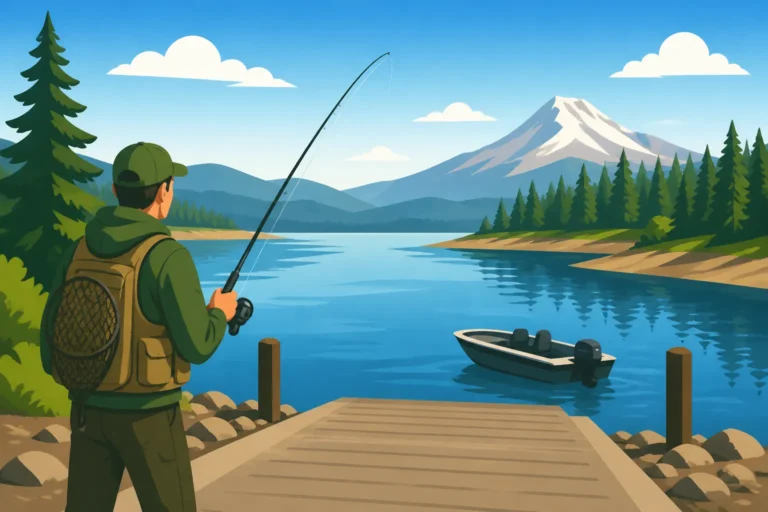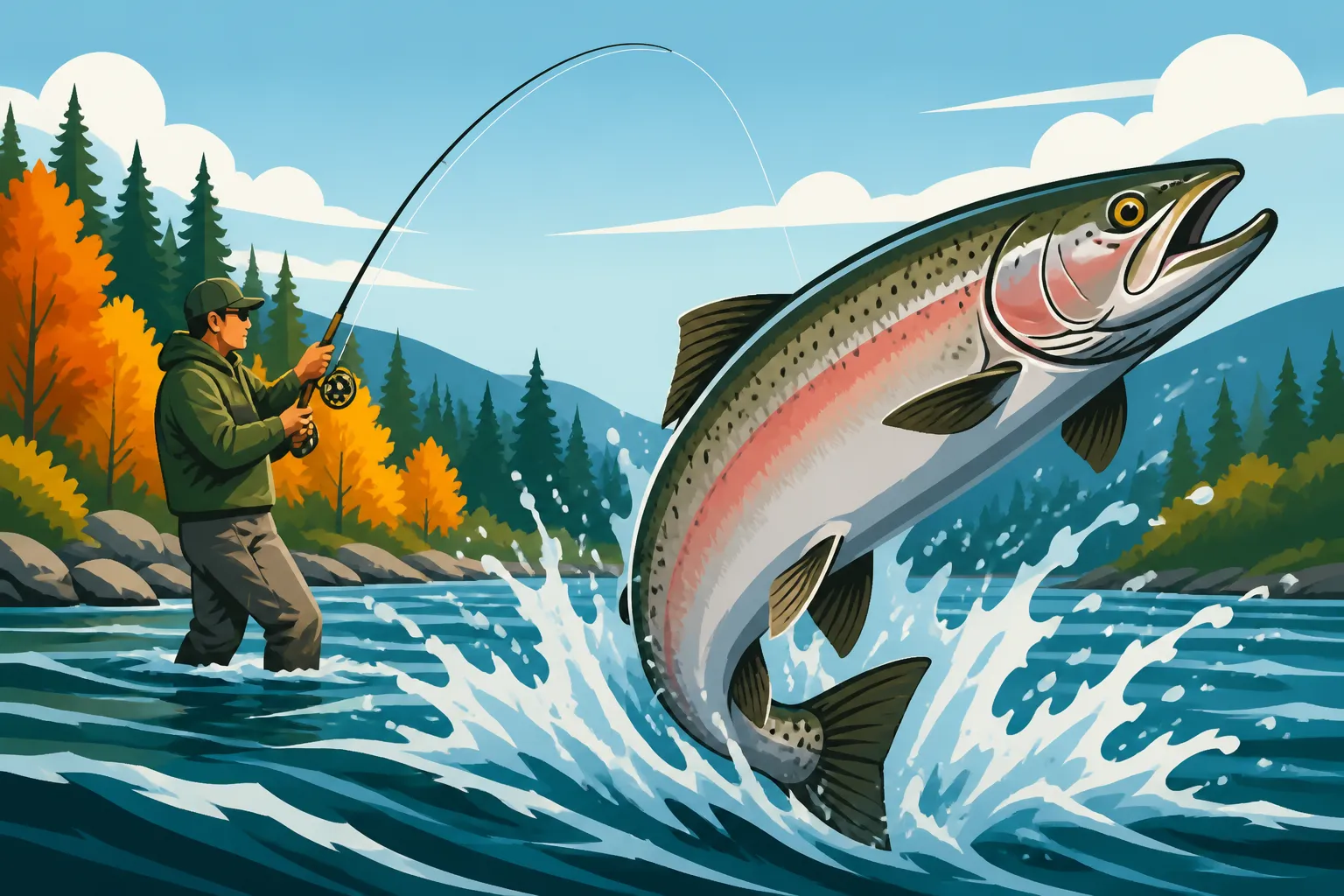
Nehalem River fall Chinook fishing
There’s nothing quite like the crisp air of an Oregon autumn, the scent of pine and damp earth, and the electrifying pull of a fall Chinook salmon on the other end of your line. Targeting these powerful fish on a coastal river like the Nehalem can be one of the most rewarding angling experiences, but it's also one that comes with its own unique set of challenges. This guide is here to walk you through everything you need to know to pursue fall Chinook on the beautiful Nehalem River, from understanding their runs to the best techniques and critical regulations.
Understanding the Nehalem River Fall Chinook Run
The Nehalem River is a jewel of the Oregon Coast, flowing from the Coast Range through lush forests before emptying into the Pacific Ocean at Nehalem Bay. It’s particularly renowned for its robust runs of fall Chinook salmon, often called "Kings" for their impressive size and fighting spirit. But catching these magnificent fish requires understanding their habits and the specific dynamics of this river system.
When the Fall Chinook Arrive
Typically, the fall Chinook salmon begin their migration into the Nehalem River system in late August, and the run continues strong through October, sometimes even into early November, depending on the year and the weather patterns. The precise timing and intensity of the run are heavily influenced by rainfall and tides. Often, a good "freshet" – a significant rainfall event that raises river levels and cools the water – will trigger a strong push of fish from the bay into the mainstem river.
During the early part of the run, in late August and early September, many fish are still staging in Nehalem Bay, waiting for those ideal river conditions. As September progresses and especially into October, the main bulk of the fish move upstream, distributing throughout the lower and middle sections of the river. The peak of the fishing often aligns with late September and early to mid-October, when the river has enough water for good boat access and the fish are actively moving. If you're planning a trip, keeping an eye on local forecasts and river gauges is almost as important as checking your tackle box.
Key Characteristics of Nehalem Chinook
Nehalem River fall Chinook are truly magnificent fish, often weighing in the 20 to 40-pound range, with some larger specimens pushing into the 50-pound class or more. These are powerful, broad-shouldered fish built for upstream migration against strong currents. When fresh from the ocean, they sport a gleaming silver coat, which gradually darkens to a bronze or even reddish hue as they spend more time in freshwater, preparing to spawn.
Their immense power translates into incredible fights. A hooked Nehalem Chinook will often make long, powerful runs, sometimes stripping line off your reel at an alarming rate. They might try to dive for structure, jump clear of the water, or simply hold deep in the current, testing your tackle and your patience. These characteristics are exactly what makes them such a sought-after trophy for anglers. Beyond their fighting prowess, many anglers prize fall Chinook for their rich, flavorful meat, especially those caught early in the run while still bright and fresh from the ocean.
How River Conditions Impact the Run
Fishing on the Nehalem, like any salmon river, is profoundly affected by environmental factors. Water level, clarity, and temperature are the big three.
- Water Levels: Fall Chinook prefer to move upstream when river levels are rising or stable at a good height. Too low, and they'll hold in the bay or in deeper pools, reluctant to push further. Too high and muddy after a huge storm, and the fishing can be tough due to poor visibility for both fish and anglers. The "perfect" condition is typically a rising or steady river after a rain, with just enough color (light green tint) to make the fish feel secure, but clear enough for them to see your presentation.
- Water Clarity: Optimal clarity means the fish can see your offering, but they also feel less exposed than in crystal-clear conditions. Very murky water, especially after heavy rains, can make it nearly impossible for fish to find your bait or lure. Conversely, exceptionally clear water can make them skittish, requiring lighter lines and more subtle presentations.
- Water Temperature: Salmon are cold-blooded, and water temperature dictates their metabolism and activity levels. Ideal temperatures for fall Chinook migration and activity generally fall between 45 and 55 degrees Fahrenheit. Water that is too warm can make them sluggish and less likely to bite, while extremely cold water can slow their migration and feeding responses as well. Monitoring these conditions through local fishing reports or online river gauges can significantly improve your chances of success.
Prime Fishing Spots on the Nehalem River
The Nehalem River offers a variety of fishing experiences, from the wide-open waters of the bay to the tighter confines of the upper river. Knowing where the fish are likely to be at different stages of the run and under varying conditions is key.
Upper River Hotspots
As the fall Chinook move upstream and out of the tidewater influence, they seek out deeper pools, current breaks, and slower stretches of water to rest before continuing their journey. Areas around the town of Nehalem, and further upstream near Mohler and even Foss, can be productive.
One well-known spot is around Nehalem Falls. While the falls themselves present a natural barrier, the deep pools and runs immediately below them often hold a significant number of staging fish. Access here can be a bit more challenging, often requiring some walking or knowledge of less-traveled paths. These upper river sections are often best fished from a drift boat or raft, allowing anglers to cover more water and effectively present baits or lures in the most promising holding water. Bank access can be limited in many areas, but persistent anglers can find spots near bridges or public easements. Be sure to respect private property and always check local signage for access restrictions.
Lower River and Tidewater Access
The lower Nehalem River, particularly the tidewater section and Nehalem Bay, is where the earliest and often brightest fish are intercepted. This area is highly influenced by the tides, and fishing success can correlate directly with incoming and outgoing tides.
Nehalem Bay itself is a major staging area for Chinook before they commit to the freshwater push. Trolling with bait or plugs in the bay can be highly effective, especially during a strong incoming tide when fish are moving in from the ocean. Popular areas within the bay include the channels and deeper pockets around the mouth and where the main river enters the bay. Boat ramps are available in the town of Nehalem and Wheeler, making boat access relatively straightforward.
Further upstream from the bay, but still within the tidewater influence, the river broadens and offers numerous deep holes and current seams. Bank anglers often find success near Fisherman's Landing (if public access is maintained) or other accessible points in the lower river, particularly during periods of lower flows when fish are concentrated in deeper water. This is also a fantastic area for those targeting salmon from smaller boats, like jet sleds or even well-equipped drift boats, allowing anglers to work the bends and deeper sections effectively.
Kayak and Drift Boat Access
For many seasoned Nehalem River anglers, a drift boat or kayak is the preferred method for targeting fall Chinook, as it allows for stealthy presentation and coverage of prime water that is inaccessible to bank anglers. Launch points near the town of Nehalem are common, allowing for floats down to the bay or shorter drifts upstream depending on conditions.
Typical drift boat runs might start near the Mohler area and float down to Nehalem, or from Nehalem down into the bay. When planning a drift trip, consider the river flow – too low, and you'll be dragging; too high, and it can be unsafe and difficult to fish effectively. Always have a clear put-in and take-out strategy, and make sure your shuttle is arranged. Remember that conditions can change rapidly on coastal rivers, so always exercise caution. If you're new to the river, hiring an experienced guide, perhaps found through a platform like FishingBooker, can be incredibly beneficial for navigating the waters and understanding the optimal drift strategies.
Effective Techniques and Gear for Nehalem Chinook
Catching a strong fall Chinook from the Nehalem requires a blend of appropriate gear and well-executed techniques. These fish are powerful, and your tackle needs to be up to the task.
Essential Gear and Tackle
- Rods: For fall Chinook, you'll want a heavy-action baitcasting or spinning rod, typically 8 to 10 feet long. This length provides good line control and leverage for fighting large fish. A rod rated for 15-30 lb line is a good starting point. Brands like Lamiglas, Shimano, or G. Loomis are popular choices among salmon anglers for their durability and sensitivity.
- Reels: A sturdy baitcasting reel with a reliable drag system is paramount. Look for reels designed for salmon and steelhead, with a good line capacity (at least 200 yards of 20-25 lb monofilament or 30-50 lb braid). For spinning gear, a heavy-duty reel in the 4000-6000 series is appropriate.
- Line: Many anglers prefer braided mainline (30-50 lb test) for its sensitivity and strength, followed by a fluorocarbon or monofilament leader (20-30 lb test). The leader should be robust enough to withstand the Chinook's powerful jaws and fight, but light enough to present your bait naturally.
- Weights: Depending on the technique and river current, you'll need various weights. Slinkies, cannonball sinkers, or pyramid weights from 1 to 6 ounces are common for plunking or drift fishing.
- Hooks: Sharp, strong hooks are critical. Octopus or Owner SSW hooks in sizes 2/0 to 5/0 are often used, depending on the bait size. For plugs, ensure trebles are sharp and sturdy.
- Net: A large, sturdy salmon net is absolutely essential for landing these big fish safely and efficiently.
Popular Fishing Methods
The Nehalem River accommodates several effective methods for targeting fall Chinook:
- Back-Trolling Plugs or Bait: This is a highly effective boat technique. Anglers use the current to slowly "back-troll" large diving plugs (like Kwikfish or Wiggle Warts) or bait-wrapped plugs (using herring or anchovies) downstream through deep holes and runs. The goal is to keep the lure working just off the bottom, directly in the fish's face. The boat's movement is critical here, often just slightly slower than the current, allowing the lure to wobble enticingly.
- Bobber and Jig/Egg Setup: Particularly effective in slower pools or when fish are holding in distinct areas. A large bobber suspends a weighted jig (often a lead-head with a marabou or Cheater body) or a cluster of salmon eggs below it. The current drifts the bobber and bait into the holding water. This method allows for a very natural presentation and can be deadly when fish are less aggressive or in clearer water. Check out our guide on how to fish for Spring Chinook on the Willamette for similar bobber and jig techniques that can be adapted.
- Plunking: A popular bank fishing method, especially in areas with good current. A heavy weight is cast out into the river, holding the bait (often cured salmon roe or a large spinner) in a fixed position. The current then washes the scent of the bait downstream, attracting fish. This is a waiting game, often involving multiple rods set up along a bank, and can be particularly effective during peak migration when many fish are moving upstream.
- Casting Spinners or Spoons: For actively feeding or moving fish, casting and retrieving large, flashy spinners (e.g., Blue Fox, Mepps) or spoons (e.g., Little Cleo, Pixee) can provoke aggressive strikes. This method works well in faster runs and seams where fish might be ambushing prey. Vary your retrieve speed and depth until you find what triggers a bite.
Best Baits and Lures
Choosing the right bait or lure can make all the difference.
- Herring and Anchovies: These are classic and incredibly effective baits for Chinook. They are often fished whole or cut, sometimes brined for firmness and added scent, and presented behind a diver or on a spinner/plug. The natural oil and scent trail are irresistible to salmon.
- Salmon Roe (Eggs): Cured salmon eggs, often in clusters or "gobies," are another top-tier bait. Their natural appeal and strong scent profile make them highly effective, especially when drift fished or used under a bobber. Check out our guide on Oregon Bait and Lure Guide for more insights on egg cures.
- Plugs: Kwikfish, Wiggle Warts, and Mag Lips are highly popular, especially when back-trolling. These plugs come in various colors and sizes; experimenting is key. Bright colors (chartreuse, pink, fire tiger) are often good in stained water, while more natural colors (silver, blue/chrome) work well in clearer conditions.
- Spinners: Large, flashy spinners with Colorado or blade variations are excellent for casting and retrieving. Silver, gold, chartreuse, and orange blades are common.
- Brad's Super Baits: These scented, hollow plastic lures can be stuffed with your favorite scent gel or a chunk of bait, offering a long-lasting and highly attractive presentation that can be trolled or drifted.
When fishing the Nehalem, especially from a boat, having a variety of these baits and lures on hand will allow you to adapt to changing river conditions and fish preferences.
Navigating Regulations and Planning Your Trip
Before you even think about casting a line into the Nehalem River, understanding the regulations is non-negotiable. Oregon has specific rules designed to protect its valuable fish populations.
Oregon Fishing License and Endorsements
Every angler 12 years and older needs an Oregon Fishing License Guide to fish in Oregon waters. But for fall Chinook, it’s not just the license you need; you’ll also require a Combined Angling Tag. This tag, sometimes referred to as a "salmon/steelhead tag," is mandatory for retaining salmon and steelhead species. You'll need to clip this tag immediately upon retaining a salmon. Make sure you understand the nuances by reading up on the Oregon Combined Angling Tag Guide.
For saltwater pursuits within Nehalem Bay, an Oregon shellfish license might be needed if you decide to try your hand at crabbing or clamming, though it's not required for finfish. Always carry your license and tag with you while fishing, as ODFW (Oregon Department of Fish and Wildlife) enforcement officers frequently check for compliance.
Understanding Daily Limits and Rules
The Nehalem River falls under specific regulations that can change annually, or even mid-season due to emergency closures or updates. It is absolutely critical to consult the most current Oregon Fishing Regulations Explained booklet or the ODFW website before each trip. Pay close attention to:
- Daily Bag Limits: The number of adult Chinook salmon you can retain per day.
- Seasonal Limits: The total number of Chinook you can keep throughout the season.
- Size Limits: Minimum size requirements for retained fish.
- Fin-Clipping Rules: In many areas, only hatchery-origin (fin-clipped) salmon can be retained, with wild salmon being catch-and-release only. Learn how to identify a fin-clipped fish.
- Open and Closed Areas/Dates: Specific sections of the river or certain dates might be closed to fishing for particular species to protect spawning fish.
For example, sometimes the upper reaches of the river, especially around spawning grounds or hatcheries, have different rules or are closed entirely. Always double-check the Oregon Daily Bag Limits Explained for salmon specific to the Nehalem River zone. Fines for violations can be steep, and ignorance of the rules is not an excuse.
Safety and Respecting the River
Fishing the Nehalem River is an incredible experience, but it also demands respect for nature and safety precautions.
- Wading Safety: If you're wading, always use a wading staff, wear appropriate studded boots, and be aware of slippery rocks, deep holes, and strong currents, especially after rain. Waders can fill with water quickly, posing a serious drowning risk.
- Boating Safety: If you're in a boat, wear your life vest, know how to operate your vessel safely, and be aware of river hazards like snags, shallow bars, and other boaters. The Nehalem can be very swift, and debris can become a hazard, especially during higher flows. Always file a float plan if you're doing a multi-hour drift.
- Leave No Trace: Pack out everything you pack in, including fishing line, bait containers, and food wrappers. Respect private property and avoid littering. Fish ethically, practicing proper catch-and-release techniques for any fish you don't intend to keep. This includes minimizing handling time, keeping fish in the water, and using barbless hooks where required or when fishing catch-and-release. Maintaining the pristine nature of the Nehalem ensures it remains a viable fishery for generations to come.
Remember, if you're new to fishing salmon rivers or prefer a guided experience, an expert guide can provide invaluable local knowledge and ensure a safe and productive trip. You can often find guides specializing in coastal rivers like the Nehalem through online platforms or by asking at local tackle shops in towns like Tillamook, Astoria, or Pacific City. These guides are familiar with specific river flows, fish movements, and productive patterns, vastly increasing your chances of success.
Nehalem River Fall Chinook Fishing at a Glance
| Factor | Description | Considerations |
|---|---|---|
| Peak Season | Late September – Mid-October | Dependent on rainfall and river flows. |
| Fish Size | 20-40 lbs common, up to 50+ lbs | Strong fighters, require heavy tackle. |
| Key River Zones | Nehalem Bay (tidewater), Lower River (Nehalem town), Upper River (Mohler, Foss, Nehalem Falls) | Bay for early, bright fish; river for moving/staging fish. |
| Optimal Conditions | Rising/stable river levels, light green tint, 45-55°F water temperature after a freshet. | Avoid extremely low/high or muddy water. |
| Top Techniques | Back-trolling (plugs/bait), Bobber & Jig/Eggs, Plunking (bank), Casting Spinners/Spoons | Adapt to river section and fish behavior. |
| Go-To Baits/Lures | Herring, Anchovies, Cured Salmon Roe, Kwikfish, Wiggle Warts, Mag Lips, Blue Fox Spinners, Brad's Super Baits | Have a variety; experiment with colors and sizes. |
| License Required | Oregon Angling License + Combined Angling Tag | Mandatory for anglers 12+, check Oregon Fishing License Types Explained for specifics. |
| Regulations | Consult ODFW for daily/seasonal limits, fin-clipping rules, open/closed areas. | Regulations can change; check frequently. |
| Boat Access | Public ramps in Nehalem & Wheeler (bay), various points upstream for drift boats. | Check river conditions, plan shuttles, ensure safety. |
| Bank Access | Limited but available near bridges, public parks, some lower river areas. | Respect private property. |
| Hiring a Guide | Recommended for beginners or those seeking local expertise. | Use platforms like FishingBooker to find reputable guides who know the Nehalem. |
Disclaimer
Fishing conditions and regulations in Oregon can change rapidly due to environmental factors, fish run updates, and management decisions by the Oregon Department of Fish and Wildlife (ODFW). While this guide provides comprehensive information based on typical patterns, it is crucial for all anglers to consult the most current ODFW fishing regulations, emergency closures, and local advisories before heading out to the Nehalem River or any other fishing spot. Always prioritize safety and adhere to all laws and ethical angling practices.