Crane Prairie Reservoir Fishing Guide
The vast, sprawling waters of Crane Prairie Reservoir can feel both incredibly inviting and utterly daunting to anglers. It’s a place of legendary trout, surrounded by the stunning beauty of the Deschutes National Forest, yet its sheer size, submerged timber, and often unpredictable conditions can leave even seasoned folks scratching their heads. This guide is here to unravel the mysteries of Crane Prairie, helping you understand its unique ecosystem, identify the best spots, and employ techniques that genuinely lead to success, turning those frustrating days into memorable catches.
Getting to Know Crane Prairie Reservoir
Crane Prairie Reservoir is truly one of Central Oregon's crown jewels for fishing, but it's not your typical lake. Nestled in the high Cascades, it's a sprawling, shallow impoundment known for its massive growth of submerged timber, which provides incredible habitat but also presents significant challenges for navigation and fishing. Understanding the reservoir's character is the first step to unlocking its secrets.
A Unique High-Cascade Setting
Imagine a vast expanse of water, reflecting the towering peaks of the Cascades, dotted with thousands of old-growth stumps and snags. That’s Crane Prairie. Formed by the damming of the Deschutes River, it sits at an elevation that ensures cool, clear waters for much of the fishing season. This high-country environment means a relatively short season, typically from late April or May once the ice melts, through late October or early November before the winter chill sets in. The unique mix of open water, extensive weed beds, and that notorious standing timber creates an incredibly rich environment for insect life and baitfish, which in turn fuels a phenomenal fishery. It’s also home to various wildlife, so don’t be surprised to see osprey diving, deer at the water's edge, or even elk wandering through the pines. This wild setting is a huge part of its appeal, but also demands respect and preparedness from anyone venturing out.
Understanding Water Levels and Structure
The water levels at Crane Prairie Reservoir can fluctuate throughout the season, influenced by snowmelt, precipitation, and the needs of downstream irrigation. These fluctuations drastically impact access and fish behavior. Higher water levels can inundate more of the timber, making navigation trickier but also opening up new fishing grounds deeper within the snags. Lower levels can expose vast mudflats and reduce boat access, concentrating fish in deeper channels or near remaining structure.
The structure of the reservoir is dominated by the Deschutes River channel, the Quinn River channel, and the extensive "stump fields." These channels act as highways for fish, especially during migrations or when moving between feeding areas. The stump fields, though frustrating for prop users, are absolutely crucial fish habitat. They provide cover from predators, ambush points for feeding, and shelter from strong sunlight. Knowing where these channels run, where the major stump concentrations are, and how fish relate to them at different water levels is key. A good topo map or a reliable fish finder with updated charts showing old riverbeds and submerged structures will be your best friend here. Don't be afraid to study these maps before you even launch your boat; it can save you hours of aimless searching.
Prime Fish Species to Target at Crane Prairie
Crane Prairie Reservoir is renowned for certain species, each offering a distinct challenge and reward. While other fish might reside here, most anglers come with their sights set on a select few, and for good reason. Understanding what makes these fish thrive in Crane Prairie will dramatically improve your chances of a successful outing.
Trophy Rainbow Trout: The Main Draw
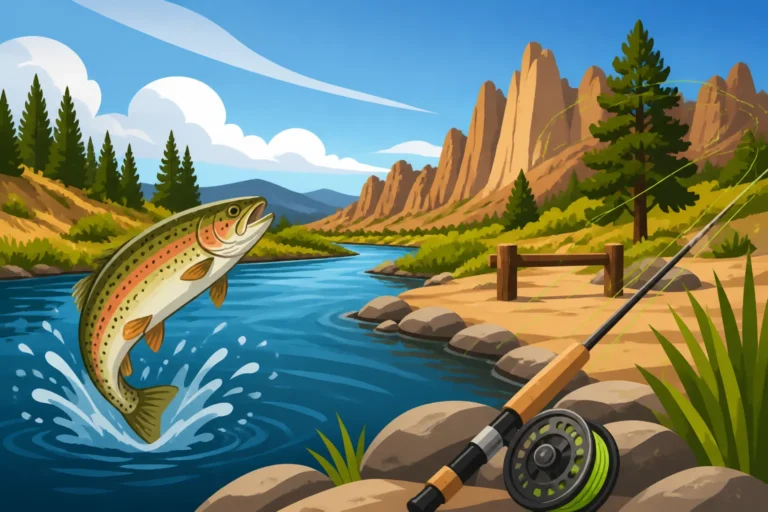
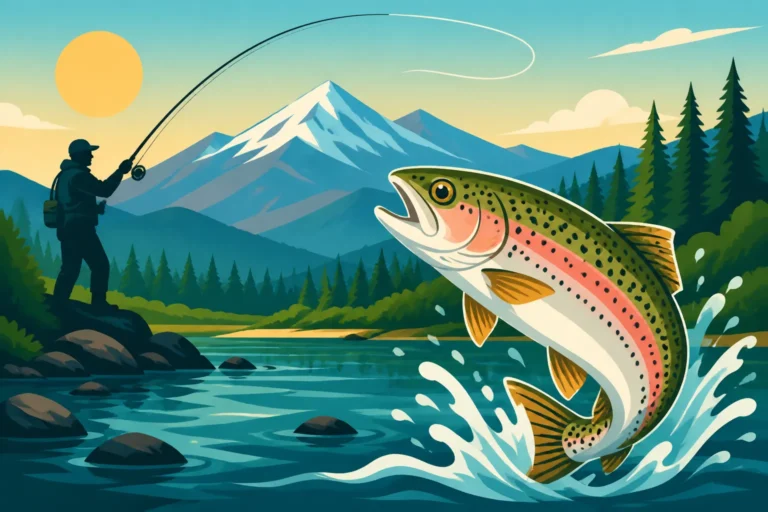
When people talk about Crane Prairie, they often speak in hushed tones about its monster rainbow trout. These aren't just any rainbows; the reservoir is famous for producing "trophy" sized fish, often exceeding 20 inches, with some hitting truly astounding proportions. These trout grow so large due to the incredible abundance of food, particularly the large population of forage fish like redside shiners, and the rich insect life that thrives in the submerged timber.
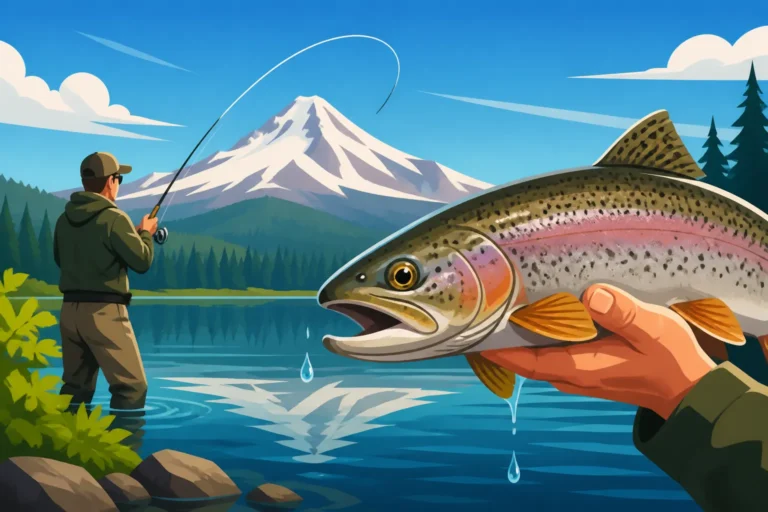
Fishing for these big rainbows requires patience and persistence. They are wary and smart, especially the larger, older individuals. You’ll often find them cruising the edges of weed beds, patrolling the submerged timber for ambushing opportunities, or hanging deep in the channels. They are particularly active during the cooler parts of the day, especially early mornings and late evenings, or during overcast weather. Many anglers specifically target these giants with large streamer patterns when fly fishing, or by slow-trolling big spinner-bait combos that mimic the shiners. It's a truly exhilarating experience when you hook into one of these powerful fish, feeling the drag scream as it peels line off your reel. For a deeper dive into the species, check out our guide on Rainbow Trout in Oregon.
Kokanee Salmon: A Feisty Favorite
While the trophy rainbows steal much of the spotlight, kokanee salmon are another incredibly popular target at Crane Prairie. These landlocked sockeye salmon are known for their feisty fight, schooling behavior, and delicious table fare. They typically run smaller than the rainbows, often in the 10-14 inch range, but what they lack in size, they make up for in sheer numbers and aggression.
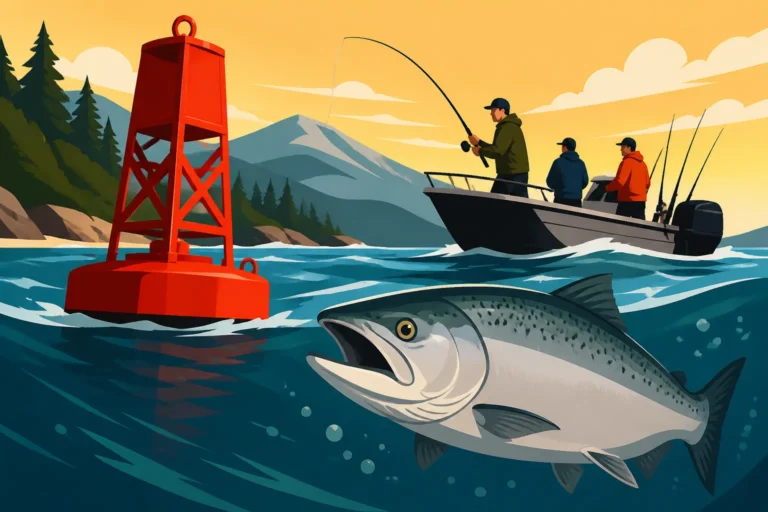
Kokanee are pelagic, meaning they prefer the open water and typically suspend at specific depths, chasing zooplankton. This makes them prime targets for trolling. Anglers often use downriggers or leaded lines to present small dodgers, flashers, and hootchies or wedding rings tipped with corn at precise depths. They tend to school up, so once you find a school, you can often catch multiple fish in short order. The challenge with kokanee is dialing in the right depth, speed, and lure color for the day, as their preferences can change rapidly. They are a fantastic species for a more action-packed day on the water, especially if you're looking to fill a cooler. If you’re curious about techniques, our How to Fish for Kokanee in Oregon guide might be exactly what you need.
Brook Trout and Other Residents
Beyond the headliners, Crane Prairie also holds a healthy population of brook trout. While not typically reaching the gargantuan sizes of the rainbows, brookies are beautiful, brightly colored fish that offer a spirited fight. They tend to prefer cooler, oxygen-rich waters and are often found in the shallower, stump-filled areas or near the mouths of tributary streams like the Quinn River. They're less finicky than the larger rainbows and will readily hit small spinners, worms, or fly patterns. They are a wonderful target for younger anglers or those looking for consistent action.
Occasionally, you might also encounter cutthroat trout, though they are less common than rainbows or brookies. There are also populations of tui chub and redside shiners, which, while not primary game fish, serve as essential forage for the larger trout and kokanee. Understanding this food web helps in selecting the right baits and lures to mimic what the bigger fish are already eating.
Proven Fishing Techniques for Crane Prairie
Success at Crane Prairie isn't about luck; it's about understanding the environment and employing the right techniques. Given the reservoir's unique structure and diverse fish species, a versatile approach will always serve you best.
Trolling for Trout and Kokanee
Trolling is arguably the most popular and often most effective method for covering water and finding fish in Crane Prairie, especially for kokanee and the larger, open-water rainbows. It involves dragging lures or baits behind a moving boat at a controlled speed and depth.
For kokanee, precision is key. You'll typically want to use a light setup, often with downriggers or leaded line, to present small dodgers or flashers paired with hootchies, wedding rings, or small spoons. Tipping your lure with a kernel or two of Shoepeg corn soaked in a kokanee scent (like Pautzke's or Pro-Cure) is almost mandatory. Vary your depth until you start getting bites; a good fish finder is invaluable here to spot schools and determine their depth. Speeds typically range from 1.0 to 1.8 MPH. Brands like Dick Nite and Paulina Peak Tackle are popular choices among Crane Prairie kokanee anglers.
For rainbow trout, especially the larger ones, you can troll slightly faster (1.5 to 2.5 MPH) and use larger lures. Flatfish, Kwikfish, or Rapalas in natural baitfish patterns are excellent choices. Trolling cowbells or wedding rings with a worm or PowerBait can also be highly effective. Focus your trolling passes along the old river channels, the edges of weed beds, and around the major stump fields. Pay attention to our Trolling Techniques for Oregon Reservoirs guide for more detailed tactics.
Fly Fishing the Channels and Shallows
Crane Prairie offers some fantastic fly-fishing opportunities, particularly for those who enjoy sight-fishing or drifting through productive channels. This method truly shines in the shallower areas, over weed beds, or along the edges of the submerged timber.
When the water temperatures are right and insect hatches are occurring, dry flies can be incredibly exciting. Large Callibaetis mayflies, caddis, and even huge sedges can bring the big rainbows to the surface. However, much of the fly fishing success comes from sub-surface presentations. Stripping large streamer patterns, like Woolly Buggers, Sculpzillas, or leech patterns in black, olive, or brown, around the stumps and weed lines can entice aggressive strikes from trophy rainbows. Nymphing with indicators, using patterns like Hare's Ears, Pheasant Tails, or Chironomids, is also effective, particularly in the deeper channels or when fish are holding in specific depths. Float tubes or pontoon boats allow fly anglers to access areas that traditional boats cannot, navigating through the labyrinthine stump fields with stealth. For beginners, learning How to Fly Fish in Oregon can open up a whole new world.
Bank Fishing and Still Fishing Strategies
While Crane Prairie is a boat-angler's paradise, there are definitely opportunities for bank anglers, especially near developed access points or along the Quinn River arm. Still fishing with bait is often the most productive method from shore.
Rig up with a sliding sinker, a swivel, and a leader (18-36 inches) to a size 6 or 8 hook. PowerBait in various colors (rainbow, chartreuse, garlic scent) is a staple for stocked trout and even some of the wilder fish. Worms (nightcrawlers) are another universal bait that seldom disappoints. Cast your bait out towards deeper water or near visible structure like stumps or submerged weed patches, and let it sit. It's often a game of patience, but a well-placed bait can yield fantastic results. Using a rod holder and setting multiple rods can increase your chances. For some excellent insights on bait choices, consult our Oregon Bait and Lure Guide.
Table: Crane Prairie Reservoir Species and Seasonal Best Practices
| Species | Primary Season | Recommended Technique(s) | Key Lures/Baits | Best Locations |
|---|---|---|---|---|
| Rainbow Trout | May – October | Trolling, Fly Fishing (streamers/nymphs), Still Fishing | Flatfish, Kwikfish, Rapala, Woolly Buggers, PowerBait, Worms | Channels, Stump Fields, Weed Edges, Quinn River Mouth |
| Kokanee Salmon | June – September | Trolling (with downriggers/lead) | Dodges/Flashers with Hootchies, Wedding Rings, Corn | Open Water, Deep Channels (varying depths) |
| Brook Trout | May – October | Fly Fishing (dries/nymphs/streamers), Spinners, Still Fishing | Small Spinners (Mepps/Rooster Tail), Worms, Dry Flies | Shallower Stump Fields, Tributary Mouths, Weed Lines |
Best Times to Visit: Seasonal Strategies
Timing is everything at Crane Prairie Reservoir. The high-Cascade environment dictates distinct seasons, each with its own advantages and challenges for anglers. Knowing when to go and what to expect will dramatically shape your experience. For a broader view, our Best Time of Year to Fish in Oregon guide offers general insights.
Spring into Action: Ice-Off to Early Summer
The spring, immediately after ice-off (typically late April to mid-May, though it varies year to year), is often heralded as one of the best times to fish Crane Prairie. As the ice recedes, the water begins to warm, and fish become incredibly active after a long, cold winter. They move into shallower areas, gorging themselves on emerging insect larvae and baitfish.
This period offers excellent opportunities for both fly anglers and those trolling or still fishing. The trout are often found cruising the newly ice-free banks and shallow flats, making them accessible to bank anglers and those in smaller boats. Large streamer patterns or nymphs fished under an indicator can be deadly for hungry rainbows. Trolling small spoons or wedding rings just below the surface can also be highly productive. The kokanee might still be a bit deep, but they're active and can be found transitioning to more accessible depths. Be aware that weather can be unpredictable, with sudden storms or cold snaps, so dress in layers and always check the forecast.
Summer Challenges and Rewards
Summer at Crane Prairie (July and August) brings warmth, sunshine, and crowds, but also some fantastic fishing, especially if you adapt your strategy. As the water warms, the fish tend to move to deeper, cooler water during the day, or become most active during the cooler parts of the day – early mornings and late evenings.
For rainbow trout, targeting them at dawn or dusk with topwater patterns if there's a hatch, or by trolling deeper during the day, will be your best bet. Fly anglers will find success with nymphing rigs in the channels or by stripping streamers in low-light conditions. The kokanee fishery often hits its stride in summer, as they're actively feeding in the open water. This is when downriggers become almost essential to consistently reach them at their preferred depths, which can range from 20 to 50 feet or more. Look for schools on your fish finder and adjust your presentation accordingly. While fishing can be tougher in the midday heat, the rewards of a summer evening on Crane Prairie, with an active bite and stunning sunset views, are truly special.
Fall Opportunities Before Winter
As summer fades into fall (September and October), Crane Prairie transforms into another excellent fishing destination, particularly for those who appreciate fewer crowds and cooler temperatures. The fish, especially rainbows, become very aggressive as they prepare for winter, feeding heavily.
The rainbow trout often move back into shallower areas, especially on overcast days, making them more accessible. Trolling is still highly effective, but fly fishing with streamers and nymphs along the weed edges and stump fields can be phenomenal. The cooler water temperatures also mean the fish are often more active throughout the day, not just during dawn and dusk. Kokanee will also be very active, and as they approach their spawning cycle (though they don't reproduce in the reservoir itself), they can become quite vibrant in color and aggressive. This is often the last good hurrah before the first significant snowfalls or freezing temperatures shut down access or form ice on the reservoir. Always keep an eye on the weather and road conditions, as winter can arrive quickly in the high Cascades.
Essential Gear and Access Points
Having the right gear and knowing where to launch your boat or find a good bank fishing spot can make all the difference in your Crane Prairie adventure. Preparation is key to a smooth and successful trip.
Must-Have Tackle and Baits
For trolling, you'll want medium-light action rods (7-8 feet) with line counter reels spooled with 10-15 lb braided line and a fluorocarbon leader (6-8 lb test) for stealth. Essential lures include various colors of Kokanee Kandy, Wedding Rings, Dick Nite Spoons, and small dodgers/flashers. For trout, consider Flatfish, Kwikfish, Rapalas, and larger spoons. Don't forget the corn (Shoepeg is preferred) and kokanee scents!
Fly fishing setups should include 5-7 weight rods, floating and sinking lines, and a good selection of streamers (Woolly Buggers, Sculpin patterns), nymphs (Hare's Ear, Pheasant Tail), and sometimes dry flies (Callibaetis, Caddis). A float tube or pontoon boat is highly recommended for accessing prime fly water.
For bank fishing, a medium-action spinning rod (6-7 feet) spooled with 6-8 lb monofilament or fluorocarbon is ideal. PowerBait, worms, and small spinners (Mepps, Rooster Tail) are your go-to baits and lures. A tackle box stocked with hooks (size 6-10), swivels, and an assortment of sinkers will cover most scenarios. Regardless of your method, bring a long-handled net, pliers for hook removal, a stringer or cooler for your catch, and definitely sun protection. If you're looking for guidance from local pros, services like FishingBooker can help you find experienced guides who know exactly what tackle works best on Crane Prairie.
Boat Ramps and Shoreline Access
Crane Prairie offers several well-maintained boat ramps, most of which are managed by the U.S. Forest Service. These include:
- Rock Creek Campground: Located on the western side, this ramp provides good access to the western arm and the main body of the reservoir. It can get busy, especially on weekends.
- Quinn River Campground: Situated near the mouth of the Quinn River, this ramp is popular for those wanting to fish the Quinn River channel and the northern reaches of the reservoir.
- Gull Point Campground: On the eastern side, this ramp is often a good option, providing access to the eastern stump fields and main lake body.
Always check the current conditions and water levels before you head out, as some ramps may become difficult to use at very low water.
For shoreline access, the campgrounds often provide decent bank fishing opportunities, particularly near the boat ramps or designated day-use areas. The Quinn River itself, as it enters the reservoir, can offer some good bank fishing spots, especially in spring and fall. However, much of the reservoir's shoreline is undeveloped and can be difficult to access due to dense vegetation and, of course, the ever-present stumps. For a comprehensive look at various fishing spots across the state, our Best Places to Fish in Oregon article is a great resource. If navigating the massive amount of submerged timber seems daunting, booking a trip through a platform like FishingBooker with a local guide who knows the safest routes and most productive spots can make your trip much more enjoyable and productive. Many guides on FishingBooker specifically cater to Crane Prairie.
Safety and Conservation on Crane Prairie
Enjoying the beauty and bounty of Crane Prairie Reservoir comes with a responsibility: to stay safe and to protect this incredible resource for future generations. The vastness of the lake and its natural challenges require a thoughtful approach to both personal safety and environmental stewardship.
Navigating the Submerged Timber Safely
The most significant safety concern at Crane Prairie is undoubtedly the submerged timber. Thousands of old-growth stumps and logs lie just beneath the surface, posing a serious hazard to boaters. Even at higher water levels, many of these obstacles are hidden, and striking one can cause severe damage to your boat, engine, or worse, lead to injuries.
Always operate your boat at a slow, safe speed, especially if you are unfamiliar with an area. Using a reliable fish finder with GPS and detailed mapping can help identify main channels and clear lanes, but vigilance is paramount. It’s a common practice to stay within marked buoy lines or to follow the paths of other experienced boaters. Consider using a jet pump outboard or a prop guard if you plan to explore shallower, stump-dense areas. Avoid navigating after dark unless absolutely necessary and you are intimately familiar with the route. Don't let the excitement of the catch overshadow the need for careful navigation; a damaged prop or a stranded boat can quickly turn a fun day into a nightmare.
Respecting Regulations and the Ecosystem
Oregon's fishing regulations are in place for a reason: to manage fish populations and ensure sustainable fisheries. Before you cast a line, make sure you have your current Oregon Fishing License Guide and understand all the specific rules for Crane Prairie Reservoir. This includes bag limits, size restrictions, and any special bait or tackle restrictions. Regulations can change, so always check the latest Oregon Department of Fish and Wildlife (ODFW) sport fishing regulations for the zone you're fishing in.
Practice responsible catch and release, especially for the larger trophy trout that are so valuable to the fishery. If you plan to keep fish, know how to properly handle them to minimize stress. Pack out everything you pack in, including all trash, broken fishing line, and old bait containers. Dispose of fish waste properly. By adhering to regulations and practicing good stewardship, you help preserve the quality of fishing and the pristine natural beauty that makes Crane Prairie so special. Engaging with local tackle shops or even guides found on platforms like FishingBooker can often provide the most up-to-date and practical advice on both fishing techniques and current regulations, ensuring you’re well-prepared for your trip.
Disclaimer
Fishing conditions and regulations in Oregon can change frequently. Always consult the latest Oregon Department of Fish and Wildlife (ODFW) regulations before planning your trip to Crane Prairie Reservoir to ensure you are compliant with current rules and to verify any emergency closures or updates. Safety on the water is your responsibility; always wear a life jacket and be aware of weather conditions and boating hazards.