Clackamas River Fishing Guide
Finding your rhythm on the Clackamas River can feel like trying to solve a puzzle with moving pieces, especially with its diverse runs and ever-changing conditions. This guide is here to untangle those complexities, offering a practical, no-nonsense roadmap to successfully fishing one of Oregon's most beloved and productive waterways, from understanding its unique species to mastering the best techniques and finding those prime spots.
The Clackamas River's Allure and Challenges
The Clackamas River is a true gem in Oregon's fishing landscape, drawing anglers from all over for its vibrant fisheries. Originating in the Cascade Range and eventually flowing into the Willamette River near Oregon City, it's a river of contrasts, offering serene stretches for fly fishing and powerful currents perfect for gear anglers. What makes the Clackamas particularly special is its year-round appeal, hosting runs of spring Chinook salmon, coho salmon, and both winter and summer steelhead, alongside a healthy population of resident trout.
However, fishing the Clackamas isn't without its challenges. The river's dynamics mean that conditions can change rapidly, influenced by snowmelt in the spring, rain events in fall and winter, and summer low flows. Understanding these fluctuations is crucial for safety and success. Moreover, the river flows through a mix of urban fringes and wilder forest lands, meaning access can vary from easily reachable parks to more remote, hike-in spots. This diversity, while a blessing for variety, requires some homework to maximize your time on the water.
A Dynamic Fishery for All Seasons
The Clackamas truly offers something for every season. In late winter and early spring, the focus shifts to robust winter steelhead, followed closely by the highly anticipated return of spring Chinook salmon. These powerful fish bring an incredible excitement to the river, drawing crowds to favorite holes. As summer arrives and the river levels drop, attention turns to summer steelhead and resident trout, often providing excellent fly-fishing opportunities in the upper reaches.
Come fall, the river comes alive again with coho salmon and an additional run of fall Chinook, providing action well into the colder months. This constant cycle of returning fish ensures that dedicated anglers can find a target species almost any time of year. Knowing the optimal Oregon Fishing Season Dates and Limits for each species is paramount, as these seasons dictate when and where you can pursue your quarry. Each run has its own personality, requiring different approaches and sometimes a bit of patience.
Navigating River Flows and Conditions
The success of a Clackamas River fishing trip often hinges on understanding and adapting to the current river conditions. High water from heavy rains or significant snowmelt can make fishing challenging, pushing fish into slower seams and making access tricky. Conversely, very low and clear water, especially in late summer, can make fish wary and require more finesse. Websites like the USGS water data portal are invaluable for checking real-time river levels and temperatures for the Clackamas.
Experienced Clackamas anglers often pay close attention to the "sweet spot" – flows that are receding after a high water event but still have a bit of color. This often indicates fresh fish moving in and a good bite. Water temperature is another critical factor; different species are more active within specific temperature ranges. For instance, cold winter water slows down steelhead, while warmer summer water can push trout into deeper, cooler pockets. Being flexible with your plans and willing to move to different sections of the river based on conditions can dramatically improve your chances.
Prime Species to Target on the Clackamas
The Clackamas River is renowned for its anadromous fish runs, particularly salmon and steelhead, which spend part of their lives in the ocean before returning to spawn. However, it also boasts a thriving population of resident fish. Each species offers a unique challenge and reward, demanding different tactics and a good understanding of their behavior.
Chasing Spring and Fall Chinook Salmon
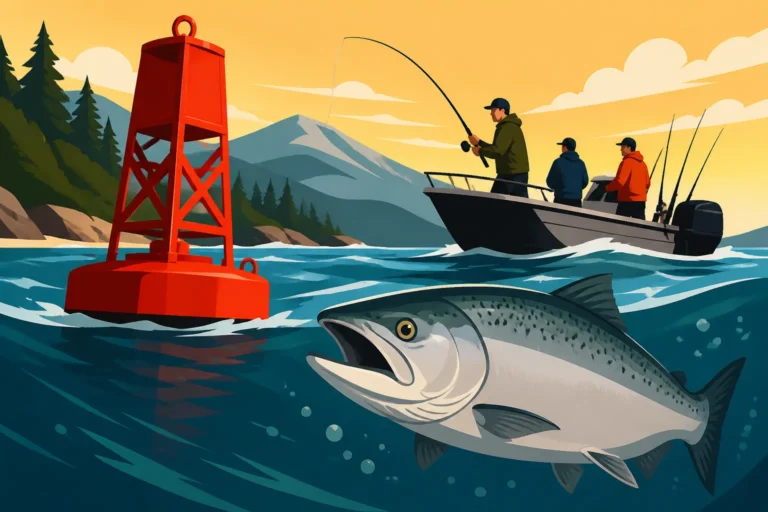
Without a doubt, the spring Chinook salmon run is one of the most celebrated events on the Clackamas River. These chrome-bright fish enter the river from April through June, though the peak action typically occurs in May and early June. They are known for their incredible fight and delicious, high-fat flesh. Anglers often target springers in deeper pools and current seams where the fish tend to hold before moving upstream to their spawning grounds.
Later in the year, usually from September through November, the river sees a run of fall Chinook. While perhaps not as famed as their spring counterparts, these fish still provide exciting opportunities. Fall Chinook tend to be more aggressive in the cooler water, often striking at a variety of baits and lures. Understanding specific Oregon Salmon Fishing Techniques will significantly boost your chances, whether you're back-trolling plugs or drift-fishing roe. These techniques often involve presenting your offering directly to the fish in their holding lies.
The Thrill of Winter and Summer Steelhead
Steelhead fishing on the Clackamas is a year-round affair, with distinct winter and summer runs. Winter steelhead, robust and powerful, typically enter the river from December through April, with peak numbers often seen in February and March. These fish thrive in the higher, cooler water, and anglers often brave the elements to pursue them. The bite can be subtle, requiring keen attention and a good feel for your gear.
Summer steelhead provide a different kind of challenge, arriving from May through October. These fish are generally smaller and more acrobatic, often providing spectacular aerial displays when hooked. They prefer cooler water and are often found in faster, oxygenated riffles and pocket water during the warmer months. Many anglers shift to fly-fishing or lighter gear during the summer. For more in-depth strategies, our guide on Oregon Steelhead Fishing Techniques can be a game-changer for new and seasoned anglers alike.
Trout and Other Resident Fish Opportunities
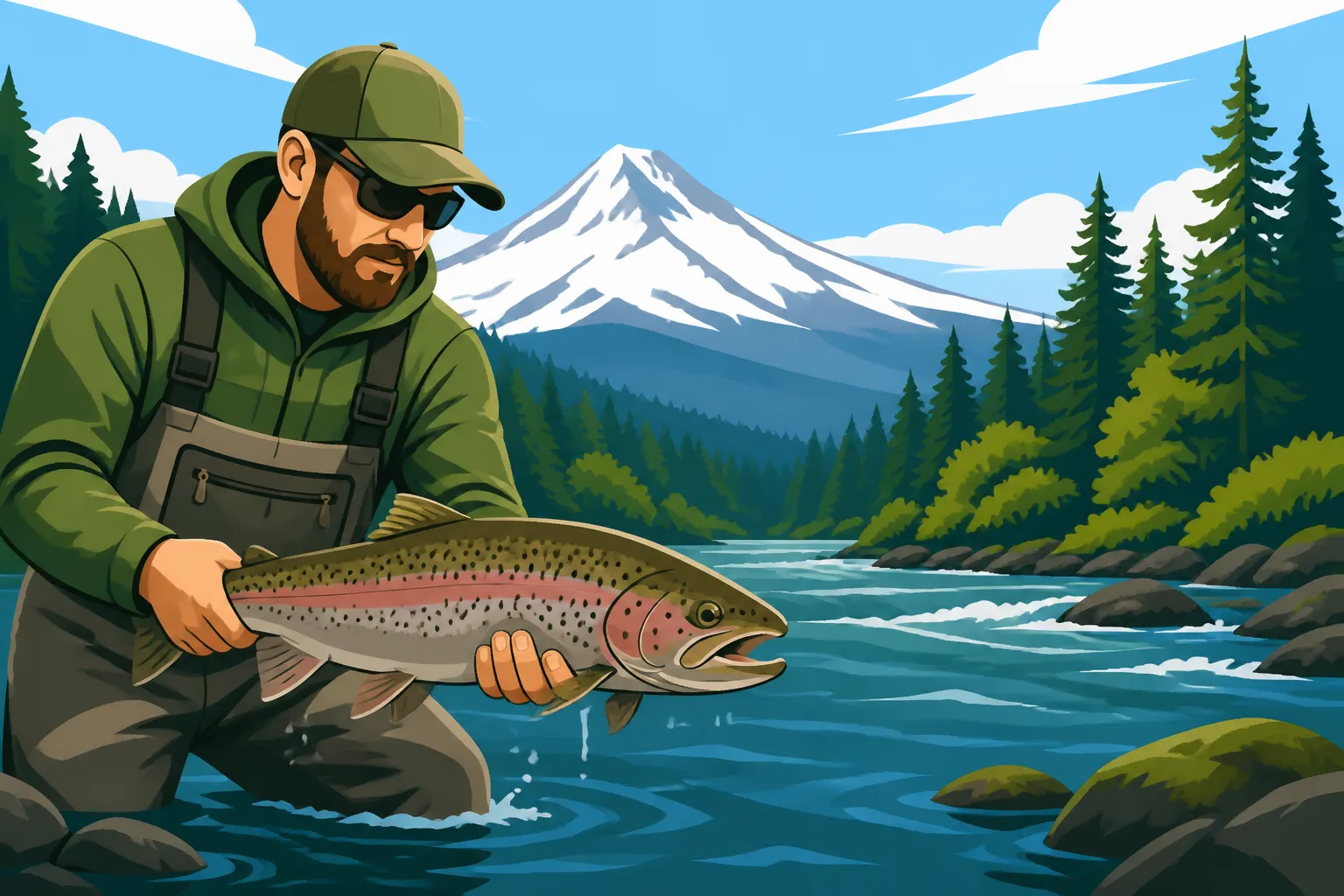
While salmon and steelhead grab most of the headlines, the Clackamas River also offers excellent fishing for resident trout. Rainbow trout, native cutthroat trout, and occasionally brown trout can be found throughout the river, particularly in the upper reaches and tributaries. These fish offer a great option when salmon and steelhead runs are slow or during specific trout seasons. Many sections of the river are stocked by the Oregon Department of Fish and Wildlife (ODFW), especially during spring and summer, providing easily accessible opportunities for families and beginners.
Beyond trout, the Clackamas also hosts populations of smallmouth bass, especially in the lower, warmer sections of the river. While not native, these aggressive fighters provide fast action, particularly during summer. Panfish like crappie and yellow perch can also be found in slower back channels and oxbows. Targeting these diverse species can offer a fun change of pace and a chance to explore different fishing styles. For those interested in the finer points of trout angling, our comprehensive guide on Oregon Trout Fishing Techniques is an excellent resource.
Proven Techniques for Clackamas River Success
Success on the Clackamas River often boils down to selecting the right technique for the conditions and the target species. The river's varied flow and structure mean that versatility is key. Whether you prefer the traditional feel of baitcasting or the finesse of fly fishing, there’s a method that will work.
Mastering Drift Fishing and Bobber & Jig
Drift fishing is arguably one of the most popular and effective methods for targeting salmon and steelhead on the Clackamas. This technique involves using a weight to bounce your bait or lure along the river bottom, imitating a natural food source drifting downstream. Common baits include cured salmon roe, worms, or even small artificial baits like a "Cheater" or a piece of Berkley PowerBait. The key is to use just enough weight to maintain bottom contact without getting snagged too often. It’s a feel thing, and it takes practice to get it right.
Another highly effective method, especially for steelhead and coho, is the bobber and jig. This setup allows you to suspend a brightly colored jig at a precise depth, often just off the bottom, presenting it to fish holding in deeper holes or slower seams. The visual cue of the bobber disappearing or dipping is thrilling and unmistakable. The beauty of this technique is its simplicity and effectiveness, making it a favorite for both boat and bank anglers. Many successful steelhead anglers swear by pink or chartreuse jigs tipped with a small piece of shrimp or prawn for added scent.
Fly Fishing the Clackamas: Nymphs, Dries, and Streamers
For those who prefer the artistry of fly fishing, the Clackamas River offers abundant opportunities, especially in its middle and upper sections. Trout anglers can have fantastic days targeting resident rainbow and cutthroat trout with dry flies during insect hatches, or with nymphs fished subsurface. The river experiences various hatches throughout the year, from Caddis to Mayflies, providing excellent dry fly action, particularly in the summer months.
When it comes to anadromous fish, fly fishing for steelhead on the Clackamas is a specialized and incredibly rewarding pursuit. Spey casting with two-handed rods is popular for covering large amounts of water, especially when swinging flies for winter and summer steelhead. Classic patterns like the "Intruder" or "Skagit" flies are favorites for steelhead. For salmon, larger streamers or egg-patterns can also be effective, often fished on heavy sink-tips to get down to the fish. If you're looking to book a guided fly-fishing trip, resources like FishingBooker can help you find experienced guides who know the subtle nuances of fly fishing these waters.
Key Access Points and Productive Stretches
The Clackamas River offers a wide range of access points, from bustling parks with multiple amenities to more secluded pull-offs that require a short hike. Knowing where to go, especially depending on the season and your target species, can make all the difference in your fishing experience.
Popular Bank Access and Boat Launches
For many anglers, especially those without a boat, bank access is critical. One of the most popular and productive spots is Barton Park. Located just east of Carver, this park offers extensive bank access, picnic areas, and a boat launch. It's a prime location for spring Chinook and winter steelhead, with several well-known holes accessible from shore. Further downstream, the Carver boat ramp is another key access point, particularly for those looking to fish the lower sections of the river closer to the Willamette.
Upriver, Milo McIver State Park provides exceptional access and is a favorite for both bank anglers and drift boaters. The park features multiple boat launches, extensive bank fishing opportunities, and trails that follow the river, allowing anglers to explore different runs and riffles. During peak salmon and steelhead seasons, these areas can get crowded, so arriving early is often a good strategy. For anglers using small craft, many undeveloped pull-offs along Highway 224 provide limited, but often productive, access points where you can launch a kayak or drift boat.
Upriver to the Estacada and Beyond
As you move further upriver past McIver State Park, the Clackamas River transitions into a more intimate, canyon-like setting around the town of Estacada. This area is particularly popular for summer steelhead and trout fishing, with numerous spots accessible from the highways and various turnouts. The water here tends to be clearer and faster, lending itself well to fly fishing or lighter gear. Sections above Estacada, particularly those influenced by the various dams (Faraday, River Mill, Cazadero), can offer unique opportunities, though regulations might be more complex due to fish ladders and specific closures.
Above the hydroelectric projects, the river flows through a more pristine forest environment, offering a wilderness fishing experience. Here, you'll find primarily wild trout and a few scattered summer steelhead. Access becomes more limited, often requiring hiking into remote sections. While the numbers of fish might be lower, the solitude and natural beauty are often the real draw. Always check current regulations for specific river sections, as rules can vary, particularly regarding catch-and-release zones or bait restrictions. The Best Places to Fish in Oregon guide provides a broader overview of diverse fishing opportunities across the state, but the Clackamas truly holds its own.
Essential Gear, Regulations, and Planning Your Trip
Before you even cast a line into the Clackamas, having the right gear and a solid understanding of the regulations are non-negotiable. Being prepared ensures a safe, legal, and ultimately more enjoyable day on the water. Overlooking these details can lead to frustration or, worse, penalties.
Recommended Tackle and Bait
For salmon and steelhead on the Clackamas, a medium-heavy spinning or casting rod, typically 8.5 to 10.5 feet long, is a good all-around choice. This length provides the leverage needed to fight powerful fish and the sensitivity to detect subtle bites. Pair it with a reliable reel spooled with 15-20 lb monofilament or braided line, often with a fluorocarbon leader of 10-15 lb test. For those focusing on trout, a lighter setup – a 6 to 7-foot light or medium-light rod with 4-8 lb test line – will be more appropriate.
When it comes to bait, cured salmon roe is a perennial favorite for both salmon and steelhead, particularly in the cooler months. Sand shrimp, prawns, and nightcrawlers can also be very effective. For lures, common choices include Spin-N-Glos, Corkies, and various types of fishing plugs (e.g., Kwikfish, Mag Lips) in bright colors like chartreuse, orange, or pink. Jig fishing, as mentioned earlier, is extremely popular, with jigs ranging from 1/8 to 1/2 ounce in weight. Our Oregon Bait and Lure Guide offers a deeper dive into what works best for different species and conditions.
Understanding Clackamas River Regulations
Oregon's fishing regulations can be quite detailed and change annually, so consulting the current Oregon Department of Fish and Wildlife (ODFW) sport fishing regulations is absolutely essential. The Clackamas River often has specific rules regarding bag limits, size restrictions, open and closed seasons for different species, and gear restrictions (e.g., single-point hooks, barbless hooks). For instance, certain sections of the river or specific times of year might require the use of barbless hooks, especially when targeting wild steelhead or during catch-and-release seasons.
You'll also need a valid Oregon fishing license, and depending on what you're targeting, additional tags or endorsements like the Combined Angling Tag or a Columbia River Basin Endorsement may be necessary. Remember that even if you're only planning to do catch-and-release, a license is still required. Failure to comply can result in fines and loss of fishing privileges. Familiarizing yourself with the Oregon Fishing License Guide and Oregon Fishing Regulations Explained will save you a lot of headaches and keep you on the right side of the law. Always check for emergency closures or updates before heading out, as these can occur due to low water, disease, or other environmental factors.
| Fish Species | Peak Season | Popular Techniques | Preferred Bait/Lures | Key Holding Water |
|---|---|---|---|---|
| Spring Chinook | April – June | Drift Fishing, Plunking | Roe, Plugs, Spinners | Deeper Pools, Current Seams |
| Fall Chinook | Sept – Nov | Drift Fishing, Trolling | Roe, Plugs, Spoons | Deeper Pools, Mouths of Tributaries |
| Coho Salmon | Sept – Dec | Bobber & Jig, Drift Fishing | Jigs, Roe, Spinners | Medium Current, Back Channels |
| Winter Steelhead | Dec – April | Bobber & Jig, Drift Fishing, Spey | Jigs, Roe, Worms | Holding Pools, Tailouts, Seams |
| Summer Steelhead | May – Oct | Fly Fishing, Drift Fishing | Nymphs, Dry Flies, Small Lures | Riffles, Pocket Water, Oxygenated Areas |
| Rainbow/Cutthroat Trout | Year-round (Seasonal focus) | Fly Fishing, Spinners | Nymphs, Dry Flies, Panther Martins | Riffles, Runs, Log Jams |
If you're new to the Clackamas or new to fishing in general, considering a guided trip can be an excellent way to learn the ropes. Services like FishingBooker connect you with local guides who are experts on the river's nuances and can help you navigate its complexities, ensuring a productive and enjoyable experience. Many first-time anglers find that learning from a professional is invaluable. Our guide on How to Choose an Oregon Fishing Guide can help you select the perfect one for your trip.
Disclaimer
Fishing conditions and regulations in Oregon are subject to change. Always consult the latest Oregon Department of Fish and Wildlife (ODFW) regulations before heading out on your fishing trip. This guide is for informational purposes only and does not constitute legal advice. Adherence to all local, state, and federal laws is the responsibility of the angler.