McKenzie River Fishing Guide
Fishing the McKenzie River can feel a bit like trying to navigate a puzzle with a thousand pieces. With its stunning beauty comes a complex set of rules, diverse fish species, and seemingly endless stretches of prime water. If you’ve ever felt overwhelmed wondering where to start, what gear to bring, or how to follow those ever-changing regulations, you're not alone. This guide is here to untangle the complexities, offering a realistic, in-depth look at making your McKenzie River fishing dreams a vibrant reality.
Understanding the McKenzie River Fishery
The McKenzie River is a true gem of Oregon, known for its pristine waters and abundant fish populations. Originating high in the Cascade Mountains, fed by the melting snows and countless clear springs, the river maintains a remarkably consistent cold temperature, making it ideal habitat for a variety of cold-water species. Its character changes significantly from its headwaters to where it eventually joins the Willamette River, offering diverse experiences for anglers.
A River of History and Ecology
The McKenzie River's journey from the volcanic peaks of the Cascades down to the Willamette Valley is a story steeped in natural grandeur and ecological significance. Its remarkably clear, cold water is a direct result of its spring-fed origins, which is a key factor in supporting the vibrant aquatic life it hosts. This crystal-clear environment is not just beautiful; it plays a crucial role in the health of the entire watershed, providing essential habitat for fish and other wildlife. For anglers, these conditions mean fishing often requires a stealthy approach, as fish can easily spot movement and shadows above the surface.
Historically, the McKenzie has been vital to local communities, and while logging once shaped much of the surrounding landscape, there's been a significant shift towards conservation. Parts of the river are even designated as Wild and Scenic, acknowledging its exceptional value and ensuring its protection for future generations. This focus on conservation directly influences fishing regulations, aiming to balance recreational opportunities with the imperative to preserve the river's delicate ecosystem. Understanding this ecological backdrop helps you appreciate why certain rules are in place, even if they sometimes feel a little intricate to navigate.
Primary Fish Species
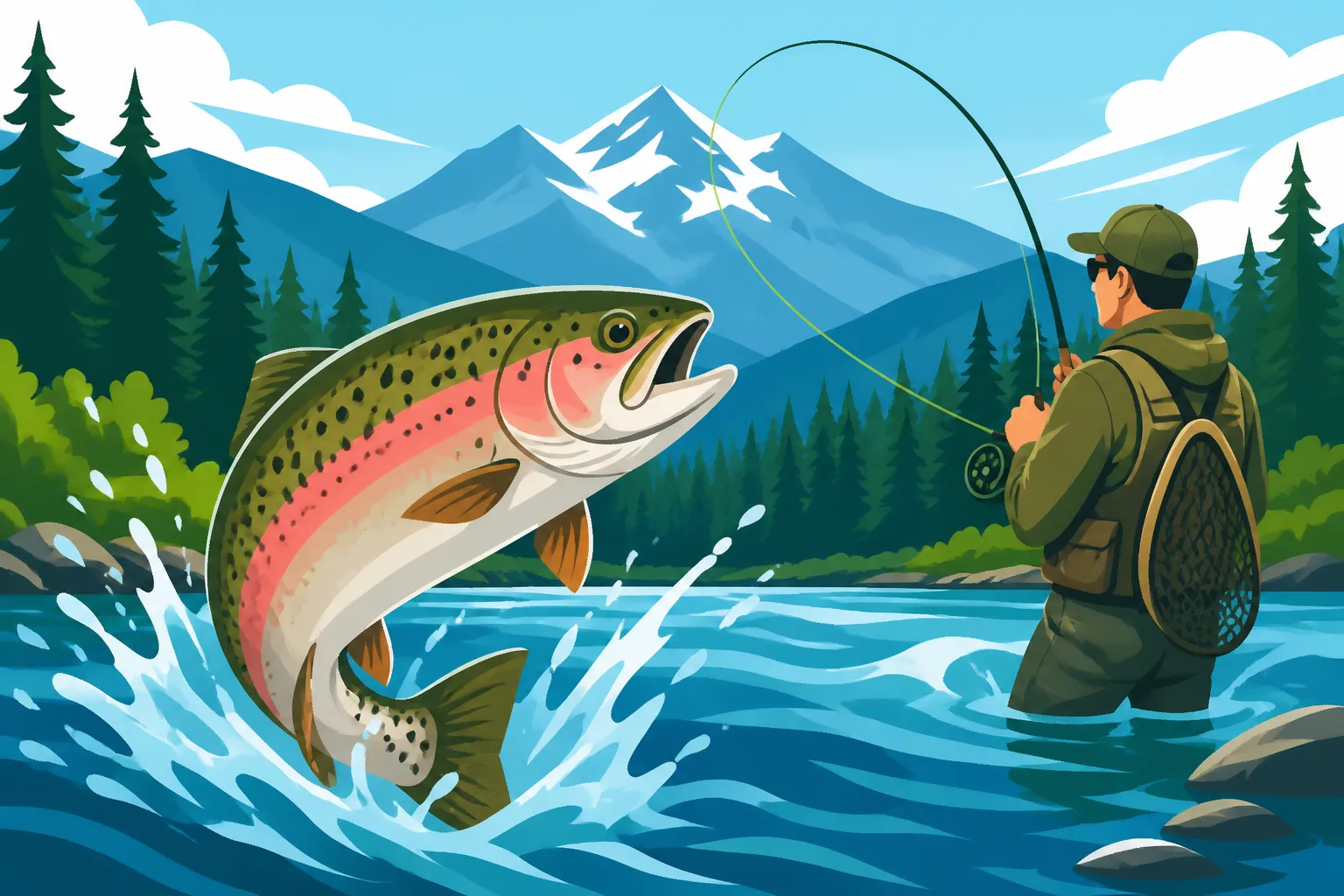
When you talk about fishing the McKenzie River, the conversation almost always starts with trout. The river is renowned for its population of rainbow trout, including both native and hatchery-reared fish. Among these, the McKenzie "redsides" are particularly famous – a robust, aggressive strain of rainbow trout known for their distinctive red stripe and strong fighting spirit. These are a true prize for any angler, especially those who enjoy the challenge of fly fishing for wild trout in swift, clear currents. You'll find a deeper dive into these vibrant fish in our Rainbow Trout in Oregon guide.
Beyond the iconic rainbows, coastal cutthroat trout also call the McKenzie home, especially in the tributaries and slower stretches. These beautiful, often feisty fish provide another exciting target for anglers. While less common, native bull trout are present in the upper reaches of the river, but they are a protected species and must be released immediately and unharmed if caught. Anglers targeting bull trout specifically often require a special permit and must adhere to strict catch-and-release protocols, making sure to avoid any handling that could cause undue stress. Learning more about all the various Oregon Trout Species Guide can help you identify your catch and adhere to regulations. Additionally, you might encounter whitefish, which are often found in deeper pools and can provide unexpected action on lighter tackle. While the McKenzie itself is primarily known for trout and steelhead, its connection to the Willamette means that spring Chinook salmon can pass through its lower sections on their way to spawning grounds in tributaries, though targeting them requires specific strategies and careful attention to regulations.
Navigating McKenzie River Regulations
One of the biggest hurdles many anglers face when planning a trip to the McKenzie River isn't just finding the fish, but understanding the ever-evolving rulebook. Oregon's fishing regulations, particularly for specific rivers like the McKenzie, can be quite nuanced. It's not enough to simply have a statewide license; you need to be aware of the specific rules that apply to the exact section of the river you intend to fish.
Special Rules for the McKenzie
The McKenzie River, due to its status as a premier trout and steelhead fishery, often has specialized regulations that differ significantly from general statewide rules. This can feel frustrating, especially if you're used to fishing other bodies of water, but these rules are designed to protect specific fish populations and enhance the fishing experience. For instance, large portions of the upper McKenzie, particularly upstream of Trail Bridge Reservoir, are designated as fly-fishing-only zones. This means no bait, no lures with treble hooks, and often, barbless hooks are mandatory.
Further downstream, in sections where conventional gear might be permitted, you’ll still find restrictions on bait use, hook types, and sometimes even methods of retrieve. It’s absolutely crucial to consult the most current Oregon Department of Fish and Wildlife (ODFW) regulations before every trip. These regulations are subject to change annually, and sometimes even mid-season due to emergency closures or adjustments based on fish returns. Failing to understand these specific rules can not only lead to a disappointing trip but also significant fines. For a broader understanding of statewide rules, check out our comprehensive guide: Oregon Fishing Regulations Explained.
Licenses, Endorsements, and Catch Cards
Before you even cast a line, ensuring you have the correct documentation is paramount. Every angler 12 years of age and older needs an Oregon Fishing License Guide. This isn't just a suggestion; it's a legal requirement, and game wardens frequently patrol the McKenzie. Beyond the basic angling license, you might need additional endorsements depending on what species you intend to target.
For example, if you plan to fish for steelhead – which do run the McKenzie, particularly in the lower sections during winter and spring – you’ll need an Oregon Combined Angling Tag. This tag covers salmon, steelhead, and sturgeon, and helps ODFW track harvest numbers for these important species. Even if you plan to release all your fish, possessing the appropriate license and tag is essential. Furthermore, if you are targeting salmon or steelhead, a Oregon Catch Record Card Requirements is mandatory, even for catch-and-release fishing. You must record your efforts and catch on this card, and it must be turned in to ODFW at the end of the year, regardless of whether you kept any fish. This data is vital for wildlife managers to make informed decisions about future regulations and conservation efforts.
Here’s a quick overview of common licensing needs for McKenzie River fishing:
| Document/Requirement | Primary Purpose | Key Species Affected | Where to Obtain |
|---|---|---|---|
| Annual Angling License | Required for all anglers 12+ | Trout, Bass, Panfish, Marine | ODFW, License Retailers |
| Combined Angling Tag | Required for harvest tracking | Salmon, Steelhead, Sturgeon | ODFW, License Retailers |
| Catch Record Card | Mandatory reporting of effort/harvest | Salmon, Steelhead, Sturgeon | Issued with Combined Tag |
| Columbia River Basin End. | Required for fishing in the Columbia Basin | Salmon, Steelhead, Sturgeon (CRB) | ODFW, License Retailers |
Note: The Columbia River Basin Endorsement is generally not required for fishing solely on the McKenzie River unless you are fishing very close to its confluence with the Willamette and plan to venture into the Columbia system.
Prime Fishing Spots and Access Points
The McKenzie River is a long and winding waterway, and its character changes dramatically from its headwaters to its confluence with the Willamette. This means that what works in one section might not work in another, and access points can range from easily accessible public parks to remote wilderness trails. Knowing where to go and how to access the water is half the battle on a successful fishing trip.
Upper McKenzie River Hotspots
The upper McKenzie River, generally considered the stretch from its headwaters down to around McKenzie Bridge, is characterized by its swift, cold, and exceptionally clear water. This is classic mountain stream territory, often requiring technical skills and a good pair of wading boots. One of the most popular and productive areas is the stretch immediately below Trail Bridge Reservoir. Here, the river flows through a stunning, somewhat rugged landscape, offering excellent opportunities for native trout. Anglers frequently target this area with nymphs and streamers, or dry flies during prolific hatches. Due to its clarity and flow, stealth is paramount.
Further downstream, but still in the upper reaches, you'll find various campgrounds and day-use areas that offer convenient bank access. Places like the areas around McKenzie Bridge provide excellent entry points for wade fishing, often in designated fly-fishing-only sections. The water here is pristine, and while the fish might be wary, the reward of landing a wild McKenzie "redside" in such a beautiful setting is unparalleled. These upper stretches are perfect for those who enjoy a more solitary, immersive experience and are comfortable navigating rocky riverbeds. Many consider these spots among the Best Rivers to Fish in Oregon.
Middle and Lower McKenzie River Access
As the McKenzie flows past McKenzie Bridge and into the valley, it gradually widens and slows, becoming more accessible to different fishing methods, particularly drift boats. The middle section, from about McKenzie Bridge down to Leaburg Dam, still holds strong populations of trout and sees some steelhead movement. Public boat ramps and access points become more frequent, allowing anglers to float sections of the river. Good access points can be found at Hendricks Bridge, Hayden Bridge, and various state parks and waysides along Highway 126. These areas often allow for a mix of fly fishing and conventional spin fishing, depending on specific regulations for each zone.
The lower McKenzie, below Leaburg Dam and closer to Eugene, transitions even further. The river widens considerably, the current slackens, and it begins to take on more of a valley river character before joining the Willamette. While still holding trout, this section is more influenced by migratory fish, including winter steelhead and occasionally spring Chinook salmon making their way further upstream into the Willamette tributaries. Bank access is abundant here, with popular spots like Armitage Park offering wide-open shorelines and boat launches. If you're looking for an experienced hand to navigate these waters, particularly if you're new to the area, you might consider booking a guided trip through platforms like FishingBooker, where local experts can show you the ropes and the best current spots.
Float Trips vs. Bank Fishing
Deciding whether to fish from the bank or take a float trip down the McKenzie largely depends on your fishing style, comfort level, and the specific section of the river you're targeting. Bank fishing is often the most accessible option, requiring less gear and no boat. It allows you to really explore specific runs, pools, and riffles at your own pace. Many areas of the upper McKenzie are best fished by wading from the bank, as the water is too shallow or technical for easy floating. However, bank access can be limited in some areas due to private property or steep terrain, and you're restricted to fishing only the water within casting distance of the shore.
Float trips, typically in specialized McKenzie-style drift boats, open up vast stretches of water that are otherwise inaccessible. This allows anglers to cover more ground, target multiple holding areas, and experience the river from a unique perspective. Many professional guides operate drift boat trips, offering a comfortable and efficient way to fish. The middle and lower sections of the McKenzie are particularly well-suited for floating, with numerous put-in and take-out points. While float trips can be more expensive and require coordinating shuttle services, they offer a truly immersive experience and often lead to more productive fishing, especially for covering miles of prime water. Regardless of your chosen method, remember to always practice safe wading and boating techniques. For inspiration on finding other prime fishing locations, check out our guide on the Best Places to Fish in Oregon.
Effective Fishing Techniques and Gear
Successfully fishing the McKenzie River demands an understanding of the water, the fish, and the most effective techniques for the conditions. Given its clear, cold waters and diverse character, a versatile approach, or a specialized one, can make all the difference.
Fly Fishing for McKenzie Trout
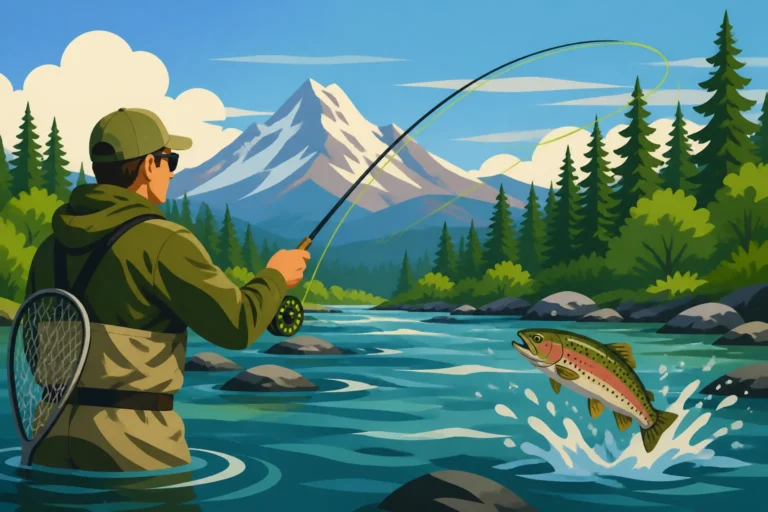
For many, fly fishing is McKenzie River fishing, especially for its famous trout. The river's abundant insect life means that matching the hatch is often key to success. In the spring and early summer, you'll encounter prolific caddisfly hatches, making caddis patterns like Elk Hair Caddis or X-Caddis incredibly effective. Mayflies also hatch throughout the season, with patterns like Blue-winged Olives, Pale Morning Duns, and Green Drakes often bringing fish to the surface. For a comprehensive look at how to approach this, refer to our How to Fly Fish in Oregon guide.
When fish aren't rising, nymphing is a highly productive method. Weighted nymphs such as a Copper John, Prince Nymph, or a Pheasant Tail can be fished under an indicator, or "Euro Nymphing" techniques can be incredibly effective in the McKenzie's swift currents. Streamers, especially patterns like Woolly Buggers, Sculpzillas, or even larger articulated flies, can entice larger, more aggressive trout, particularly in deeper pools or during periods of higher water. Light fly rods (3-5 weight) with floating lines are standard for trout, matched with appropriate leaders and fluorocarbon tippet for stealth in the clear water. Understanding Oregon Trout Fishing Techniques is paramount for maximizing your success.
Conventional Methods and Bait Restrictions
While fly fishing holds a special place, conventional spin fishing can also be productive in sections of the McKenzie where it's permitted. For trout, small spinners like a Rooster Tail, Panther Martin, or Blue Fox in sizes 0-2, with natural or bright colors, can be very effective. Spoons, such as a Little Cleo or Kastmaster, are also good choices for covering water and imitating baitfish. It's critical to remember that bait is often not allowed in many prime McKenzie River sections, especially in the upper and middle reaches. Always double-check current regulations to avoid violations.
For anglers targeting steelhead in the lower McKenzie, conventional gear often includes drift fishing with small marabou jigs, pink worms, or various drift bobbers and bait combinations (where legal). Casting and retrieving small spoons or spinners can also trigger strikes from migrating steelhead. The key is to use light line and leaders, as the McKenzie's clear water demands a subtle presentation. Remember, in many areas, barbless hooks are mandatory, regardless of your chosen technique, so be sure to pinch down those barbs!
Seasonal Strategies
The McKenzie River truly offers year-round fishing, but your strategies will need to adapt significantly with the seasons. Spring, often marked by rising water levels from snowmelt, can be excellent for nymphing as fish become more active with increasing water temperatures. As summer progresses and water levels drop and clear, the dry fly fishing can become exceptional, especially during early mornings and late evenings when major insect hatches occur. This is often the prime time for targeting the famous redsides.
Fall brings cooler temperatures and often more aggressive fish as they feed heavily before winter. Streamers and larger nymphs can be very effective during this period. Winter on the McKenzie is primarily about steelhead, though it can be a challenging endeavor. Both winter steelhead and a smaller run of summer steelhead can be found, particularly in the lower and middle sections. This requires specialized gear and techniques, often involving heavier setups for battling strong, chrome-bright fish. Always consult the Oregon Fishing Season Dates and Limits to understand the best times to target specific species and sections of the river. When planning your steelhead pursuit, our Oregon Steelhead Fishing Techniques guide can provide invaluable insights.
Planning Your McKenzie River Adventure
A successful fishing trip on the McKenzie River goes beyond just having the right gear and knowing the regulations. It involves thoughtful planning, understanding the nuances of the river's flow and weather, and being prepared for whatever Mother Nature throws your way.
Timing Your Visit for Success
Choosing the right time to visit the McKenzie River can drastically impact your fishing experience. For classic trout fishing with dry flies, the peak season is typically late spring through early fall, especially from June to September. During these months, insect hatches are more consistent, and trout are actively feeding on the surface. However, this is also when the river sees the most recreational use, so you might encounter more rafts and kayakers, especially on warmer days. For those seeking solitude and a challenge, late fall into winter can offer opportunities for steelhead in the lower river sections, but conditions will be colder and potentially wetter.
It's paramount to regularly check the McKenzie River's water levels and flow rates through resources like the USGS streamflow data. A sudden spike in flow due to heavy rain or dam releases can make fishing impossible or even dangerous, while extremely low flows can make fish extra wary. Weather patterns also play a significant role. A prolonged warm spell can encourage hatches, while a cold front might put fish down. Don't just pick a date; monitor the conditions leading up to your trip, and be flexible if possible. For help in pinpointing ideal times, especially if you're looking for guidance, remember that experienced guides listed on platforms like FishingBooker often provide up-to-date reports and can advise on the best timing for current conditions.
Essential Gear and Preparedness
Beyond your rod, reel, and tackle, a few critical items will make your McKenzie River adventure safer and more enjoyable. First and foremost, good quality waders with sturdy, cleated soles are an absolute must. The McKenzie's bottom is often rocky and slippery, and proper footwear provides essential grip and stability against the strong current. Layered clothing is also key, even in summer, as mountain weather can change rapidly. A waterproof outer shell is always a good idea.
Polarized sunglasses are not just for comfort; they significantly reduce glare, allowing you to spot fish, read the water more effectively, and avoid obstacles. A reliable net, preferably rubberized to protect fish you intend to release, is also essential. Always carry a small first-aid kit, a map or GPS device (cell service can be spotty), and plenty of water and snacks. If you’re floating the river, ensure all safety equipment, including PFDs, is readily accessible. Practicing Leave No Trace principles is non-negotiable; pack out everything you pack in, and respect private property boundaries and other river users. Being prepared ensures your focus stays on the fishing, not on unforeseen challenges.
Disclaimer
Fishing regulations and conditions are subject to change. Always consult the latest Oregon Department of Fish and Wildlife (ODFW) regulations before heading out. This guide is for informational purposes only and does not guarantee fishing success or provide legal advice.