What zone is the Willamette River in for Oregon fishing rules
Navigating the intricate world of Oregon's fishing regulations can feel like trying to untangle a fishing line after a major blow-up. One of the biggest head-scratchers for many anglers, especially those new to the state or looking to explore its diverse waters, is figuring out which "zone" a particular river falls into. If you've ever found yourself scratching your head, wondering what specific rules apply to fishing the mighty Willamette River, you're certainly not alone. This comprehensive guide will clear up that confusion, diving deep into the Willamette's fishing zone designation and what it means for your next angling adventure.
Understanding Oregon's Fishing Zones and the Willamette's Designation
Oregon is a state of incredible natural beauty and even more incredible fishing opportunities, but with that diversity comes a need for nuanced regulation. The Oregon Department of Fish and Wildlife (ODFW) manages these waters by dividing the state into several distinct fishing zones. Each zone has its own set of rules, seasons, and bag limits designed to protect and enhance local fish populations while providing ample recreational opportunities. It's a system that, while sometimes complex, is essential for sustainable fishing across such varied landscapes.
The Broad Strokes of Oregon's Fishing Zones
Imagine Oregon's vast fishing landscape carved into manageable pieces, each with its unique characteristics and challenges. That's essentially what ODFW has done with its fishing zones. These zones aren't just arbitrary lines on a map; they represent ecological boundaries, specific watershed management areas, or regions with distinct fisheries. For instance, coastal rivers often have different regulations than high-desert lakes, and the mighty Columbia River, with its interstate complexity, gets its own special consideration. Understanding these zones is the first step to truly grasping the Oregon Fishing Regulations Explained for any body of water.
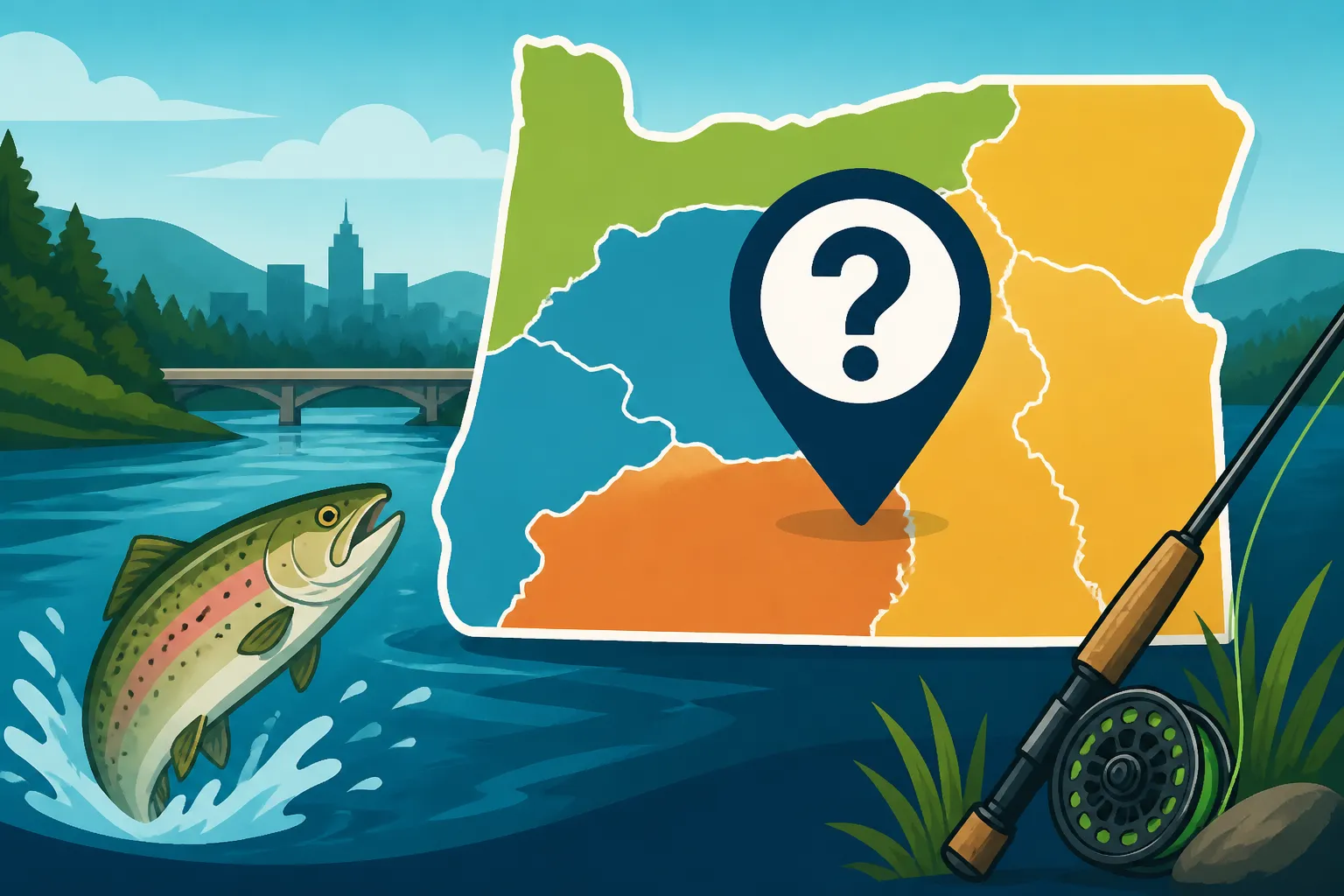
The primary zones you'll encounter include the Northwest Zone, Southwest Zone, Central Zone, Northeast Zone, Southeast Zone, and of course, the Columbia River Zone. Each of these broader zones then often has further subdivisions or special regulations for individual rivers, lakes, or even stretches of water. The sheer variety of fish species, habitats, and angling pressures across the state necessitates this granular approach. It's not uncommon for anglers to feel a bit overwhelmed when first encountering this system, but with a bit of guidance, it becomes much clearer.
Pinpointing the Willamette River's Primary Zone
For the vast majority of its length and its numerous tributaries, the Willamette River falls squarely within the Northwest Zone. This is a crucial piece of information for any angler planning to fish anywhere from its headwaters in the Cascade Mountains and Coast Range, all the way down to the bustling metropolitan areas of Salem, Portland, and its eventual confluence with the Columbia River. The Northwest Zone encompasses a large area of western Oregon, characterized by numerous coastal and inland rivers, and many lakes and reservoirs.
However, like many things in fishing, it's not quite that simple, and there's a significant nuance to consider. The lower stretch of the Willamette River, particularly from the Oregon City Falls downstream to where it meets the Columbia River just north of Portland, operates under special regulations that often align with, or are heavily influenced by, the Columbia River Zone rules. This is especially true for anadromous fish species like salmon and steelhead that migrate between the two massive rivers. So, while its primary identity is rooted in the Northwest Zone, anglers need to be acutely aware of its connection to the Columbia, especially if targeting species like Chinook salmon or sturgeon in the lower reaches. This dual identity means that a trip to the Willamette could mean consulting both Northwest Zone and Columbia River Zone rules depending on where you drop your line. For comprehensive planning, having a reliable Oregon Fishing License Guide is always a good starting point.
Navigating Regulations Specific to the Willamette River's Zone
Once you understand that the Willamette River is predominantly a Northwest Zone waterway with a significant Columbia River influence in its lower section, you can start to unpack the specific regulations that will impact your fishing. It’s not just about knowing the zone, but understanding how those zone rules translate into what you can and can’t do with your rod and reel. This is where the rubber meets the road, or rather, where your hook meets the water.
Northwest Zone General Regulations Impacting the Willamette
As part of the Northwest Zone, many of the general regulations for this large region apply directly to the Willamette River and its extensive network of tributaries. For instance, common species like rainbow trout, cutthroat trout, various panfish (like crappie and bluegill), and bass are often managed under the broader Northwest Zone rules. This typically includes specific seasons for retention, daily bag limits, and sometimes even size restrictions. For example, if you're chasing trout in one of the Willamette's feeder streams, you'll generally find the rules regarding bait, gear, and catch limits falling under the general Northwest Zone guidelines.
It's critical to remember that even within the Northwest Zone, individual rivers or sections of rivers can have "special regulations" that override the general zone rules. The Willamette River system is vast, with many different environments from small mountain creeks to large, slow-moving mainstem sections. Because of this, it's essential to always consult the specific regulations for the exact stretch of river you intend to fish. For instance, some smaller tributaries might be designated as "fly fishing only" or have different bait restrictions than the mainstem. A quick check of the current ODFW synopsis or their online tool is always the safest bet. Keeping an eye on publications like the Where to find the Oregon fishing regulations booklet can also save you a lot of grief.
The Columbia River Confluence: A Special Case for the Willamette
The point where the Willamette River empties into the Columbia River, around Portland, creates a unique regulatory situation. This stretch is a major migration corridor for several key anadromous species, particularly various runs of salmon and steelhead, as well as the impressive white sturgeon. While the Willamette technically remains in the Northwest Zone, the rules for these migrating species in the lower Willamette often mirror or are directly tied to the regulations of the adjacent Columbia River Zone. This means that seasons, bag limits, and gear restrictions for these particular fish might be influenced by interstate agreements between Oregon and Washington, or by the broader management strategies for the entire Columbia River system.
For instance, during certain salmon runs, the daily bag limits and even the requirement for specific tags like the Oregon Salmon and Steelhead Tag Requirements or Oregon Sturgeon Tag Requirements will be directly aligned with those enforced on the Columbia River. Anglers here often need to be prepared for the possibility of rapidly changing emergency regulations due to fish run forecasts or in-season adjustments. This overlap also raises questions about licensing, especially for those who might venture into the Columbia. Understanding Oregon and Washington License Reciprocity on the Columbia is vital for anyone fishing these boundary waters, ensuring you're compliant no matter which bank you're on.
Practical Tips for Anglers on the Willamette River
Fishing the Willamette River offers incredible opportunities, but success and compliance go hand-in-hand. Don't let the zoning complexities deter you! With a few practical habits and resources, you can confidently navigate the regulations and focus on the joy of angling. After all, the last thing you want is a surprise visit from a game warden that could have been easily avoided.
Always Check the Latest ODFW Regulations
This cannot be stressed enough: always, always check the most current ODFW regulations before you head out. Fishing rules, especially for popular migratory species like salmon and steelhead, are incredibly dynamic. Seasons can open and close with little notice, bag limits can be adjusted, and even specific areas can be temporarily closed due to conservation concerns or emergency changes. Relying on an outdated printed synopsis or information from "a buddy" can lead to costly fines or inadvertently harming fish populations. This is especially true given How often do Oregon fishing regulations change.
The ODFW website is your best friend here, providing up-to-the-minute updates, including any emergency closures. Many anglers also find the physical ODFW Recreation Report and Fishing Regulations Synopsis invaluable. While ODFW provides these digitally, you can often find physical copies at local tackle shops, sporting goods stores like Cabela's or Bi-Mart, or even by searching for official ODFW publications on platforms like Amazon if you prefer a tangible guide. Always make sure you have the current year's edition. Before setting out, double-check the specific segment of the Willamette River you plan to fish, as rules can vary even within the same general area.
Key Species and Their Willamette River Zone Rules
The Willamette River is a biological powerhouse, home to a wide array of fish species that attract anglers year-round. Understanding the general regulatory landscape for these popular targets is crucial. While specific rules can and do change, here's a general overview of what to consider:
| Species | Primary Zone Influence | Key Regulatory Considerations | Common Tags/Endorsements |
|---|---|---|---|
| Rainbow/Cutthroat Trout | Northwest Zone | General trout seasons (often year-round in mainstem, specific dates in tributaries). Bag & size limits vary. Bait restrictions in some areas. | Oregon Combined Angling Tag Guide (for general fishing) |
| Spring Chinook Salmon | Northwest/Columbia River | Heavily regulated seasons (usually spring/early summer). Daily bag limits often tied to Columbia River rules. | Oregon Salmon and Steelhead Tag Requirements, Oregon Catch Record Card Requirements |
| Fall Chinook Salmon | Northwest/Columbia River | Seasons typically late summer/fall. Daily bag limits, often tied to Columbia River rules. | Oregon Salmon and Steelhead Tag Requirements, Oregon Catch Record Card Requirements |
| Steelhead | Northwest Zone | Winter and summer runs. Daily bag limits, often catch-and-release for wild steelhead. Gear restrictions can apply. | Oregon Salmon and Steelhead Tag Requirements, Oregon Catch Record Card Requirements |
| Smallmouth Bass | Northwest Zone | Often year-round, generous bag limits (sometimes no limit) due to non-native status. | Basic Oregon Fishing License Guide |
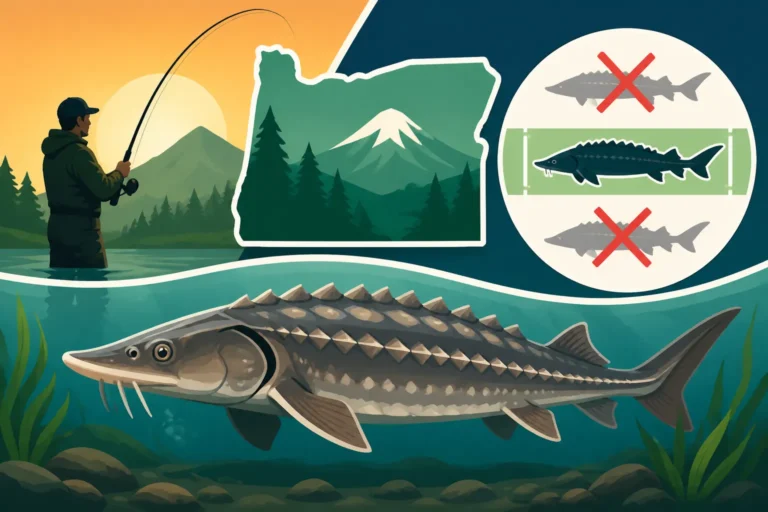
| White Sturgeon | Northwest/Columbia River | Catch-and-release only in many areas; limited retention seasons in specific Columbia River pools. Slot limits. | Oregon Sturgeon Tag Requirements (for retention zones) |
| Walleye | Northwest Zone (lower) | Found primarily in the lower Willamette. Often generous or no bag limits due to non-native status. | Basic Oregon Fishing License Guide |
| Shad | Northwest Zone (lower) | Season typically late spring/early summer. Very generous bag limits. No specific tag. | Basic Oregon Fishing License Guide |
This table serves as a general guide, but remember that the devil is in the details! Always check the current ODFW regulations for the precise spot you plan to fish. You'll also want to be familiar with the general Oregon Daily Bag Limits Explained and specific Oregon Catch-and-Release Rules to ensure you're fishing responsibly.
Common Misconceptions and Complexities
Even with a clear understanding of the Willamette's primary zone designation, anglers can still run into unexpected complexities. It's easy to fall into traps of assumption, especially with such a long and diverse river system. As a veteran angler, I’ve seen these common pitfalls trip up even experienced folks, so let’s shed some light on them.
The Myth of a Single "Willamette River Rule"
One of the most pervasive misconceptions is that a single set of rules applies to the entire Willamette River system, from its headwaters to its mouth. This simply isn't true, and believing it can lead to unintentional violations. The Willamette is a massive watershed, comprising not just the mainstem river but also countless tributaries like the Clackamas, Santiam, McKenzie, Tualatin, and Marys Rivers, among many others. While the umbrella of the Northwest Zone generally covers these, each tributary, and even different sections of the mainstem, can have its own unique set of "special regulations."
For example, the McKenzie River, a major tributary of the Willamette, is renowned for its specific fly-fishing-only stretches and unique wild trout management rules. The Clackamas River, another significant tributary, has its own complex salmon and steelhead management plans, which might differ from a less productive stretch of the mainstem Willamette further north or south. These granular rules exist for good reason: to protect sensitive spawning grounds, manage specific fish runs, or provide diverse angling experiences. Therefore, when planning a trip to "the Willamette," it's absolutely crucial to specify which part of the Willamette system you intend to fish and check those specific regulations. Don't assume that what applies near Portland also applies near Eugene, or what applies on the mainstem applies in a small feeder creek.
Endorsements and Additional Tags
Beyond simply having a basic Oregon Fishing License Types Explained and understanding the zone rules, many anglers targeting specific, popular species in the Willamette system will also need to acquire additional endorsements or tags. This is another layer of regulation designed to help ODFW manage these valuable fisheries and collect vital data. The most common of these is the Combined Angling Tag, which is required to harvest salmon, steelhead, and sturgeon. If you're planning to chase these sought-after species, you'll need this tag in addition to your general angling license.
Furthermore, for salmon and steelhead, you'll also need a Catch Record Card. This card is not just a formality; it's a critical tool for ODFW to monitor harvest rates. You are legally required to record your catch immediately after retention. Failing to fill it out correctly or completely can result in fines. For specific species like sturgeon, beyond the Combined Angling Tag, there might be specific sturgeon tags required in certain retention zones, although the Willamette River generally operates under catch-and-release for sturgeon with very limited exceptions. It’s also worth noting that while an Oregon Ocean Endorsement exists, it typically applies to offshore ocean fishing and wouldn't be relevant for the inland waters of the Willamette, unless you're thinking about saltwater species in the very lowest tidal reaches of the Columbia after the Willamette confluence. Understanding these additional requirements is essential to avoid any surprises when you're out on the water.
Disclaimer
Please remember that fishing regulations, seasons, and limits in Oregon are subject to change. While this guide provides a comprehensive overview based on current information, it is your responsibility to consult the official Oregon Department of Fish and Wildlife (ODFW) regulations before engaging in any fishing activity. Always refer to the most recent ODFW Fishing Regulations Synopsis and check for any emergency closures or updates on their official website.