Do Oregon charters run seven days a week?
It's a common question for anyone dreaming of an Oregon fishing adventure: "Do these charters even run on weekends, or every day of the week?" You're picturing that perfect window – perhaps a long weekend or a specific day off – and you're hoping the charter operators are ready when you are. The truth is, while many Oregon fishing charters do operate seven days a week, it’s not always a guaranteed reality due to a whole host of factors, from the unpredictable Oregon weather to the very nature of the fish you're targeting. This guide will help you understand the nuances of charter availability and how to plan your trip effectively.
Understanding the Factors Influencing Charter Availability in Oregon
Planning a fishing trip on Oregon's stunning coast or its bountiful rivers isn't quite as simple as booking a movie ticket; there are several dynamic elements that dictate when and how often charters can run. It’s not just about the captain's desire to fish; nature and logistics play huge roles.
The Rhythms of Nature: Seasons and Species
Oregon's fisheries are incredibly diverse, from bottom-dwelling rockfish in the Pacific to anadromous salmon and steelhead making their epic runs up rivers like the Columbia, Willamette, and Deschutes. Each species has its peak season, and these biological cycles directly impact charter availability.
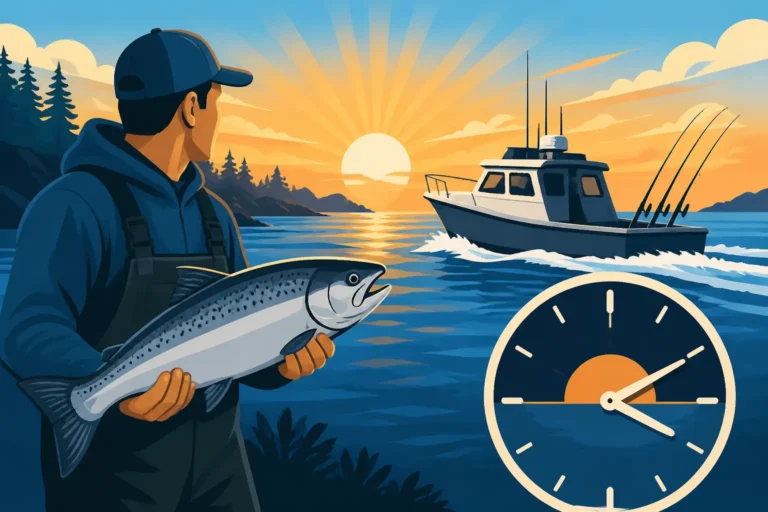
Think about it: a charter specializing in Oregon Salmon Species Guide will be most active during the spring, summer, and fall salmon runs. When the salmon aren't running, or the season closes for conservation, those boats often switch gears to other species like halibut or rockfish, or they might simply take a break. Similarly, Oregon Steelhead Guide trips are highly dependent on the timing of winter and summer steelhead runs. A charter might be fully booked seven days a week during the prime fall Chinook season in Tillamook Bay, but largely idle during the doldrums of mid-winter before the first winter steelhead arrive in earnest. The ebb and flow of these natural cycles are the primary drivers of when charters deem it worthwhile to even drop a line.
Weather Woes and Safety First
Ah, the Oregon coast – beautiful, dramatic, and utterly unpredictable! Unlike some calmer inland fisheries, ocean charters, especially those targeting offshore species like tuna or halibut, are completely at the mercy of the weather. A rough bar crossing, high seas, or strong winds can turn a planned trip into a no-go in the blink of an eye. Safety is paramount, and reputable captains will always prioritize the well-being of their crew and passengers over getting out on the water.
This means that even if a charter theoretically runs seven days a week, Mother Nature might have other plans. You could have a trip booked for a Tuesday that gets cancelled due to a gale, while the same charter ran smoothly the previous Sunday and the following Friday. River guides face similar, though often less extreme, challenges with water levels, clarity, and temperature. A sudden rainstorm can blow out a river, making fishing unproductive and potentially unsafe. This inherent variability means that while a charter aims for seven-day operations, real-world conditions often dictate otherwise. It's a key reason why booking platforms like FishingBooker often display weather advisories or flexible cancellation policies for ocean trips.
Guide Schedules and Vessel Maintenance
Even the most passionate captains and guides need a break, and their boats need regular attention. Running seven days a week, especially during intense peak seasons, can lead to burnout for guides and wear and tear on vessels. Many independent guides, or smaller charter operations, simply choose not to operate every single day. They might reserve weekdays for maintenance, scouting new fishing spots, or simply spending time with family.
Vessel maintenance is a huge undertaking. Boats operating in saltwater, or even freshwater rivers, endure constant stress. Engines need servicing, gear needs repair, and hulls need cleaning. It's a never-ending cycle, and dedicating a day or two each week to this essential work ensures the boat remains safe and reliable. A captain might schedule major maintenance for a slow period, but routine checks happen constantly. So, even if the fish are biting and the weather is perfect, a charter might be unavailable simply because it's their designated maintenance day or the guide is taking a well-deserved rest. This is particularly true for single-boat operations where the owner is also the captain.
Typical Operating Schedules for Oregon Fishing Charters
While the dream of fishing whenever you want is enticing, the reality for Oregon charters is a blend of intense activity during prime windows and necessary downtime. It's not a rigid 9-to-5, but rather a dance with the calendar and the climate.
Peak Season vs. Off-Season Operations
This is where the idea of "seven days a week" really gets tested. During peak seasons for highly sought-after species – think fall Chinook salmon on the Columbia River (hello, Buoy 10!), or prime halibut season out of Newport or Depoe Bay – many larger charter operations absolutely aim to run daily. Their boats are often booked solid weeks, if not months, in advance. These are the times when you'll see a flurry of activity, with boats leaving the docks before dawn and returning laden with fish. Oregon Fishing Seasons Explained can give you a clear picture of when these frenzies typically occur.
Conversely, during the off-season, or what some call the "shoulder seasons," charter availability drops significantly. For example, deep-sea fishing for halibut might be a summer affair, with limited or no trips offered in the dead of winter. River guides, while possibly fishing through winter for steelhead, might have fewer bookings and operate on a more flexible, demand-driven schedule. Some smaller operators might even close down entirely for a few months, using that time for extensive boat overhauls or to pursue other passions. It’s crucial to match your desired fishing experience with the active seasons for the species you hope to catch.
Weekend vs. Weekday Bookings
Weekends are, predictably, the busiest times for almost all Oregon fishing charters. For many anglers, Saturday and Sunday are the only days they have off work, leading to high demand and often fully booked boats. If you're hoping for a prime weekend spot during a popular season, you often need to book far in advance – sometimes a year or more for the most sought-after dates and captains. This is where online platforms, like FishingBooker, really shine, allowing you to see real-time availability and snatch up those coveted slots.
Weekdays, however, often offer more flexibility and sometimes even a slightly less crowded experience on the water. While many charters still run, especially during peak seasons, you might find more open dates for Tuesday or Wednesday trips. If your schedule allows for weekday fishing, it's definitely something to consider, as it can be easier to secure a booking and potentially more relaxed on the water. This can be especially true for river trips where you might be sharing the water with fewer private boats.
Ocean vs. River Charters
The type of fishing itself also influences the schedule. Ocean charters, particularly those targeting salmon, halibut, or tuna, are generally more susceptible to weather cancellations and tend to have more defined "seasons" when specific fish are available. A good example is Oregon Halibut Tag Requirements for Ocean Fishing, which dictate specific days or seasons when halibut can be retained. When these seasons are open and the weather cooperates, ocean charters might indeed try to run daily.
River charters, on the other hand, while still affected by conditions like high water or extreme temperatures, often have a more consistent, albeit species-dependent, schedule. A guide might fish the Deschutes River Fishing Guide for trout in spring, switch to summer steelhead, and then transition to fall salmon on the lower Columbia. Their "seven-day week" might involve moving between different rivers or different sections of the same river, chasing the best bite. Some guides are highly specialized, focusing only on fly-fishing for trout, for example, which might mean a more consistent schedule throughout their specific season.
How to Find and Book Charters for Your Preferred Dates
Okay, so you understand the variability. Now, how do you actually find a charter that fits your schedule and gets you on the water? It takes a bit of savvy, some flexibility, and knowing where to look.
Checking with Individual Charter Operators
Many excellent charter companies operate independently, especially along the Oregon Coast in towns like Newport, Depoe Bay, or Astoria. If you have a specific captain or boat in mind, or if you prefer a more direct, personal approach, reaching out to them directly is a great option. Most have websites with calendars, or at least contact information where you can call or email to inquire about availability.
Keep in mind that smaller operators might be managing their bookings manually, so patience is key. Be clear about your desired dates, target species, and the number of people in your party. They’ll be able to tell you if they run on your specific days, what their typical operating rhythm is, and if they have any openings. This direct communication can also be a good way to gauge their personality and ensure it's a good fit for your group. Just be prepared for the possibility that they might not run every day, even if the weather looks good.
Utilizing Online Booking Platforms
For a broader view of what's available, online booking platforms are incredibly useful. Sites like FishingBooker aggregate listings from numerous charter operators across Oregon, allowing you to filter by location, date, species, and even boat type. This can be a huge time-saver, especially if you're flexible with your dates or don't have a specific charter in mind.
These platforms often display real-time availability, allowing you to see at a glance which charters are running on a Tuesday versus a Saturday. You can compare prices, read reviews, and get a good sense of what's included in the trip, all from one interface. Many also offer instant booking confirmations, which is a major convenience. When I'm looking for a trip, especially if I'm trying to compare options in different coastal towns or river systems, I often start here to get a lay of the land. They make it much easier to confirm if charters are available on your desired day, even if it's a weekday.
Planning Ahead for Best Availability
This cannot be stressed enough: plan early! Especially if you're aiming for popular seasons, prime weekends, or holiday periods, booking well in advance is almost a necessity. The best charters, with the most experienced captains and a reputation for success, get booked up very quickly. We're talking months, sometimes even a year, ahead for those specific, coveted dates.
If you wait until the last minute, you might find that while some charters are technically running seven days a week, all the prime slots are taken. You might be left with less-than-ideal departure times, or only able to find availability on boats that don't quite match your preferences. A good rule of thumb for peak season trips: as soon as you know your travel dates, start looking for your charter. For less popular times, you might have more leeway, but earlier is always better to secure your first choice.
Important Considerations for Booking Your Oregon Fishing Adventure
Beyond just when charters run, there are other critical pieces of the puzzle to ensure your Oregon fishing trip is successful and enjoyable. These tips come from years of seeing what works and what causes headaches for anglers.
Flexibility Can Be Your Best Friend
Given the many variables that influence charter operations, being flexible with your dates can significantly increase your chances of getting on the water. If you absolutely must fish for salmon on a specific Saturday, you might be out of luck if that date is already booked or if the weather turns sour.
However, if you can offer a captain a range of dates – for example, "any day between next Tuesday and Friday" – they are far more likely to be able to accommodate you, or at least suggest an alternative that works. This flexibility also comes in handy if a trip gets cancelled due to weather; a flexible angler has a much better chance of rescheduling their trip rather than simply losing out entirely. This is particularly true for offshore trips from towns like Astoria where the bar conditions can be challenging; having backup days is invaluable.
| Factor | Peak Season Availability | Off-Season Availability | Weekend Availability | Weekday Availability |
|---|---|---|---|---|
| Ocean Charters | High, often fully booked | Low, species-dependent | Very High Demand, book early | High, more flexible |
| River Guides | High, follows species runs | Moderate, depends on target | High Demand, book early | Moderate, more flexible |
| Weather Impact | Can cause cancellations | More prone to cancellations | High risk of cancellation | High risk of cancellation |
| Advance Booking | Essential (months ahead) | Recommended (weeks ahead) | Critical (months ahead) | Recommended (weeks ahead) |
| Flexibility | Highly beneficial | Highly beneficial | Highly beneficial | Highly beneficial |
License and Endorsement Requirements
No matter when or where you fish in Oregon, you need a valid Oregon Fishing License Guide. This is non-negotiable, and charter operators cannot provide it for you. You'll need to purchase your license and any necessary tags or endorsements, such as the Oregon Combined Angling Tag Guide for salmon, steelhead, sturgeon, or halibut, or the Oregon Ocean Endorsement for saltwater species, before your trip.
Some charter companies might have licenses available for purchase at their docks, but it's always safer and more efficient to get yours beforehand. You can often buy them online through the Oregon Department of Fish and Wildlife website, or at authorized license agents like sporting goods stores. Make sure you understand the Oregon Fishing License Age Requirements and get the correct license type (resident vs. nonresident). Getting this sorted beforehand ensures no last-minute delays or disappointments on the day of your trip.
What to Expect if a Trip is Cancelled
It's the dreaded phone call: "The weather's too rough, we have to cancel the trip." As we discussed, cancellations are a reality of fishing in Oregon, especially for ocean charters. Reputable charters and booking platforms like FishingBooker will have clear policies regarding cancellations due to weather or mechanical issues.
Typically, you'll be offered the chance to reschedule your trip for another available date, or you'll receive a full refund. It’s always a good idea to confirm these policies when you book, so you know exactly what to expect. Don't take a cancellation personally; it's always for safety. Many anglers build an extra "buffer day" into their travel plans, if possible, specifically for rescheduling in case of a weather-out. This foresight can save a lot of frustration and ensures your fishing dreams aren't totally dashed. Be sure to check Oregon Fishing License Refund Policy if you're wondering about your license costs, though usually licenses are non-refundable.
In conclusion, while many Oregon fishing charters aim to run seven days a week, the unpredictable nature of fishing, combined with seasons, weather, and logistics, means it's not always a hard and fast rule. Do your research, plan ahead, be flexible, and you'll greatly increase your chances of a fantastic Oregon fishing adventure!
Disclaimer
This article is for general informational purposes only and does not constitute professional advice. Laws, prices and regulations vary by location and change over time. Consult a qualified professional for guidance on your specific situation.