What is a good backup trip if halibut season closes early
It’s a scenario every angler dreads: you've meticulously planned your long-awaited Oregon halibut fishing trip, perhaps booked a charter, taken time off work, and dreamt of those delicious fillets, only to wake up to the news that the season has closed early. It’s a gut punch, for sure, leaving you scrambling for an alternative. This guide is here to walk you through fantastic backup fishing options when halibut season throws you a curveball, ensuring your trip to the beautiful Oregon coast is still a successful and memorable one.
The Disappointment of Early Halibut Closures and Why It Happens
There’s nothing quite like the excitement of targeting Pacific halibut off the Oregon coast. They’re a prized catch, known for their size, fight, and incredible table fare. So, when the news drops that the season has closed earlier than expected, it’s completely understandable to feel a wave of disappointment. You've invested time, money, and anticipation into this specific pursuit, and suddenly, that dream is on hold. It can feel unfair, especially if you had plans laid out months in advance.
Understanding Quotas and Conservation Efforts
The primary reason halibut seasons often close early, and sometimes abruptly, is to ensure the long-term sustainability of the fishery. Marine fisheries are managed with strict annual quotas, which are essentially limits on the total amount of fish that can be harvested by anglers and commercial boats. These quotas are set by state and federal agencies based on scientific assessments of fish populations, aiming to prevent overfishing and protect the species for future generations.
When a particular fishing area reaches its allocated quota, or is projected to reach it very soon, the season must close immediately. This isn't done to annoy anglers, but rather as a critical conservation measure. Agencies like the Oregon Department of Fish and Wildlife (ODFW) monitor catch rates closely throughout the season, and if the fish are biting exceptionally well, or if more boats are out than anticipated, that quota can be met much faster than initial projections. While it's tough in the moment, it’s a vital part of responsible resource management, protecting those halibut for years to come.
The Impact on Anglers and Charter Operators
For anglers, an early closure means a sudden shift in plans. If you're traveling from out of state, or even from across Oregon, this can mean cancelling hotel reservations, reorganizing your gear, or, ideally, pivoting to a different type of fishing. For charter operators, it's a significant logistical challenge. Their schedules are built around these seasons, and an early closure can mean lost revenue and the need to quickly offer clients alternative trips. It’s a ripple effect that impacts everyone involved, making it crucial to have a backup plan in mind. Having a good relationship with your chosen charter captain or knowing how to quickly search for other options is key to salvaging your fishing adventure.
Excellent Ocean Alternatives When Halibut Season Ends Unexpectedly
Just because halibut might be off the menu doesn't mean your ocean fishing adventure is over. Oregon's coast offers a rich tapestry of marine life, providing several fantastic alternatives that can deliver just as much excitement and a full cooler.
Bottom Fishing for Rockfish and Lingcod
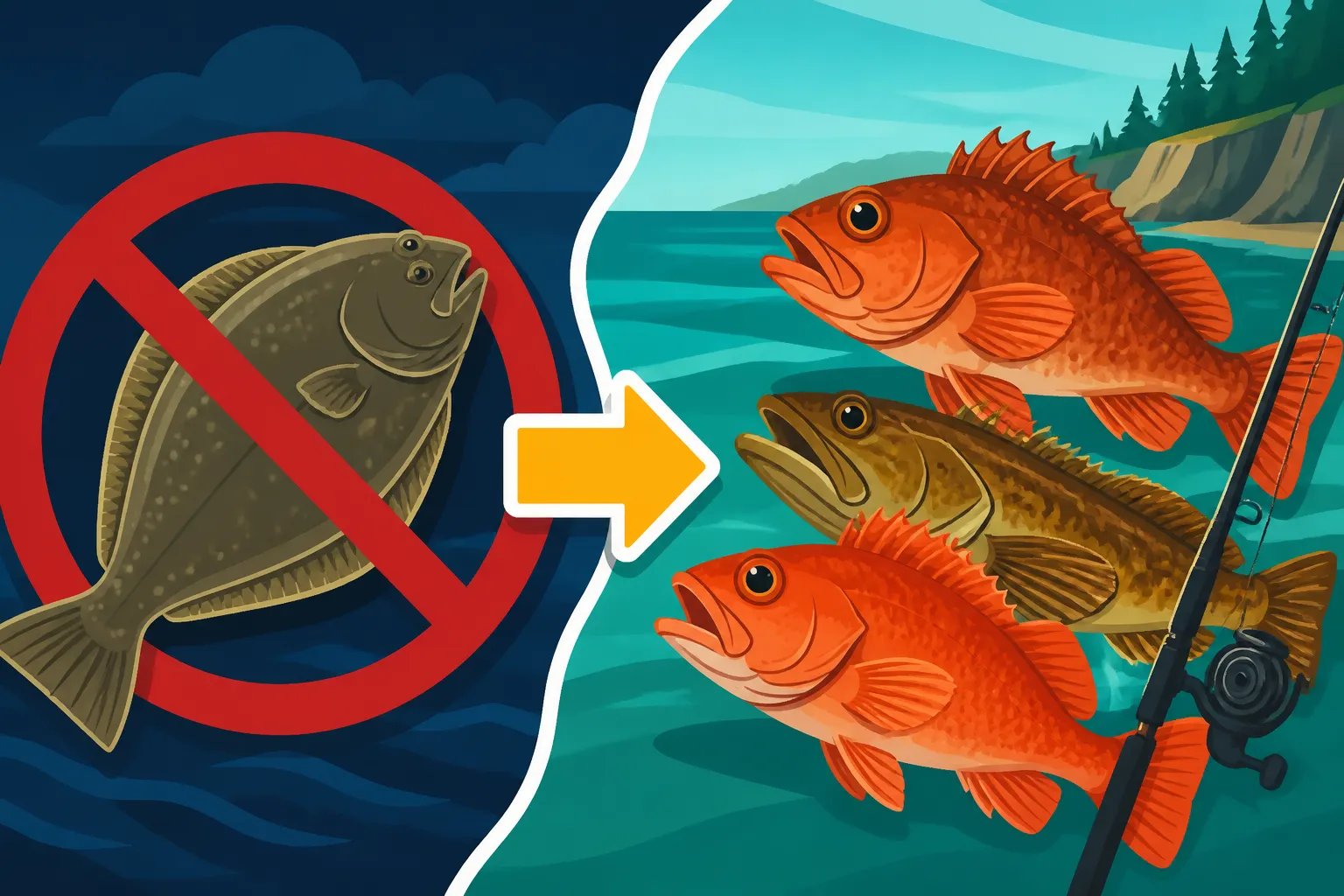
When halibut close, many charter boats and private anglers pivot immediately to bottom fishing. This is a hugely popular and often very productive activity along the entire Oregon coast, especially out of ports like Newport, Depoe Bay, and Garibaldi. You'll need to make sure you have your Oregon Ocean Endorsement if you plan to partake in any ocean fishing activities, as it's a critical add-on to your angling license.
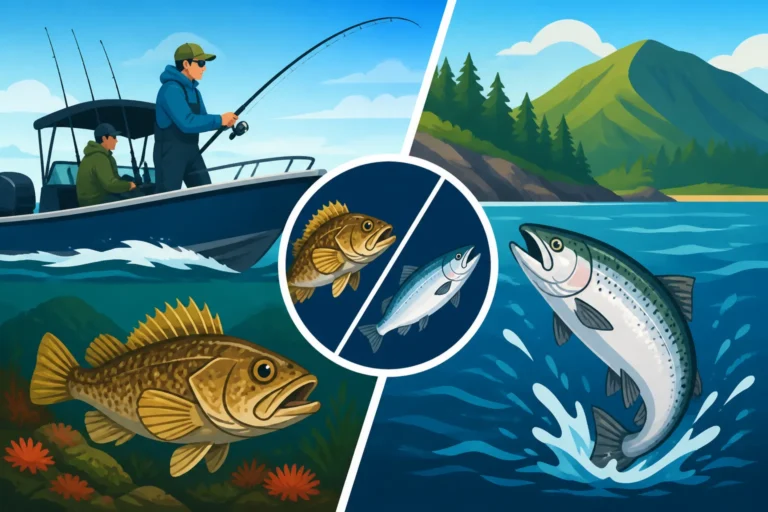
- Rockfish: Oregon's waters are home to a vibrant array of rockfish species, including Black Rockfish, Vermilion Rockfish, Canary Rockfish, and China Rockfish. They're often found around rocky reefs, kelp beds, and submerged structures. These fish are generally very aggressive feeders, making for consistent action. Jigging with artificial lures like lead-head jigs dressed with plastic grubs, or using bait such as squid or herring on a dropper loop rig, are common and effective techniques. Rockfish are not only fun to catch, but they also make for some of the best eating fish in the ocean—their white, flaky flesh is a culinary delight.
- Lingcod: Often found in the same rocky habitats as rockfish, lingcod are true bottom dwellers and voracious predators. They can grow quite large, offering a powerful fight and a significant challenge. These toothy fish love to ambush prey, and big jigs, swimbaits, or live bait (if allowed and available) are often the ticket. Landing a chunky lingcod is incredibly rewarding, and like rockfish, they provide excellent fillets. Many anglers specifically target lingcod because of their sporting qualities and superb taste. When the halibut bite slows or the season closes, targeting these robust bottom dwellers can turn a potentially disappointing day into an incredibly successful one.
Chasing Salmon on the Pacific
Oregon is synonymous with salmon fishing, and while halibut season might have a specific window, there are often overlapping or subsequent opportunities for various salmon species. Depending on the time of year your halibut trip was planned, you might be able to shift your focus to Chinook (King) or Coho (Silver) salmon.
- Chinook Salmon: These are the largest and most sought-after Pacific salmon. While spring Chinook runs might be ending or already closed by the time halibut season is in full swing, there's often a robust fall Chinook fishery, particularly on the lower Columbia River or in coastal bays like Tillamook Bay or Yaquina Bay. Trolling with bait such as herring or anchovies, or using large spinners and plugs, are common Oregon Salmon Fishing Techniques. The fight of a Chinook is legendary, and successfully landing one is an exhilarating experience.
- Coho Salmon: Coho salmon, often called silvers, are known for their acrobatic fights and aggressive strikes. Their runs typically occur later in the summer and into fall, often overlapping with or extending beyond halibut opportunities. Coho are frequently found closer to shore and can be caught trolling flashers and hoochies, or with mooching techniques. They offer consistent action and are another fantastic eating fish. If your charter captain has the gear and expertise for salmon, this can be an excellent pivot, offering a different kind of challenge and a chance to fill your cooler with chrome-bright fish.
Crabbing and Shellfishing: A Different Kind of Harvest
Sometimes, the best backup plan isn't about switching one fish for another, but about embracing a completely different type of coastal harvest. Crabbing and clamming are incredibly popular activities on the Oregon coast, often requiring a relatively small amount of specialized gear and offering a unique, delicious reward. Make sure you've acquired your Oregon Shellfish License before heading out.
- Dungeness Crabbing: This is a quintessential Oregon coastal experience. Dungeness crabs are plump, sweet, and abundant in many bays and estuaries. You can drop crab pots from a boat, or even from many public docks and piers. The best Oregon Crabbing Season Timing often extends through much of the year, with peaks usually in late summer and fall. Imagine pulling up a pot overflowing with legal-sized Dungeness crabs – it’s an absolute thrill! Many charter operations offer combo trips, where you can fish for a few hours and then check crab pots on the way back in. It's a fantastic, family-friendly activity that promises a gourmet meal.
- Clamming: Depending on the tides and specific beach closures, clamming for bay clams (like cockles, butter clams, or littlenecks) in estuaries or razor clams on open ocean beaches can be a fun and productive alternative. Razor clamming, in particular, is a beloved tradition on certain beaches like Seaside and Nehalem. It requires a clam gun or shovel and a keen eye for "shows" (small indentations or dimples in the sand left by clams). Always check ODFW regulations for open areas and potential biotoxin closures before you go, as conditions can change rapidly. Both crabbing and clamming offer a rewarding, hands-on experience and a fresh seafood feast that can easily rival a halibut dinner.
River and Freshwater Adventures: A Change of Pace
If the ocean isn't cooperating or you're just looking for a completely different angling experience, Oregon's vast network of rivers and lakes offers incredible freshwater opportunities that can serve as excellent backup trips. These can provide a calmer, often more scenic fishing experience, a stark contrast to the open ocean.
Steelhead Fishing: The Ultimate Freshwater Challenge
Oregon is a mecca for steelhead fishing, and depending on the time of year, you could be chasing summer or winter runs in various rivers across the state. These sea-run rainbow trout are legendary for their powerful runs and aerial acrobatics. If your halibut trip was slated for the warmer months, you might transition to Oregon Steelhead Fishing Techniques on rivers like the Deschutes or Rogue for summer steelhead.
- Summer Steelhead: These fish enter rivers in late spring and summer, often holding in cooler, deeper pools before spawning in winter. Fly fishing, especially swinging flies or nymphing, is popular on many rivers, but drift fishing with bait or artificials can also be highly effective. The Deschutes River, for example, offers a world-class summer steelhead fishery. Hooking into a wild summer steelhead in a pristine river setting is an unforgettable experience, combining patience, skill, and raw power.
- Winter Steelhead: If your halibut trip was planned for the cooler months, winter steelhead provide another incredible challenge. These fish enter coastal rivers like the Nestucca, Wilson, or Alsea from late fall through spring. They are often larger and more powerful than their summer counterparts. Techniques include drift fishing with roe or yarn, float fishing jigs, or casting plugs. A successful winter steelhead trip is a badge of honor for many Oregon anglers, a testament to enduring cold weather and challenging conditions for an incredible prize.
Sturgeon Fishing on the Columbia River
For those who love the idea of battling a truly massive fish, white sturgeon fishing on the Columbia River is an unparalleled experience that can definitely serve as a stellar backup trip. These prehistoric giants can live for over 100 years and grow to incredible sizes, offering an epic tug-of-war that you won't soon forget. You'll want to check out our Oregon Sturgeon Guide for more details.
- Catch and Release Focus: While there are limited retention seasons for sturgeon in specific zones of the Columbia River, much of the fishery is catch-and-release, especially for the larger "trophy" fish. This means you can still experience the thrill of hooking and fighting one of these magnificent creatures, even if you can't take it home for dinner. The emphasis is on safe handling and quick release to ensure their survival.
- Techniques and Gear: Sturgeon are typically targeted by anchoring a boat in a prime location and fishing with heavy tackle on the bottom, using strong currents to disperse scent. Baits like smelt, herring, squid, or even lamprey can be incredibly effective. The bites can be subtle, but once hooked, a large sturgeon will test your tackle and your stamina. Many anglers choose to hire a guide for their first sturgeon trip, as local knowledge of spots and proper handling techniques is invaluable. Many specialized Sturgeon Guide Trips on the Columbia are available and can be a perfect alternative if your ocean plans fall through.
Trout Fishing in Oregon's Lakes and Rivers
Sometimes, a peaceful day of trout fishing is exactly what the doctor ordered, especially after the stress of a cancelled ocean trip. Oregon boasts an abundance of lakes and rivers teeming with various trout species, offering accessible and often highly productive fishing.
- Stocked Lakes and Ponds: Many lakes and community ponds across Oregon are regularly stocked with rainbow trout, providing excellent opportunities for anglers of all skill levels, including families and beginners. Lakes like Henry Hagg Lake, Diamond Lake, or smaller ponds near urban centers are great examples. PowerBait, worms, or small spinners are usually very effective. This is a relaxed way to enjoy the outdoors and guarantee some action. You can learn more about techniques in our Oregon Trout Fishing Techniques guide.
- Wild Trout Rivers: For a more challenging and rewarding experience, Oregon's countless rivers and streams hold healthy populations of wild rainbow trout, cutthroat trout, and sometimes even brown trout or brook trout. Rivers like the Metolius, Crooked River, or high mountain streams in the Cascades offer stunning scenery and a chance to hone your fly-fishing skills. These waters often require more technical approaches, such as delicate fly presentations or precise lure placement, but the reward of a wild, stream-bred trout is unmatched. It's a wonderful way to connect with Oregon's natural beauty and find a tranquil escape from any fishing plan upsets.
Planning Your Backup Trip and Finding a Charter
Salvaging a fishing trip after an early halibut closure is all about being flexible and knowing where to look for alternatives. It can be frustrating, but with a bit of quick thinking, you can turn a potential disappointment into a new and exciting adventure.
Flexibility is Key
The most important aspect of a successful backup plan is flexibility. Your original halibut charter might be able to pivot to a different species, like rockfish or salmon, if their vessel and crew are equipped for it. Don't be shy about asking them what other trips they offer. Sometimes, they might even have connections with other captains who specialize in different fisheries.
However, sometimes the calendar just doesn't line up, or your chosen charter only does halibut. This is where your preparedness comes in. Think about what kind of fishing you're open to. Are you willing to go freshwater? Are you set on staying on the ocean, even for a different species? Having an open mind about the type of fishing, and even the location (e.g., shifting from the central coast to the Columbia River), will greatly increase your chances of finding a great alternative.
Booking a Backup Charter
If your original charter can't accommodate a new plan, or if you prefer a different specialist for an alternative species, you'll need to find a new booking. This can feel daunting under pressure, but there are excellent resources available.
Many anglers turn to online booking services when faced with an unexpected change. Platforms like FishingBooker are incredibly helpful because they allow you to search for charters by location, date, and target species. You can quickly see which captains have availability and what kind of trips they offer, whether it's bottom fishing out of Newport, salmon trolling from Astoria, or even a sturgeon trip on the Columbia. FishingBooker provides details on what's included, reviews from other anglers, and often allows for instant booking, which is crucial when you're trying to re-book last minute. It streamlines the process and connects you with a wide range of reputable operators. Don't hesitate to use these tools to quickly scout options. If you prefer a more personal touch, calling bait shops in various coastal towns or along prominent rivers can also yield great results, as they often know which local guides are available. Searching on a site like FishingBooker can give you a quick overview, and then you can call specific captains to discuss your needs.
Essential Gear for Adaptability
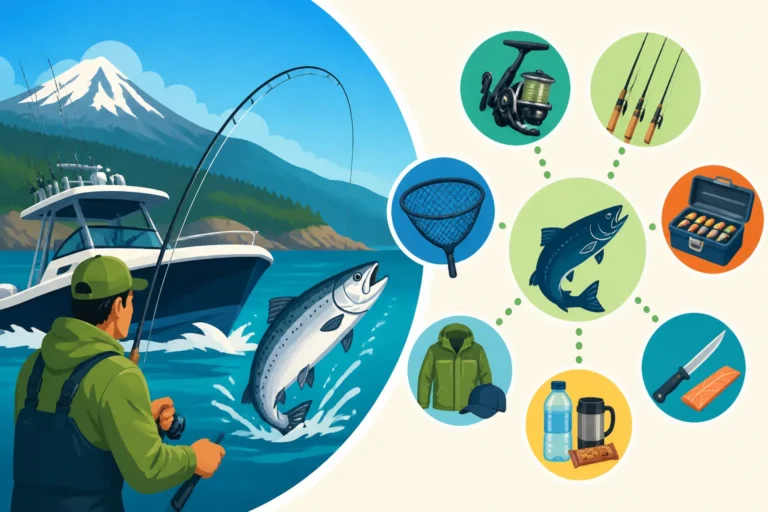
One of the benefits of ocean fishing in Oregon is that some of your gear might actually be transferable between species. If you were prepared for halibut, you likely have heavy-duty rods and reels suitable for large fish, which can be easily adapted for lingcod, big rockfish, or even heavy salmon setups.
- Bottom Fishing: For rockfish and lingcod, your heavy halibut setup can often work, though you might want slightly lighter jigs or different bait rigs. Most charters provide all necessary tackle, but having your own familiar gear can be a comfort.
- Salmon Fishing: While halibut gear can be a bit overkill, it can still work for large Chinook. However, for a more specialized and enjoyable experience, a medium-heavy rod and reel spooled with braided line is ideal for trolling or mooching for salmon. Again, charters usually provide these.
- Freshwater: If you're heading to the rivers for steelhead or trout, you’ll definitely need different gear. A medium-action spinning rod or a fly rod for steelhead, and a lighter setup for trout, would be appropriate. This might require a trip to a local tackle shop if you don't already have freshwater gear.
The key is to discuss gear with your chosen charter or guide when booking. They will either provide everything you need or advise you on what to bring. Using platforms like FishingBooker to research guide offerings can help clarify what's included and what you might need to bring yourself, ensuring you're fully prepared for whatever Oregon's waters have in store, even if it wasn't your original plan.
| Alternative Species/Activity | Typical Season | Primary Location | Key Gear | Why It's a Great Backup |
|---|---|---|---|---|
| Rockfish & Lingcod | Year-round | Oregon Coast | Heavy rod, jigs, bait | Abundant, aggressive, great eating, often similar boat setup to halibut |
| Chinook Salmon | Late Summer/Fall | Coastal Bays, Columbia River | Trolling gear, bait, plugs | Large, powerful fight, prized table fare |
| Coho Salmon | Summer/Fall | Nearshore Ocean, Coastal Bays | Trolling gear, flashers, hoochies | Abundant, acrobatic, excellent eating |
| Dungeness Crabbing | Year-round | Estuaries, Coastal Bays | Crab pots, bait, rope | Fun, delicious, family-friendly, accessible from shore/docks |
| Steelhead | Summer/Winter | Major Rivers (Deschutes, Rogue, Coastal Rivers) | Fly rod or spinning/drift rod, specific lures/bait | Challenging, scenic, iconic Oregon freshwater experience |
| White Sturgeon | Year-round (seasonal retention) | Columbia River | Heavy rod, robust reel, bottom bait | Epic fight, ancient species, unique trophy photo opportunity |
| Trout (Rainbow, Cutthroat) | Year-round (best in Spring/Fall) | Lakes, Rivers, Ponds | Light spinning or fly rod, bait, small lures | Accessible, relaxing, great for all skill levels |
Disclaimer
This article is for general informational purposes only and does not constitute professional advice. Laws, prices and regulations vary by location and change over time. Consult a qualified professional for guidance on your specific situation.