How much fish can you bring home from an Oregon charter
Alright, let's talk about one of the most exciting parts of any fishing trip – bringing home some fresh catch! It's a question that trips up a lot of anglers, even seasoned ones, because the rules aren't always straightforward. When you book an Oregon fishing charter, you're not just going out for a boat ride; you're hoping to fill a cooler, right? But exactly how much fish you can bring back to your kitchen table or the smoker depends on a mix of state regulations, federal rules for ocean species, and even the specific policies of your charter boat. This guide will walk you through the ins and outs, so you know what to expect and how to maximize your take-home bounty legally and responsibly.
Decoding Oregon's Fishing Regulations: What You Can Keep
The first thing to understand is that the amount of fish you can bring home isn't decided by the charter captain, but by Oregon's extensive fishing regulations and, for some ocean species, federal guidelines. These rules are put in place by the Oregon Department of Fish and Wildlife (ODFW) and are designed to protect fish populations and ensure sustainable fishing for generations to come. It can feel like a labyrinth sometimes, with different rules for different species, different areas, and even different times of the year.
General Rules for Common Species
Oregon waters, both freshwater and saltwater, are teeming with a variety of sought-after species, each with its own set of rules regarding how many you can keep per day and often, per season. Charter boats typically target specific species depending on the season and location, such as salmon, halibut, tuna, lingcod, and rockfish on the coast, or sturgeon and salmon in the Columbia River.
For salmon, particularly Chinook and coho, limits can vary significantly. You might find a daily limit of one or two hatchery-marked salmon, with strict prohibitions or different limits on wild fish. Oregon Salmon Species Guide can give you a deeper dive into these magnificent fish. Halibut, a prized bottomfish, often has a very restrictive daily limit, sometimes just one fish, and may only be open on specific days or for limited seasons to manage the fishery. Tuna, especially albacore, tend to have more generous limits, reflecting their migratory nature and robust populations further offshore. Bottomfish like lingcod and various rockfish species also have daily bag limits, often a combination of different species up to a total number. It’s crucial to know that these limits aren't just suggestions; they are legally binding, and your charter captain is obligated to ensure everyone on board complies.
Distinguishing Wild vs. Hatchery Fish
One of the most critical distinctions in Oregon fishing regulations, especially for salmon and steelhead, is between wild and hatchery-reared fish. Many regulations are designed to protect wild, naturally spawning populations while allowing harvest of hatchery fish, which are produced to supplement fisheries.
Hatchery fish are typically identified by a missing adipose fin, a small fleshy fin located on the fish's back between the dorsal fin and the tail. This "fin-clip" is done when the fish are young. If a fish you catch has an intact adipose fin, it's considered wild and, in many cases, must be immediately released unharmed. For example, in many rivers, the retention of wild steelhead is strictly prohibited, while hatchery steelhead might have a daily limit. This is why you'll often hear charter guides instruct anglers to check for fin clips as soon as a fish comes aboard. Failure to properly identify and release a wild fish can result in significant penalties, not just for the angler but potentially for the charter operator as well. Understanding Oregon Steelhead Guide and Oregon Salmon Fishing Techniques will clarify these critical distinctions further.
Size Restrictions and Slot Limits
Beyond daily bag limits, many species also have size restrictions or "slot limits." A minimum size limit means the fish must be at least a certain length to be legally kept. For instance, a small salmon might need to be released if it hasn't reached the minimum legal size. Conversely, a maximum size limit might mean that oversized fish, often large, mature breeding stock, must also be released.
Slot limits are a bit more nuanced. They specify a range of sizes within which fish can be kept. For example, sturgeon fishing on the Columbia River famously employs a slot limit, where fish that are too small or too large must be released, protecting both juvenile fish and the large, reproductive adults. Oregon Sturgeon Guide delves into the specifics of these majestic fish and their unique regulations. These size and slot limits are paramount for managing fish populations, ensuring that enough fish survive to spawn and that younger fish have a chance to grow. Charters will have measuring devices readily available, and guides are skilled at quickly and accurately determining if a fish is within the legal slot. Any fish outside the legal size must be released immediately and carefully to maximize its chances of survival.
| Species (Example) | Typical Daily Limit | Common Size Restrictions | Notes |
|---|---|---|---|
| Chinook Salmon | 1-2 hatchery | Min. 24-inch (variable) | Wild often Catch & Release; Check fin clip |
| Coho Salmon | 1-2 hatchery | Min. 16-inch (variable) | Wild often Catch & Release; Check fin clip |
| Pacific Halibut | 1 (seasonal/days) | Min. 32-inch | Highly regulated, specific seasons/days |
| Lingcod | 2 (variable) | Min. 22-inch | Aggregate limits with other bottomfish |
| Black Rockfish | 5-10 (variable) | None generally | Aggregate limits with other bottomfish |
| Albacore Tuna | Very generous (e.g., 25) | None generally | Offshore species, limits can vary |
| White Sturgeon | 0-1 (seasonal/area) | Slot limit (e.g., 44-54 inch fork length) | Mostly Catch & Release, very limited retention |
Note: These are illustrative examples. Actual limits and seasons change frequently. Always consult the current Oregon Department of Fish and Wildlife (ODFW) regulations before fishing.
The Role of Your Charter: Catch, Cleaning, and Care
Your fishing charter plays a significant role not just in finding fish, but also in ensuring that what you catch is handled correctly, adheres to all regulations, and is prepared for your journey home. When booking a trip, especially through platforms like FishingBooker, it's always a good idea to check what their specific policies are regarding fish handling and processing.
Onboard Cleaning and Filleting Services
Most reputable Oregon fishing charters offer fish cleaning and filleting as part of their service, though some might charge a small additional fee. This is a huge convenience, as butchering a large salmon or halibut on a rocking boat is not something most anglers are equipped or experienced to do!
Once a legal fish is caught and kept, the deckhands or captain will typically bleed the fish immediately. This is a crucial step for quality, as it helps preserve the flavor and texture of the meat. Later, often at the dock after the trip, they will clean and fillet your fish. For larger fish like halibut or salmon, this usually means separating the meat from the bones and skin, leaving you with ready-to-cook fillets. Smaller fish, like some rockfish, might be left whole and gutted. When you're looking for Oregon Fishing Charter Guide options, don't hesitate to ask about their cleaning policies. This service not only saves you a lot of messy work but also ensures the fish is processed hygienically and efficiently, ready for transport.
Charter Boat Responsibilities vs. Angler Responsibilities
While the charter crew handles the logistics of fishing and initial processing, anglers still have important responsibilities. Firstly, it is your responsibility to possess a valid Oregon fishing license and any necessary tags or endorsements for the species you intend to keep. This includes an Oregon Combined Angling Tag Guide for certain salmon, steelhead, and sturgeon, and an Oregon Ocean Endorsement if you're fishing in marine waters beyond the immediate bay. Your captain will expect you to have these in order, and game wardens can check any angler at any time.
Secondly, you are responsible for understanding and adhering to the bag limits. While the crew will guide you, it's ultimately your catch. If you've already kept your limit of a certain species, you must release any subsequent catches of that species, even if they are legal size. Many charters enforce "one-and-done" rules for individual anglers once their limit is met for a particular prized fish. The captain and crew's primary responsibility is to ensure the vessel and all individuals comply with regulations to avoid fines or losing their license, so they will be strict.
Pooling Limits and Group Catches
A common question is whether you can "pool" your limits with other anglers on the boat. In Oregon, daily bag limits are typically per individual angler, not per boat. So, if the daily limit for salmon is two hatchery fish, and you catch two, your limit is met. You cannot then claim a fish caught by another angler who hasn't reached their limit, unless specific rules for that species or fishery allow it (which is rare for daily limits).
However, when fish are filleted and mixed on the boat, it can sometimes be difficult to distinguish whose fish is whose. Most charters will bag and label each angler's catch separately to avoid confusion and ensure individual limits are verifiable. Some charters, particularly on multi-day tuna trips, might pool fish for processing if all anglers agree, but they must still ensure the total number of fish kept does not exceed the sum of individual legal limits. Always clarify this with your charter beforehand. Platforms like FishingBooker allow you to filter charters by the type of trip, and you can usually find details on their catch policy in the description or by contacting them directly.
Beyond the Boat: Preparing Your Catch for the Journey Home
Once your charter pulls back to the dock and your fish are cleaned and filleted, the work isn't quite over. How you handle your fresh catch from this point on will determine its quality when it finally reaches your dinner plate. Proper care is key, especially if you have a long drive home.
Packing Your Fish for Travel
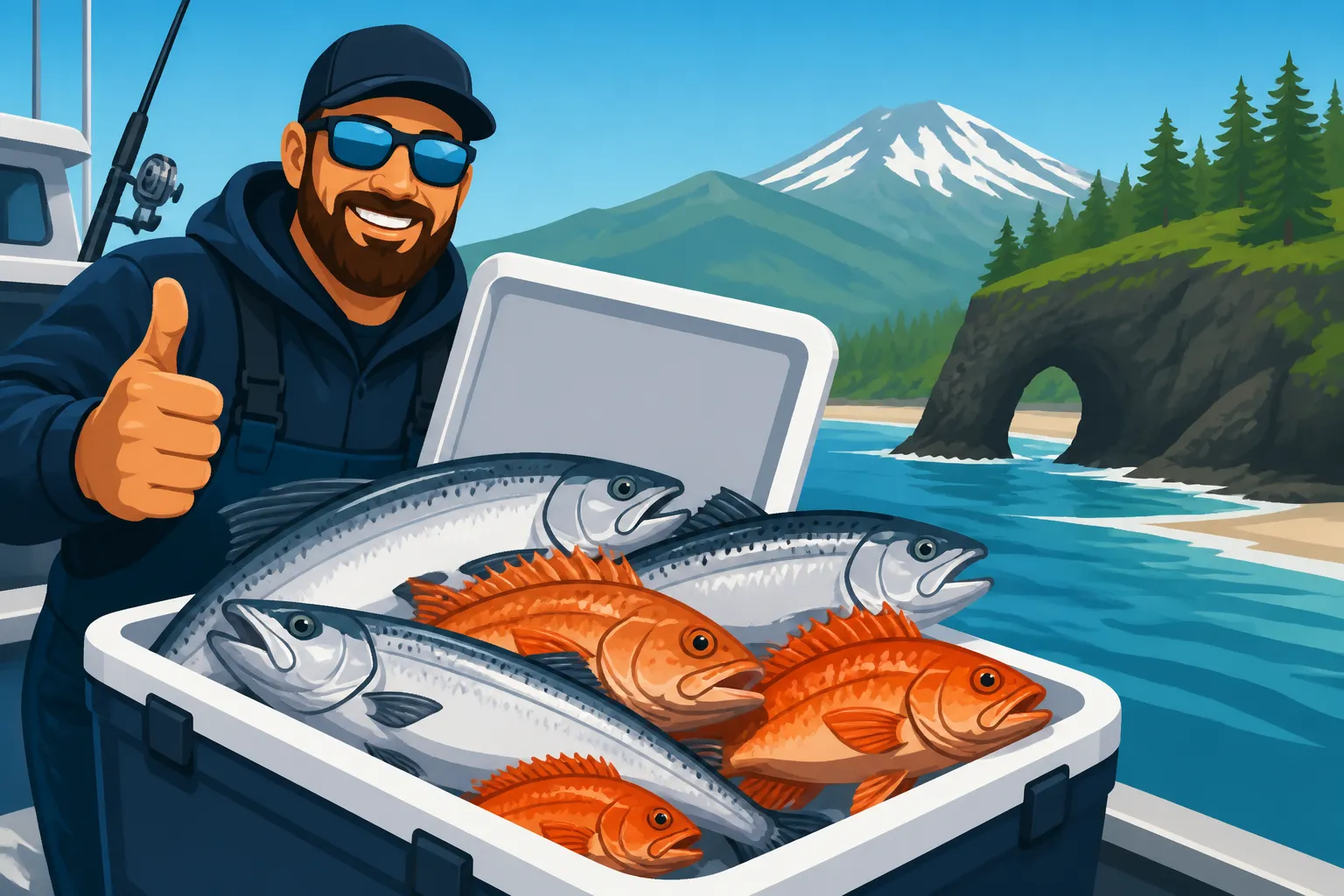
Your charter boat will typically put your filleted fish into plastic bags. From there, it's up to you to keep it cold. A good quality cooler packed with plenty of ice is essential. You want to ensure the fish is completely surrounded by ice, not just sitting on top. Layering ice, fish, and more ice is a great strategy. If you're staying overnight in the area, transfer the fish to a refrigerator or freezer as soon as possible.
For those with a longer drive, consider freezing solid water bottles or ice packs in advance to supplement your loose ice. Some anglers even bring Ziploc bags to double-bag their fillets before putting them on ice, further protecting them from meltwater. For very long journeys, or if you plan to keep your fish for an extended period, flash freezing or vacuum sealing services might be available near popular port towns like Newport or Astoria.
Home Processing and Storage
Once you get home, the clock is ticking on freshness. If you plan to eat the fish within a day or two, simply refrigerate it. For longer storage, freezing is your best friend. Vacuum sealing is highly recommended for freezing fish, as it removes air and prevents freezer burn, preserving quality for months. If you don't have a vacuum sealer, wrap individual fillets tightly in plastic wrap, then in foil, and place them in freezer-safe bags.
Remember, fish quality degrades over time, even in the freezer. Aim to consume frozen fish within 3-6 months for best flavor and texture. Labeling your packages with the date and species will help you keep track. Proper storage ensures that the delicious fish you worked hard for on your Oregon Salmon Fishing Techniques or How to Fish for Halibut off the Oregon Coast trip remains a fantastic meal weeks or months later.
Smart Strategies for a Successful Take-Home Trip
Heading out on an Oregon fishing charter is an investment in time, money, and excitement. To make sure you get the most out of it, especially in terms of bringing home a good haul, a little preparation and understanding go a long way.
Booking the Right Charter for Your Goals
Not all charters are created equal, and some specialize in certain types of trips. When you’re planning your outing, think about what you really want to achieve. Are you focused purely on catching the biggest fish, even if it means catch-and-release? Or is filling the freezer your main objective?
When browsing options, perhaps on a service like FishingBooker, pay attention to the species they target and their typical success rates. Some charters might focus on tuna, where limits are usually high, meaning you're likely to bring home a lot of fish. Others might specialize in halibut, which has much stricter limits, but offers a highly prized trophy. If you’re a beginner, a charter that emphasizes instruction and helps with fish handling might be a better fit. Don't be shy about calling the charter directly to ask about their average take-home limits for recent trips, or if they offer specific cleaning services that cater to your needs.
Understanding Catch-and-Release vs. Retention Trips
While many anglers want to keep their catch, not every trip is solely focused on retention. Some fisheries, particularly for wild steelhead or sturgeon, are largely or entirely catch-and-release by regulation. Oregon Catch-and-Release Rules are very specific and designed to protect vulnerable populations. If you book a trip for these species, understand that the thrill is in the fight and the release, not in the fillets.
Even on retention-focused trips, you might find yourself releasing fish if they are undersized, oversized, or wild when only hatchery fish can be kept. Embrace this as part of responsible angling. A good charter guide will explain all these nuances throughout the day, ensuring you understand why certain fish are kept and why others must be returned to the water unharmed. This balance helps maintain healthy fisheries for everyone.
What to Expect from a Successful Trip
A "successful" trip isn't always measured solely by the weight of your cooler, though that's certainly a bonus! It also includes the experience itself. However, when it comes to bringing home fish, being prepared can help you maximize your opportunities. Make sure you have the correct and current Oregon Fishing License Guide and any required tags or endorsements before you step on the boat. Having a large, well-insulated cooler ready in your vehicle is paramount for keeping your cleaned fish fresh for the drive home.
While charter captains work incredibly hard to put you on fish, fishing is fishing – there are no guarantees. Weather, ocean conditions, and fish behavior can all impact the bite. A successful trip means adhering to all regulations, learning from your guide, enjoying the stunning Oregon scenery, and hopefully, bringing home some delicious, legally caught fish within the established Oregon Daily Bag Limits Explained. Be realistic with your expectations, communicate openly with your charter, and you'll be set for a fantastic day on the water and a tasty reward at the end.
Disclaimer
This article is for general informational purposes only and does not constitute professional advice. Laws, prices and regulations vary by location and change over time. Consult a qualified professional for guidance on your specific situation.