Best guide service for first-time steelhead anglers
Trying your hand at steelhead fishing in Oregon can feel like walking into a labyrinth, especially for the very first time. You've heard the legends of these powerful, ocean-going rainbow trout, but the reality of pursuing them—with all the specialized gear, nuanced techniques, and ever-changing river conditions—can be daunting. This guide will walk you through exactly what to look for in a guide service to ensure your first steelhead adventure is not just successful, but genuinely enjoyable and educational.
Why a Guide is Absolutely Essential for First-Time Steelhead Anglers
Let's be real: steelhead fishing isn't like casting a worm into a local pond for panfish. It's a whole different beast, and trying to go it alone as a complete novice can lead to frustration, wasted time, and perhaps even some safety concerns on unfamiliar waters. A knowledgeable guide is not just a luxury; for your first steelhead experience, they're practically a necessity. They bridge the gap between your enthusiasm and the complex realities of the river.
Navigating Complex Regulations and Specific Water Rules
Oregon's fishing regulations are extensive, and rightfully so, designed to protect these precious fish populations. But deciphering the annual synopsis can feel like reading a legal document, especially when specific rivers or even stretches of river have their own unique rules. For example, some sections might be fly-fishing only, while others have barbless hook requirements or specific gear restrictions. There are often distinct rules for wild versus hatchery steelhead, and knowing the difference can be critical, as many wild fish are strictly catch-and-release. A guide lives and breathes these regulations. They know the subtle nuances that a first-timer would undoubtedly miss, ensuring you stay compliant and avoid potential Oregon Fishing Violations and Penalties. They'll make sure you have the correct Oregon Fishing License Guide and any necessary endorsements or tags, like the Oregon Combined Angling Tag Guide.
Imagine showing up to a prime steelhead run on the Deschutes River, only to realize your tackle isn't legal for that specific stretch, or worse, you mistakenly keep a wild fish in a hatchery-only zone. These are real scenarios that can ruin a trip and lead to fines. A guide ensures you're always fishing within the bounds, allowing you to focus solely on the experience. They understand the different Oregon Fishing Zones Explained and how they apply to steelhead.
Learning Specialized Techniques and Gear
Steelhead fishing employs highly specialized techniques that take years to master. Whether it's drift fishing with roe or various baits, swinging flies with a two-handed spey rod, float fishing with jigs, or even side-drifting from a boat, each method has its own intricacies. As a first-timer, you likely don't have all the specialized rods, reels, lines, and terminal tackle required, let alone the know-how to use them effectively.
A guide comes fully equipped with top-tier gear, often rigged specifically for the day's conditions and target species. More importantly, they are expert instructors. They'll patiently teach you the proper casting techniques, how to read water, detect subtle bites, and safely land and release these powerful fish. This hands-on instruction is invaluable. Instead of struggling with tangled lines and incorrect presentations, you'll be learning from a pro, maximizing your chances of hooking into a chrome bright steelhead. Think of it as a personalized masterclass in Oregon Steelhead Fishing Techniques.
Accessing Prime, Often Hard-to-Reach, Spots
Many of Oregon's best steelhead runs are found in remote, challenging terrain, or require specific boat access. Rivers like the Rogue or the Deschutes have stretches that are best fished from a drift boat, allowing anglers to cover miles of productive water that would be inaccessible to wade fishermen. Even for bank access, a guide knows the secret trails, the private access points, or the public stretches that consistently hold fish and aren't overrun with other anglers.
Without a guide, a beginner might spend hours driving around, trying to find river access, only to end up in unproductive or overcrowded areas. A guide, with their intimate knowledge of the river systems, will take you directly to the spots where steelhead are likely holding, significantly increasing your odds of success. They know the subtle currents, the hidden seams, and the deep pools where steelhead rest, providing an unparalleled advantage. This is especially true on famous rivers like the Deschutes River Fishing Guide or the Rogue River Fishing Guide, where local knowledge is key.
Key Qualities of a Great Guide for First-Time Steelhead Anglers
Choosing the right guide isn't just about finding someone who knows how to fish; it's about finding an educator, a coach, and someone who understands the unique needs of a beginner. Your first steelhead experience should be positive, empowering, and safe.
Patience and Teaching Ability Above All Else
For a first-timer, patience is perhaps the most important trait a guide can possess. You're going to make mistakes. You'll likely tangle your line, make awkward casts, miss bites, or perhaps even lose a fish. A great guide won't get frustrated; they'll calmly explain what went wrong, offer tips for improvement, and celebrate every small victory. They understand that teaching is part of their job, especially with novices.
Look for guides who explicitly mention their love for teaching and their experience with beginners in their descriptions or reviews. This indicates they're not just focused on putting a fish in the boat for experienced clients, but on cultivating a positive learning environment. They should be able to break down complex techniques into understandable steps, adjust their teaching style to fit your learning curve, and provide constant, encouraging feedback. A guide who prioritizes the learning experience will turn potential frustration into valuable lessons.
Knowledge of Beginner-Friendly Techniques and Gear
While steelhead fishing can be complex, there are often simpler, yet still effective, techniques that are perfect for beginners. A good guide for a first-timer will lean into these methods, rather than immediately throwing you into advanced spey casting if you've never held a fly rod. This might mean starting with float fishing with a jig or bait, which can be easier to learn and still highly effective. They'll also explain the "why" behind their gear choices, helping you understand how different rods, reels, and lines perform.
The guide should have a variety of setups on hand and be able to explain the pros and cons of each for a beginner. They should be able to equip you with tackle that is forgiving yet capable of handling a powerful steelhead, building your confidence rather than overwhelming you with highly technical equipment. Their goal should be to get you comfortable and confident, not just proficient. This includes knowing which Oregon Steelhead Fishing Techniques are best for someone just starting out.
Focus on the Experience, Not Just the Catch
While catching a steelhead is undoubtedly the ultimate goal, a truly great guide for a beginner understands that the overall experience matters just as much, if not more. They'll emphasize the beauty of the river, the wildlife you might encounter, and the thrill of the chase, even if the fish aren't biting aggressively. They'll share stories, educate you on steelhead biology and conservation, and make the day enjoyable regardless of the fish count.
A guide focused solely on "numbers" can create undue pressure, which is counterproductive for a first-time angler who should be soaking in every moment. Look for guides who talk about the journey, the challenge, and the joy of being on the water. Read reviews that highlight guides who were patient, fun, and made the trip memorable even without a record catch. An excellent guide will make you feel like a successful angler just for being out there and learning, making you eager for your next trip, regardless of the outcome of your first.
Safety Protocols and Professionalism
Oregon rivers, especially during steelhead runs, can be cold, swift, and potentially hazardous. A professional guide prioritizes safety above all else. This means having all necessary safety equipment on board (life jackets, first aid kit, communication devices), having a clear safety briefing, and being adept at navigating river currents and potential obstacles.
Beyond physical safety, professionalism extends to punctuality, clear communication, and respecting the environment. Your guide should be licensed by the state of Oregon, if applicable for their operation, and carry proper insurance. Don't hesitate to ask about their safety procedures and credentials when booking. A guide who takes safety seriously and operates with integrity provides peace of mind, allowing you to fully relax and enjoy your adventure on the water. Always ask about their plan for unexpected weather or river conditions, as Oregon Fishing Seasons Explained can involve rapid changes.
Proper Licensing and Insurance
It might sound like a minor detail, but ensuring your guide is properly licensed and insured is non-negotiable. In Oregon, fishing guides operating commercially are often required to hold specific licenses and permits. This isn't just bureaucracy; it ensures they meet certain safety standards, are knowledgeable about regulations, and carry liability insurance. Fishing with an unlicensed or uninsured guide could leave you unprotected in case of an accident.
A reputable guide will be transparent about their credentials and often display them on their website or booking profiles. If you're using a booking platform like FishingBooker, they typically verify guide licenses and insurance, adding an extra layer of confidence. Don't be afraid to ask for proof of licensure and insurance directly. It's about your safety and peace of mind on the water.
How to Find and Book the Right Guide for Your First Steelhead Trip
Once you know what to look for, the next step is actually finding that perfect guide. The good news is, Oregon has a vibrant guiding community, but knowing where to start your search can make all the difference.
Online Platforms and Directories
In today's digital age, online platforms are a fantastic starting point. Websites like FishingBooker specialize in connecting anglers with reputable guides and charters worldwide, including throughout Oregon. These platforms often feature detailed profiles for each guide, including their specialties, photos of their boats and catches, availability, and, most importantly for beginners, customer reviews.
| Feature | Benefit for First-Time Anglers |
|---|---|
| Detailed Profiles | Learn about guide's experience, teaching style, and focus. |
| Customer Reviews | Read feedback, especially from other beginners, about guide's patience and instruction. |
| Specialization | Easily find guides who explicitly cater to steelhead fishing and beginner trips. |
| Availability | Check dates and book online, simplifying the planning process. |
| Verified Licenses | Many platforms (like FishingBooker) confirm guide credentials for safety. |
| Communication Tools | Often include direct messaging with the guide to ask questions beforehand. |
When browsing, pay close attention to reviews that mention a guide's patience, instructional skills, and their success with novice anglers. Many guides will also list specific types of trips, such as "beginner steelhead trips" or "learn to spey cast." These are great indicators that they're geared for your needs.
Local Fly Shops and Tackle Stores
Don't underestimate the power of local knowledge! Your local fly shop or tackle store in areas renowned for steelhead, like those near the Deschutes, Rogue, or coastal rivers, are treasure troves of information. The staff there often have personal relationships with local guides and can recommend someone who specifically excels with beginners. They know who the patient teachers are, and who is currently "on the fish."
When you visit, be honest about your experience level. Tell them you're a first-timer and want a guide who is patient and instructional. They can often provide contact information, give insights into a guide's personality, and even help you understand current river conditions or what gear you might want to bring (though a good guide will provide everything needed). It's a fantastic way to get an authentic, community-vetted recommendation.
Word-of-Mouth Recommendations
If you know other anglers, especially those who have successfully fished for steelhead in Oregon, ask them for recommendations. Personal referrals carry a lot of weight. Friends or acquaintances who had a great experience with a particular guide can offer invaluable insight into their teaching style, personality, and overall guiding philosophy.
Be sure to ask specific questions about why they recommend a particular guide: "Were they patient with mistakes?" "Did they explain techniques clearly?" "Did you feel safe and comfortable?" These details are crucial for a first-timer.
Important Questions to Ask Before Booking
Before you commit to a guide, always have a list of questions ready. This helps clarify expectations and ensures you're choosing the right person for your first experience.
- "What is your philosophy on guiding beginners?" Their answer will tell you if they prioritize teaching and experience over just catching fish.
- "What techniques will we be using, and how will you teach them to me?" This helps you understand their approach and ensures it aligns with your learning style.
- "What gear do you provide, and what should I bring?" Clarify rods, reels, waders, boots, and any personal items like rain gear, snacks, or drinks.
- "What about licensing and tags? Do I need to purchase them beforehand?" Most guides expect you to have your Oregon Fishing License Guide and appropriate tags (like the Combined Angling Tag or Steelhead Tag, if applicable for the species you're targeting) ready. It's usually your responsibility, and they can't sell them to you.
- "What happens if the weather is bad or river conditions are unsafe?" Understand their cancellation or rescheduling policy.
- "What's the typical flow of the day?" Knowing what to expect from start to finish can alleviate first-time jitters.
- "Are you licensed and insured?" A simple, direct question for your peace of mind.
Understanding Different Trip Types: Wading vs. Drift Boat
Steelhead fishing trips typically fall into two main categories: wading trips or drift boat trips. Each offers a different experience, and knowing the difference can help you choose what's best for your first time.
Wading Trips:
On a wading trip, you'll fish from the riverbank or by wading into the shallows. This is often a more intimate experience, allowing you to connect directly with the water. For beginners, it can be a great way to learn casting mechanics and river navigation on foot. The guide will often spot fish or productive water, and position you for the best chance. It can be more physically demanding, requiring comfortable waders and wading boots, and the ability to move over uneven terrain. Guides specializing in How to Fly Fish in Oregon often offer wading trips for steelhead.
Drift Boat Trips:
Drift boat trips involve floating down a river in a specially designed boat, allowing access to miles of water that are inaccessible by wading. The guide rows the boat, positioning you for optimal casts into prime holding water. This can be less physically demanding, as you're fishing from the comfort of the boat, and it allows you to cover much more ground. It's excellent for learning river dynamics and understanding how steelhead utilize different types of water features. Many guides running Oregon Steelhead Guide Trips will use a drift boat, especially on rivers like the Clackamas, Sandy, or coastal rivers for Oregon Winter Fishing Options. Both types of trips offer unique benefits, and a good guide will discuss which is most appropriate for the current conditions and your comfort level.
Preparing for Your First Guided Steelhead Trip
Booking the guide is just the first step. Being prepared for your trip will ensure you get the most out of your investment and have a comfortable, productive day on the water.
What to Bring: Layers, Food, Water, and Sun Protection
Oregon weather can be famously unpredictable, especially in the mountains or along the coast where steelhead often reside. Dressing in layers is crucial. You might start the day bundled up and shed layers as the sun comes out or as you get active.
- Rain Gear: Always bring waterproof jacket and pants, even if the forecast looks clear. A sudden squall can turn a great day into a miserable one without proper protection.
- Warm Hat and Gloves: Cold hands and ears can quickly ruin a fishing day. Even in mild temperatures, being on the water can be chilly.
- Insulating Layers: Fleece, wool, or synthetic base layers are key to staying warm. Avoid cotton against your skin, as it loses its insulating properties when wet.
- Socks: Multiple pairs of warm, wicking socks (wool or synthetic) are a lifesaver, especially in waders.
- Sun Protection: Even on cloudy days, UV rays reflect off the water. Bring sunscreen, polarized sunglasses, and a wide-brimmed hat.
- Food and Drink: While some guides might offer snacks or drinks, it's always best to bring your own water bottle and plenty of energy-rich snacks. A thermos of hot coffee or tea can be a game-changer on a cold morning.
Understanding Licensing and Tags
We've touched on this, but it bears repeating: you are responsible for purchasing your own fishing license and any necessary tags before your trip. Your guide cannot provide these for you. For steelhead, you'll typically need an annual angling license or a short-term license (like an Oregon 1-Day Fishing License or Oregon Multi-Day Fishing License Options), plus a Combined Angling Tag which covers salmon, steelhead, and sturgeon. If you're specifically targeting summer steelhead on a river like the Deschutes, make sure your tag covers it.
You can often buy these online through the Oregon Department of Fish and Wildlife (ODFW) website, at authorized license agents like sporting goods stores, or even some local fly shops. It's always best to purchase them a few days in advance to avoid any last-minute stress. Most guides will recommend having a physical copy or a clear digital image on your phone, as wardens can and will check licenses. This is a crucial step for any angler in Oregon, even on Oregon Free Fishing Days, where a tag might still be required for certain species.
Tipping Etiquette
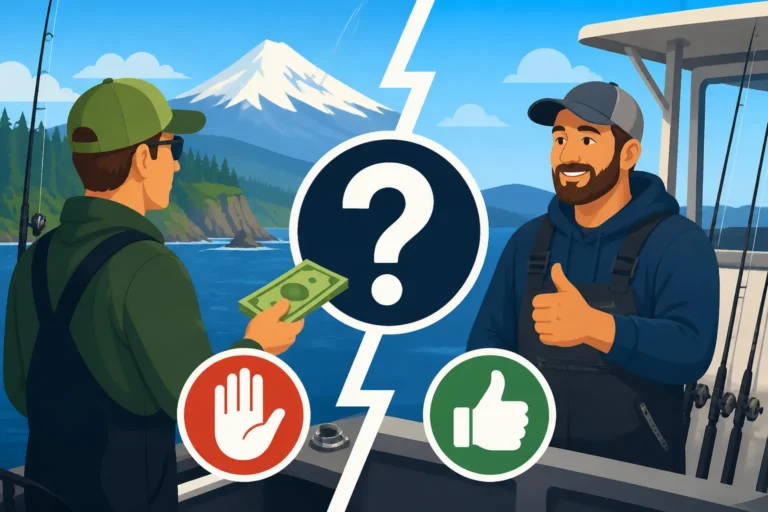
Tipping your guide is customary and very much appreciated, especially when they've gone above and beyond to provide a great experience. A general guideline is 15-20% of the trip cost, similar to other service industries.
- Consider the Effort: If your guide was patient, a great teacher, worked hard to find fish in challenging conditions, or stayed out longer than expected, a more generous tip is appropriate.
- Cash is King: While some guides might accept digital payments, cash is usually preferred and ensures they receive the full amount immediately.
- When to Tip: Typically, you'd offer the tip at the end of the day, after you've returned to the launch and the gear is stowed.
Tipping acknowledges their hard work, expertise, and commitment to making your day successful and enjoyable. It's a small gesture that goes a long way in showing your appreciation.
Choosing the right guide service for your first steelhead fishing adventure in Oregon can transform a potentially overwhelming experience into an unforgettable journey of learning and excitement. By prioritizing guides who are patient teachers, knowledgeable about beginner-friendly techniques, safety-conscious, and focused on the overall experience, you'll set yourself up for success and a deep appreciation for these magnificent fish and the beautiful rivers they call home. Happy angling!
Disclaimer
This article is for general informational purposes only and does not constitute professional advice. Laws, prices and regulations vary by location and change over time. Consult a qualified professional for guidance on your specific situation.